
Meerut
General information
-
Ideal Duration:
1 to 2 DaysPlace Type:
Historical & Industrial CityEntry Fees:
Memorial Museum Fee: Entry to the Shaheed Smarak and the 1857 museum is free for all visitors to encourage historical learning.
Gandhi Bagh Entry: A nominal charge of 10-20 INR is collected for the maintenance of the park and the musical fou...Memorial Museum Fee: Entry to the Shaheed Smarak and the 1857 museum is free for all visitors to encourage historical learning.
Gandhi Bagh Entry: A nominal charge of 10-20 INR is collected for the maintenance of the park and the musical fountain area.Timing:
General Sightseeing: Most monuments and the museum are open from 10:00 AM to 5:00 PM, with museums often closed on Mondays.
Augarnath Temple: The temple remains open for devotees from 6:00 AM to 1:00 PM and again from 4:00 PM to 10:00 PM. ...General Sightseeing: Most monuments and the museum are open from 10:00 AM to 5:00 PM, with museums often closed on Mondays.
Augarnath Temple: The temple remains open for devotees from 6:00 AM to 1:00 PM and again from 4:00 PM to 10:00 PM.Special Events:
Nauchandi Mela: A massive annual fair held after Holi that symbolizes communal harmony, featuring a mix of food, crafts, and entertainment.
Mahashivratri: Thousands of devotees throng the Augarnath Temple to offer prayers at the self-manifes...Nauchandi Mela: A massive annual fair held after Holi that symbolizes communal harmony, featuring a mix of food, crafts, and entertainment.
Mahashivratri: Thousands of devotees throng the Augarnath Temple to offer prayers at the self-manifested Shivalinga during this festival.Best Photo Spots:
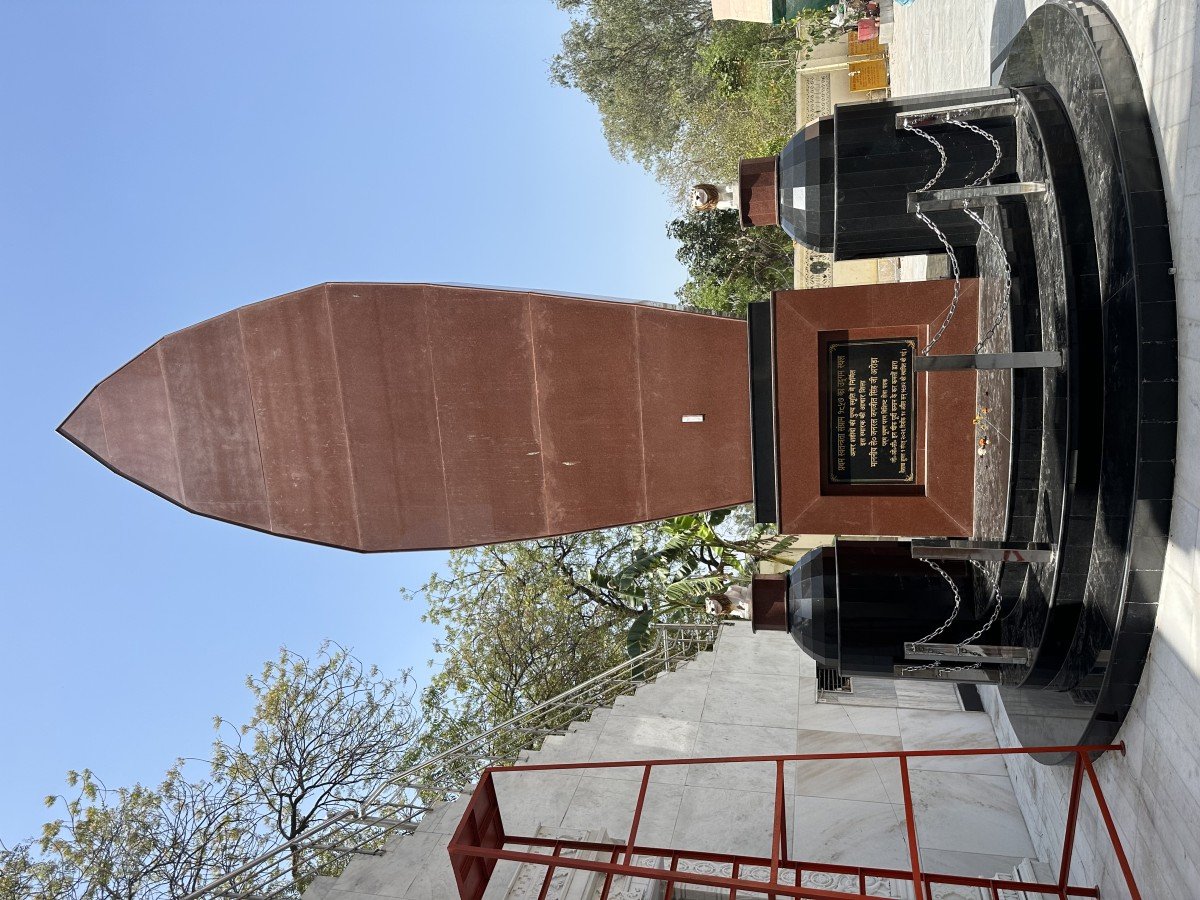
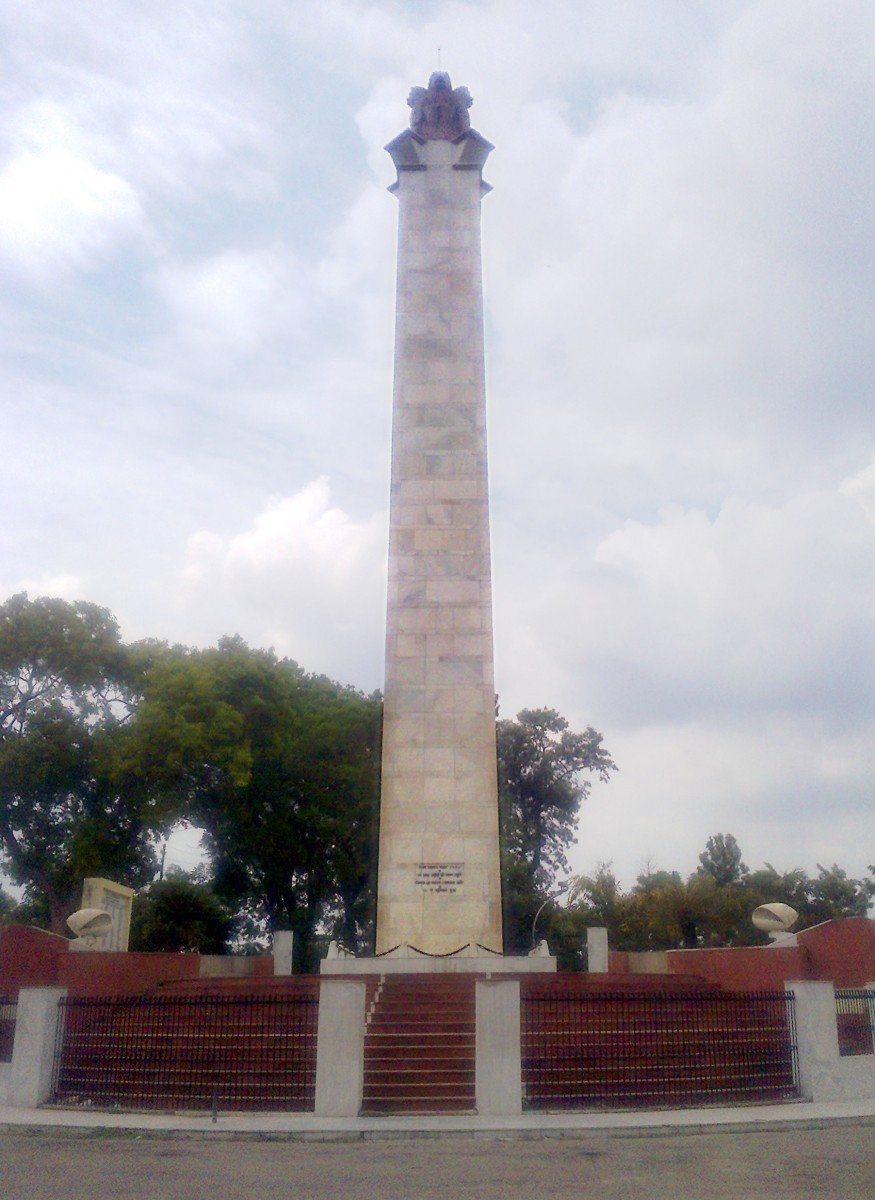
Shaheed Smarak Stambh: The tall victory pillar and the surrounding gardens offer a patriotic and grand setting for historical photography. St.
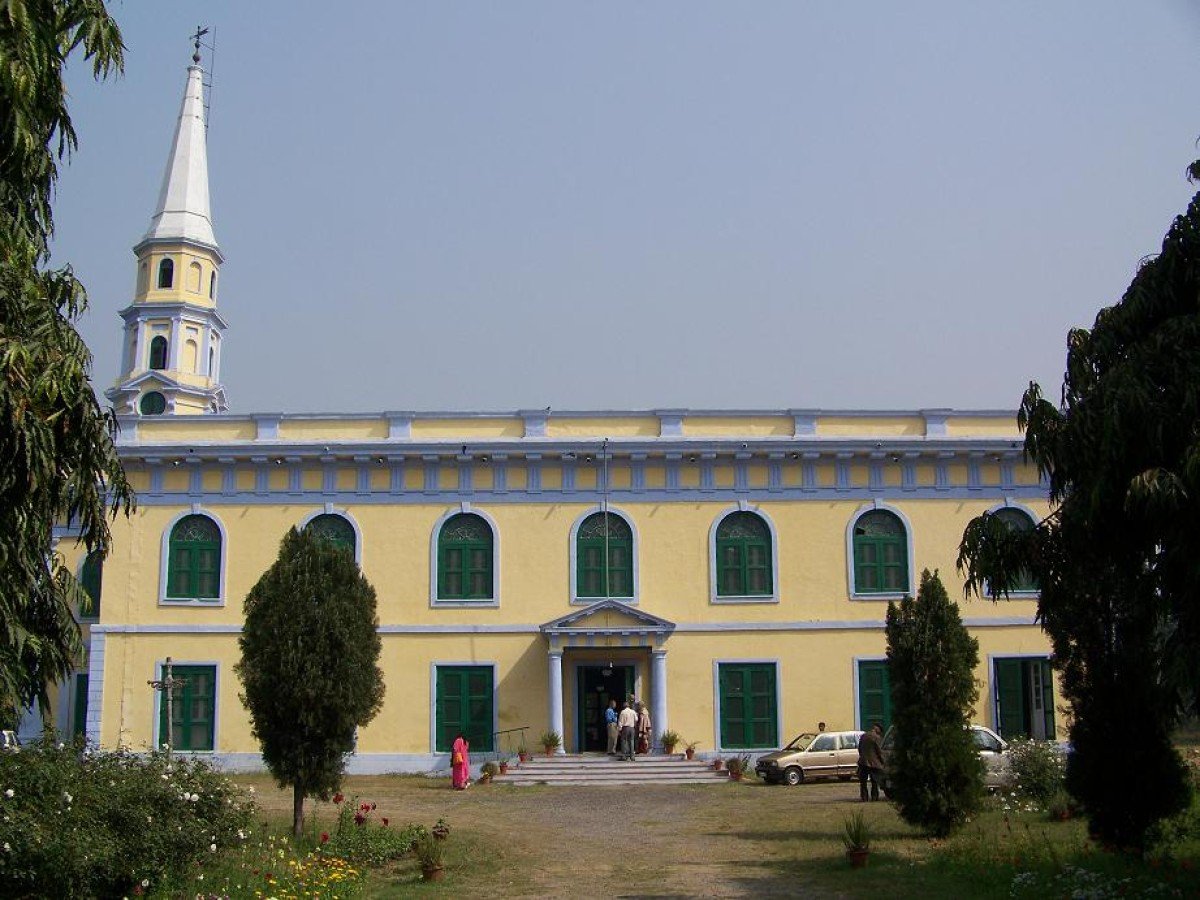
John’s Church Exterior: The yellow-washed colonial building surrounded by old trees provides a ...Shaheed Smarak Stambh: The tall victory pillar and the surrounding gardens offer a patriotic and grand setting for historical photography. St.
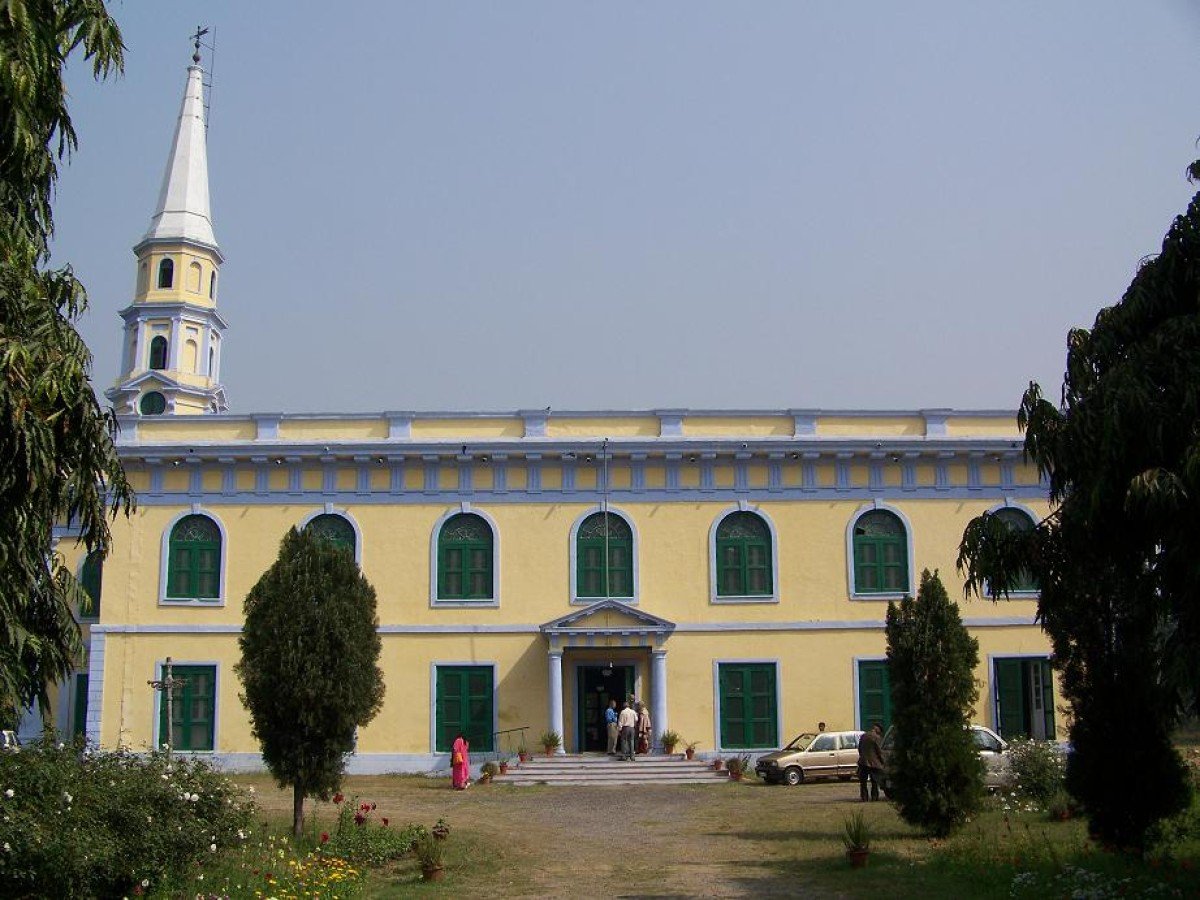
John’s Church Exterior: The yellow-washed colonial building surrounded by old trees provides a perfect vintage aesthetic for architectural shots.
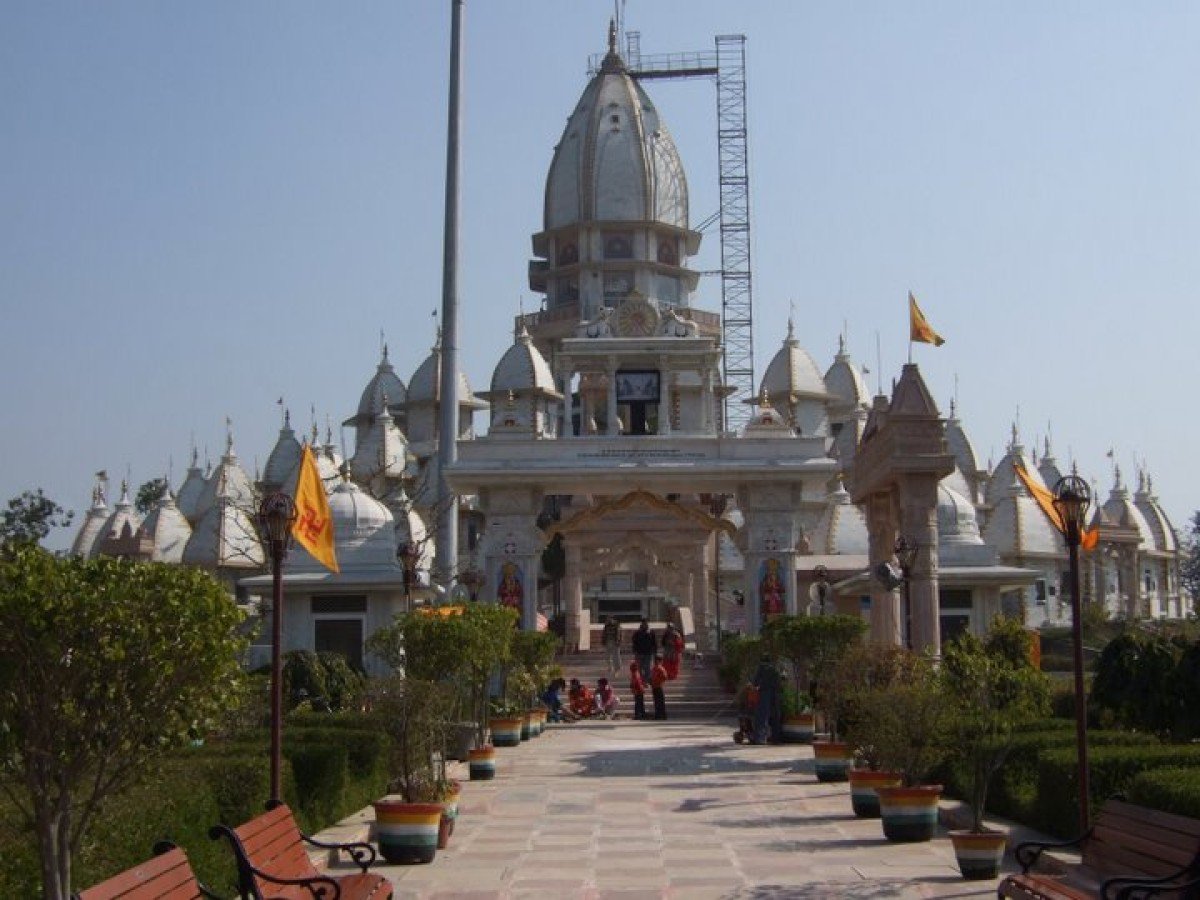
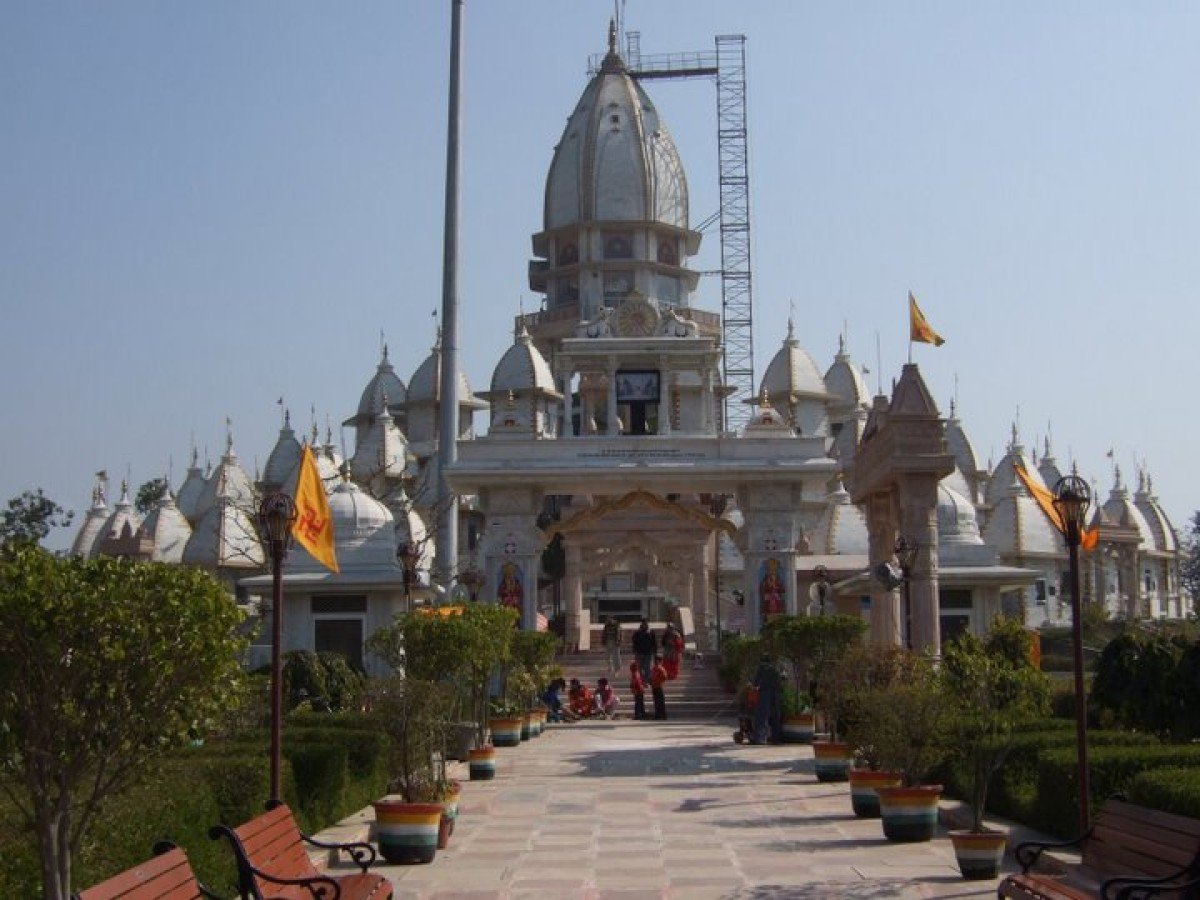
Hastinapur Temples: The towering white spires of the Jain temples against a clear sky make for stunning spiritual and cultural photos.Photo Gallery

Things To Do
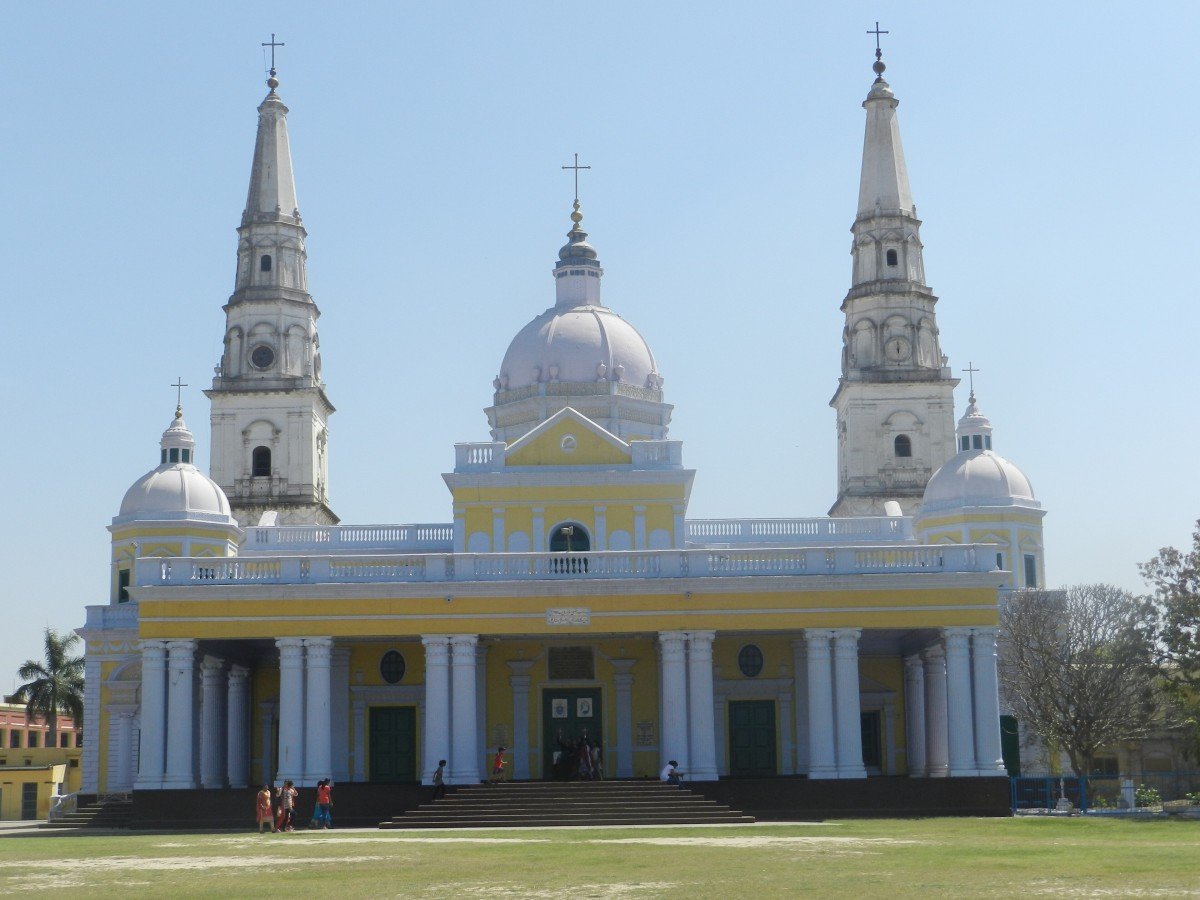
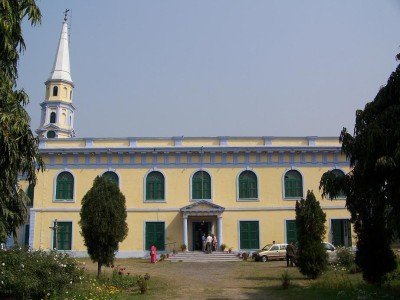 St. John's Church, established between 1819 and 1821, is a landmark of British colonial history in Meerut. It was built by the East India Company to serve the British military garrison stationed here. This church is famously known as the oldest church building in Northern India. It played a significant role during the Revolt of 1857, as the uprising in Meerut began on a Sunday while the British troops were attending evening service here. The church is surrounded by lush greenery and a peaceful cemetery that contains graves of British soldiers and their families. Inside, the atmosphere is heavy with history, featuring original wooden pews and a non-functioning pipe organ. It can accommodate nearly 3000 worshippers at once. The church belongs to the Diocese of Agra and remains a very active place of worship today. It stands as a symbol of the complex historical layer of Meerut city.
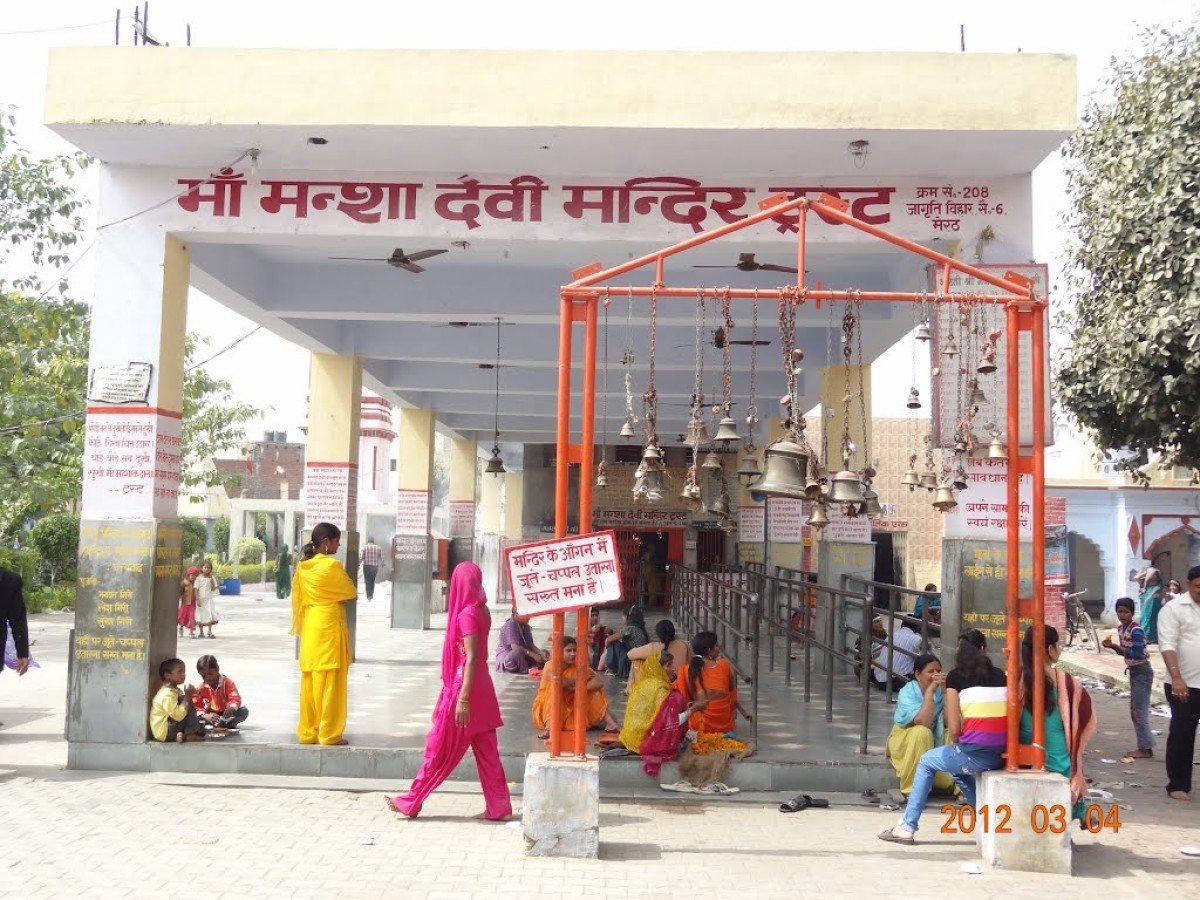
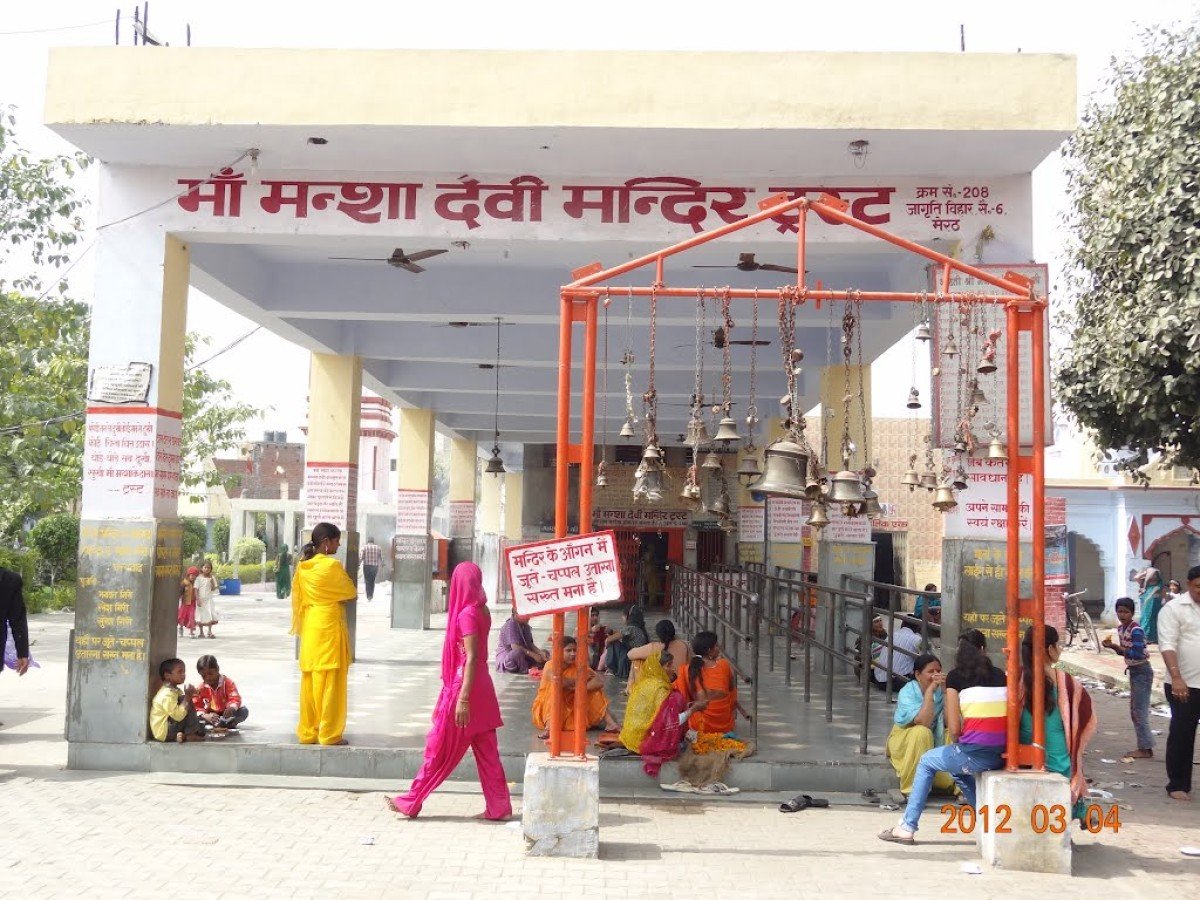
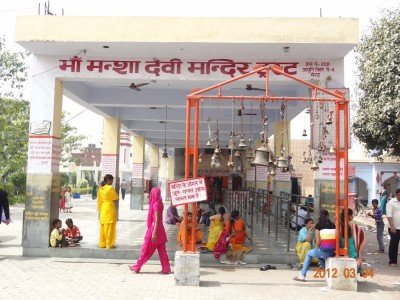 @@The Mansa Devi Temple in Meerut is a significant Hindu pilgrimage site dedicated to Goddess Mansa Devi, who is revered as the Goddess of Snakes and the fulfillment of desires: It holds immense religious importance, especially for the local community, as a Shakti Peetha (or a site of related mythology), where devotees believe the Goddess grants wishes (Mansa means wish): While the most famous Mansa Devi Temples are in Haridwar and Panchkula, the local Meerut temple is a deeply cherished, ancient shrine that serves as a vital spiritual center for the city: The temple is thronged by devotees, particularly during the nine-day Navaratri festival: The current structure, though having undergone numerous renovations over the centuries, is built upon a site of ancient worship: A key devotional practice here, similar to the major shrines, involves devotees tying a sacred thread around an ancient tree within the complex, symbolizing their wish or prayer to the Goddess: The atmosphere is one of profound faith and devotion, a sensory experience filled with the scent of incense, the sound of bells, and the chanting of prayers: It is a vibrant, living example of Hindu religious tradition and is essential to the city's spiritual landscape, offering a serene and sacred retreat from the city's commotion.
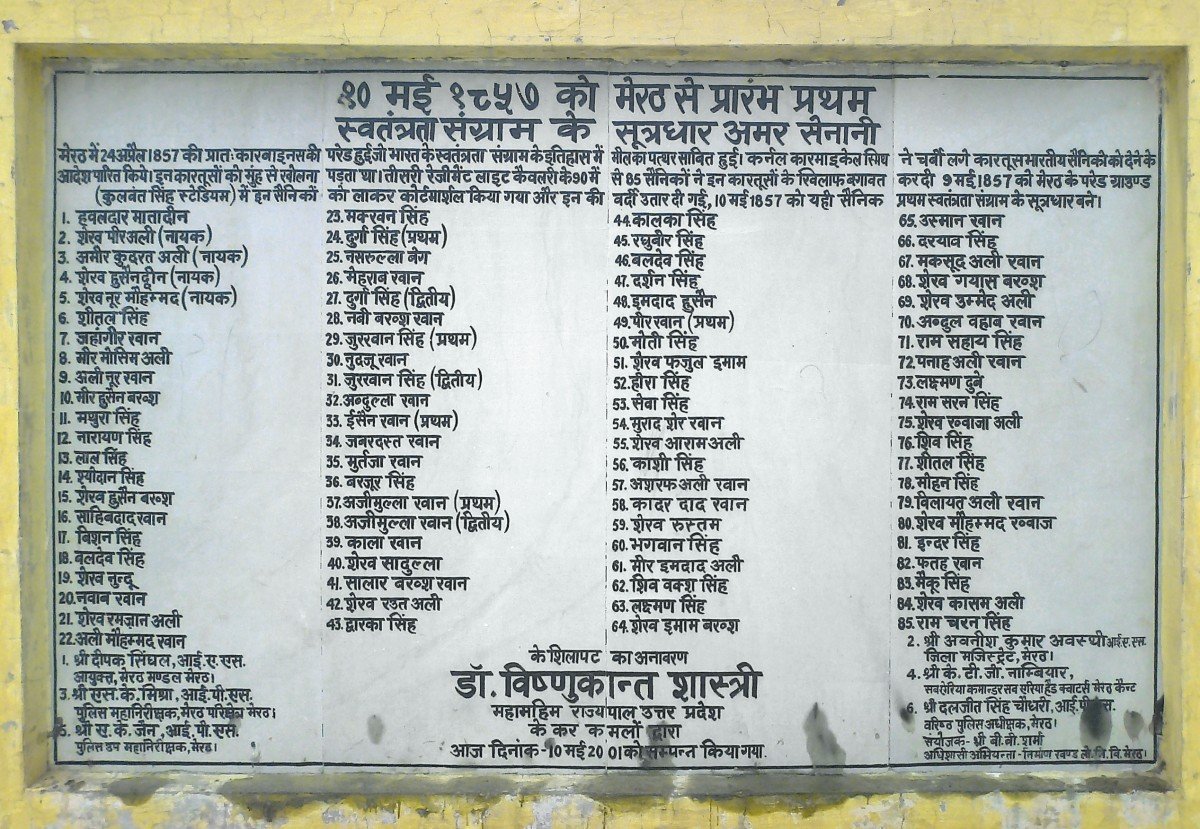
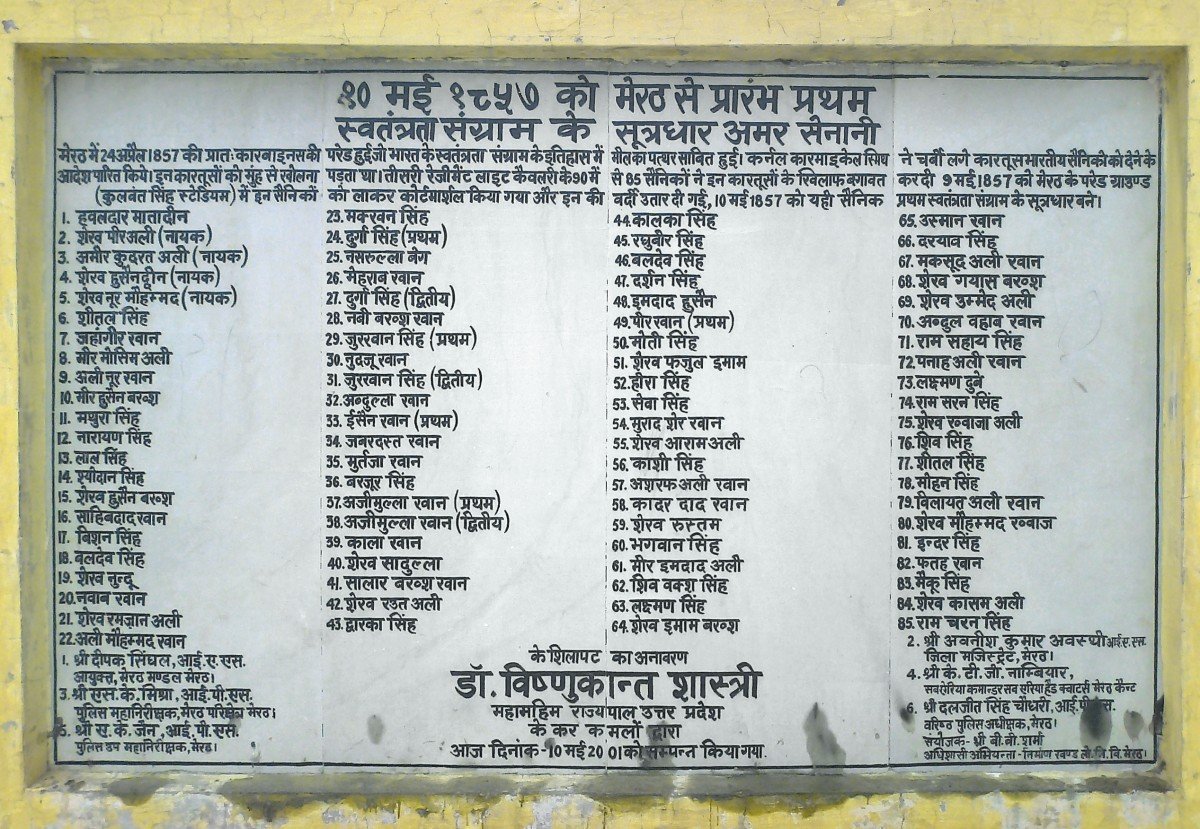
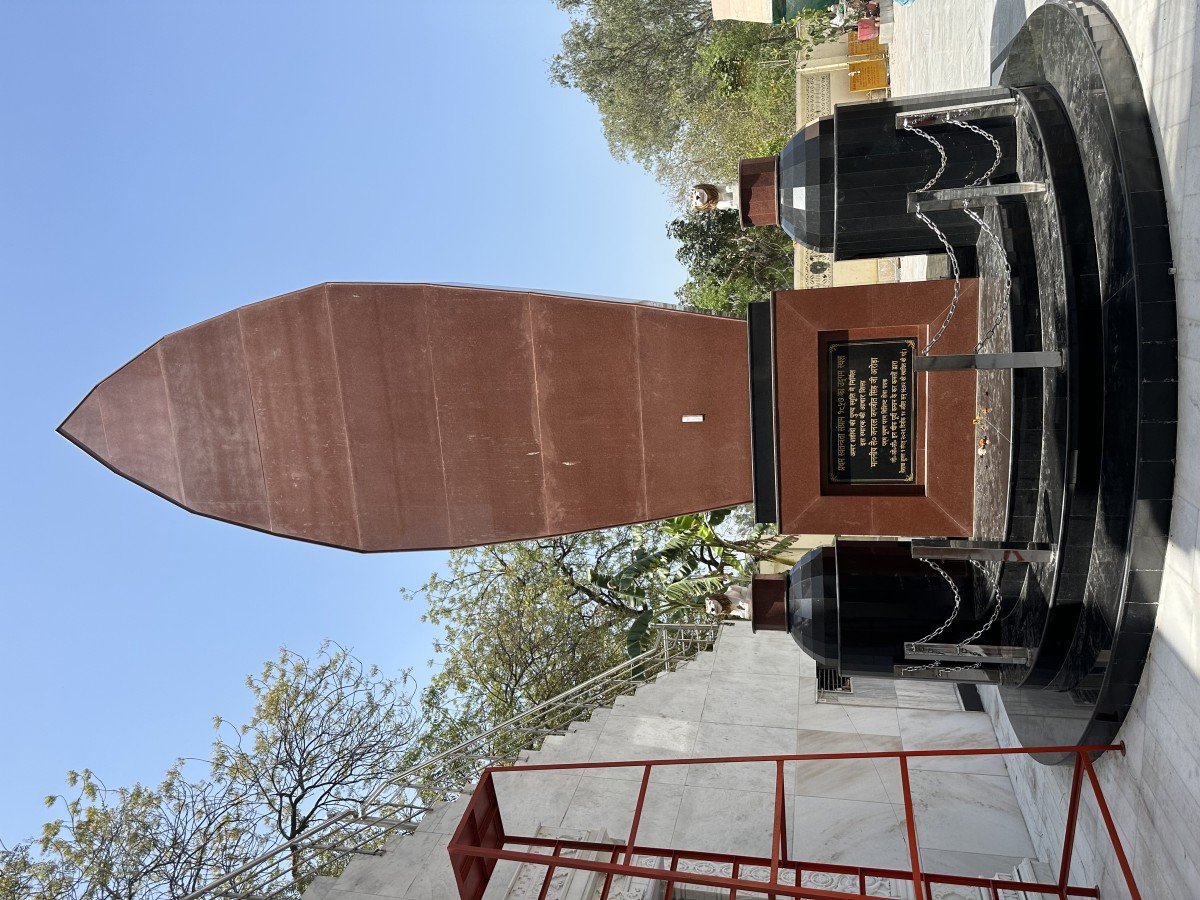
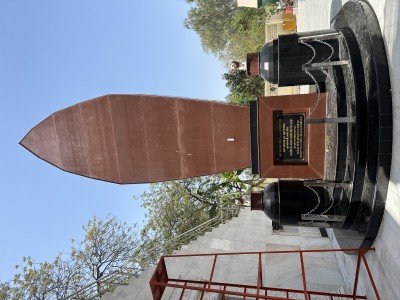 @@Historical and Religious Significance:: The Augarnath Temple, widely known as Kali Paltan Mandir, is a place of immense national importance as it is considered the ignition point of the 1857 Indian Rebellion, or the First War of Independence. It served as a secret meeting place for the Indian soldiers, or the 'Kali Paltan' (Black Troop), who plotted their revolt against the British East India Company. The temple is primarily dedicated to Lord Shiva, whose idol here is a Swayambhu (self-manifested) Shivalingam, adding a deep religious layer to its historical significance. Legend says the Shivalingam was discovered in 1844, and the present, larger temple complex was reconstructed in 1968. An ancient well on the premises is another key historical marker, as it is the place where a priest famously refused to give water to the soldiers after the controversy of the greased cartridges (with cow and pig fat) emerged, an event that escalated the religious and political tensions leading to the revolt. The temple complex includes a magnificent Shaheed Smarak (Martyrs' Memorial) dedicated to the brave Indian soldiers who sacrificed their lives. This site connects deep spirituality with the foundation of modern Indian freedom, making it a sacred patriotic pilgrimage for both devotees of Lord Shiva and history enthusiasts. The name Kali Paltan Mandir remains a powerful reminder of the soldiers who kindled the flame of independence against the colonial power. (405 words)
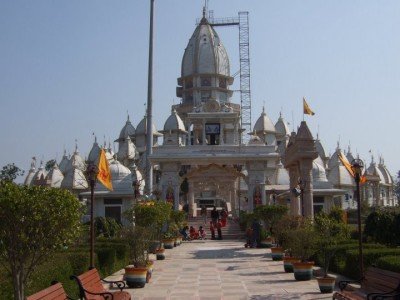 The Digambar Jain Temple in Meerut is one of the oldest and most significant religious sites for the Jain community in the region. It is believed that some parts of the temple date back thousands of years, with the main structure being renovated over centuries. The temple is dedicated to various Tirthankaras, primarily Lord Parshvanath. It serves as a center for spiritual learning and traditional Jain rituals. The temple complex houses several altars, each with beautifully crafted idols. The atmosphere inside the temple is one of profound silence and devotion, attracting thousands of followers every year. It is a key landmark in the old city area of Meerut, reflecting the ancient cultural fabric of the town. The temple also plays a vital role during Jain festivals like Paryushan. :
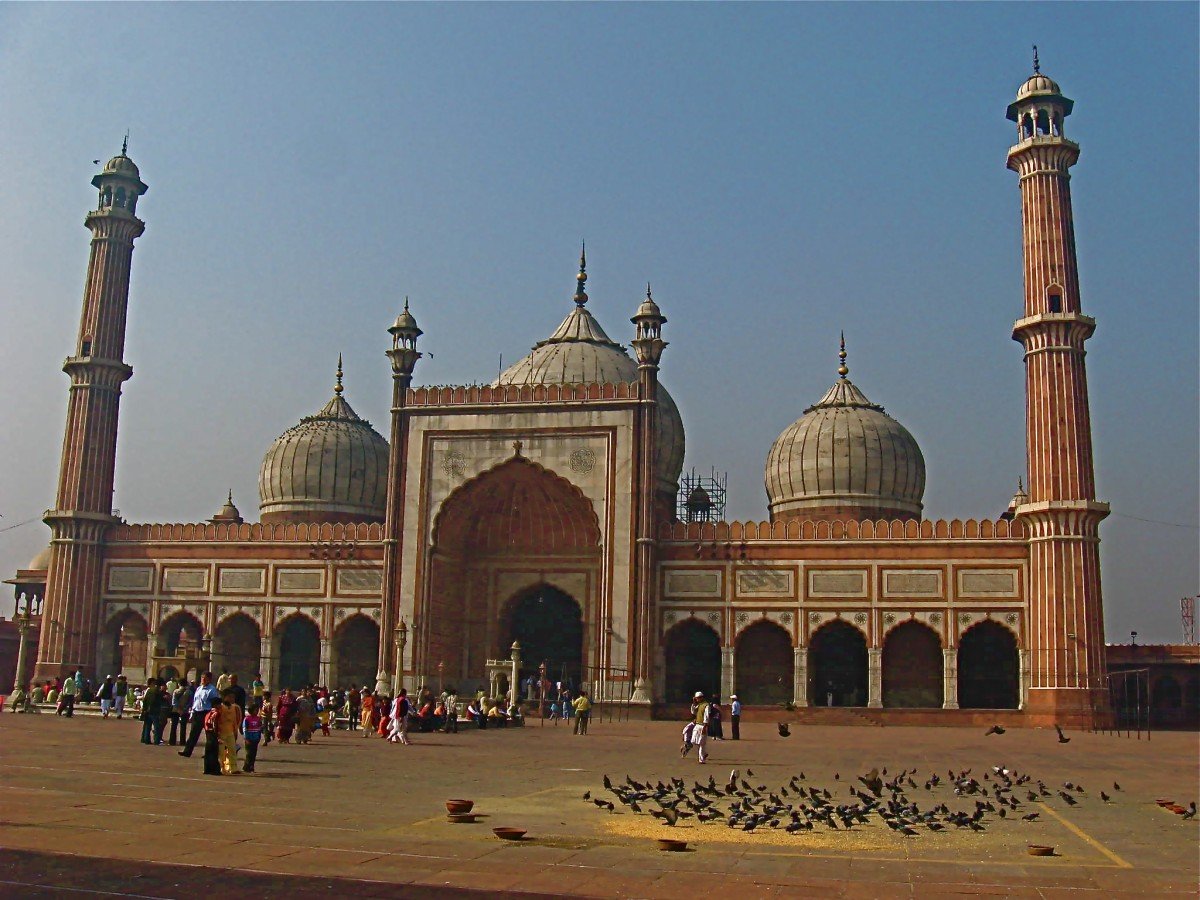
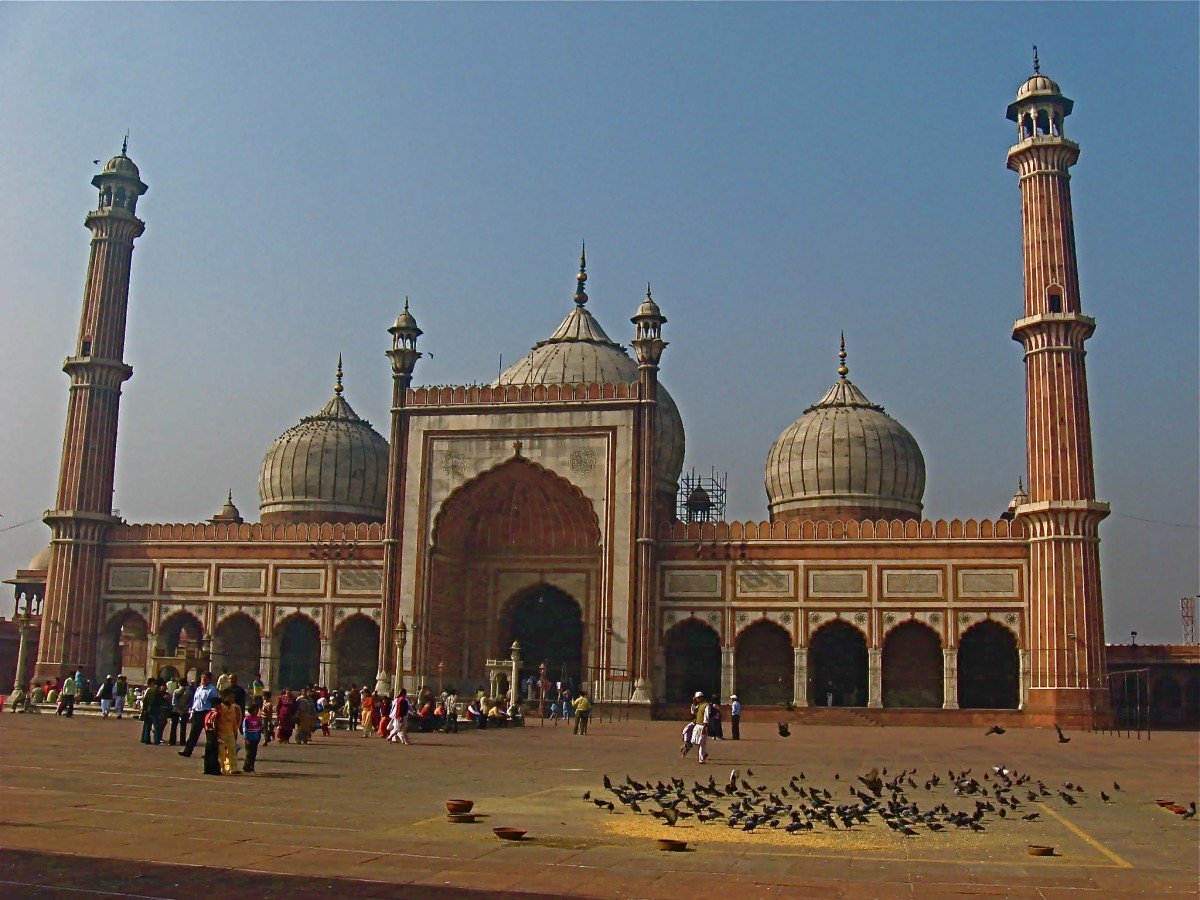
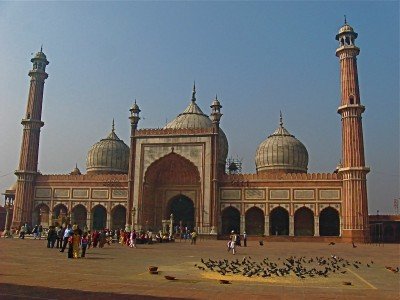 @@The Ancient History of Shahi Jama Masjid: The Jama Masjid in Meerut is not only a place of worship but a monumental testament to the city's ancient history, often cited as one of the earliest mosques in North India. Its foundation is traditionally attributed to Hasan Mahdi, the Wazir (chief minister) of Sultan Mahmud Ghaznavi, around 1019 CE, making it nearly a millennium old. This incredible age places it centuries before the more famous Jama Masjid in Delhi and firmly roots it in the Sultanate era of Indian history. Over the centuries, the mosque has been a continuous spiritual and cultural hub, silently witnessing the rise and fall of empires, including the Delhi Sultanate and the Mughal Empire. It is an invaluable site for historians and pilgrims, representing the deep-seated Islamic influence that shaped the region. Despite the ravages of time and numerous conflicts, the structure has been remarkably preserved and maintained, notably undergoing a significant renovation in the 18th century funded by the Nawab of Oudh. Its existence for over ten centuries makes it a peerless symbol of enduring religious and architectural heritage in Meerut and a crucial link to the early days of Islamic architecture in the subcontinent. Its immense historical timeline is its defining characteristic, drawing scholars and devotees alike. @@A Spiritual and Cultural Landmark: The mosque remains an active and vital center for the Muslim community. It serves as the primary congregational mosque for Friday prayers (Juma Namaz), where a large assembly of worshippers gathers, fostering a strong sense of community and religious observance. Beyond its religious role, it is a cultural landmark that reflects the composite culture of Uttar Pradesh. The surrounding markets and lanes are teeming with life, especially during festivals like Eid-ul-Fitr and Eid-ul-Adha, where the atmosphere is charged with festive energy, making it a key site for cultural exploration and people-watching. The mosque's history is interwoven with the local populace, acting as a historical anchor in the rapidly modernizing city of Meerut. Visitors come here not just to admire the structure but to absorb the palpable sense of history and spirituality that permeates the ancient walls, a truly unique and enriching experience. :
 This Shahid Smarak, often referred to as the Mutiny Memorial, is a Gothic-style monument located in the Meerut Cantonment. It was built by the British to commemorate the soldiers and officers of the British army who were killed during the 1857 uprising. While the other memorial celebrates Indian martyrs, this one stands as a historical record of the colonial era. The structure is an octagonal tower made of red sandstone, inscribed with the names of the deceased. It is surrounded by the lush greenery of the cantonment area, providing a quiet and somber atmosphere. Visiting both memorials gives a complete historical perspective of the events that transpired in 1857. It is a protected monument and is well-maintained, reflecting the architectural style of the mid-19th century. :
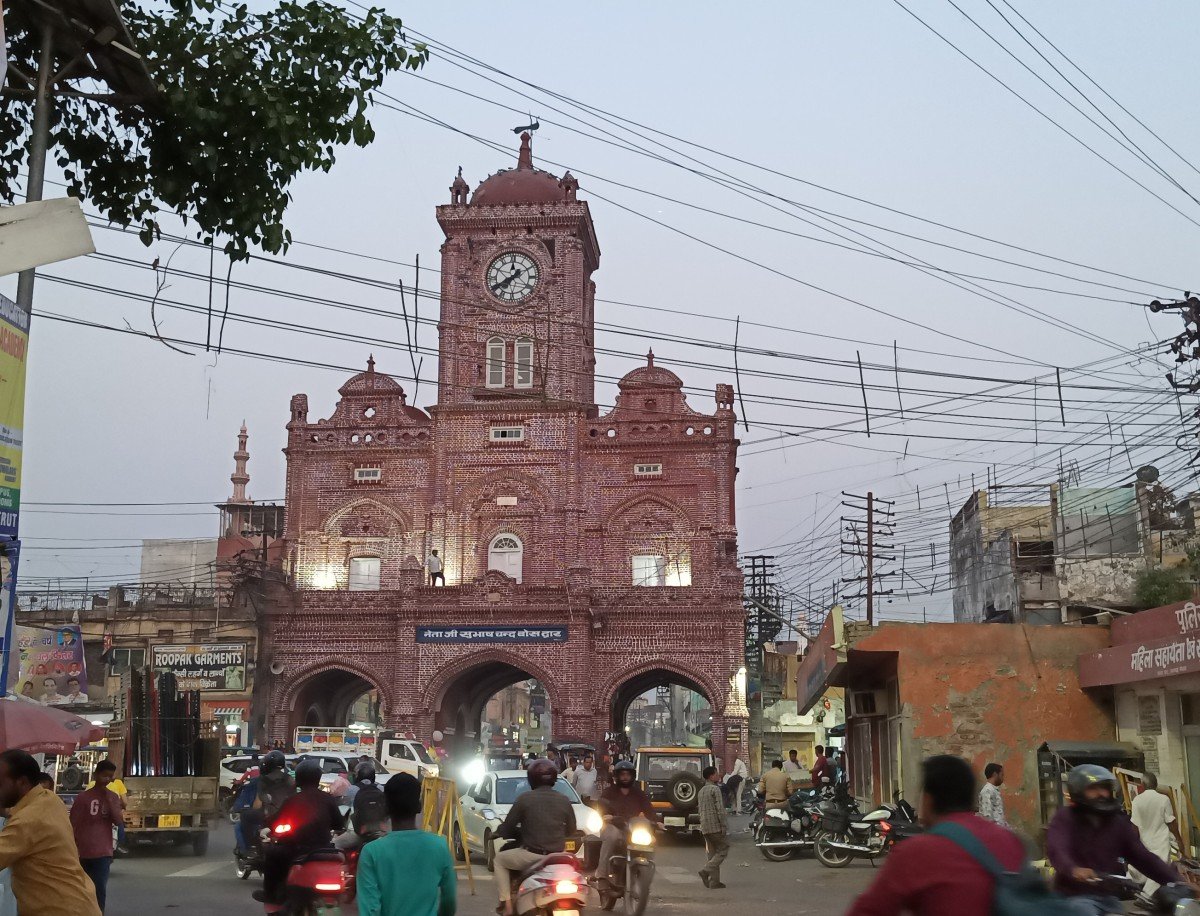
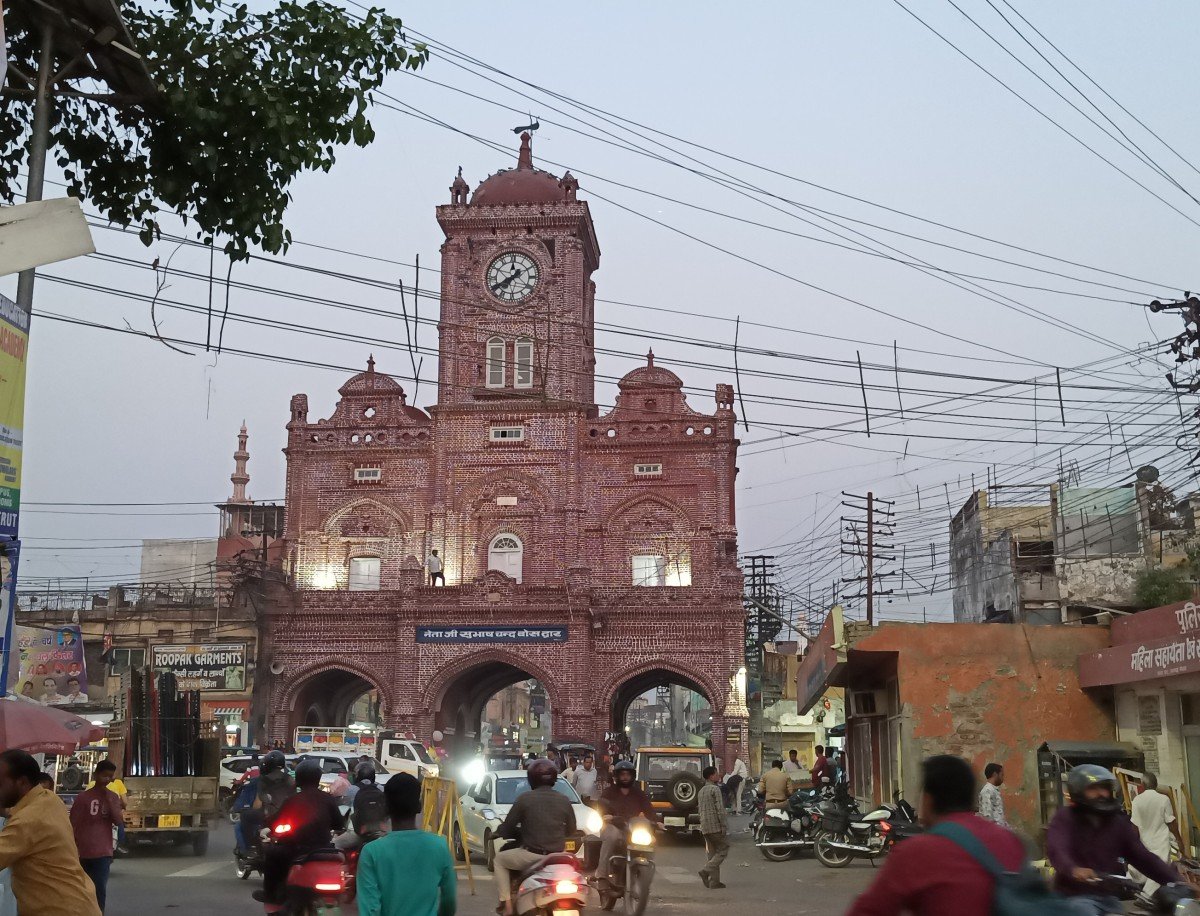
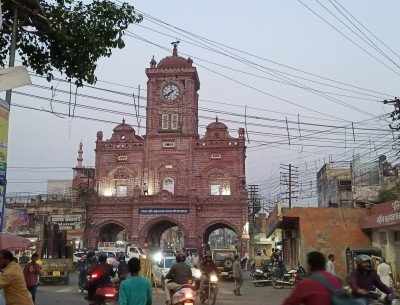 @@The Ghanta Ghar in Meerut, also known historically as Subhash Chandra Dwar, is a majestic clock tower and a key landmark situated strategically between the busy main market (Valley Market) and the Meerut City Railway Station: The tower was constructed during the British colonial period, completed in 1914, originally intended as a memorial to King Edward: The historical significance of the Ghanta Ghar extends beyond its architectural value, as it later became a major focal point for political activities during India's freedom struggle: Notably, the site hosted meetings led by the revolutionary leader Subhash Chandra Bose in the 1930s, leading to its renaming as Subhash Chandra Dwar (Gateway): The structure itself was built on the site of a previous gate known as Kamboh Darwaza: The clock housed in the tower was originally imported from Germany and had previously been installed at the Allahabad High Court: The Ghanta Ghar is a symbol of the city's rich history, representing both the colonial era's administrative presence and the patriotic zeal of the freedom movement: Today, the area surrounding the tower is a bustling commercial center, but the tower stands tall as a silent observer to the city's continuous evolution, despite the fact that its clock often remains non-functional, a common lament of the locals: Its prominence and historical association make it an essential cultural and heritage site in Meerut.Show All
 @@Mustafa Castle, often referred to locally as Nawab Kothi, is a magnificent and historically profound building located in the Meerut Cantonment area: The Castle was built between 1896-1900 by Nawab Mohammad Ishak Khan as a tribute to his father, the celebrated Persian and Urdu poet and critic, Nawab Mustafa Khan Shefta (1804-1869): The structure is an extraordinary architectural masterpiece, representing a unique amalgamation of European (specifically British Bungalow), Rajasthani, and Oudh (Lucknow) styles: The significance of the castle dramatically increased during the freedom struggle era (1918-1958) when the owner's son, Nawab Mohammad Ismail Khan, transformed it into a major hub for political activity: It hosted several momentous meetings and conferences, welcoming illustrious figures such as Mahatma Gandhi, Jawaharlal Nehru, Sarojini Naidu, and Mohammed Ali Jinnah: The Castle is also famous for its extensive collection of rare antiques and imported furniture from London, reflecting the eclectic and aristocratic tastes of its original builder: A chamber where Nawab Mustafa Khan Shefta was imprisoned by the British for his patriotic writings has been intentionally preserved in its original, unaltered form: Spanning 30 acres, the Castle is a living testament to a blend of aristocratic culture, literary patronage, and the pivotal political history of pre-Independence India, making it one of Meerut's most important and unique heritage sites.
Information
-
Why Famous:
1857 Revolt Center: Meerut is the legendary place where the first spark of India's struggle for independence was lit by Indian soldiers.
Cricket Gear Production: The city produces premium quality cricket bats used by international players, m...1857 Revolt Center: Meerut is the legendary place where the first spark of India's struggle for independence was lit by Indian soldiers.
Cricket Gear Production: The city produces premium quality cricket bats used by international players, making it a sports manufacturing giant.
Ancient Hastinapur: Located nearby, this site is of immense importance to both Hindus (Mahabharata) and Jains (Birthplace of Tirthankaras). -
Architecture:
Colonial and Ancient Styles: The architecture varies from 19th-century British military barracks to ancient Hindu temples and Islamic tombs.
Augarnath Temple: A modern hexagonal structure built on an ancient site, featuring a 4. 5 kg gold-pl...Colonial and Ancient Styles: The architecture varies from 19th-century British military barracks to ancient Hindu temples and Islamic tombs.
Augarnath Temple: A modern hexagonal structure built on an ancient site, featuring a 4. 5 kg gold-plated urn on its spire. St.
John’s Church: Built in 1819, it is one of the oldest churches in North India, featuring classic English parish-style architecture.
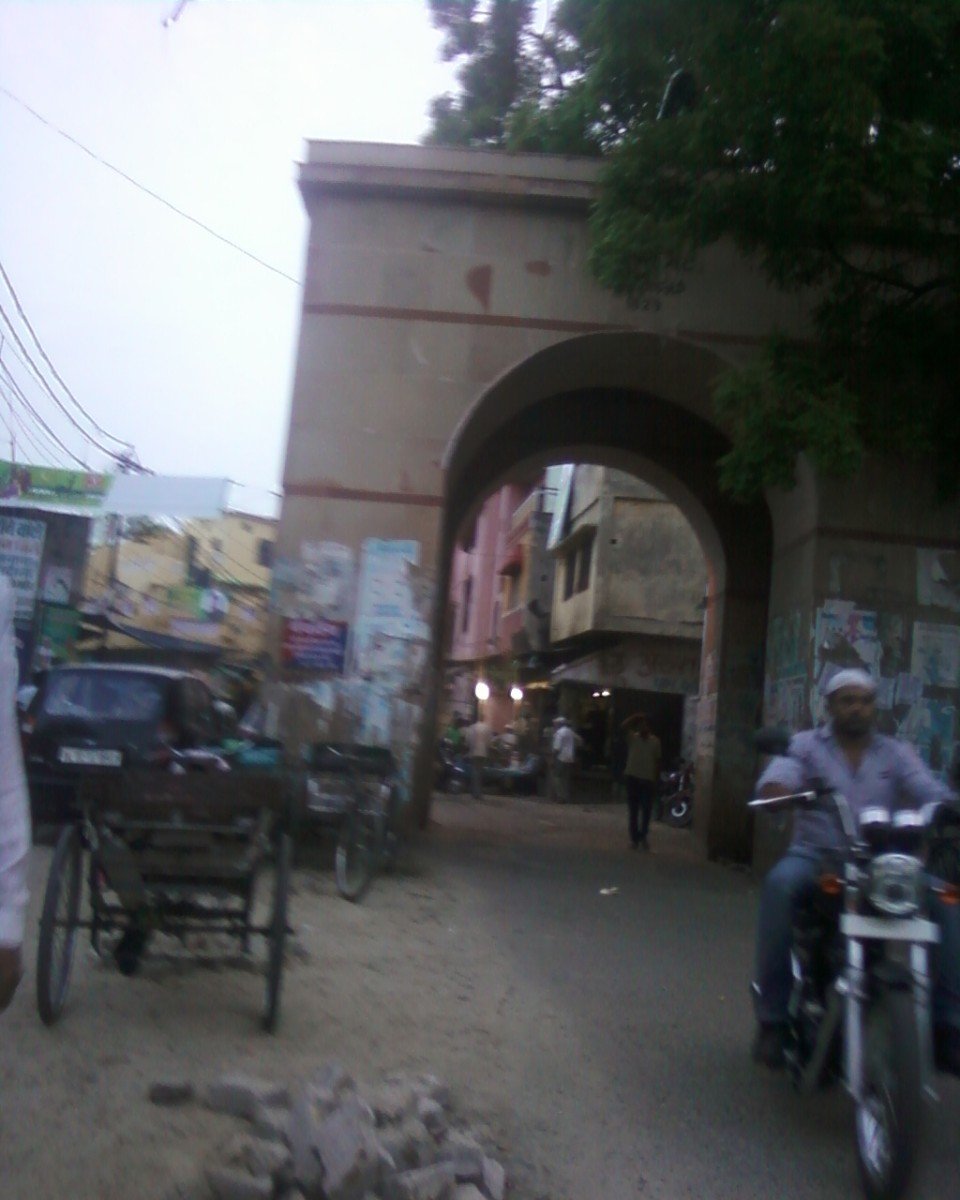
Shahpeer Sahab ki Dargah: A 17th-century Mughal mausoleum made of red sandstone, famous for its intricate carvings and missing roof. -
How To Reach:
By Air: The nearest airport is Indira Gandhi International Airport in Delhi (90 KM), which is well-connected to the city via taxi.
By Train: Meerut City and Meerut Cantt are major stations connected to Delhi, Agra, and Dehradun by several ex...By Air: The nearest airport is Indira Gandhi International Airport in Delhi (90 KM), which is well-connected to the city via taxi.
By Train: Meerut City and Meerut Cantt are major stations connected to Delhi, Agra, and Dehradun by several express trains.
By Road: The city is easily accessible via the Delhi-Meerut Expressway, making it a quick 1. 5-hour drive from the national capital.
By Local Transport: The Rapid Rail (RRTS) is the newest and fastest way to reach, while city buses and autos serve local routes. -
Weather and Best Time to Visit:
Winter Months: November to February is the best time for sightseeing, especially to enjoy the famous local winter sweets and outdoor parks.
Fair Season: Visit during the Nauchandi Mela (usually in March/April) to experience the vibrant local...Winter Months: November to February is the best time for sightseeing, especially to enjoy the famous local winter sweets and outdoor parks.
Fair Season: Visit during the Nauchandi Mela (usually in March/April) to experience the vibrant local culture and traditional festivities. -
Near Tourist Places:
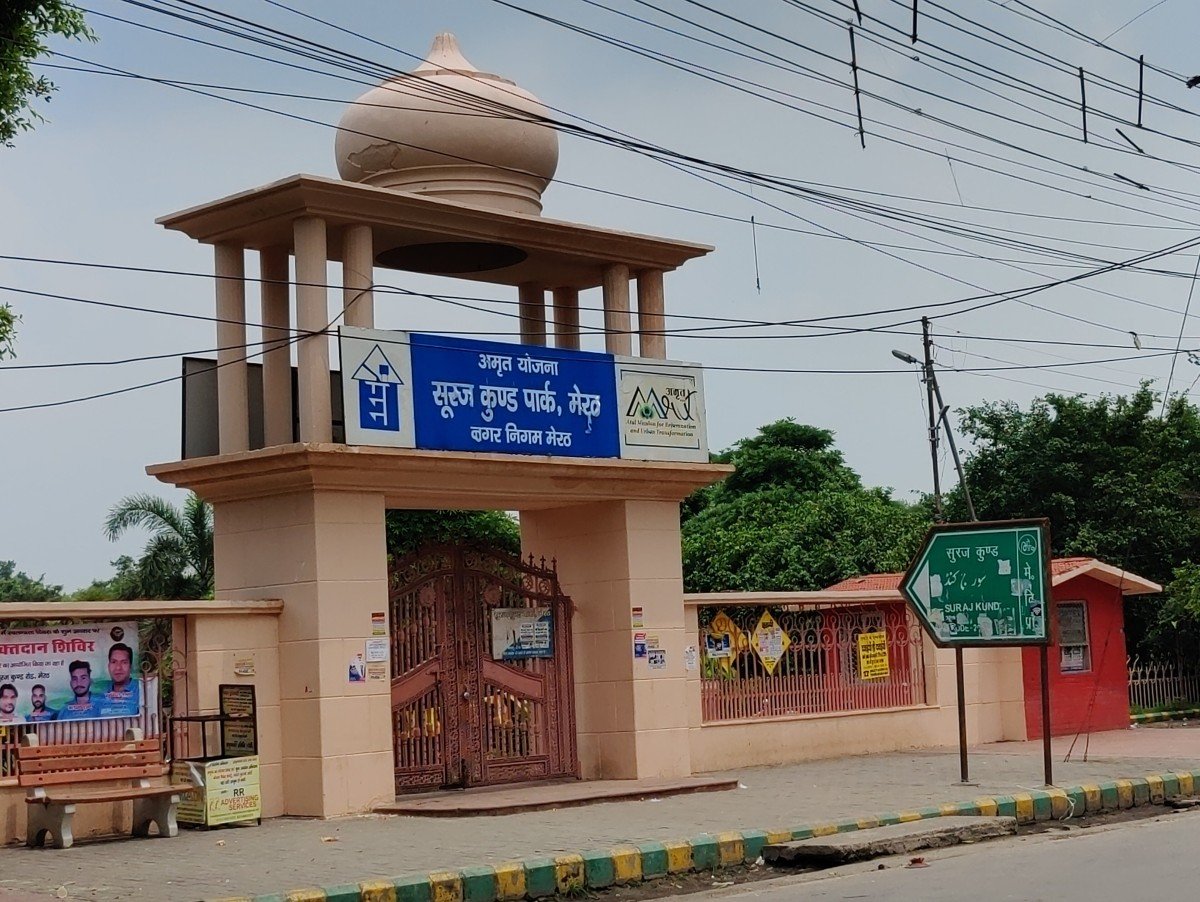
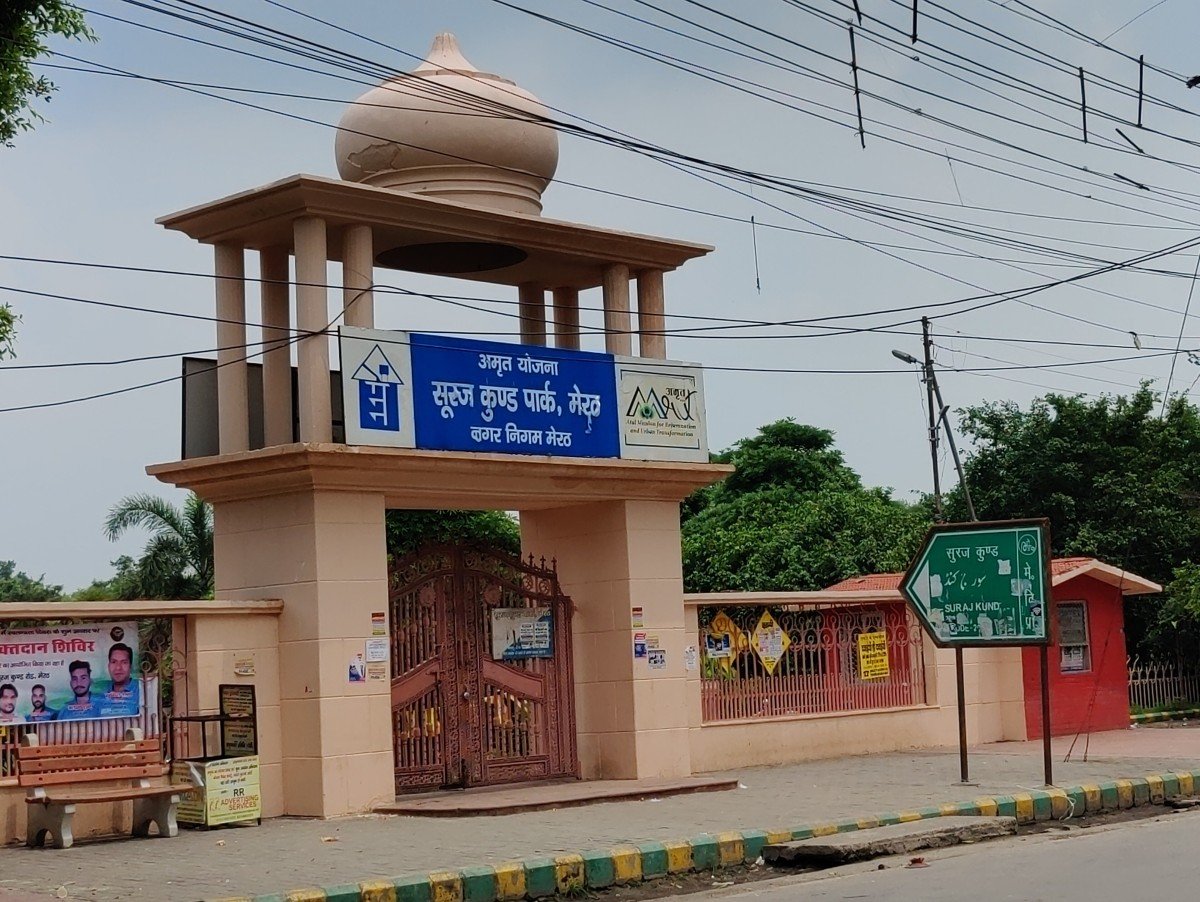
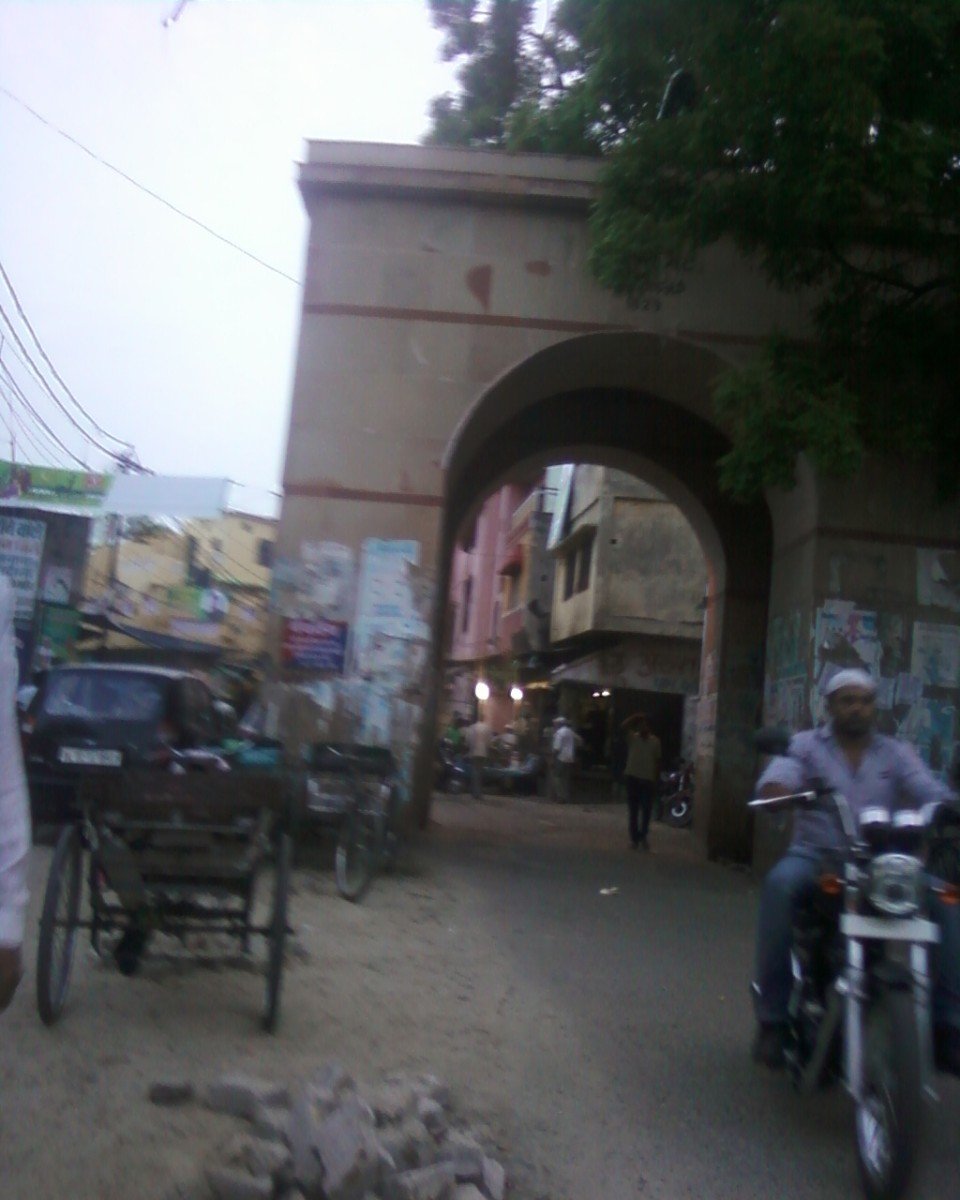
1. Hastinapur (37 KM), 2. Delhi (70 KM), 3. Sardhana (22 KM), 4. Modinagar (25 KM), 5. Hapur (35 KM), 6. Garhmukteshwar (45 KM), 7. Barnawa (30 KM), 8. Parikshitgarh (20 KM), 9. Suraj Kund (2 KM), 10. Shahpeer Gate (1 KM).
Tourism Tips
-
Stay in the Cantt: The Meerut Cantonment area is greener, quieter, and has better hotel options compared to the crowded old city.
Commuting Tip: Use the newly inaugurated Delhi-Meerut Expressway for a smooth journey if you are traveling from...Stay in the Cantt: The Meerut Cantonment area is greener, quieter, and has better hotel options compared to the crowded old city.
Commuting Tip: Use the newly inaugurated Delhi-Meerut Expressway for a smooth journey if you are traveling from the Delhi-NCR region.
Shopping Advice: For sports equipment, go to the dedicated Suraj Kund Road market to find the best variety and competitive wholesale prices.
Health and Safety: Meerut is generally safe, but like any large city, avoid traveling in isolated areas late at night and keep your belongings secure.
Reviews
FAQs
Meerut Itineray And Cost:-
Other Places In Uttar Pradesh :-
Other States In India :-
Information about New and Updated Locations() of Uttar Pradesh Has Been Added :-
Card subtitle
Note:-
Information provided here in good Faith and for reference only.
Near Places
Agra
Some quick example text to build on the card title and make up the bulk of the card's content.
Go somewhere
Aligarh
Some quick example text to build on the card title and make up the bulk of the card's content.
Go somewhere
Ayodhya
Some quick example text to build on the card title and make up the bulk of the card's content.
Go somewhere
Azamgarh
Some quick example text to build on the card title and make up the bulk of the card's content.
Go somewhere
Bahraich
Some quick example text to build on the card title and make up the bulk of the card's content.
Go somewhere
Bareilly
Some quick example text to build on the card title and make up the bulk of the card's content.
Go somewhere
Chitrakoot
Some quick example text to build on the card title and make up the bulk of the card's content.
Go somewhere
Fatehpur Sikri
Some quick example text to build on the card title and make up the bulk of the card's content.
Go somewhere
Ghaziabad
Some quick example text to build on the card title and make up the bulk of the card's content.
Go somewhere
Gorakhpur
Some quick example text to build on the card title and make up the bulk of the card's content.
Go somewhere
Hastinapur
Some quick example text to build on the card title and make up the bulk of the card's content.
Go somewhere
Jhansi
Some quick example text to build on the card title and make up the bulk of the card's content.
Go somewhere
Kanpur
Some quick example text to build on the card title and make up the bulk of the card's content.
Go somewhere
Kushinagar
Some quick example text to build on the card title and make up the bulk of the card's content.
Go somewhere
Lucknow
Some quick example text to build on the card title and make up the bulk of the card's content.
Go somewhere
Mathura
Some quick example text to build on the card title and make up the bulk of the card's content.
Go somewherein Other Cities