
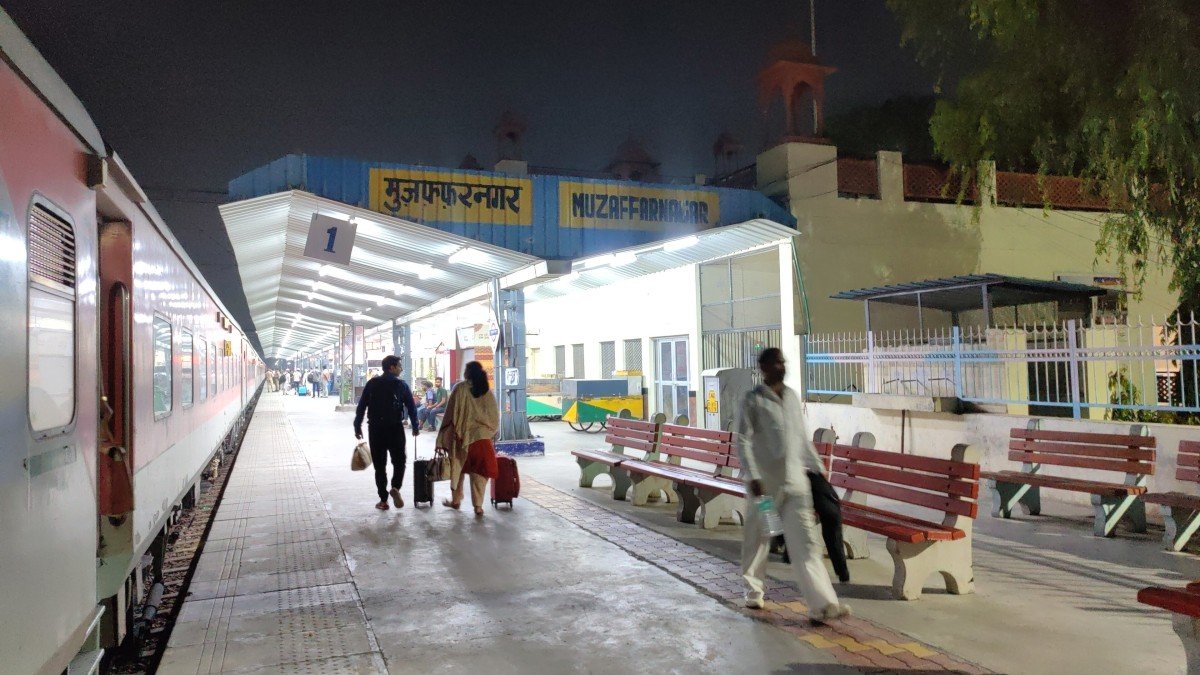
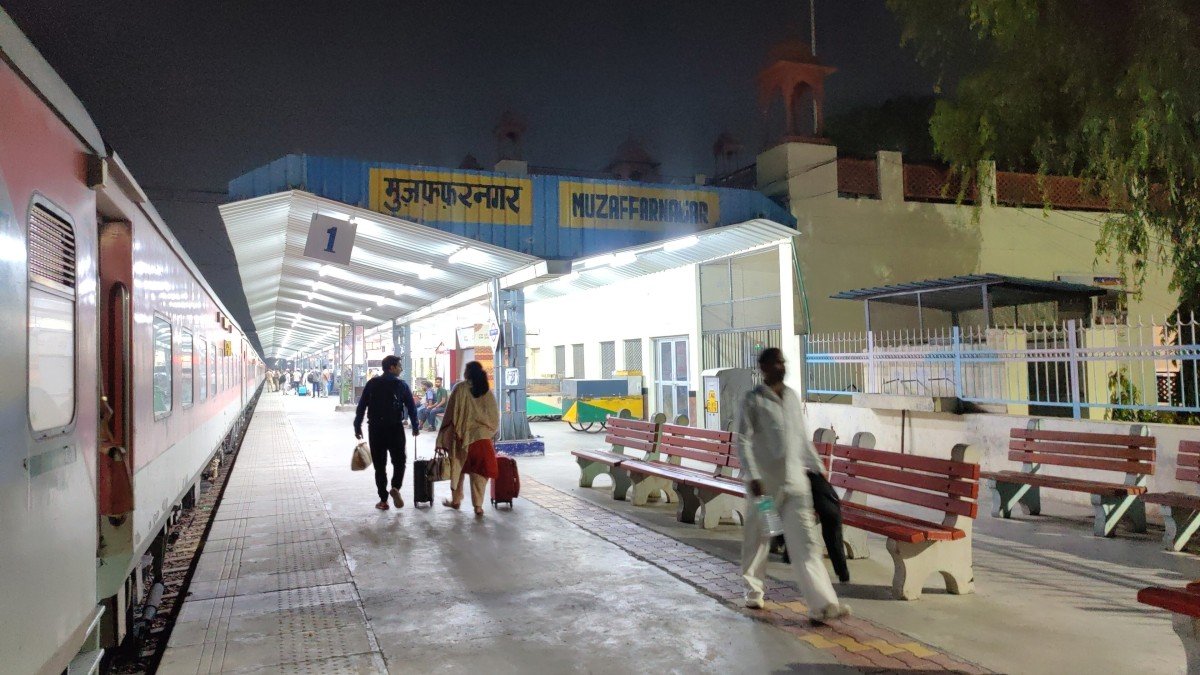
Muzaffarnagar
General information
-
Ideal Duration:
Duration: 1-2 DaysPlace Type:
Category: Agriculture & PilgrimageEntry Fees:
Temples & Ghats: Access to Shukratal, Vahelna, and city temples is Free for all visitors.
Museums: Small fees of around 20-50 INR may be charged for maintenance at college-based museums. ...Temples & Ghats: Access to Shukratal, Vahelna, and city temples is Free for all visitors.
Museums: Small fees of around 20-50 INR may be charged for maintenance at college-based museums.Timing:
Pilgrimage Sites: Open daily from 4:00 AM to 9:00 PM; special aartis are held at sunrise and sunset.
Market Timing: Generally open from 10:00 AM to 8:30 PM, with some markets closed on Sundays. ...Pilgrimage Sites: Open daily from 4:00 AM to 9:00 PM; special aartis are held at sunrise and sunset.
Market Timing: Generally open from 10:00 AM to 8:30 PM, with some markets closed on Sundays.Special Events:
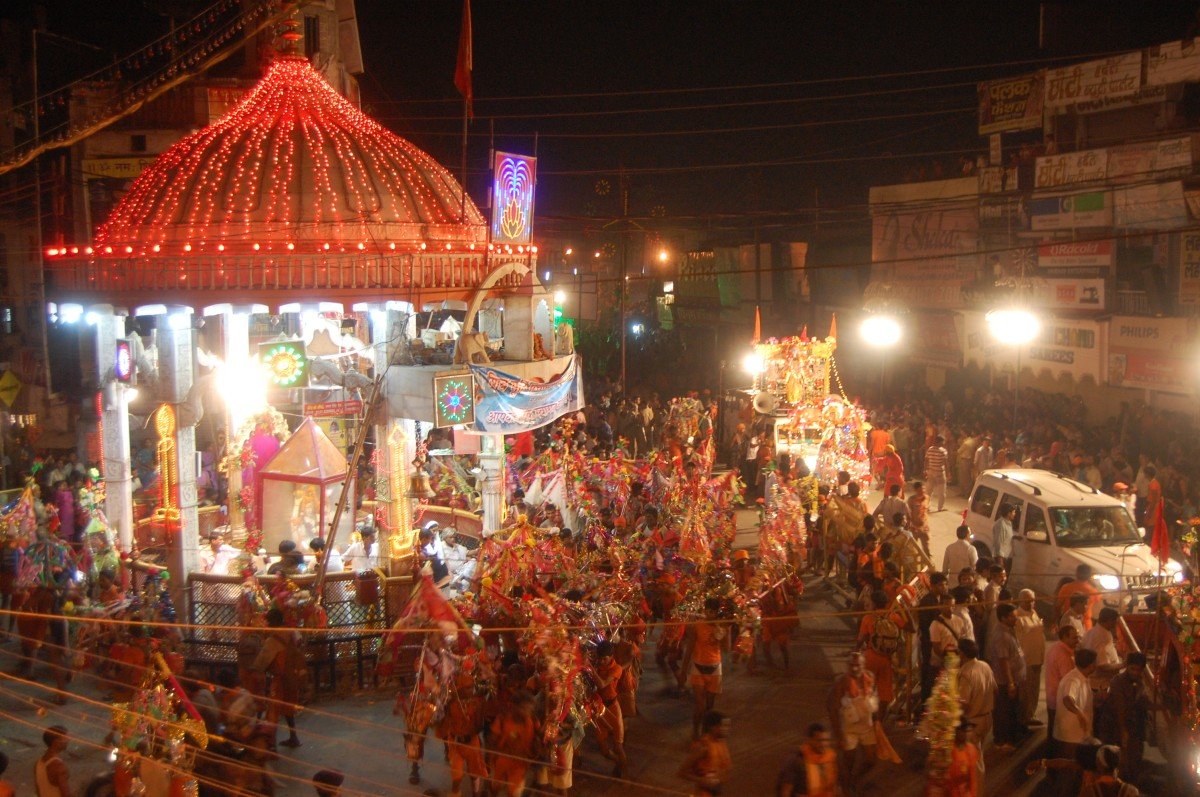
Kartik Purnima: A massive fair is held at Shukratal, where thousands of pilgrims gather for a holy dip in the Ganga.
Holi: The festival of colors is celebrated with great enthusiasm, involving traditional folk songs and community feasts. ...Kartik Purnima: A massive fair is held at Shukratal, where thousands of pilgrims gather for a holy dip in the Ganga.
Holi: The festival of colors is celebrated with great enthusiasm, involving traditional folk songs and community feasts.Best Photo Spots:
Hanumatdham Statue: The giant Hanuman statue against a clear blue sky makes for an iconic and powerful photograph.
Akshay Vat Roots: The intricate and ancient root system of the banyan tree provides a mystical and textured subject for macro ...Hanumatdham Statue: The giant Hanuman statue against a clear blue sky makes for an iconic and powerful photograph.
Akshay Vat Roots: The intricate and ancient root system of the banyan tree provides a mystical and textured subject for macro photography.
Sugarcane Harvest: Capturing the long lines of bullock carts and tractors loaded with sugarcane offers a classic rural Indian aesthetic.Photo Gallery
Things To Do
 Purana Qila Chhapar, also known as the Old Fort of Chhapar, is a significant historical landmark situated along the busy Delhi-Haridwar Highway (NH-58). While often overshadowed by the larger forts of Delhi, this structure served as a crucial defensive outpost and a regional administrative center during the medieval and early modern periods. The fort is associated with the local chieftains who controlled the trade and pilgrim routes moving toward the Himalayas. The site is a complex of crumbling walls, bastions, and a central gateway that reflects the typical military architecture of the Doab region. Historically, Chhapar was a strategic location for monitoring movements between Meerut and Saharanpur. The fort's walls are made of solid masonry, designed to withstand local skirmishes. Over the centuries, much of the fort has been absorbed by the expanding village and agricultural fields, yet the surviving portions provide a fascinating glimpse into the area's fortified past. It is often a quick stop for travelers moving toward Haridwar or Rishikesh who have an eye for history. The fort is also linked to local legends of the 1857 Uprising, where such outposts were used by local resistance groups. Today, the Purana Qila stands as a "silent sentry," its weather-beaten bricks telling stories of a time when the highway was a dusty track guarded by sword-bearing soldiers. It is an ideal spot for those who enjoy discovering "off-the-map" heritage sites that are not yet commercialized.
 The Akshay Vat Vatika is home to a legendary Banyan tree that is believed to be over 5,100 years old. This sacred site is located in Shukartal, a town on the banks of the holy river Ganga. According to ancient Hindu mythology, it was under this very tree that Sage Sukhdeva narrated the Shrimad Bhagwad Puranas to King Parikshit, the grandson of Arjun, for seven consecutive days. The tree is uniquely known for its height of nearly 150 feet and its sprawling roots that cover a massive area. Remarkably, it is said that this tree never sheds its leaves, earning it the name "Tree of Undying Character." Pilgrims from across India visit to tie a red thread around its trunk, believing it fulfills their deepest wishes. The environment here is profoundly spiritual and provides a deep sense of peace to every visitor. It stands as a living witness to the rich Vedic history of the region.
@@The Spiritual Haven: Durga Dham is a profoundly spiritual and captivating shrine dedicated to Goddess Durga, a major form of the Mother Goddess (Devi). The complex is renowned for its sheer scale and the presence of a massive, stunning 51 ft high statue of Lord Shiva next to the shrine of Goddess Durga. This juxtaposition of deities signifies the divine power balance of the universe, attracting devotees of both Shiva and the Goddess. The location is often described as serene and spiritually charged, offering a memorable experience for all visitors, regardless of their religious background. It's a key religious landmark that reflects the deep polytheistic traditions of North India. The shrine is beautifully maintained and serves as a center for religious gatherings and festivals, especially during the Navratri period. It is considered a place where one can feel a strong connection to the feminine energy (Shakti). The tranquil setting, slightly removed from the city's central noise, enhances its appeal as a spiritual retreat. The shrine also features a natural cave structure.:
The Clock Tower (Ghantaghar) of Khatauli is a landmark of great historical and cultural importance to the region. Built during the colonial era, it stands tall in the center of the bustling Khatauli market. For decades, it has served as a reference point for locals and travelers passing through the Delhi-Dehradun highway. The tower is a classic example of municipal architecture from the early 20th century, featuring a functional clock on all four sides. The area around the tower is the commercial heart of Khatauli, known for its vibrant shops, local eateries, and traditional markets. Visiting the Clock Tower gives a glimpse into the daily life of a typical Western UP town. It has witnessed the growth of the town from a small outpost to a major industrial and agricultural hub. The bells of the clock tower used to be heard across the town, signaling the passage of time for workers in the nearby sugar mills. Today, it remains a symbol of the town's heritage and a popular meeting spot.
@@Historical Garden Named After Kamla Nehru: The Kamla Nehru Vatika is a large, beautifully landscaped public park and garden named after Kamla Nehru, the wife of Jawaharlal Nehru, India's first Prime Minister. It is maintained by the local Nagar Palika (Municipal Council) and serves as the primary green lung of Muzaffarnagar city. The park is renowned for its tranquil environment, well-maintained lawns, and mature trees, making it a popular spot for morning walkers, families, and nature lovers seeking a peaceful retreat from the urban bustle.
The Akshay Vat Vatika is home to a legendary Banyan tree that is believed to be over 5,100 years old. This sacred site is located in Shukartal, a town on the banks of the holy river Ganga. According to ancient Hindu mythology, it was under this very tree that Sage Sukhdeva narrated the Shrimad Bhagwad Puranas to King Parikshit, the grandson of Arjun, for seven consecutive days. The tree is uniquely known for its height of nearly 150 feet and its sprawling roots that cover a massive area. Remarkably, it is said that this tree never sheds its leaves, earning it the name "Tree of Undying Character." Pilgrims from across India visit to tie a red thread around its trunk, believing it fulfills their deepest wishes. The environment here is profoundly spiritual and provides a deep sense of peace to every visitor. It stands as a living witness to the rich Vedic history of the region.
@@The Spiritual Haven: Durga Dham is a profoundly spiritual and captivating shrine dedicated to Goddess Durga, a major form of the Mother Goddess (Devi). The complex is renowned for its sheer scale and the presence of a massive, stunning 51 ft high statue of Lord Shiva next to the shrine of Goddess Durga. This juxtaposition of deities signifies the divine power balance of the universe, attracting devotees of both Shiva and the Goddess. The location is often described as serene and spiritually charged, offering a memorable experience for all visitors, regardless of their religious background. It's a key religious landmark that reflects the deep polytheistic traditions of North India. The shrine is beautifully maintained and serves as a center for religious gatherings and festivals, especially during the Navratri period. It is considered a place where one can feel a strong connection to the feminine energy (Shakti). The tranquil setting, slightly removed from the city's central noise, enhances its appeal as a spiritual retreat. The shrine also features a natural cave structure.:
The Clock Tower (Ghantaghar) of Khatauli is a landmark of great historical and cultural importance to the region. Built during the colonial era, it stands tall in the center of the bustling Khatauli market. For decades, it has served as a reference point for locals and travelers passing through the Delhi-Dehradun highway. The tower is a classic example of municipal architecture from the early 20th century, featuring a functional clock on all four sides. The area around the tower is the commercial heart of Khatauli, known for its vibrant shops, local eateries, and traditional markets. Visiting the Clock Tower gives a glimpse into the daily life of a typical Western UP town. It has witnessed the growth of the town from a small outpost to a major industrial and agricultural hub. The bells of the clock tower used to be heard across the town, signaling the passage of time for workers in the nearby sugar mills. Today, it remains a symbol of the town's heritage and a popular meeting spot.
@@Historical Garden Named After Kamla Nehru: The Kamla Nehru Vatika is a large, beautifully landscaped public park and garden named after Kamla Nehru, the wife of Jawaharlal Nehru, India's first Prime Minister. It is maintained by the local Nagar Palika (Municipal Council) and serves as the primary green lung of Muzaffarnagar city. The park is renowned for its tranquil environment, well-maintained lawns, and mature trees, making it a popular spot for morning walkers, families, and nature lovers seeking a peaceful retreat from the urban bustle.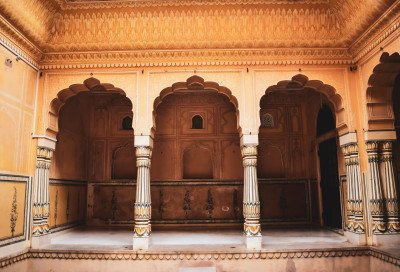 @@The Architectural Heritage of Jalalabad: The Fort of Ashraf Ali Khan is a historical landmark located in the town of Jalalabad. Built during the Mughal era, this fort served as a strategic military and administrative center for the local chieftains. Ashraf Ali Khan was a prominent figure in the regional history of the 18th century, and his fort stands as a testament to the turbulent yet culturally rich period of North Indian history. The fort is built with a mix of rubble masonry and traditional Lakhori bricks, typical of the late Mughal architectural style. Over the years, parts of the fort have turned into ruins, but the massive gateways and boundary walls still command a sense of awe. The fort’s history is intertwined with the resistance against various invading forces, making it a site of great pride for the local people. It provides a stark contrast to the religious sites of the district, offering a glimpse into the martial history of the Upper Doab region. Walking through its overgrown courtyards, one can almost hear the echoes of the horses and soldiers that once guarded this frontier.
Hanumatdham is a world-renowned religious site located in the holy town of Shukratal (also known as Shukarteerath) in Muzaffarnagar. The temple was established in 1987 under the spiritual guidance of Shri Sudarshan Singh Chakra and Inder Kumar. The centerpiece of the complex is a colossal 72-foot-high idol of Lord Hanuman, which was crafted by the skilled artisan Shri Keshav Ram from Shahdol. This magnificent statue is positioned such that it overlooks the entire town, serving as a beacon of faith for thousands of pilgrims. The temple was formally inaugurated by the venerable Swami Kalyandev Maharaj, a centenarian saint who dedicated his life to the upliftment of Shukratal. According to Hindu mythology, Shukratal is the place where Sage Shukdev narrated the Bhagavata Purana to King Parikshit. Hanumatdham adds to this spiritual legacy by providing a space for meditation, prayer, and "Katha" (religious storytelling). Behind the giant idol, there is a serene complex containing smaller shrines dedicated to Lord Rama, Radha Krishna, and a memorial hut for the founder. The temple grounds include a large "Yagyashala" for fire rituals and an open-air "Katha-Manch" where saints deliver spiritual discourses. The atmosphere at Hanumatdham is one of profound peace and devotion, particularly during the evening "Aarti" when the entire complex is illuminated. It is a vital part of the Shukratal pilgrimage circuit, which attracts devotees from across the globe seeking spiritual solace and the blessings of the monkey god.Show All
@@The Architectural Heritage of Jalalabad: The Fort of Ashraf Ali Khan is a historical landmark located in the town of Jalalabad. Built during the Mughal era, this fort served as a strategic military and administrative center for the local chieftains. Ashraf Ali Khan was a prominent figure in the regional history of the 18th century, and his fort stands as a testament to the turbulent yet culturally rich period of North Indian history. The fort is built with a mix of rubble masonry and traditional Lakhori bricks, typical of the late Mughal architectural style. Over the years, parts of the fort have turned into ruins, but the massive gateways and boundary walls still command a sense of awe. The fort’s history is intertwined with the resistance against various invading forces, making it a site of great pride for the local people. It provides a stark contrast to the religious sites of the district, offering a glimpse into the martial history of the Upper Doab region. Walking through its overgrown courtyards, one can almost hear the echoes of the horses and soldiers that once guarded this frontier.
Hanumatdham is a world-renowned religious site located in the holy town of Shukratal (also known as Shukarteerath) in Muzaffarnagar. The temple was established in 1987 under the spiritual guidance of Shri Sudarshan Singh Chakra and Inder Kumar. The centerpiece of the complex is a colossal 72-foot-high idol of Lord Hanuman, which was crafted by the skilled artisan Shri Keshav Ram from Shahdol. This magnificent statue is positioned such that it overlooks the entire town, serving as a beacon of faith for thousands of pilgrims. The temple was formally inaugurated by the venerable Swami Kalyandev Maharaj, a centenarian saint who dedicated his life to the upliftment of Shukratal. According to Hindu mythology, Shukratal is the place where Sage Shukdev narrated the Bhagavata Purana to King Parikshit. Hanumatdham adds to this spiritual legacy by providing a space for meditation, prayer, and "Katha" (religious storytelling). Behind the giant idol, there is a serene complex containing smaller shrines dedicated to Lord Rama, Radha Krishna, and a memorial hut for the founder. The temple grounds include a large "Yagyashala" for fire rituals and an open-air "Katha-Manch" where saints deliver spiritual discourses. The atmosphere at Hanumatdham is one of profound peace and devotion, particularly during the evening "Aarti" when the entire complex is illuminated. It is a vital part of the Shukratal pilgrimage circuit, which attracts devotees from across the globe seeking spiritual solace and the blessings of the monkey god.Show All @@Shri 1008 Parshwanath Digamber Jain Atishye Chetra: The Vahelna Jain Temple is a major pilgrimage center (Atishye Chetra) for the Digamber sect of Jainism, holding profound religious significance. It houses an ancient idol of Lord Parshwanath and is revered as a place of miracles. The temple complex is famous for promoting communal harmony, as it shares a common wall with a Shiva temple and a Mosque. It also hosts a massive 31-foot monolith statue of Lord Parshwanath, installed in 2011, and a 57-foot Manasthamb (pillar of pride).
Information
-
Why Famous:
Sugar Production: It is one of the highest sugar-producing districts in India, housing numerous large-scale sugar mills.
Shukratal: A major pilgrimage site where it is believed Sage Shukadeva recited the holy Puranas to King Parikshit. ...Sugar Production: It is one of the highest sugar-producing districts in India, housing numerous large-scale sugar mills.
Shukratal: A major pilgrimage site where it is believed Sage Shukadeva recited the holy Puranas to King Parikshit. -
Architecture:
Ancient Heritage: The Akshay Vat at Shukratal is an ancient banyan tree considered to be over 5000 years old. Its sprawling roots and massive canopy create a natural cathedral-like structure that is architecturally unique. The surrounding temples are built in traditional N...Ancient Heritage: The Akshay Vat at Shukratal is an ancient banyan tree considered to be over 5000 years old. Its sprawling roots and massive canopy create a natural cathedral-like structure that is architecturally unique. The surrounding temples are built in traditional North Indian style with stone carvings.
Modern Temples: The Ganeshdham features a 35-foot tall statue of Lord Ganesha, showcasing modern concrete sculpture techniques. The Hanumatdham also boasts a massive 72-foot Hanuman statue, which is a marvel of local engineering and religious art. These structures are designed to be visible from a distance, serving as beacons for pilgrims. -
How To Reach:
By Air: The nearest airport is Indira Gandhi International Airport (DEL), approximately 140 KMS away.
By Train: Muzaffarnagar Railway Station is well-connected on the Delhi-Haridwar-Dehradun rail route.
By Road:...By Air: The nearest airport is Indira Gandhi International Airport (DEL), approximately 140 KMS away.
By Train: Muzaffarnagar Railway Station is well-connected on the Delhi-Haridwar-Dehradun rail route.
By Road: It is easily accessible via the Delhi-Haridwar National Highway with excellent bus connectivity.
By Local Transport: Auto-rickshaws and cycle rickshaws are the most common ways to get around the city and nearby villages. -
Weather and Best Time to Visit:
Winter: November to February is the best time, coinciding with the sugarcane harvest and pleasant pilgrimage weather.
Festival Time: Visiting during Kartik Purnima allows you to witness the city's highest level of cultural and religious ener...Winter: November to February is the best time, coinciding with the sugarcane harvest and pleasant pilgrimage weather.
Festival Time: Visiting during Kartik Purnima allows you to witness the city's highest level of cultural and religious energy.
Summer: April to June is very hot, making outdoor activities difficult during the afternoon hours. -
Near Tourist Places:
Nearby Spots: 1. Shukratal (28 KMS), 2. Meerut (55 KMS), 3. Saharanpur (65 KMS), 4. Haridwar (95 KMS), 5. Roorkee (65 KMS), 6. Shamli (40 KMS), 7. Deoband (35 KMS), 8. Khatauli (25 KMS), 9. Bijnor (55 KMS), 10. Rishikesh (115 KMS)
Tourism Tips
-
Health & Safety: Drink only bottled water and be cautious when visiting crowded fairs to avoid pickpockets.
Packing: Carry cotton clothes for most of the year and heavy woolens if visiting during the peak winter months.
Read MoreHealth & Safety: Drink only bottled water and be cautious when visiting crowded fairs to avoid pickpockets.
Packing: Carry cotton clothes for most of the year and heavy woolens if visiting during the peak winter months.
Accommodation: There are several decent hotels near the Railway Station and on the NH-58 highway for travelers.
Other Tips: Respect local customs in temples by removing shoes and dressing modestly to ensure a smooth visit.Reviews
FAQs
Muzaffarnagar Itineray And Cost:-
Other Places In Uttar Pradesh :-
Other States In India :-
Information about New and Updated Locations() of Uttar Pradesh Has Been Added :-
Card subtitle
Note:-
Information provided here in good Faith and for reference only.
Near Places
Agra
Some quick example text to build on the card title and make up the bulk of the card's content.
Go somewhere
Aligarh
Some quick example text to build on the card title and make up the bulk of the card's content.
Go somewhere
Ayodhya
Some quick example text to build on the card title and make up the bulk of the card's content.
Go somewhere
Azamgarh
Some quick example text to build on the card title and make up the bulk of the card's content.
Go somewhere
Bahraich
Some quick example text to build on the card title and make up the bulk of the card's content.
Go somewhere
Bareilly
Some quick example text to build on the card title and make up the bulk of the card's content.
Go somewhere
Chitrakoot
Some quick example text to build on the card title and make up the bulk of the card's content.
Go somewhere
Fatehpur Sikri
Some quick example text to build on the card title and make up the bulk of the card's content.
Go somewhere
Ghaziabad
Some quick example text to build on the card title and make up the bulk of the card's content.
Go somewhere
Gorakhpur
Some quick example text to build on the card title and make up the bulk of the card's content.
Go somewhere
Hastinapur
Some quick example text to build on the card title and make up the bulk of the card's content.
Go somewhere
Jhansi
Some quick example text to build on the card title and make up the bulk of the card's content.
Go somewhere
Kanpur
Some quick example text to build on the card title and make up the bulk of the card's content.
Go somewhere
Kushinagar
Some quick example text to build on the card title and make up the bulk of the card's content.
Go somewhere
Lucknow
Some quick example text to build on the card title and make up the bulk of the card's content.
Go somewhere
Mathura
Some quick example text to build on the card title and make up the bulk of the card's content.
Go somewherein Other Cities