

Shravasti
General information
-
Ideal Duration:
1-2 DaysPlace Type:
Religious & ArchaeologicalEntry Fees:
Archaeological Park Fee: Indian visitors pay INR 25 while international tourists are charged INR 300 for entry to the main excavated areas including Jetavana and Mahet.
International Temples: Most modern Buddhist monasteries like the Thai, C...Archaeological Park Fee: Indian visitors pay INR 25 while international tourists are charged INR 300 for entry to the main excavated areas including Jetavana and Mahet.
International Temples: Most modern Buddhist monasteries like the Thai, Chinese, and Sri Lankan temples do not have an entry fee but welcome voluntary donations for maintenance.
Photography Fees: While mobile photography is usually free, there may be additional charges for professional video cameras or commercial shoots within the government-protected ruins.Timing:
Regular Site Timings: The archaeological ruins are open from Sunrise to Sunset daily, providing a wide window for exploration throughout the different parts of the day.
Museum Hours: If visiting the local archaeological museum, the timings a...Regular Site Timings: The archaeological ruins are open from Sunrise to Sunset daily, providing a wide window for exploration throughout the different parts of the day.
Museum Hours: If visiting the local archaeological museum, the timings are generally 10:00 AM to 5:00 PM, with the facility often remaining closed on Mondays.
Best Time of Day: Early morning at 6:30 AM is the ideal time to visit the Jetavana monastery to avoid the heat and experience the site in its most meditative state.Special Events:
Shravasti Mahotsav: Held in early January, this festival showcases local folk dance, music, and the diverse cultural heritage of the Awadh and Terai regions together.
Buddha Purnima: Celebrated in May, the town comes alive with international...Shravasti Mahotsav: Held in early January, this festival showcases local folk dance, music, and the diverse cultural heritage of the Awadh and Terai regions together.
Buddha Purnima: Celebrated in May, the town comes alive with international pilgrims who decorate the Jetavana complex with thousands of candles and colorful prayer flags.
Paryushan Parva: The Jain community celebrates this period of fasting and repentance with special prayers at the Sobhnath temple, attracting devotees from all over India.Best Photo Spots:
Gandhakuti at Dawn: The first rays of the sun hitting the brick altar of Buddha's hut in Jetavana create a golden glow that is spiritually and visually captivating for photographers.
Anandabodhi Tree Prayer Flags: The colorful flags flutteri...Gandhakuti at Dawn: The first rays of the sun hitting the brick altar of Buddha's hut in Jetavana create a golden glow that is spiritually and visually captivating for photographers.
Anandabodhi Tree Prayer Flags: The colorful flags fluttering against the backdrop of the massive ancient tree provide a classic "spiritual Shravasti" shot that is popular among travelers.
Twin Miracle Site: The elevation of this site offers a panoramic view of the ruins of Sahet, making it the best spot for landscape shots of the entire archaeological park.Photo Gallery
Things To Do
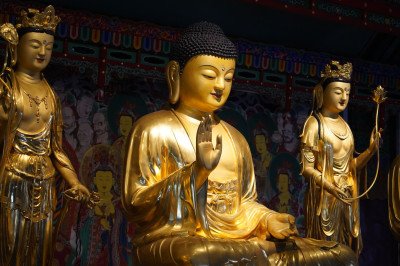 The Jetavana Monastery is perhaps the most famous Buddhist site in the world, having served as the residence of Lord Buddha for 24 monsoon seasons. Located in the ancient town of Shravasti, this monastery was gifted by the wealthy merchant Anathapindika, who covered the ground with gold coins to purchase it from Prince Jeta. It is a site of immense historical and spiritual weight, as it was here that Buddha delivered the majority of his discourses. Walking through the ruins, one can feel the ancient presence of the Sangha. The site contains the ruins of the Gandhakuti (Buddha’s fragrant hut), where the Enlightened One lived. Today, it is a serene park filled with Bodhi trees, including the famous Anandabodhi tree, which was planted by Anathapindika. The monastery grounds are dotted with the remains of stupas, meditation cells, and assembly halls that date back to the 3rd century BCE. It attracts monks and practitioners from across the globe who come to chant and meditate under the shade of its ancient trees. The archaeological excavations led by Alexander Cunningham brought these ruins back to light, revealing the architectural grandeur of ancient India. The peaceful environment, coupled with the sound of wind rustling through the leaves, creates a meditative state for all visitors. It serves as a living museum of Buddhist history, representing the zenith of Shravasti's importance during the 6th century BCE. The monastery is not just a pile of bricks but a symbol of the ultimate quest for truth and peace. It is an essential stop for any Buddhist pilgrim on the path of enlightenment. The site remains well-maintained by the Archaeological Survey of India, ensuring its legacy for future generations. Each brick here tells a story of devotion, charity, and the timeless teachings of the Buddha that continue to inspire millions today.
 The Ananda Bodhi Tree is a sacred Peepal tree located within the Jetavana Monastery in Shravasti. It holds immense spiritual significance as it was planted at the request of the disciple Ananda to represent the Buddha when he was away. This tree is a sapling of the original Maha Bodhi Tree from Bodh Gaya, brought here centuries ago. Devotees from around the world visit this spot to offer prayers, light lamps, and perform circumambulations. The atmosphere around the tree is incredibly peaceful, making it a perfect spot for deep meditation and reflection. It stands as a living witness to the ancient Buddhist traditions that flourished in this region. Many believe that meditating under this tree provides a direct connection to the Buddha's energy. The tree is surrounded by a protective iron railing and small prayer flags that flutter in the breeze. It remains a central point of pilgrimage for those following the Buddhist path. The historical records of Chinese travelers like Fa-Hien also mention the importance of this site.
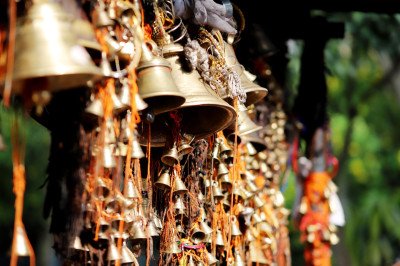 Shobnath Temple is a highly significant pilgrimage site for the Jain community, believed to be the birthplace of Lord Sambhavnath, the third Tirthankara. Located at the edge of the Mahet archaeological area, it is an ancient shrine that has been reconstructed over the centuries. The temple stands on a high rectangular platform, offering a commanding view of the surrounding ruins. It represents the deep Jain roots in Shravasti, which was once a major center for multiple religions. Historically, the site is also associated with the penance of the Jain monks and the teachings of the Tirthankaras. The architecture of the temple is a blend of various periods, reflecting the repairs and additions made by different devotees over time. Inside, one can find the idol of Lord Rishabhdev (the first Tirthankara) in a seated posture, alongside other Jain artifacts. The atmosphere is extremely peaceful, making it an ideal place for spiritual contemplation and Jain rituals. Many devotees believe that performing prayers here helps in achieving mental clarity and spiritual growth. The temple's location within the fortified walls of the ancient city adds to its historical charm. It is a site where Jainism and Buddhism coexisted for centuries, contributing to the rich pluralistic culture of ancient India. During Mahavir Jayanti and other Jain festivals, the temple becomes a center of vibrant activity and religious discourse. The presence of ancient stone carvings and inscriptions provides valuable insights into the Jain traditions of the region. It is often visited by Jain pilgrims who are on the circuit of Tirthankara birthplaces across India. The temple is a quiet, dignified space that honors the legacy of non-violence and asceticism. Its proximity to the Buddhist ruins makes it a vital part of the inter-faith dialogue that Shravasti promotes. For any visitor, Shobnath Temple offers a unique perspective on the ancient religious landscape of North India and the enduring power of Jain philosophy.
The Chinese Temple in Shravasti is a beautiful modern addition to the town’s spiritual landscape. Built by the Chinese Buddhist community, it reflects the distinct architectural and cultural traditions of China. The temple serves as a residence and place of worship for pilgrims coming from East Asia. Inside the main hall, there is a magnificent statue of the Buddha, often adorned with traditional Chinese silk and offerings. The walls are decorated with intricate paintings depicting the life of the Buddha and various Buddhist deities. The temple complex also includes a peaceful courtyard and a meditation hall where visitors can participate in quiet reflection. It is known for its cleanliness and the disciplined lifestyle of the resident monks. The temple plays a significant role in fostering international Buddhist relations. Visitors are often greeted with traditional Chinese tea and a warm hospitality. The site is a vibrant example of how Buddhism has evolved and spread across different cultures. It provides a stark contrast to the ancient ruins of Sahet-Mahet with its bright colors and modern structure. It is a must-visit for those interested in the global diversity of Buddhist practice.
The Vibhuti Nath Temple is one of the most revered Hindu shrines in the Shravasti district. According to local legends and the Mahabharata, the foundation of this temple was laid by the Pandavas during their period of exile. It is said that Bhima established this lingam to seek the blessings of Lord Shiva. The temple is nestled deep within the lush green forests, providing a tranquil and spiritual atmosphere. The name 'Vibhuti' refers to the sacred ash associated with Shiva, symbolizing the ultimate truth of life. During the holy month of Shravan, the temple attracts millions of devotees from across India and Nepal. The trek to the temple through the forest adds an element of adventure to the pilgrimage. The aura of the place is incredibly powerful, with the constant chanting of "Om Namah Shivaya" echoing through the woods. The temple complex has undergone several renovations, but the core 'Garbhagriha' remains ancient. It serves as a symbol of faith that has survived through centuries of historical changes. Pilgrims often take a dip in the nearby natural streams before offering prayers. The surrounding wildlife sanctuary adds a unique natural charm to this religious site. For many, a visit to Vibhuti Nath is a journey of both physical endurance and spiritual awakening. It is a place where the boundaries between nature and divinity seem to blur.
@@Story of Redemption: Pakki Kuti is identified as the stupa of Angulimala, the dreaded dacoit who was converted by Lord Buddha. Legend says he wore a necklace of 999 human fingers and was looking for the 1000th when he met the Buddha. The encounter changed his life, and he became a peaceful monk. This stupa was built to commemorate his transformation and the Buddha's power of compassion. It is the largest mound in the Mahet area and stands as a symbol of hope. The structure has undergone many renovations over the centuries, reflecting the devotion of various kings. Visitors come here to reflect on the message that no one is beyond redemption. The ruins are massive and provide a sense of the ancient city's scale.
The Korean Temple, officially known as Dae Sung Shakya, is a modern spiritual masterpiece that reflects the cultural bond between South Korea and India. Built in recent decades, it serves as a prominent center for Buddhist studies and meditation within the Shravasti pilgrimage circuit. The temple is easily recognizable by its distinct East Asian architectural style, featuring sloping roofs and vibrant ornamental paintings. It provides a peaceful sanctuary for travelers looking for a quiet place to pray or meditate. The complex is remarkably spacious and includes a grand meditation hall where the vibes are exceptionally positive and calming. Interestingly, the temple also runs a primary school where local children are taught, bridging the gap between Korean culture and Indian society. The large statue of Mahatma Buddha at the entrance is a sight to behold, radiating compassion and serenity. The guest house within the temple premises is one of the best in the area, offering clean and simple accommodations for over 200 pilgrims. Staying here provides a unique opportunity to witness the daily routines of Buddhist monks and participate in their morning prayers. The temple is surrounded by lush green gardens, making it a perfect spot for nature lovers. It stands as a symbol of the global reach of Buddhism and the efforts of the Korean community to preserve the sanctity of Shravasti. The interior of the temple is decorated with intricate murals depicting the life of Buddha and traditional Korean motifs. Visitors often praise the hospitality of the monks and the overall cleanliness of the facility. It is a place where one can experience "Dhamma" in its purest form, away from the commercial noise of major tourist hubs. The Korean Temple is a bridge of friendship, built on the shared heritage of the Great Teacher, making it a unique addition to the ancient ruins of the city.Show All
Anathapindika Stupa, popularly known as Kachchi Kuti, is a massive excavated structure in the Mahet area of Shravasti. It was built by Anathapindika, the wealthiest merchant of the time and a chief lay disciple of the Buddha. The name Kachchi Kuti originated from a small unbaked brick temple that was once situated on top of the mound. Archaeological excavations have revealed layers of construction dating from the 2nd Century AD to the 12th Century AD. The stupa is believed to contain relics and marks the spot where the merchant's house or a significant temple once stood. Visitors can climb the stairs to the top of the mound to get a panoramic view of the ancient city's ruins. The structural remains showcase the advanced urban planning of ancient India. It is a site of great interest for historians and pilgrims alike. The site is managed by the Archaeological Survey of India (ASI) and is well-preserved. Many scholars also link this site to Brahmanical temples due to certain findings. It remains a symbol of the immense wealth and devotion dedicated to Buddhism in ancient times.
Shobnath Temple is a highly significant pilgrimage site for the Jain community, believed to be the birthplace of Lord Sambhavnath, the third Tirthankara. Located at the edge of the Mahet archaeological area, it is an ancient shrine that has been reconstructed over the centuries. The temple stands on a high rectangular platform, offering a commanding view of the surrounding ruins. It represents the deep Jain roots in Shravasti, which was once a major center for multiple religions. Historically, the site is also associated with the penance of the Jain monks and the teachings of the Tirthankaras. The architecture of the temple is a blend of various periods, reflecting the repairs and additions made by different devotees over time. Inside, one can find the idol of Lord Rishabhdev (the first Tirthankara) in a seated posture, alongside other Jain artifacts. The atmosphere is extremely peaceful, making it an ideal place for spiritual contemplation and Jain rituals. Many devotees believe that performing prayers here helps in achieving mental clarity and spiritual growth. The temple's location within the fortified walls of the ancient city adds to its historical charm. It is a site where Jainism and Buddhism coexisted for centuries, contributing to the rich pluralistic culture of ancient India. During Mahavir Jayanti and other Jain festivals, the temple becomes a center of vibrant activity and religious discourse. The presence of ancient stone carvings and inscriptions provides valuable insights into the Jain traditions of the region. It is often visited by Jain pilgrims who are on the circuit of Tirthankara birthplaces across India. The temple is a quiet, dignified space that honors the legacy of non-violence and asceticism. Its proximity to the Buddhist ruins makes it a vital part of the inter-faith dialogue that Shravasti promotes. For any visitor, Shobnath Temple offers a unique perspective on the ancient religious landscape of North India and the enduring power of Jain philosophy.
The Chinese Temple in Shravasti is a beautiful modern addition to the town’s spiritual landscape. Built by the Chinese Buddhist community, it reflects the distinct architectural and cultural traditions of China. The temple serves as a residence and place of worship for pilgrims coming from East Asia. Inside the main hall, there is a magnificent statue of the Buddha, often adorned with traditional Chinese silk and offerings. The walls are decorated with intricate paintings depicting the life of the Buddha and various Buddhist deities. The temple complex also includes a peaceful courtyard and a meditation hall where visitors can participate in quiet reflection. It is known for its cleanliness and the disciplined lifestyle of the resident monks. The temple plays a significant role in fostering international Buddhist relations. Visitors are often greeted with traditional Chinese tea and a warm hospitality. The site is a vibrant example of how Buddhism has evolved and spread across different cultures. It provides a stark contrast to the ancient ruins of Sahet-Mahet with its bright colors and modern structure. It is a must-visit for those interested in the global diversity of Buddhist practice.
The Vibhuti Nath Temple is one of the most revered Hindu shrines in the Shravasti district. According to local legends and the Mahabharata, the foundation of this temple was laid by the Pandavas during their period of exile. It is said that Bhima established this lingam to seek the blessings of Lord Shiva. The temple is nestled deep within the lush green forests, providing a tranquil and spiritual atmosphere. The name 'Vibhuti' refers to the sacred ash associated with Shiva, symbolizing the ultimate truth of life. During the holy month of Shravan, the temple attracts millions of devotees from across India and Nepal. The trek to the temple through the forest adds an element of adventure to the pilgrimage. The aura of the place is incredibly powerful, with the constant chanting of "Om Namah Shivaya" echoing through the woods. The temple complex has undergone several renovations, but the core 'Garbhagriha' remains ancient. It serves as a symbol of faith that has survived through centuries of historical changes. Pilgrims often take a dip in the nearby natural streams before offering prayers. The surrounding wildlife sanctuary adds a unique natural charm to this religious site. For many, a visit to Vibhuti Nath is a journey of both physical endurance and spiritual awakening. It is a place where the boundaries between nature and divinity seem to blur.
@@Story of Redemption: Pakki Kuti is identified as the stupa of Angulimala, the dreaded dacoit who was converted by Lord Buddha. Legend says he wore a necklace of 999 human fingers and was looking for the 1000th when he met the Buddha. The encounter changed his life, and he became a peaceful monk. This stupa was built to commemorate his transformation and the Buddha's power of compassion. It is the largest mound in the Mahet area and stands as a symbol of hope. The structure has undergone many renovations over the centuries, reflecting the devotion of various kings. Visitors come here to reflect on the message that no one is beyond redemption. The ruins are massive and provide a sense of the ancient city's scale.
The Korean Temple, officially known as Dae Sung Shakya, is a modern spiritual masterpiece that reflects the cultural bond between South Korea and India. Built in recent decades, it serves as a prominent center for Buddhist studies and meditation within the Shravasti pilgrimage circuit. The temple is easily recognizable by its distinct East Asian architectural style, featuring sloping roofs and vibrant ornamental paintings. It provides a peaceful sanctuary for travelers looking for a quiet place to pray or meditate. The complex is remarkably spacious and includes a grand meditation hall where the vibes are exceptionally positive and calming. Interestingly, the temple also runs a primary school where local children are taught, bridging the gap between Korean culture and Indian society. The large statue of Mahatma Buddha at the entrance is a sight to behold, radiating compassion and serenity. The guest house within the temple premises is one of the best in the area, offering clean and simple accommodations for over 200 pilgrims. Staying here provides a unique opportunity to witness the daily routines of Buddhist monks and participate in their morning prayers. The temple is surrounded by lush green gardens, making it a perfect spot for nature lovers. It stands as a symbol of the global reach of Buddhism and the efforts of the Korean community to preserve the sanctity of Shravasti. The interior of the temple is decorated with intricate murals depicting the life of Buddha and traditional Korean motifs. Visitors often praise the hospitality of the monks and the overall cleanliness of the facility. It is a place where one can experience "Dhamma" in its purest form, away from the commercial noise of major tourist hubs. The Korean Temple is a bridge of friendship, built on the shared heritage of the Great Teacher, making it a unique addition to the ancient ruins of the city.Show All
Anathapindika Stupa, popularly known as Kachchi Kuti, is a massive excavated structure in the Mahet area of Shravasti. It was built by Anathapindika, the wealthiest merchant of the time and a chief lay disciple of the Buddha. The name Kachchi Kuti originated from a small unbaked brick temple that was once situated on top of the mound. Archaeological excavations have revealed layers of construction dating from the 2nd Century AD to the 12th Century AD. The stupa is believed to contain relics and marks the spot where the merchant's house or a significant temple once stood. Visitors can climb the stairs to the top of the mound to get a panoramic view of the ancient city's ruins. The structural remains showcase the advanced urban planning of ancient India. It is a site of great interest for historians and pilgrims alike. The site is managed by the Archaeological Survey of India (ASI) and is well-preserved. Many scholars also link this site to Brahmanical temples due to certain findings. It remains a symbol of the immense wealth and devotion dedicated to Buddhism in ancient times.Information
-
Why Famous:
The Twin Miracle: It is world-renowned as the site where Buddha manifested multiple forms of himself to silence critics, a key event in Buddhist iconography and lore.
Rainy Season Retreats: It holds the record for being the place where the B...The Twin Miracle: It is world-renowned as the site where Buddha manifested multiple forms of himself to silence critics, a key event in Buddhist iconography and lore.
Rainy Season Retreats: It holds the record for being the place where the Buddha spent 24 monsoons, making it the most significant center for his teaching career after enlightenment.
Jain Tirthankara Birthplace: The city is a major stop on the Jain circuit, famous for the Sobhnath temple which marks the divine birth of the third Jain saint. -
Architecture:
Anandabodhi Tree: Located within the Jetavana complex, this tree was planted from a sapling of the original Bodhi Tree in Bodh Gaya and stands as a living architectural monument.
Stupa Foundations: The foundations of the Sahet-Mahet ruins co...Anandabodhi Tree: Located within the Jetavana complex, this tree was planted from a sapling of the original Bodhi Tree in Bodh Gaya and stands as a living architectural monument.
Stupa Foundations: The foundations of the Sahet-Mahet ruins cover an area of several square kilometers, with brick structures showing the evolution of Buddhist architecture over 800 years.
Monastery Layout: The excavated viharas feature rectangular layouts with a central courtyard and surrounding cells, measuring approximately 30 meters by 20 meters for larger complexes. -
How To Reach:
By Air: The nearest airport is Lucknow (LKO), approximately 175 KM away; however, a small airport in Shravasti is being developed to connect with the Buddhist circuit.
By Train: Balrampur (BLP) is the nearest railway station at 17 KM, while...By Air: The nearest airport is Lucknow (LKO), approximately 175 KM away; however, a small airport in Shravasti is being developed to connect with the Buddhist circuit.
By Train: Balrampur (BLP) is the nearest railway station at 17 KM, while Gonda Junction (GD) at 50 KM is a major railhead connected to Delhi and Gorakhpur.
By Road: Shravasti is well-connected by road to Lucknow, Gonda, and Balrampur; regular bus services and private taxis are available for the 3-4 hour journey from Lucknow.
By Local Transport: Auto-rickshaws and battery-operated e-rickshaws are the most common ways to travel between the various stupas and the international temple cluster. -
Weather and Best Time to Visit:
Post-Monsoon (Oct-Nov): The weather is mild and the countryside is lush and green after the rains, making it the most beautiful time for outdoor exploration and photography.
Winter Season (Dec-Feb): This is the peak pilgrimage time with temp...Post-Monsoon (Oct-Nov): The weather is mild and the countryside is lush and green after the rains, making it the most beautiful time for outdoor exploration and photography.
Winter Season (Dec-Feb): This is the peak pilgrimage time with temperatures between 8°C and 22°C; it is ideal for walking through the extensive ruins without getting tired.
Spring (Mar-Apr): The weather begins to warm up but remains manageable, offering clear blue skies which are excellent for capturing the architectural details of the stupas. -
Near Tourist Places:
Balrampur (17 KM), Lucknow (175 KM), Ayodhya (110 KM), Kushinagar (240 KM), Lumbini (Nepal) (190 KM), Gonda (50 KM), Basti (115 KM), Gorakhpur (180 KM), Siddharthnagar (120 KM), Faizabad (115 KM)
Tourism Tips
-
Health & Safety: Carry your own basic first-aid kit and any necessary medications, as specialized medical facilities are limited in the immediate vicinity of the pilgrimage sites.
Packing Tips: Include a sturdy pair of walking shoes for the ...Health & Safety: Carry your own basic first-aid kit and any necessary medications, as specialized medical facilities are limited in the immediate vicinity of the pilgrimage sites.
Packing Tips: Include a sturdy pair of walking shoes for the ruins and a light shawl or jacket for the cool winter evenings; also carry a portable power bank for long tours.
Accommodation Choices: Stay at the various international monasteries (like the Thai Monastery) for a unique experience, or choose from several modern hotels located on the main road.
Cultural Respect: Maintain silence within the Jetavana monastery and the meditation areas; always dress conservatively to respect the sentiments of the monks and local devotees.
Reviews
FAQs
Shravasti Itineray And Cost:-
Other Places In Uttar Pradesh :-
Other States In India :-
Information about New and Updated Locations() of Uttar Pradesh Has Been Added :-
Card subtitle
Note:-
Information provided here in good Faith and for reference only.
Near Places
Agra
Some quick example text to build on the card title and make up the bulk of the card's content.
Go somewhere
Aligarh
Some quick example text to build on the card title and make up the bulk of the card's content.
Go somewhere
Ayodhya
Some quick example text to build on the card title and make up the bulk of the card's content.
Go somewhere
Azamgarh
Some quick example text to build on the card title and make up the bulk of the card's content.
Go somewhere
Bahraich
Some quick example text to build on the card title and make up the bulk of the card's content.
Go somewhere
Bareilly
Some quick example text to build on the card title and make up the bulk of the card's content.
Go somewhere
Chitrakoot
Some quick example text to build on the card title and make up the bulk of the card's content.
Go somewhere
Fatehpur Sikri
Some quick example text to build on the card title and make up the bulk of the card's content.
Go somewhere
Ghaziabad
Some quick example text to build on the card title and make up the bulk of the card's content.
Go somewhere
Gorakhpur
Some quick example text to build on the card title and make up the bulk of the card's content.
Go somewhere
Hastinapur
Some quick example text to build on the card title and make up the bulk of the card's content.
Go somewhere
Jhansi
Some quick example text to build on the card title and make up the bulk of the card's content.
Go somewhere
Kanpur
Some quick example text to build on the card title and make up the bulk of the card's content.
Go somewhere
Kushinagar
Some quick example text to build on the card title and make up the bulk of the card's content.
Go somewhere
Lucknow
Some quick example text to build on the card title and make up the bulk of the card's content.
Go somewhere
Mathura
Some quick example text to build on the card title and make up the bulk of the card's content.
Go somewherein Other Cities