

Ayodhya
General information
-
Ideal Duration:
1 to 2 DaysPlace Type:
Pilgrimage & SpiritualEntry Fees:
Most temples in Ayodhya, including the Ram Mandir, are free to enter. There are no charges for visiting the ghats or public parks. Some museums or private shrines may have a very small fee. Donations are voluntary and not mandatory for visitors.
Cloakroom Fees: ...Most temples in Ayodhya, including the Ram Mandir, are free to enter. There are no charges for visiting the ghats or public parks. Some museums or private shrines may have a very small fee. Donations are voluntary and not mandatory for visitors.
Cloakroom Fees: There are free or low-cost cloakrooms for keeping bags and shoes. Cameras and mobile phones may be restricted in some high-security areas. It is advisable to use official lockers provided by the temple trust. Small fees may apply for specialized services.Timing:
Temple Timings: Temples generally open early at 5:00 AM and close by 9:00 PM. There is usually a break in the afternoon from 12:00 PM to 4:00 PM. The Ram Mandir has specific slots for darshan and aarti. It is better to check the official trust website for updates.Temple Timings: Temples generally open early at 5:00 AM and close by 9:00 PM. There is usually a break in the afternoon from 12:00 PM to 4:00 PM. The Ram Mandir has specific slots for darshan and aarti. It is better to check the official trust website for updates.
Best Time: Early morning is the most peaceful time for a holy dip and prayers. Late evening is perfect for witnessing the Sarayu Aarti. During festivals, the city remains active throughout the night. The winter season offers the most comfortable weather for walking.Special Events:
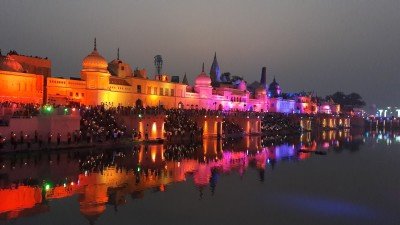
Deepotsav: This is a grand event held on the eve of Diwali. Millions of Diyas (lamps) are lit along the banks of Sarayu. Laser shows and cultural performances tell the story of the Ramayana. It has become a world-renowned festival in recent years.
Read MoreDeepotsav: This is a grand event held on the eve of Diwali. Millions of Diyas (lamps) are lit along the banks of Sarayu. Laser shows and cultural performances tell the story of the Ramayana. It has become a world-renowned festival in recent years.
Ram Navami: Celebrating the birth anniversary of Lord Rama in March or April. The city is decorated with flowers and lights. Huge processions are taken out through the main streets. Thousands of devotees stand in long queues for a glimpse of the deity.Best Photo Spots:
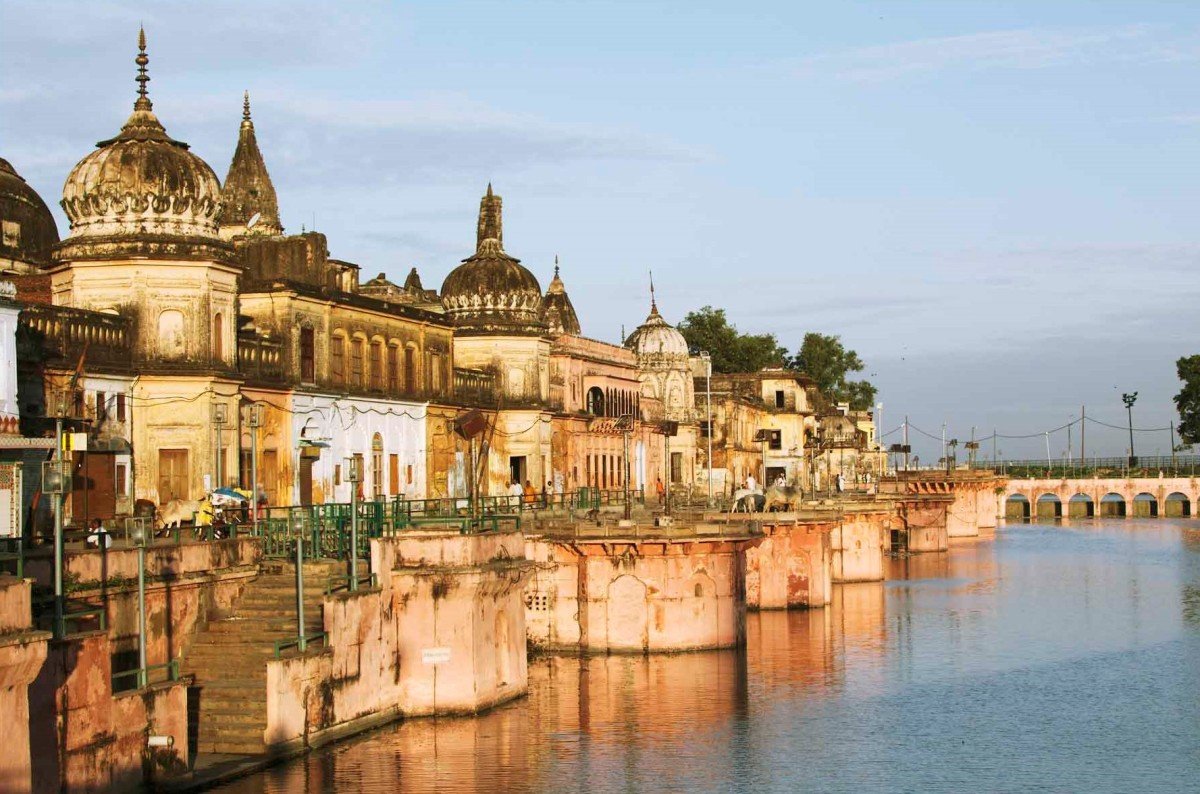
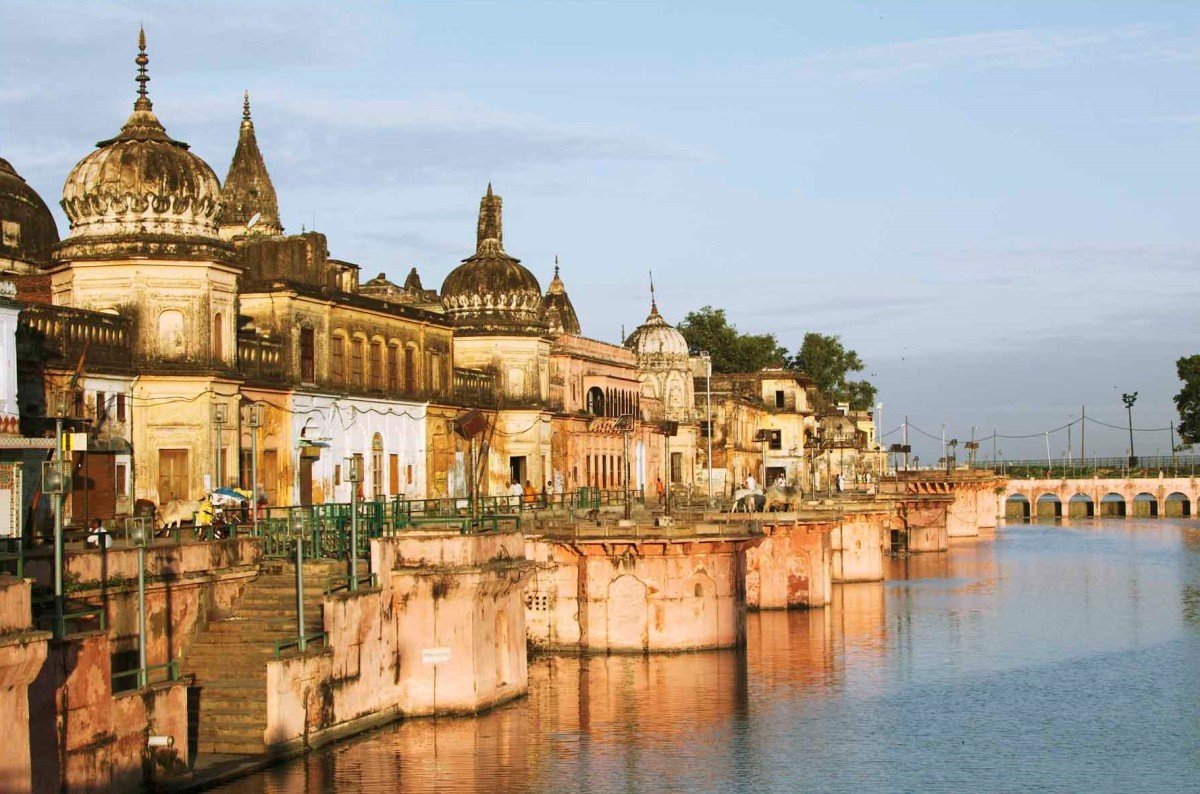
Ram Ki Paidi: The long stretch of ghats offers a perfect wide-angle shot. The colorful buildings and their reflection in the water are iconic. It is best photographed during the blue hour after sunset. The illuminated arches create a grand visual frame.
Read MoreRam Ki Paidi: The long stretch of ghats offers a perfect wide-angle shot. The colorful buildings and their reflection in the water are iconic. It is best photographed during the blue hour after sunset. The illuminated arches create a grand visual frame.
Hanuman Garhi Stairs: The steep flight of stairs leading to the temple is a great spot. It gives a view of the bustling street and the fortress walls. Capturing the devotees in their colorful attire adds a human touch. The top offers a bird's eye view of the city.Photo Gallery
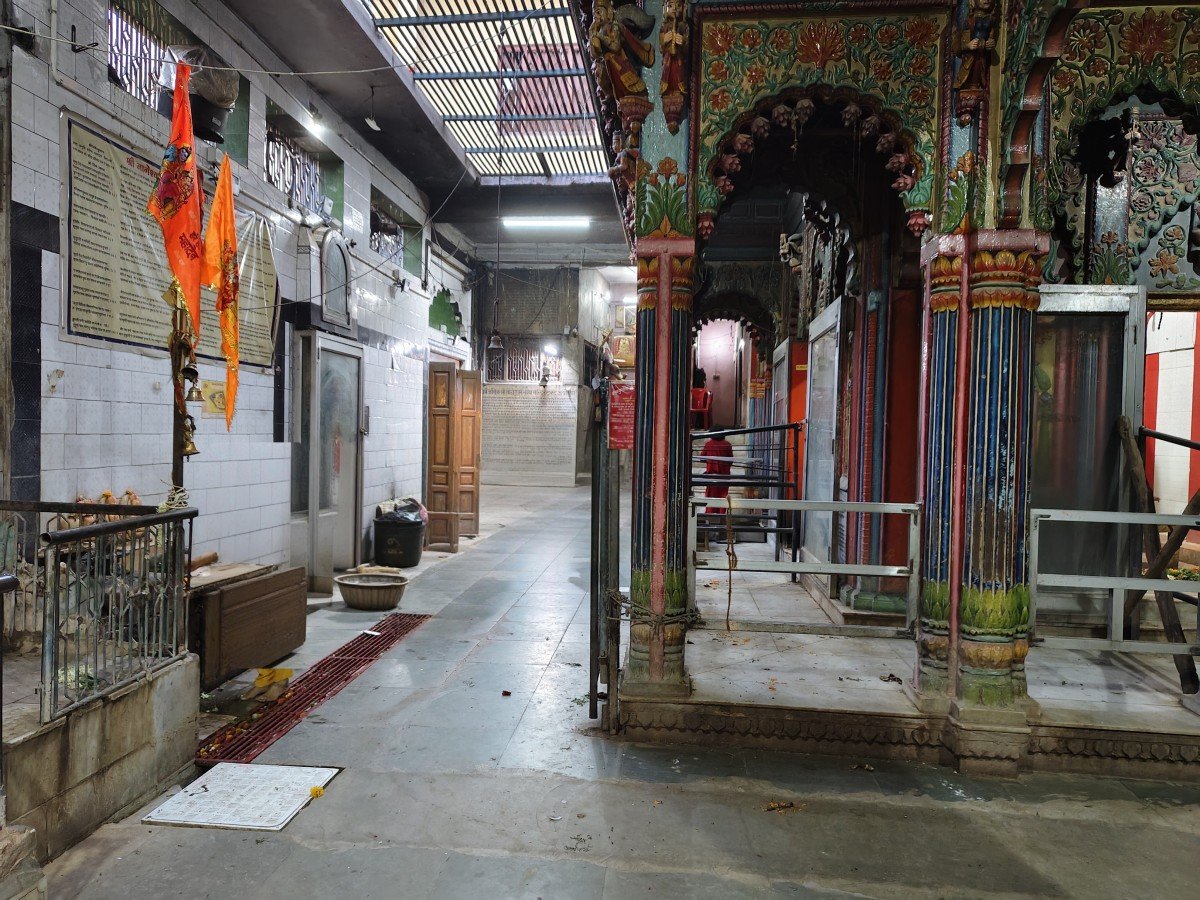
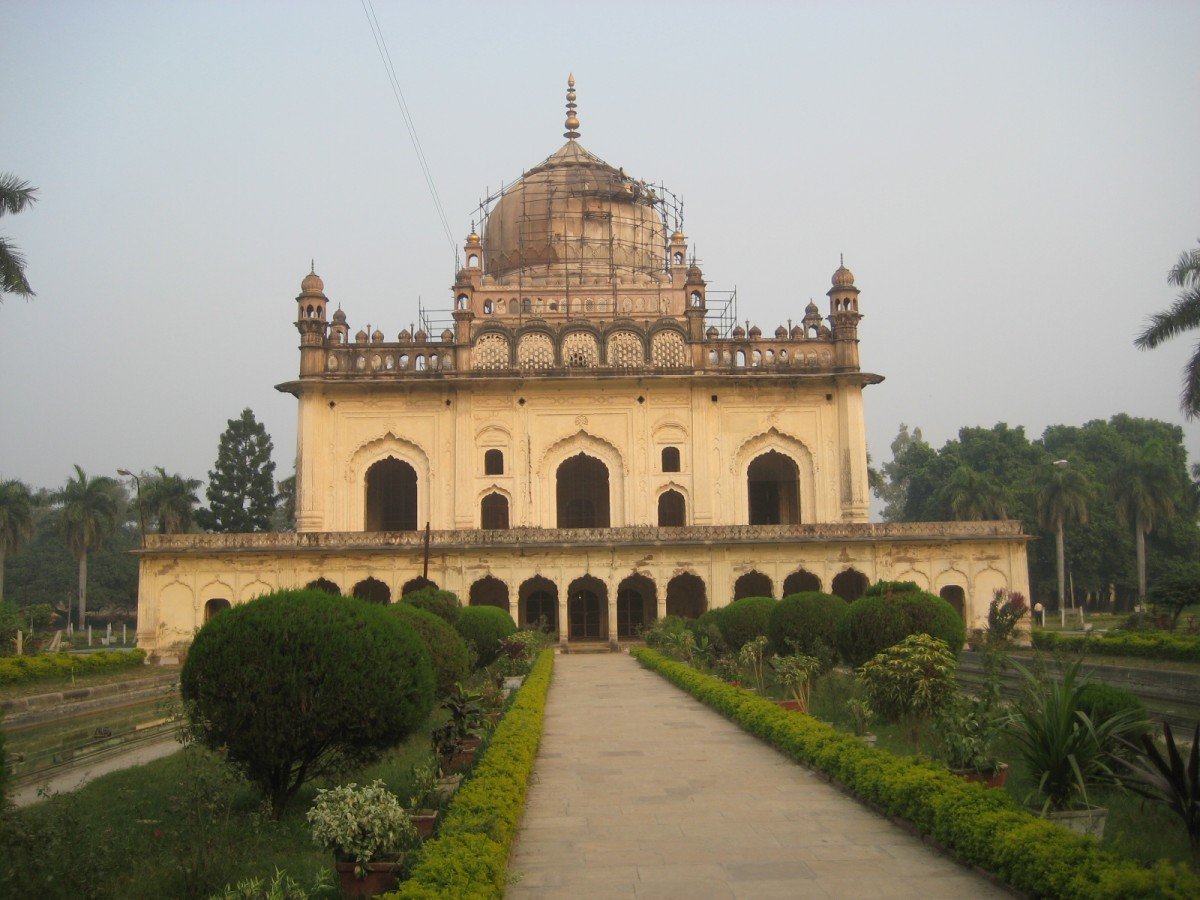
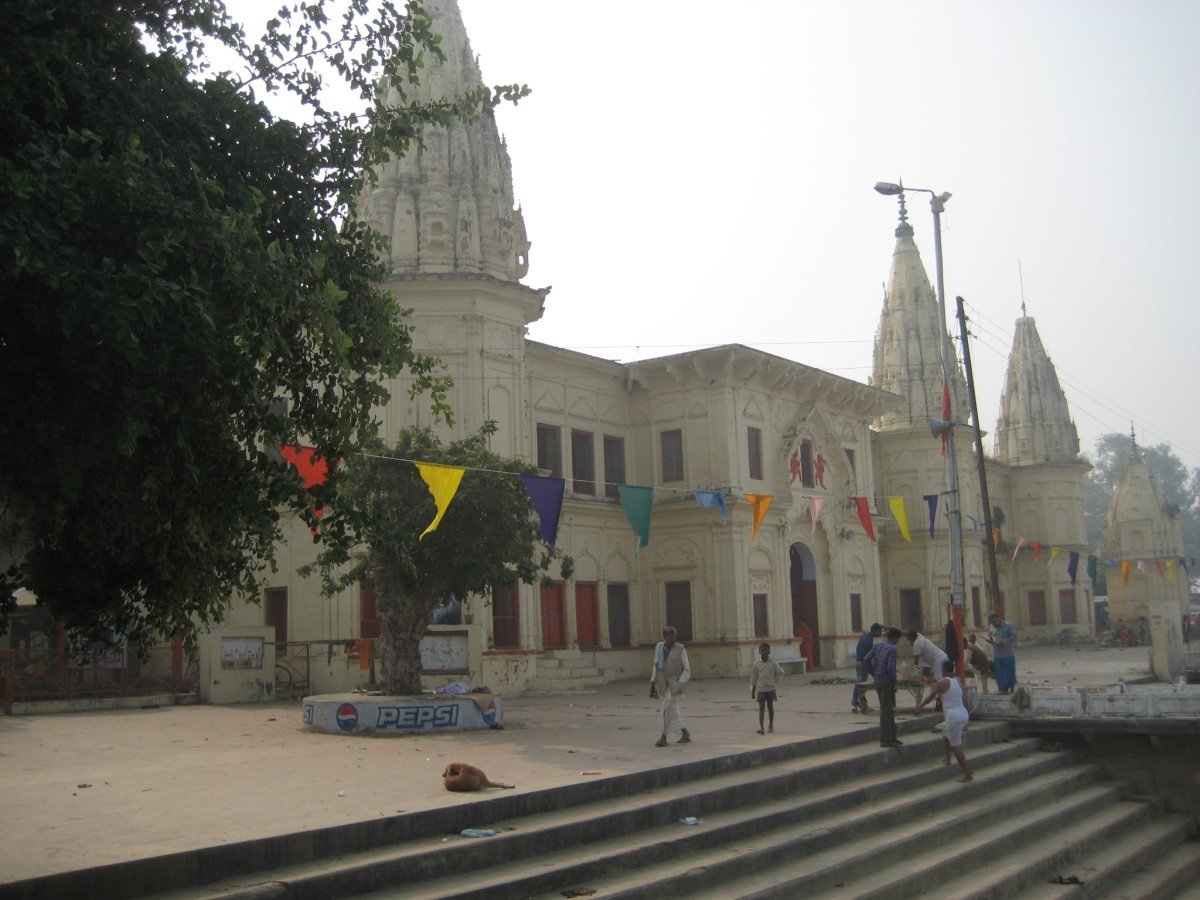
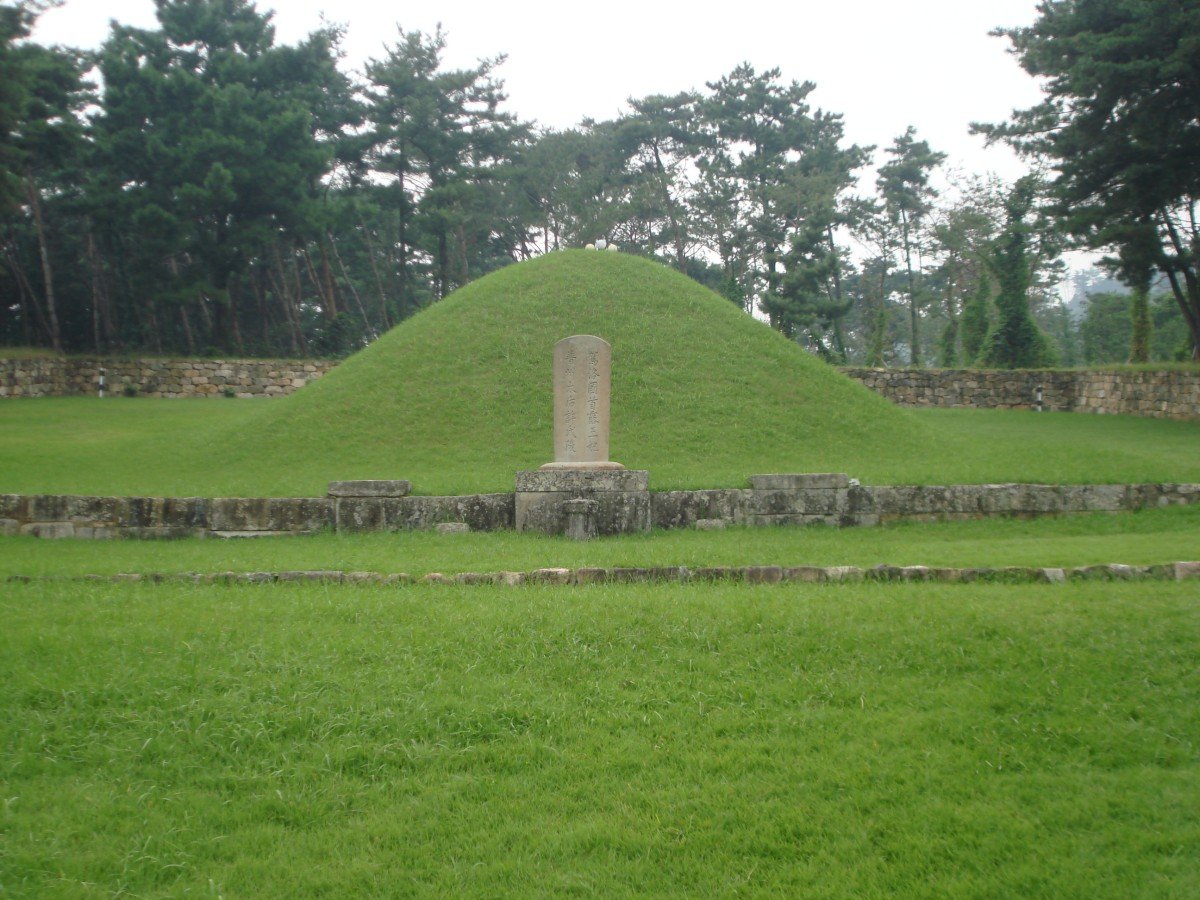
Things To Do
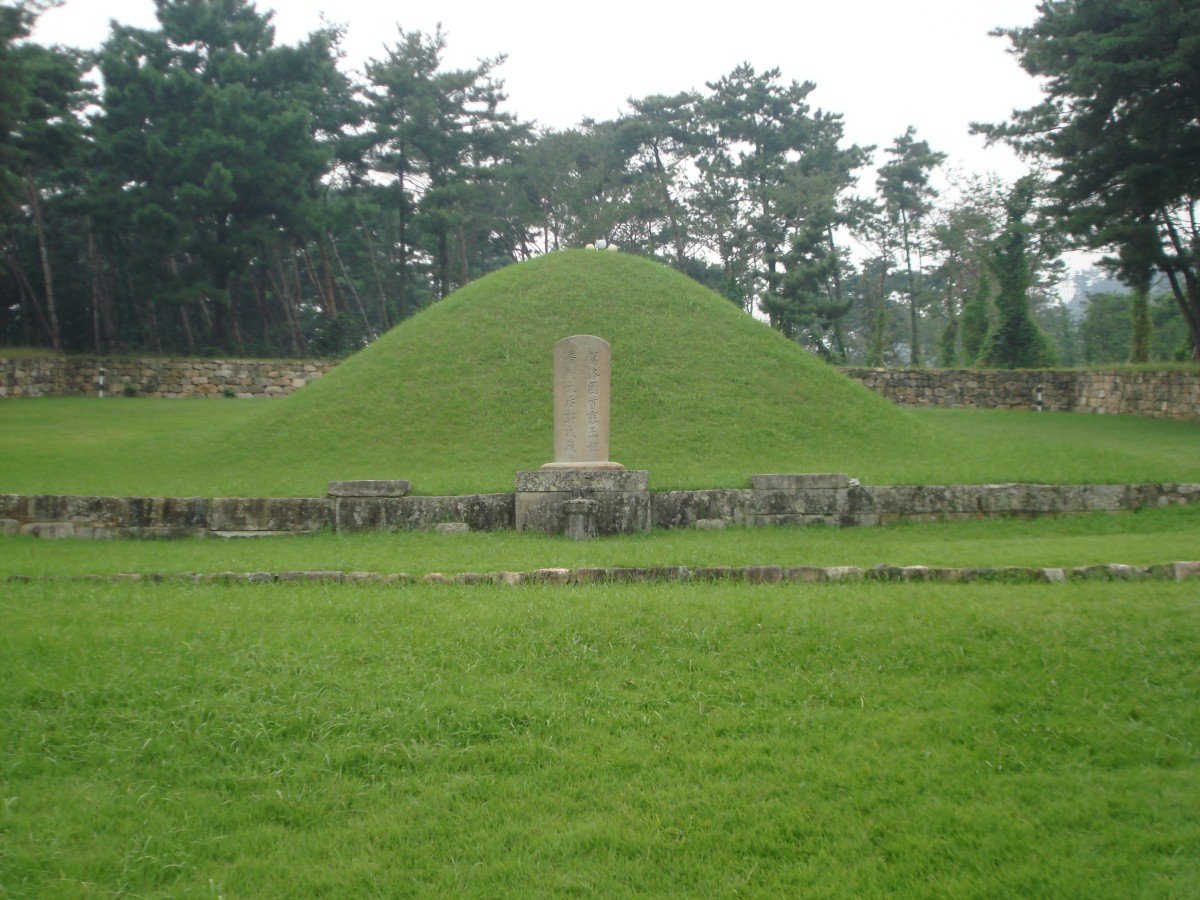
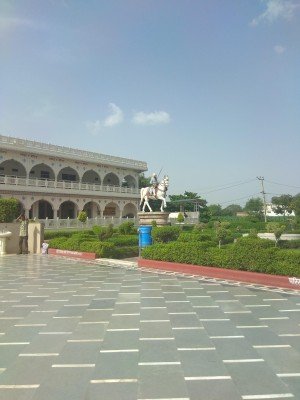
 @@Purpose and Design: Ram Katha Park is a large, beautifully landscaped park designed to serve as an open-air theatre and venue for religious and cultural events. Its primary purpose is to provide a spacious, peaceful location for the Katha Vachans (recitals of the Ramayana and other scriptures), dance performances, poetry sessions, and bhajans (devotional songs). The park was specifically created to alleviate the pressure of crowds on the smaller, congested sacred spots in the main temple area, offering a tranquil space for spiritual gatherings: @@Atmosphere: It is known for its lush green lawns, well-maintained gardens, and the serene atmosphere it offers, making it a popular spot for both locals and tourists seeking a moment of peace. It's an important part of Ayodhya's spiritual infrastructure, ensuring that the city has a dedicated venue for large-scale devotional programs throughout the year: @@Korean Connection: The park also housed the original Queen Heo Hwang-ok Memorial (now relocated and expanded nearby), further cementing its importance as a center for international cultural exchange and tranquility:
 Kanak Bhawan's history is steeped in the Treta Yuga (the age of Lord Rama), where it served as the original personal palace gifted to Sita by Kaikeyi, establishing its profound spiritual status as the conjugal home of the divine couple; the temple has a storied reconstruction history, believed to have been rebuilt by Lord Rama's son Kush, then renovated by King Vikramaditya, and later extensively rebuilt in the 19th century by Maharani Vrishabhanu Kunwari; the presence of three distinct pairs of highly adorned Rama and Sita idols in the main sanctum is a unique feature, symbolizing different periods of the palace's history and the continuous worship of the deities; the opulence and meticulous detail of the architecture, which reflects the Rajasthani and Bundelkhand styles, are a testament to the devotion of the royal patrons; the temple is a major focal point for festivals related to the life of Sita, such as Janaki Navami (her birthday), as it celebrates her domestic life with Lord Rama.
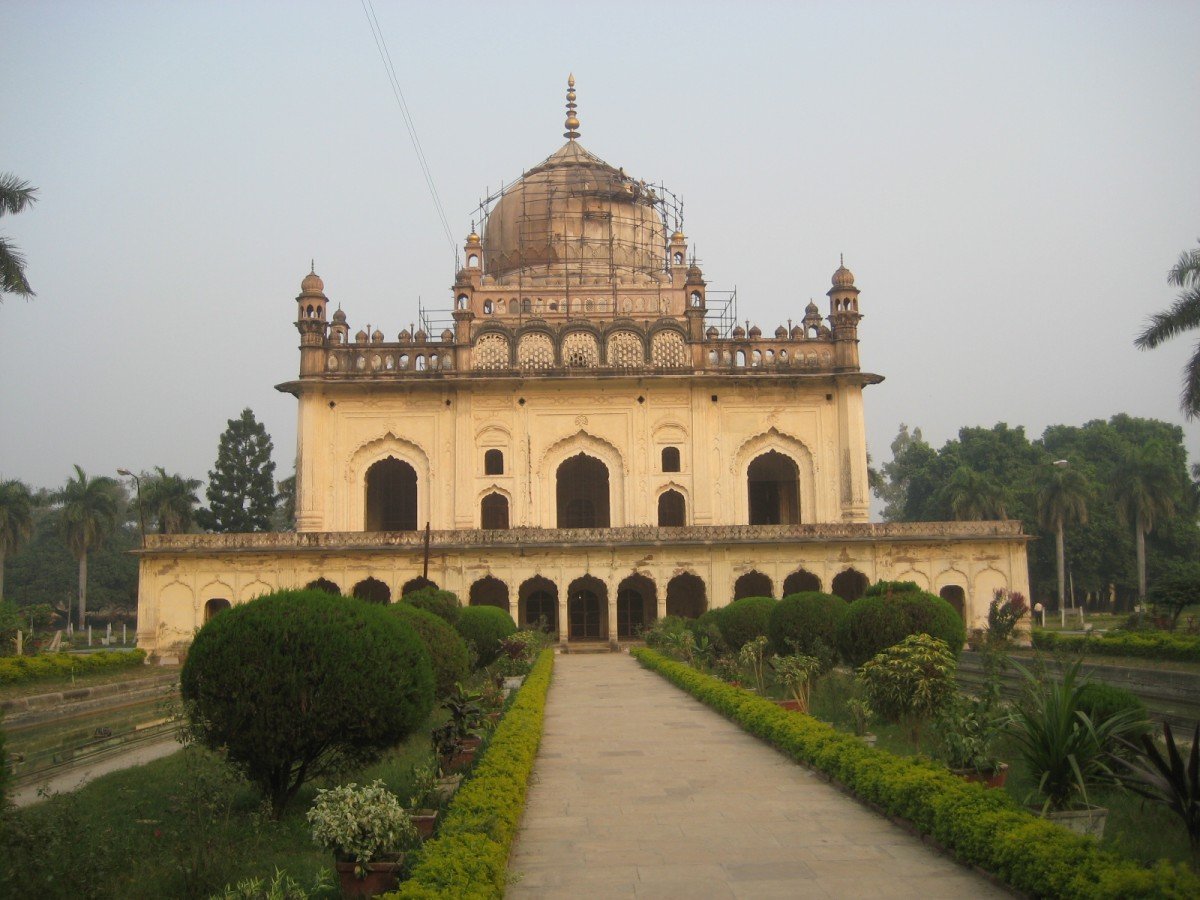
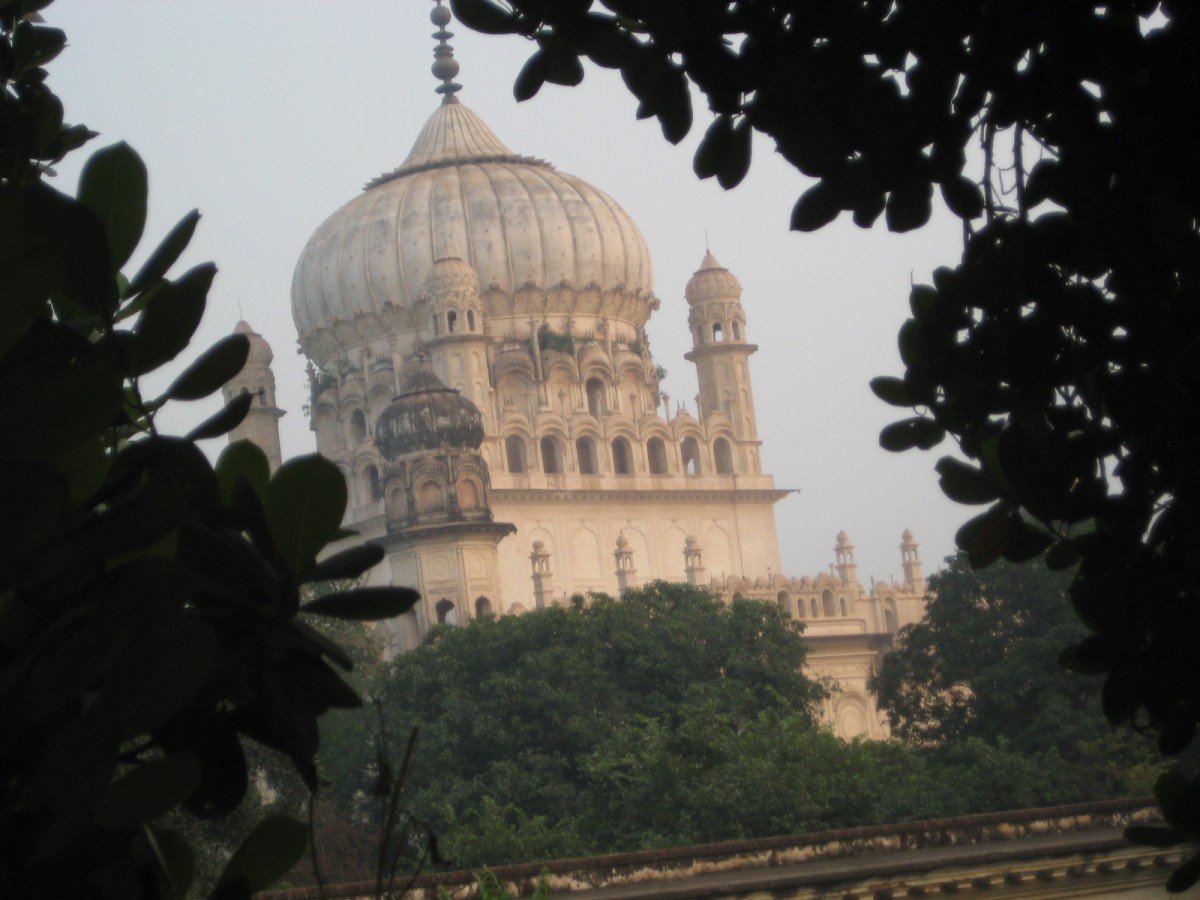
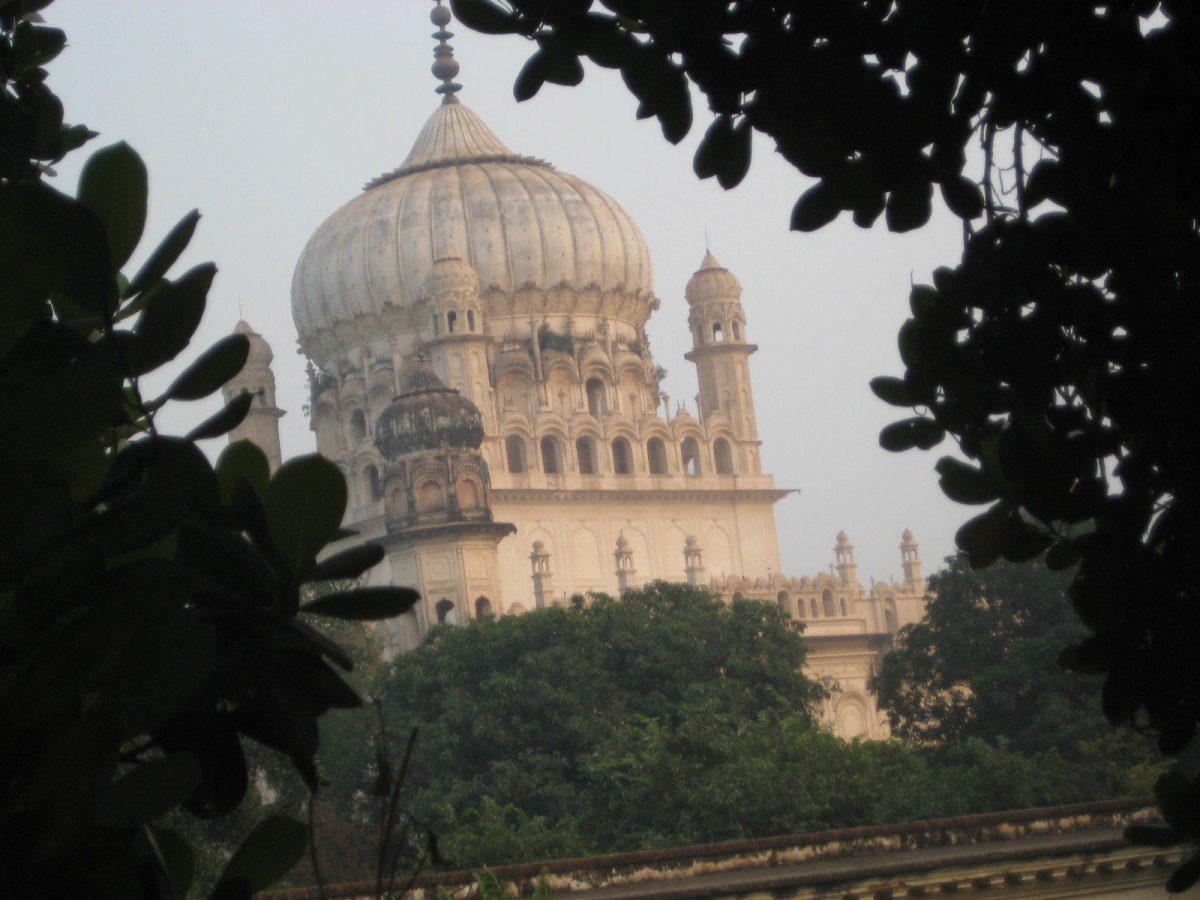
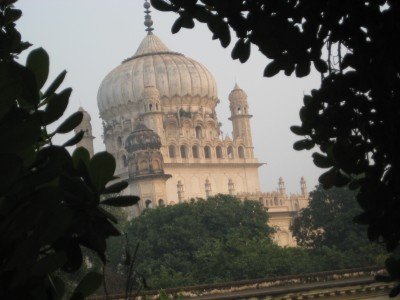 Bahu Begum ka Maqbara stands as a magnificent tribute to Begum Unmat-Uz-Zohra Bano, renowned as the Bahu Begum, who was the powerful and politically astute wife of Nawab Shuja-ud-Daula, the Nawab of Awadh; the begum was born in Persia (Iran) and was known for her immense wealth and administrative skills, famously using her personal fortune to pay off the British after her husband lost the Battle of Buxar, thus safeguarding the kingdom; her tomb, commissioned by her son Asaf-ud-Daula and completed by Darab Ali Khan and later Panah Ali, was intended to rival the beauty of the Taj Mahal with its glistening white marble and imposing height of 42 meters, marking it as a symbol of her prominence and enduring legacy; the construction spanned decades, reflecting the detailed craftsmanship of the period and its significance as a focal point of Faizabad's history, the original capital of Awadh, housing her inaccessible grave on the ground floor while upper storeys offer panoramic views of the surrounding landscape, embodying a serene blend of historical and natural beauty.
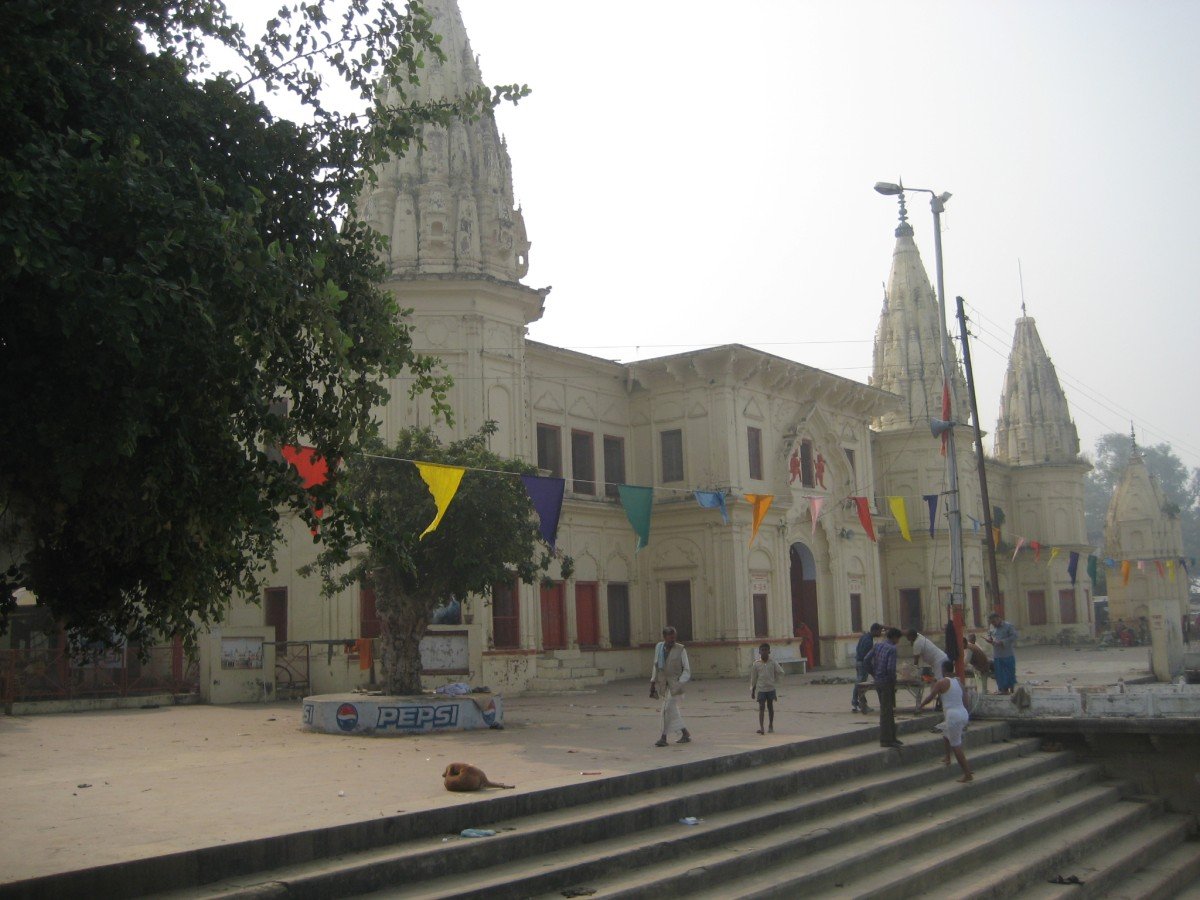
@@History and Significance: Swarg Dwar (Gateway to Heaven) is a profoundly sacred ghat (steps leading to a river) on the banks of the holy Saryu River. Its religious significance is immense, as it is traditionally believed to be the spot where Lord Ram performed his Jal Samadhi (entry into the water to leave his mortal body and return to his divine form as Lord Vishnu), thus offering a direct 'gateway to heaven' for those who take a ritual dip here. It is also historically considered to be near the ancient cremation site of Lord Ram's remains, further adding to its sanctity. The ghat is part of a larger stretch of sacred steps called Ram Ki Paidi. In the 18th century, the ghat and the surrounding structures were notably rebuilt by Naval Rai, a prominent figure in the court of Nawab Safdarjung, blending Hindu pilgrimage tradition with regional architectural patronage. It remains a key location for final rites, ritual bathing, and, most famously, the spectacular evening Saryu Aarti:
Bahu Begum ka Maqbara stands as a magnificent tribute to Begum Unmat-Uz-Zohra Bano, renowned as the Bahu Begum, who was the powerful and politically astute wife of Nawab Shuja-ud-Daula, the Nawab of Awadh; the begum was born in Persia (Iran) and was known for her immense wealth and administrative skills, famously using her personal fortune to pay off the British after her husband lost the Battle of Buxar, thus safeguarding the kingdom; her tomb, commissioned by her son Asaf-ud-Daula and completed by Darab Ali Khan and later Panah Ali, was intended to rival the beauty of the Taj Mahal with its glistening white marble and imposing height of 42 meters, marking it as a symbol of her prominence and enduring legacy; the construction spanned decades, reflecting the detailed craftsmanship of the period and its significance as a focal point of Faizabad's history, the original capital of Awadh, housing her inaccessible grave on the ground floor while upper storeys offer panoramic views of the surrounding landscape, embodying a serene blend of historical and natural beauty.
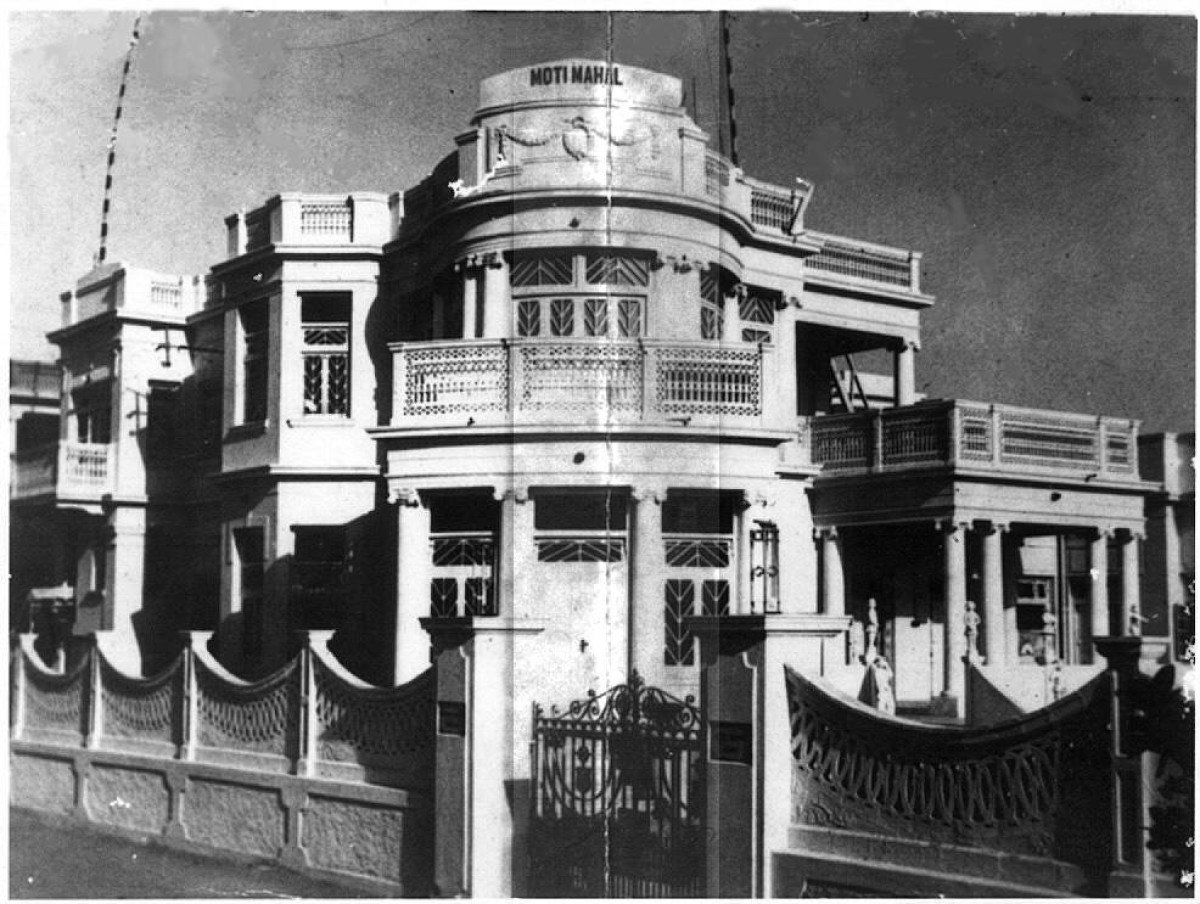
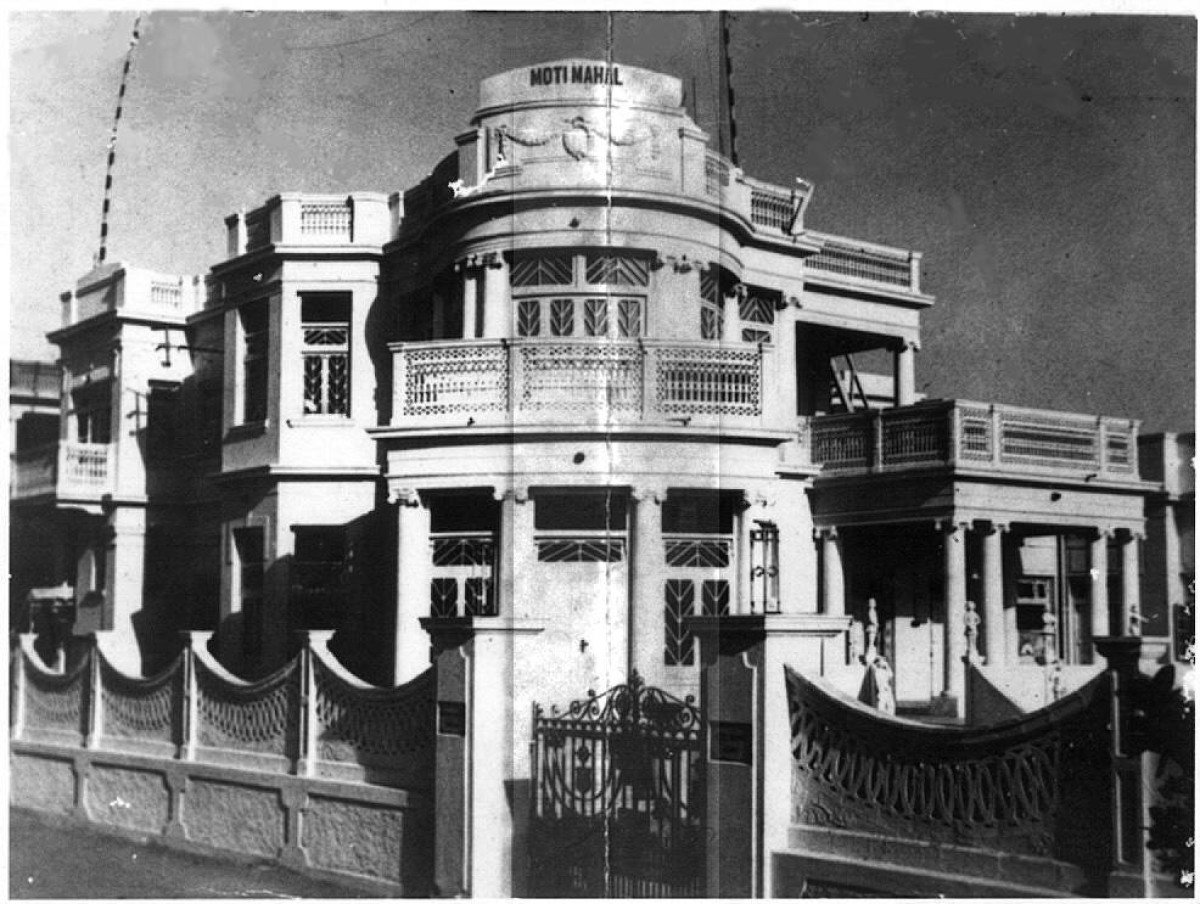
@@History and Significance: Swarg Dwar (Gateway to Heaven) is a profoundly sacred ghat (steps leading to a river) on the banks of the holy Saryu River. Its religious significance is immense, as it is traditionally believed to be the spot where Lord Ram performed his Jal Samadhi (entry into the water to leave his mortal body and return to his divine form as Lord Vishnu), thus offering a direct 'gateway to heaven' for those who take a ritual dip here. It is also historically considered to be near the ancient cremation site of Lord Ram's remains, further adding to its sanctity. The ghat is part of a larger stretch of sacred steps called Ram Ki Paidi. In the 18th century, the ghat and the surrounding structures were notably rebuilt by Naval Rai, a prominent figure in the court of Nawab Safdarjung, blending Hindu pilgrimage tradition with regional architectural patronage. It remains a key location for final rites, ritual bathing, and, most famously, the spectacular evening Saryu Aarti: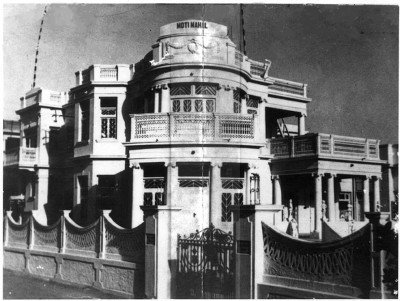 @@Historical Residence: Moti Mahal, meaning 'Pearl Palace,' was the former residence of Bahu Begum, the wife of Nawab Shuja-ud-Daula, the Nawab of Awadh.: @@Construction Date: The palace was constructed in 1743 AD, making it a significant monument from the Nawabi era, showcasing a different chapter of Ayodhya's history distinct from the Ramayana era.: @@A Specimen of Mughal Architecture: It is renowned as a beautiful specimen of Mughal-style architecture, which flourished under the Nawabs of Awadh, known for its blend of Persian, Turkish, and Indian elements.: @@Current Status: While not as widely visited as the temples, it remains an important cultural and architectural site, often explored alongside the nearby Gulab Bari and Bahu Begum Ka Maqbara.:
Dashrath Bhavan is not merely a temple but the spiritual representation of the palace where the pivotal events of Lord Rama's childhood and early life with his family unfolded, which is its central spiritual significance; the complex is a vibrant hub during major festivals like Ram Navami, Diwali, Ram Vivah, and the Shravan Mela, when the colorful architecture is fully illuminated and special performances and discourses are held; it houses multiple shrines dedicated to various Hindu gods and goddesses, reflecting a comprehensive approach to devotion within the broader Ramanandi tradition; the entire experience is designed to take the visitor on a spiritual journey, with the murals, sculptures, and detailed paintings serving as a visual Ramayana, chronicling the life of Lord Rama from his birth to his coronation; its close proximity to Hanuman Garhi and Ram Janmabhoomi makes it an essential part of the core pilgrimage circuit, symbolizing the importance of family and lineage in the Ramayana narrative.
@@History and Significance: Shri Vijay Raghav Mandir is a significant temple dedicated to Lord Vishnu in his form as Lord Ram, specifically emphasizing his aspect as 'Vijay Raghav' (Ram the Victorious). The temple is a part of a larger Sanatan Ashram and is holistically following the Vedic Gurukul Concept, focusing on Veda/Upanishad principles and a free flow of divine energy between Guru and Shishyas (teacher and disciples). Its location is highly auspicious, being situated within 300 meters of the Shri Ram Janmabhoomi temple. The establishment emphasizes spiritual growth, learning, and the preservation of Vedic tradition. The temple and ashram complex are built with a strong focus on natural elements, featuring a distinguished landscape of colorful and aromatic plants and a focus on earthy, stone-based architecture. It represents a modern, conscious effort to rebuild and re-establish the deep spiritual roots of Ayodhya in line with traditional wisdom:Show All
@@History and Significance: This kunj (garden enclosure/temple complex) is a serene and beautiful spiritual destination dedicated to Lord Ram (Vallabh) and Goddess Sita (Vaidehi), embodying their divine love and the spirit of Awadh. It is a major center for the Rasik tradition of devotion, which focuses on the conjugal love of the divine couple, SitaRam. The kunj is known for its tranquil and meditative atmosphere, offering devotees a secluded space for prayer and reflection away from the city's hustle. It is meticulously maintained, featuring beautiful gardens and intricate carvings that depict scenes from the Ramayana. The name itself, Vaidehi Vallabh, is a traditional way of addressing Sita and Ram, with Vaidehi referring to Sita's lineage from the kingdom of Videha (Mithila). It stands as a testament to the cultural heritage and deep-seated faith of Ayodhya:
@@Historical Residence: Moti Mahal, meaning 'Pearl Palace,' was the former residence of Bahu Begum, the wife of Nawab Shuja-ud-Daula, the Nawab of Awadh.: @@Construction Date: The palace was constructed in 1743 AD, making it a significant monument from the Nawabi era, showcasing a different chapter of Ayodhya's history distinct from the Ramayana era.: @@A Specimen of Mughal Architecture: It is renowned as a beautiful specimen of Mughal-style architecture, which flourished under the Nawabs of Awadh, known for its blend of Persian, Turkish, and Indian elements.: @@Current Status: While not as widely visited as the temples, it remains an important cultural and architectural site, often explored alongside the nearby Gulab Bari and Bahu Begum Ka Maqbara.:
Dashrath Bhavan is not merely a temple but the spiritual representation of the palace where the pivotal events of Lord Rama's childhood and early life with his family unfolded, which is its central spiritual significance; the complex is a vibrant hub during major festivals like Ram Navami, Diwali, Ram Vivah, and the Shravan Mela, when the colorful architecture is fully illuminated and special performances and discourses are held; it houses multiple shrines dedicated to various Hindu gods and goddesses, reflecting a comprehensive approach to devotion within the broader Ramanandi tradition; the entire experience is designed to take the visitor on a spiritual journey, with the murals, sculptures, and detailed paintings serving as a visual Ramayana, chronicling the life of Lord Rama from his birth to his coronation; its close proximity to Hanuman Garhi and Ram Janmabhoomi makes it an essential part of the core pilgrimage circuit, symbolizing the importance of family and lineage in the Ramayana narrative.
@@History and Significance: Shri Vijay Raghav Mandir is a significant temple dedicated to Lord Vishnu in his form as Lord Ram, specifically emphasizing his aspect as 'Vijay Raghav' (Ram the Victorious). The temple is a part of a larger Sanatan Ashram and is holistically following the Vedic Gurukul Concept, focusing on Veda/Upanishad principles and a free flow of divine energy between Guru and Shishyas (teacher and disciples). Its location is highly auspicious, being situated within 300 meters of the Shri Ram Janmabhoomi temple. The establishment emphasizes spiritual growth, learning, and the preservation of Vedic tradition. The temple and ashram complex are built with a strong focus on natural elements, featuring a distinguished landscape of colorful and aromatic plants and a focus on earthy, stone-based architecture. It represents a modern, conscious effort to rebuild and re-establish the deep spiritual roots of Ayodhya in line with traditional wisdom:Show All
@@History and Significance: This kunj (garden enclosure/temple complex) is a serene and beautiful spiritual destination dedicated to Lord Ram (Vallabh) and Goddess Sita (Vaidehi), embodying their divine love and the spirit of Awadh. It is a major center for the Rasik tradition of devotion, which focuses on the conjugal love of the divine couple, SitaRam. The kunj is known for its tranquil and meditative atmosphere, offering devotees a secluded space for prayer and reflection away from the city's hustle. It is meticulously maintained, featuring beautiful gardens and intricate carvings that depict scenes from the Ramayana. The name itself, Vaidehi Vallabh, is a traditional way of addressing Sita and Ram, with Vaidehi referring to Sita's lineage from the kingdom of Videha (Mithila). It stands as a testament to the cultural heritage and deep-seated faith of Ayodhya:Information
-
Why Famous:
Lord Rama's Birthplace: Ayodhya is the legendary site where the seventh avatar of Vishnu was born. The construction of the grand Ram Temple is a historic milestone. It is a dream destination for millions of Hindu devotees worldwide. The city embodies the ideals of "Ram Ra...Lord Rama's Birthplace: Ayodhya is the legendary site where the seventh avatar of Vishnu was born. The construction of the grand Ram Temple is a historic milestone. It is a dream destination for millions of Hindu devotees worldwide. The city embodies the ideals of "Ram Rajya" or righteous rule.
Deepawali Celebrations: The festival of lights, Diwali, has its origins in Ayodhya. It is the day when Lord Rama returned after his 14-year exile. The city holds a world record for lighting millions of oil lamps. The celebration is a spectacular sight that attracts global tourists. -
Architecture:
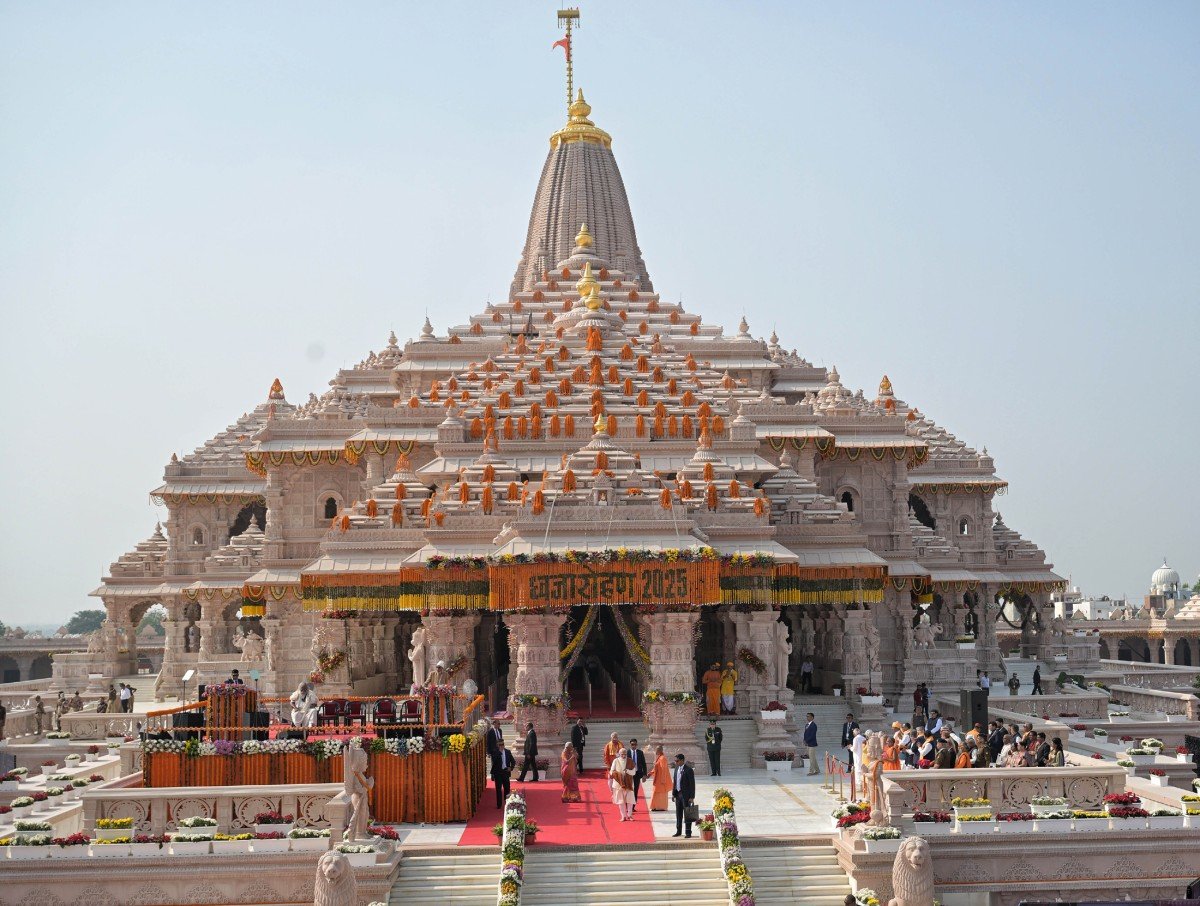
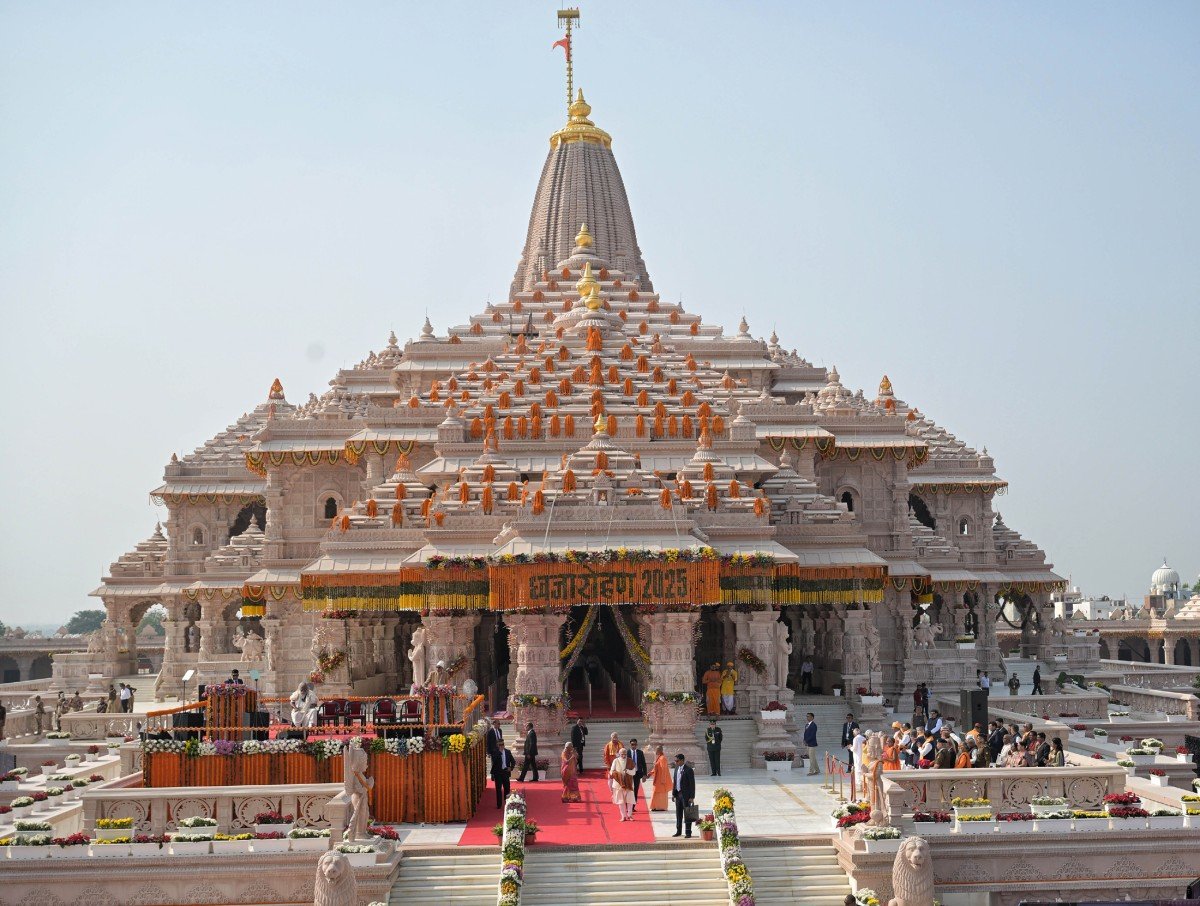
Temple Design: The new Ram Mandir is built in the Nagara style of architecture. It features grand shikhara and intricately carved pillars. No iron or steel was used in the main construction. The pink sandstone from Rajasthan gives it a majestic look.
Read MoreTemple Design: The new Ram Mandir is built in the Nagara style of architecture. It features grand shikhara and intricately carved pillars. No iron or steel was used in the main construction. The pink sandstone from Rajasthan gives it a majestic look.
Palatial Layout: Places like Kanak Bhawan resemble a royal palace with large courtyards. The structures feature beautiful arched doorways and balconies. The interior walls are decorated with paintings of the Ramayana. The architecture reflects the grandeur of a bygone golden era.How To Reach:
By Air: The newly inaugurated Maharishi Valmiki International Airport serves the city. It has direct flights from Delhi, Mumbai, and Ahmedabad. The airport is located about 10 KMS from the city center. Taxis and shuttle buses are available for pilgrims.
Read MoreBy Air: The newly inaugurated Maharishi Valmiki International Airport serves the city. It has direct flights from Delhi, Mumbai, and Ahmedabad. The airport is located about 10 KMS from the city center. Taxis and shuttle buses are available for pilgrims.
By Train: Ayodhya Dham Junction is the newly redeveloped main railway station. It is connected to all major Indian cities by express trains. The station architecture itself is a modern tribute to the temple style. It is the most common way for devotees to reach.
By Road: Ayodhya is well-connected by a network of national highways. It is about 135 KMS from Lucknow via the NH-27. State transport buses run frequently from Varanasi, Gorakhpur, and Prayagraj. Private cabs are a convenient option for family travel.
Local Transport: Electric rickshaws are the most popular way to move around the city. They are cheap, silent, and can navigate narrow lanes. Cycle-rickshaws are still used for very short distances. Walking is often the best way to explore the dense temple clusters.Weather and Best Time to Visit:
Winter Season: October to March is the best time to visit Ayodhya. The weather is cool and pleasant for outdoor rituals. All major festivals like Diwali and Kartik Purnima fall in this period. It is the peak season for tourists and pilgrims.
...Winter Season: October to March is the best time to visit Ayodhya. The weather is cool and pleasant for outdoor rituals. All major festivals like Diwali and Kartik Purnima fall in this period. It is the peak season for tourists and pilgrims.
Summer Season: April to June can be extremely hot with dry winds. The afternoon sun makes it difficult to walk on the stone temple floors. It is advisable to visit temples in the early morning or late evening. Carrying umbrellas and water is highly recommended.
Monsoon Season: July to September brings rains that fill up the Sarayu River. The landscape turns green and the air becomes fresh. High humidity can make it a bit uncomfortable for some. However, the rainy season has its own spiritual charm by the river.Near Tourist Places:
1. Lucknow (135 KMS), 2. Faizabad (7 KMS), 3. Gorakhpur (140 KMS), 4. Prayagraj (170 KMS), 5. Varanasi (200 KMS), 6. Basti (70 KMS), 7. Sultanpur (65 KMS), 8. Amethi (100 KMS), 9. Deva Sharif (100 KMS), 10. Naimisharanya (220 KMS).Tourism Tips
-
Health & Safety: Be careful while taking a dip in the river; stay near the designated areas. Keep your belongings safe in crowded temple queues. Drink plenty of water and wear a hat to protect from the sun. Follow all security protocols at the Ram Janmabhoomi site.
<...Health & Safety: Be careful while taking a dip in the river; stay near the designated areas. Keep your belongings safe in crowded temple queues. Drink plenty of water and wear a hat to protect from the sun. Follow all security protocols at the Ram Janmabhoomi site.
Packing Tips: Wear traditional and modest clothing to respect the holy city. Slip-on shoes are convenient as you need to remove them at every temple. Carry a reusable water bottle to reduce plastic waste. A power bank is useful as you might spend the whole day outdoors.
Accommodation: Many new hotels and 'Dharamshalas' have opened in the city. Staying near the Sarayu River or Ram Path is very convenient. It is essential to book rooms well in advance during festival times. There are options ranging from luxury resorts to budget stays.
Other Advice: Try the local street food like Aloo Tikki and Ladoo. Respect the local priests and follow the temple rules. Avoid carrying big bags to the temples to save time at security. Use the 'Ram Path' and 'Bhakti Path' for easy navigation.
Reviews
FAQs
Ayodhya Itineray And Cost:-
Other Places In Uttar Pradesh :-
Other States In India :-
Information about New and Updated Locations() of Uttar Pradesh Has Been Added :-
Card subtitle
Note:-
Information provided here in good Faith and for reference only.
Near Places
Agra
Some quick example text to build on the card title and make up the bulk of the card's content.
Go somewhere
Aligarh
Some quick example text to build on the card title and make up the bulk of the card's content.
Go somewhere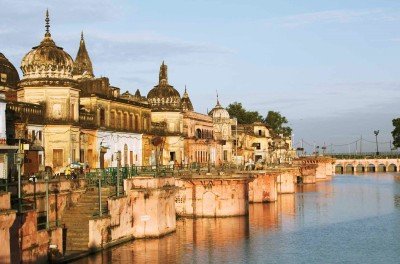
Ayodhya
Some quick example text to build on the card title and make up the bulk of the card's content.
Go somewhere
Azamgarh
Some quick example text to build on the card title and make up the bulk of the card's content.
Go somewhere
Bahraich
Some quick example text to build on the card title and make up the bulk of the card's content.
Go somewhere
Bareilly
Some quick example text to build on the card title and make up the bulk of the card's content.
Go somewhere
Chitrakoot
Some quick example text to build on the card title and make up the bulk of the card's content.
Go somewhere
Fatehpur Sikri
Some quick example text to build on the card title and make up the bulk of the card's content.
Go somewhere
Ghaziabad
Some quick example text to build on the card title and make up the bulk of the card's content.
Go somewhere
Gorakhpur
Some quick example text to build on the card title and make up the bulk of the card's content.
Go somewhere
Hastinapur
Some quick example text to build on the card title and make up the bulk of the card's content.
Go somewhere
Jhansi
Some quick example text to build on the card title and make up the bulk of the card's content.
Go somewhere
Kanpur
Some quick example text to build on the card title and make up the bulk of the card's content.
Go somewhere
Kushinagar
Some quick example text to build on the card title and make up the bulk of the card's content.
Go somewhere
Lucknow
Some quick example text to build on the card title and make up the bulk of the card's content.
Go somewhere
Mathura
Some quick example text to build on the card title and make up the bulk of the card's content.
Go somewherein Other Cities