

Varanasi
General information
-
Ideal Duration:
3 to 4 DaysPlace Type:
Religious, Cultural & HeritageEntry Fees:
General Entry: Most ghats and public temples have no entry fees, allowing pilgrims and tourists to explore freely throughout the day.
Special Darshan: The Kashi Vishwanath Temple offers paid Sugam Darshan tickets for those wishing to avoid l...General Entry: Most ghats and public temples have no entry fees, allowing pilgrims and tourists to explore freely throughout the day.
Special Darshan: The Kashi Vishwanath Temple offers paid Sugam Darshan tickets for those wishing to avoid long queues during peak festival seasons.Timing:
Temple Hours: The main temples generally open at 4:00 AM for Mangala Aarti and close around 11:00 PM after the final Shayan Aarti.
Best Time: Early morning (5:00 AM to 8:00 AM) and late evening (6:00 PM to 9:00 PM) are ideal for rituals and ...Temple Hours: The main temples generally open at 4:00 AM for Mangala Aarti and close around 11:00 PM after the final Shayan Aarti.
Best Time: Early morning (5:00 AM to 8:00 AM) and late evening (6:00 PM to 9:00 PM) are ideal for rituals and sightseeing.Special Events:
Dev Deepawali: Celebrated 15 days after Diwali, all ghats are lit with millions of earthen lamps, creating a celestial view on the river.
Maha Shivratri: This festival sees a massive procession of Lord Shiva's devotees, celebrating the divin...Dev Deepawali: Celebrated 15 days after Diwali, all ghats are lit with millions of earthen lamps, creating a celestial view on the river.
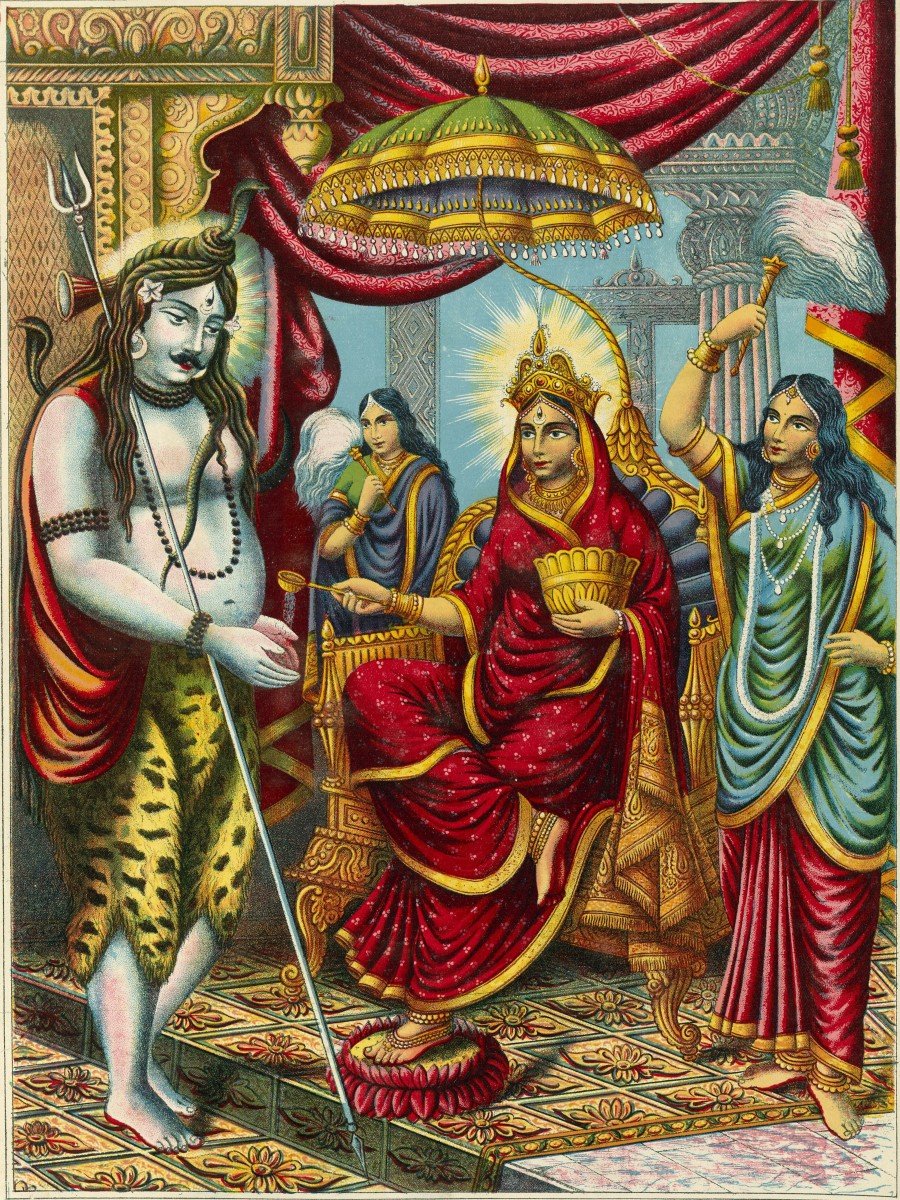
Maha Shivratri: This festival sees a massive procession of Lord Shiva's devotees, celebrating the divine wedding with great fervor and night-long prayers.Best Photo Spots:
Dashashwamedh Ghat: Capture the vibrant colors and synchronized movements of the Ganga Aarti priests during the golden hour of the evening.
Assi Ghat: The sunrise here provides soft lighting for photographing the Subah-e-Banaras cultural per...Dashashwamedh Ghat: Capture the vibrant colors and synchronized movements of the Ganga Aarti priests during the golden hour of the evening.
Assi Ghat: The sunrise here provides soft lighting for photographing the Subah-e-Banaras cultural performances and morning yoga sessions.
Narrow Lanes: The blue-walled alleys of the old city offer a perfect backdrop for street photography, capturing the timeless essence of daily life.Photo Gallery



Things To Do
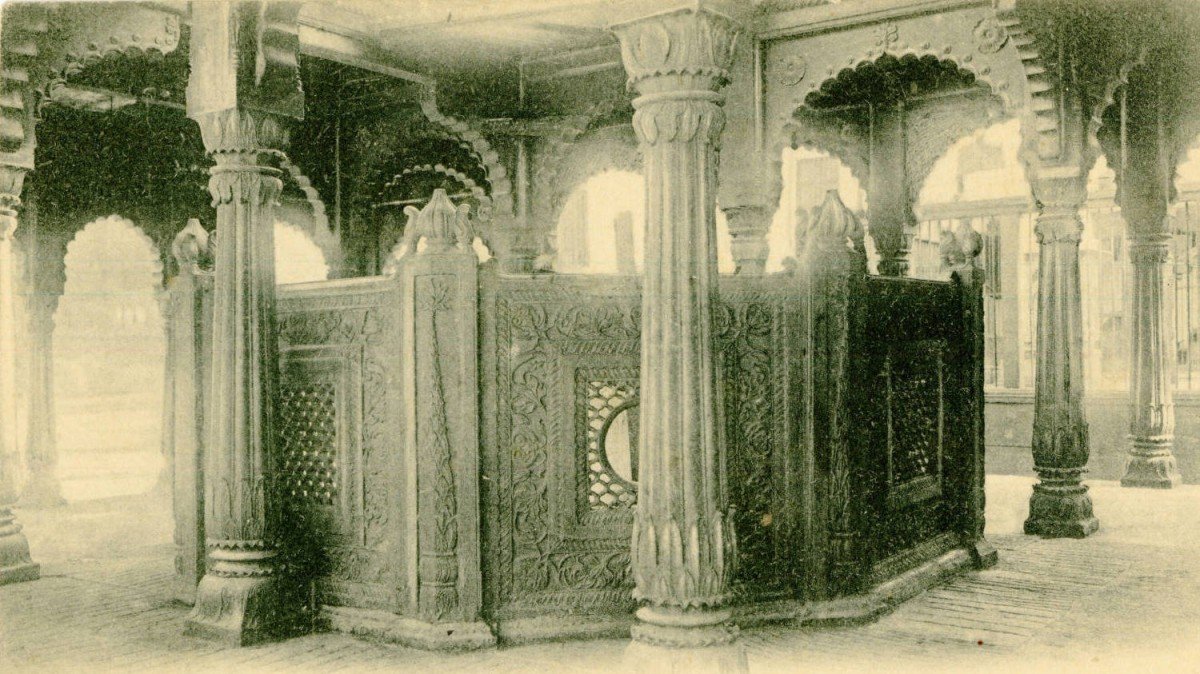
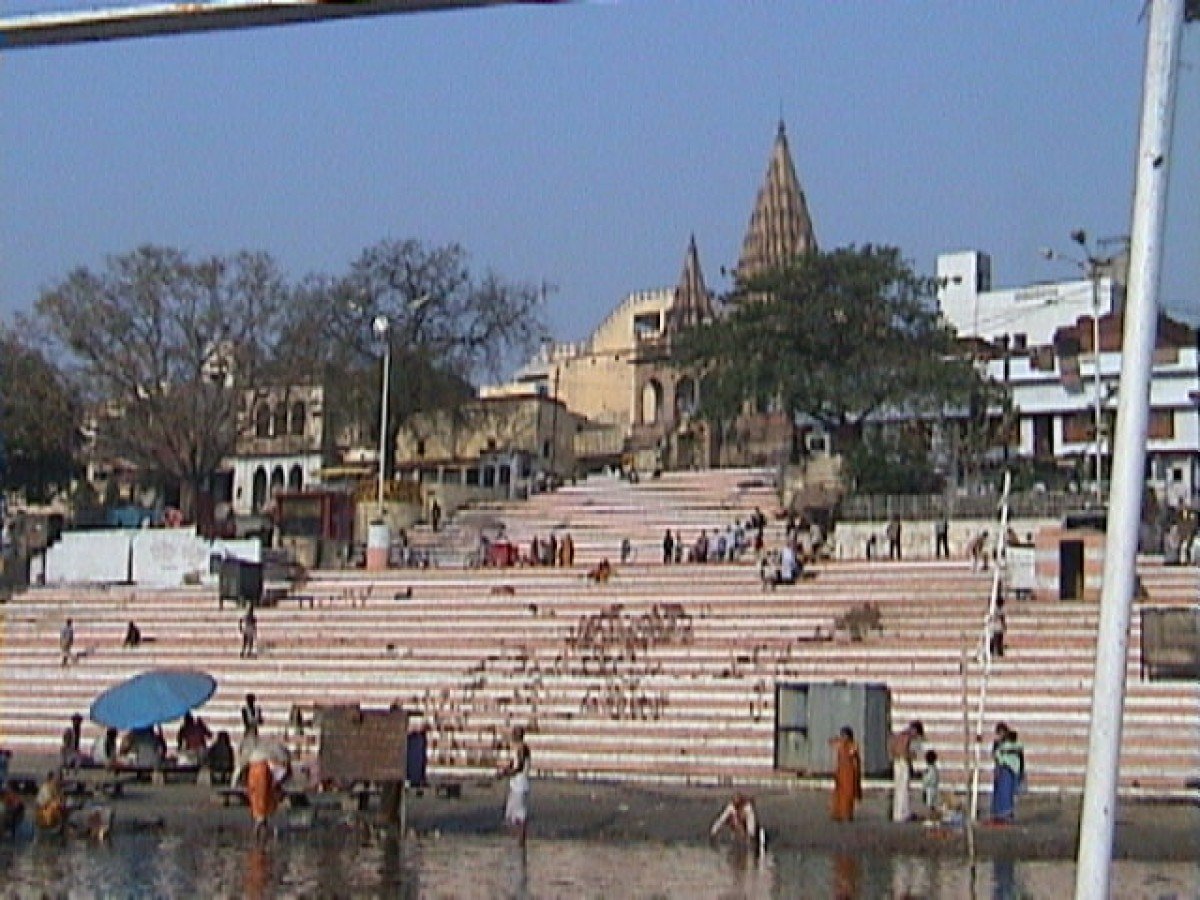
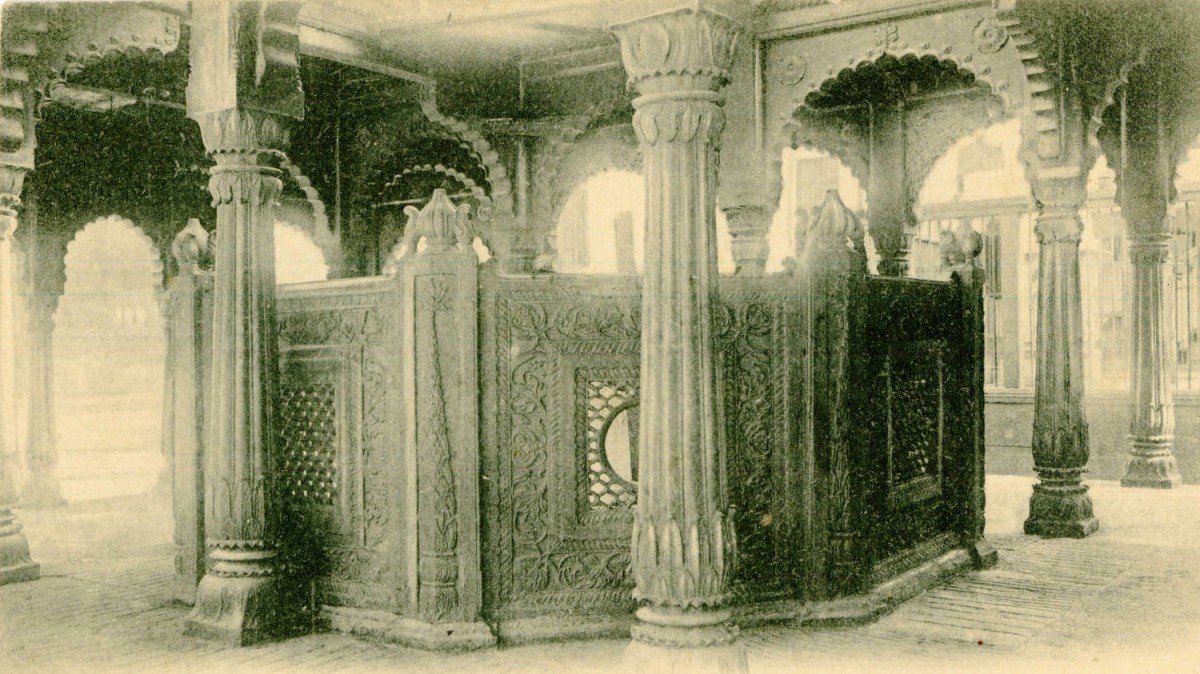
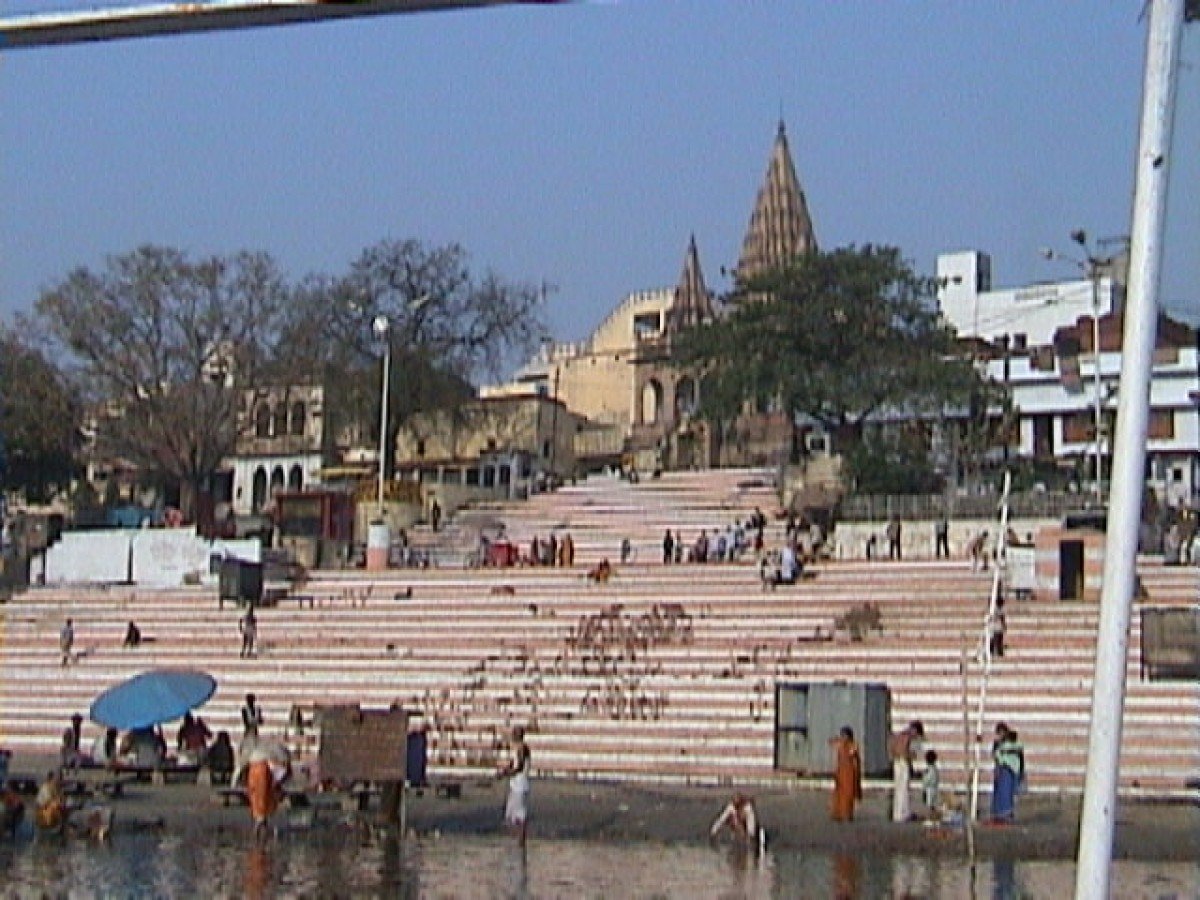
 @@Mythological Confluence: Panchganga Ghat is highly significant as it is traditionally believed to be the confluence (Sangam) of five sacred rivers: the visible Ganga and four invisible ones—Yamuna, Saraswati, Kirana, and Dhupapapa. This makes a holy dip here as spiritually potent as a dip at Prayagraj (Allahabad).: @@Historical Site: The ghat is one of the five most important ancient pilgrimage ghats (Panch Teerth) of Kashi mentioned in the Skanda Purana. It was a favorite spot for the Gahadavala dynasty and later the site of the magnificent Bindu Madhav Temple.: @@Spiritual Association: It holds immense historical value for its connection to key Hindu saints and poets, including Adi Shankaracharya, Tulsidas, Guru Nanak Dev, and most notably, the reformer poet Kabir, who found his guru, Ramananda, here, making it a sacred place for various Hindu and Sikh sects.
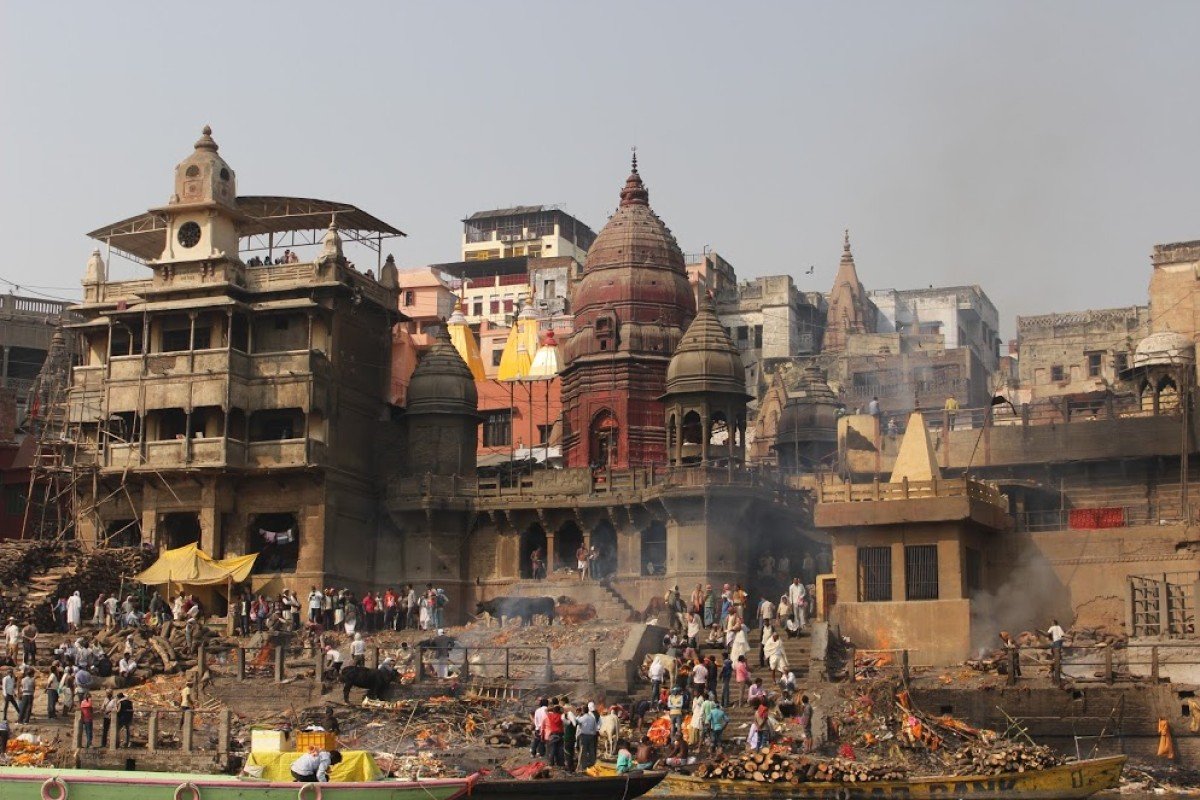
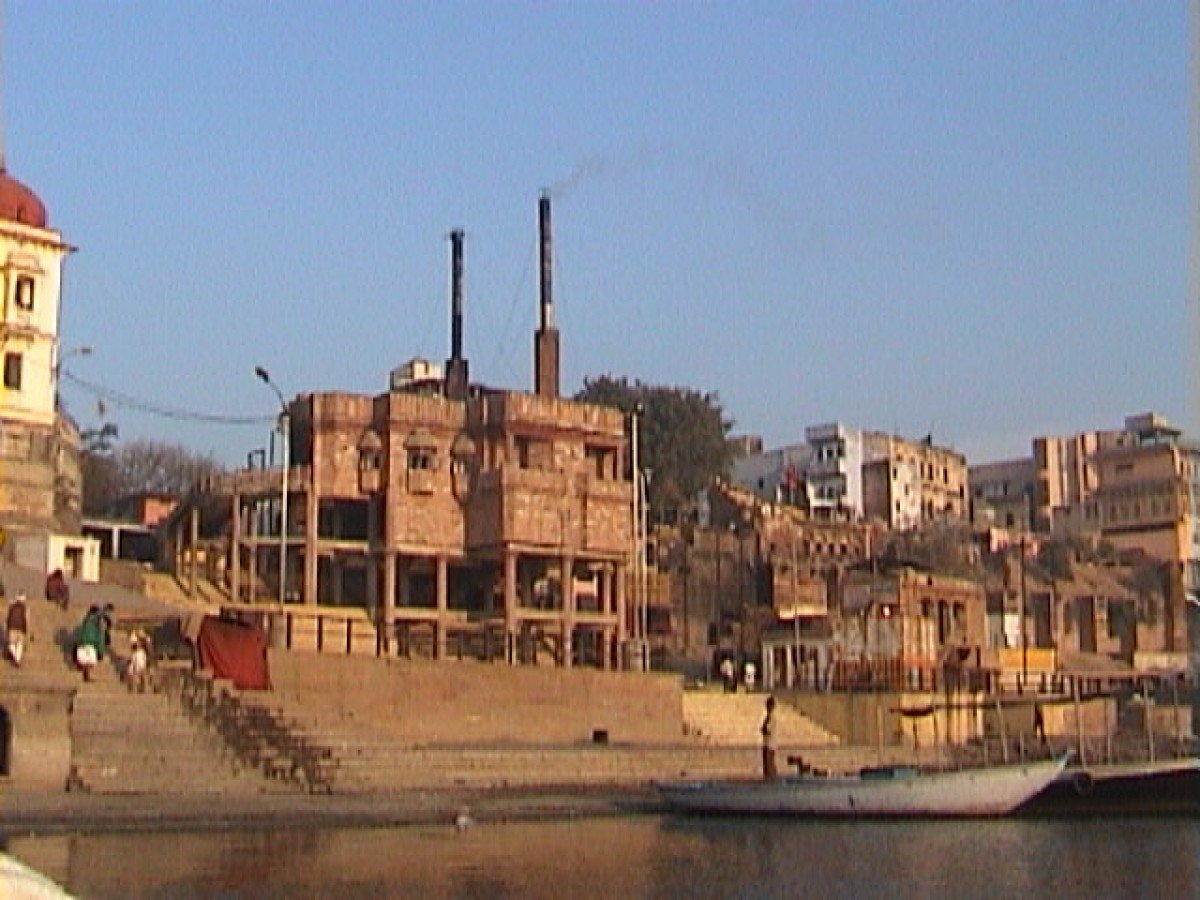
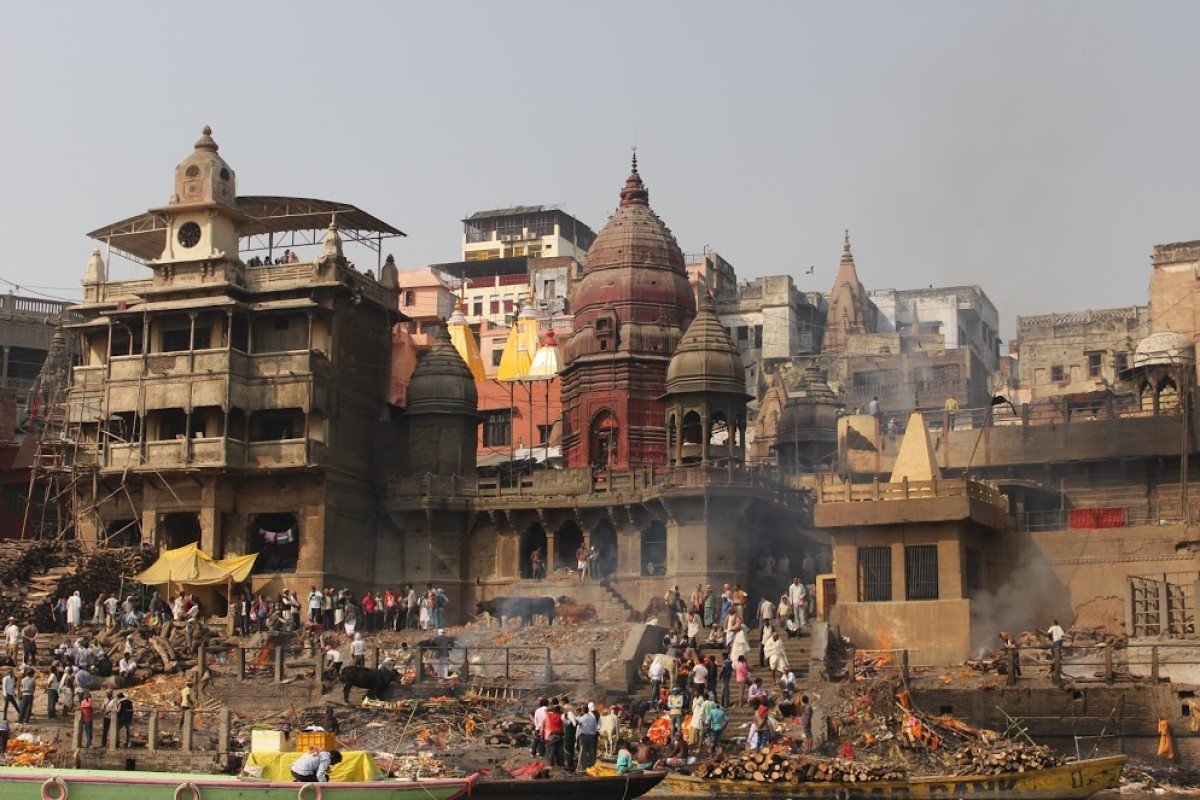
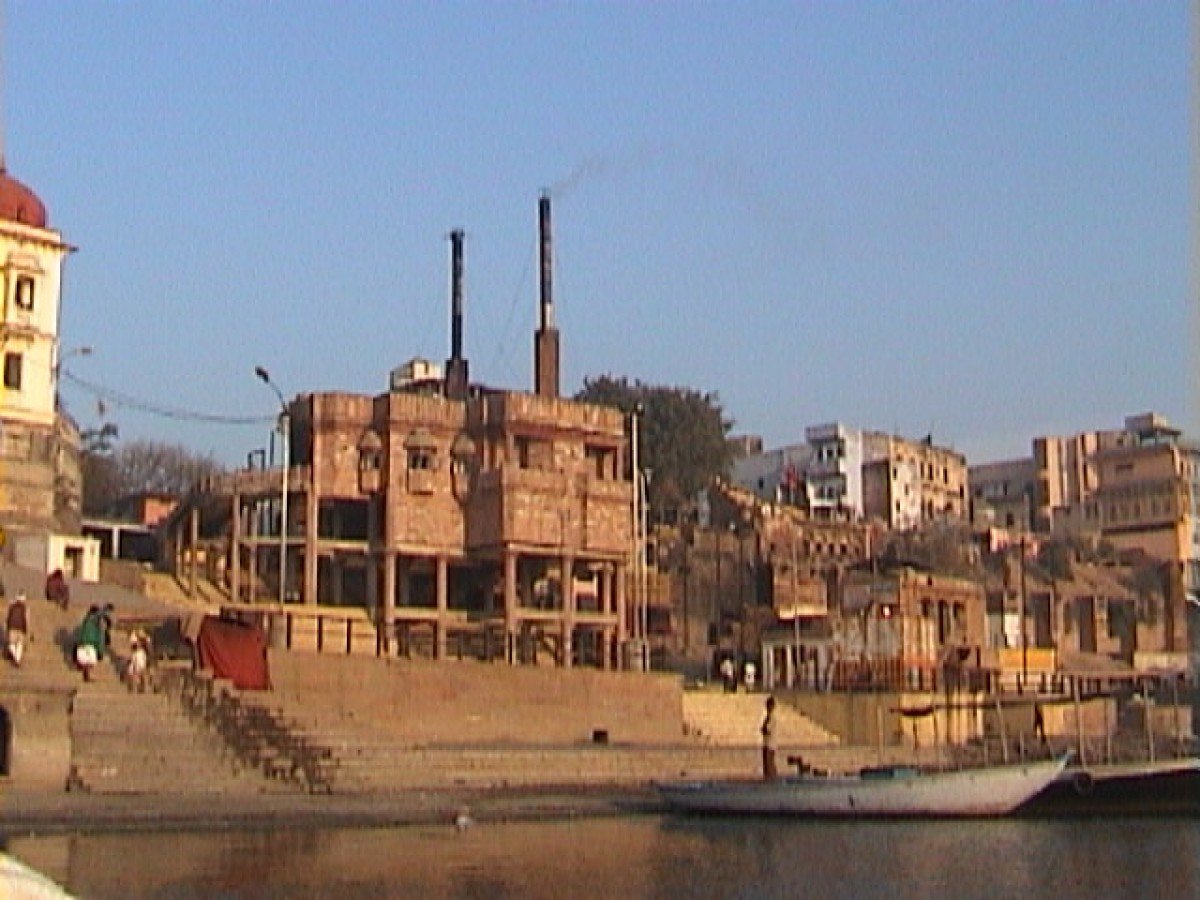
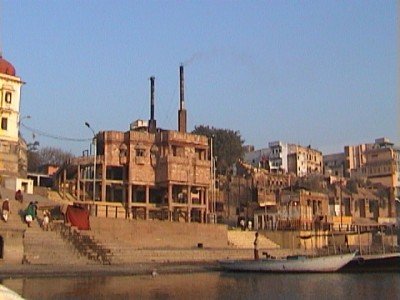 @@Religious and Mortuary Significance: Harishchandra Ghat is one of the two main cremation ghats in Varanasi (the other being Manikarnika Ghat). It holds immense spiritual importance, as Hindus believe that cremation here grants Moksha (salvation) or liberation from the cycle of rebirth. It is considered one of the oldest ghats, sometimes referred to as Adi Manikarnika ('Original Manikarnika'). @@The Legend of Raja Harishchandra: The ghat is named after the legendary King Harishchandra of Ayodhya, renowned for his truthfulness. According to the legend, the king sold himself and his family into servitude to a Chandal (an outcaste/cremation ground worker) who managed this ghat to fulfil a vow. His unwavering honesty, even while working here, eventually led to his son's resurrection and a blessing from the Gods. @@Modern Crematorium: While open-pyre cremations are performed round-the-clock, the ghat also features an electric crematorium, offering an alternative for the last rites. The sight of the constant funeral pyres is a profound and intensely moving experience for visitors. @@Cultural Observation: The ghat is a powerful reminder of the ephemeral nature of life and the city's deep philosophical connection to death and rebirth. Visitors observe the solemn rituals with respect, offering a unique cultural window into Hindu beliefs. :
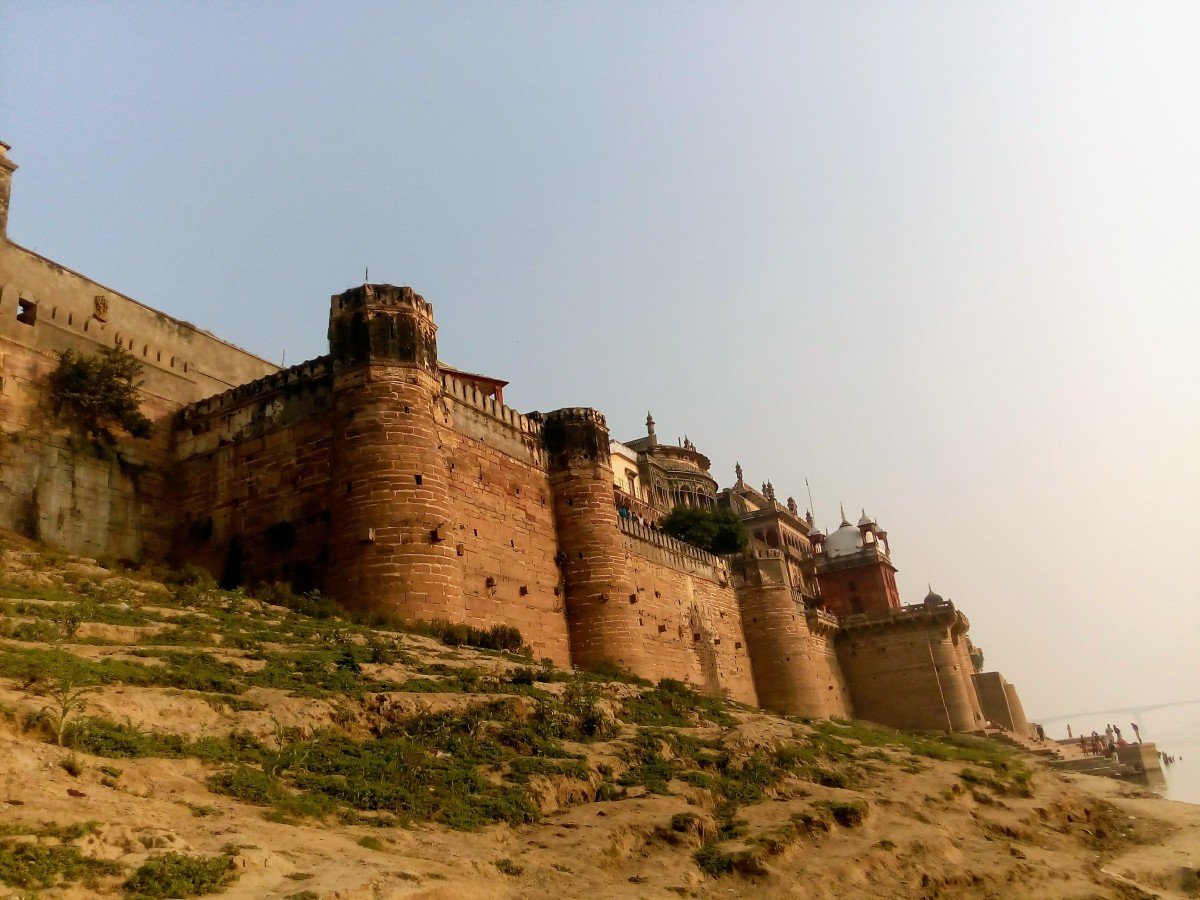
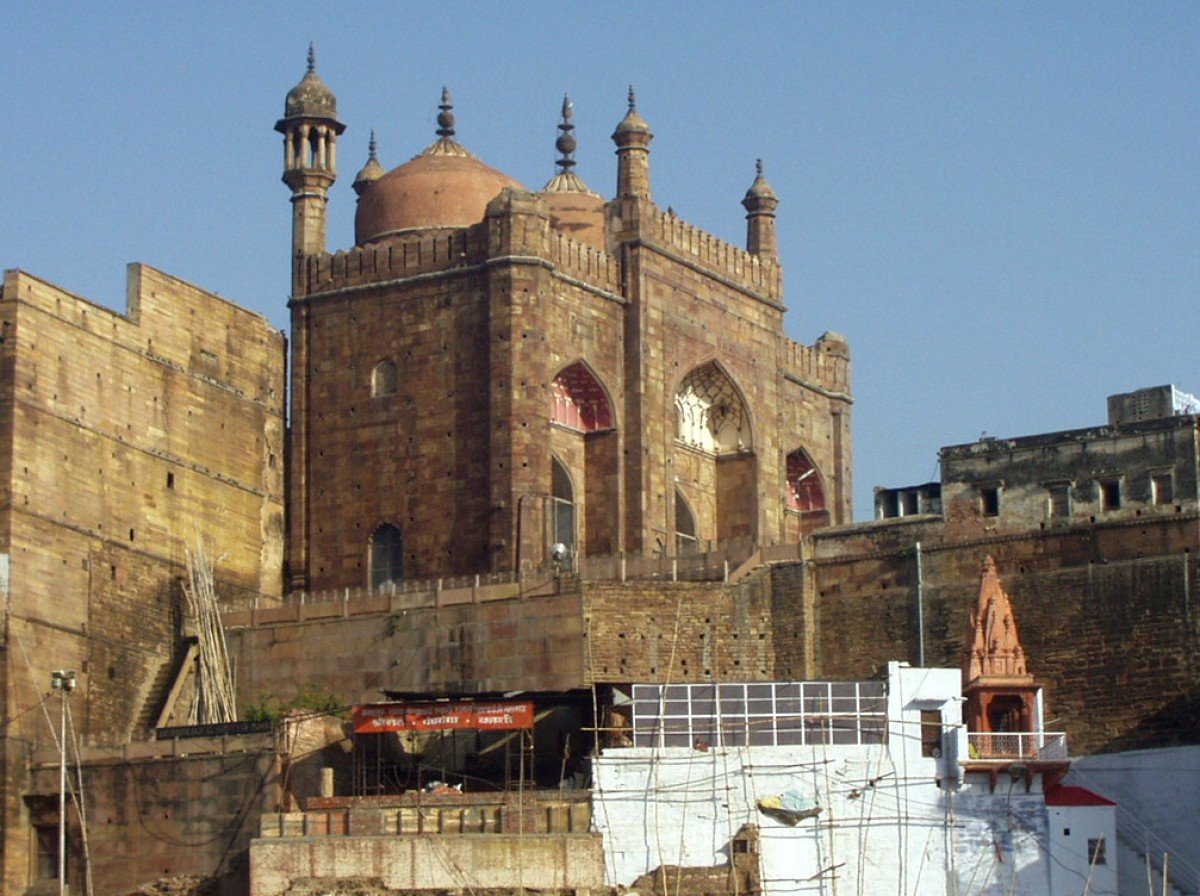
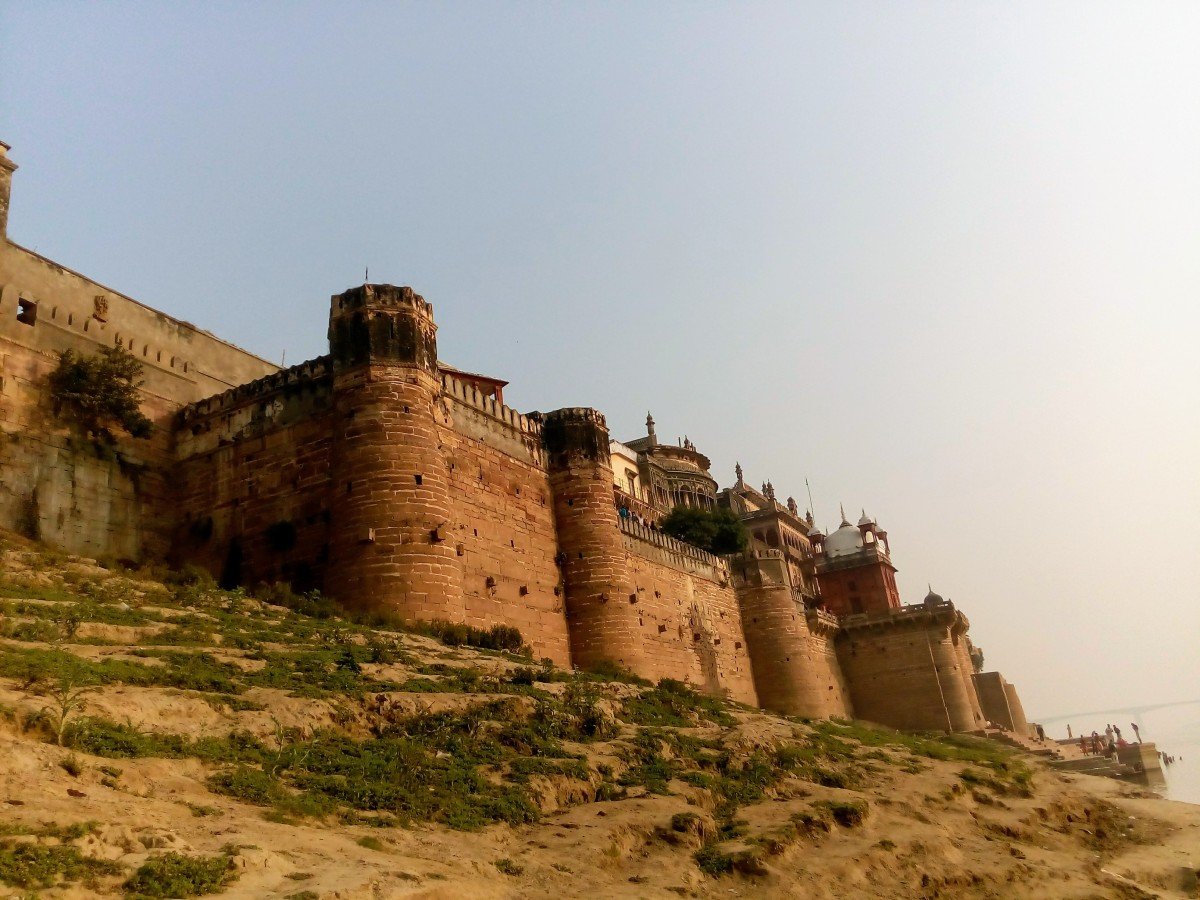
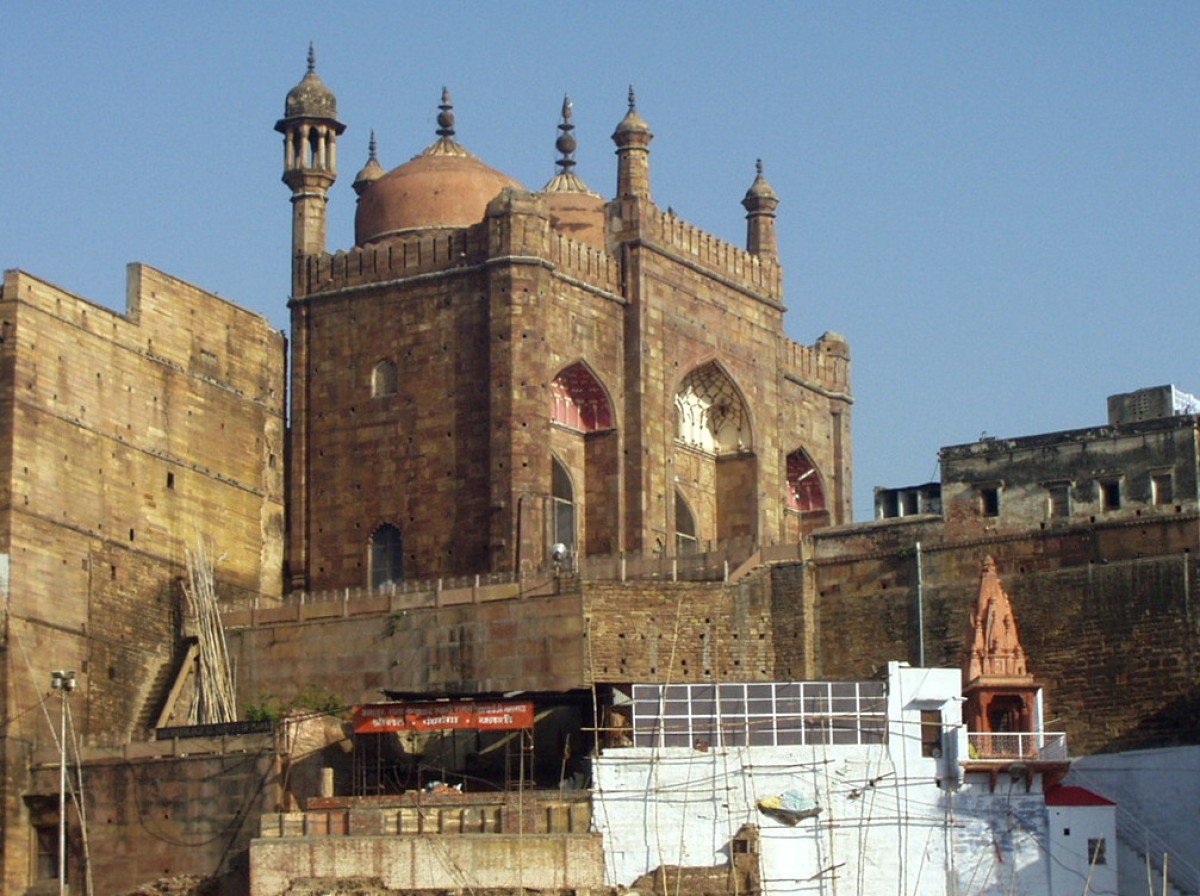
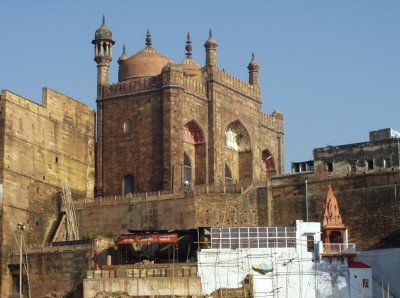 @@Historical Significance: The Alamgir Mosque, also known as the Beni Madhav Ka Darera or Aurangzeb's Mosque, stands majestically on the banks of the Ganges at Panchganga Ghat. It was constructed in the 17th century by the Mughal Emperor Aurangzeb on the site of a demolished Vishnu Temple (Bindu Madhava Temple), showcasing a complex and often controversial history. The mosque's location and its controversial past make it a significant historical landmark in the spiritual capital of India. @@Cultural Blend: It is a remarkable symbol of the city's layered religious and cultural history, representing the confluence of Hindu and Islamic architectural styles. It is named after Aurangzeb’s honorific title, Alamgir. The site draws visitors not only for its religious value but also for the panoramic views of the river and the ghats. @@Present Day Role: Today, it remains an active place of worship for the Muslim community and is an important part of the Varanasi landscape, often viewed during boat rides along the Ganges. The structure reflects the turbulent yet syncretic nature of Varanasi’s past, and its imposing structure is visible from a distance along the river. @@Important Context: Despite its past, it is admired for its architectural beauty and is a quiet spot compared to the bustling temples. It offers a unique perspective on the city's ancient traditions and subsequent historical overlays, making it a must-visit for history enthusiasts. :
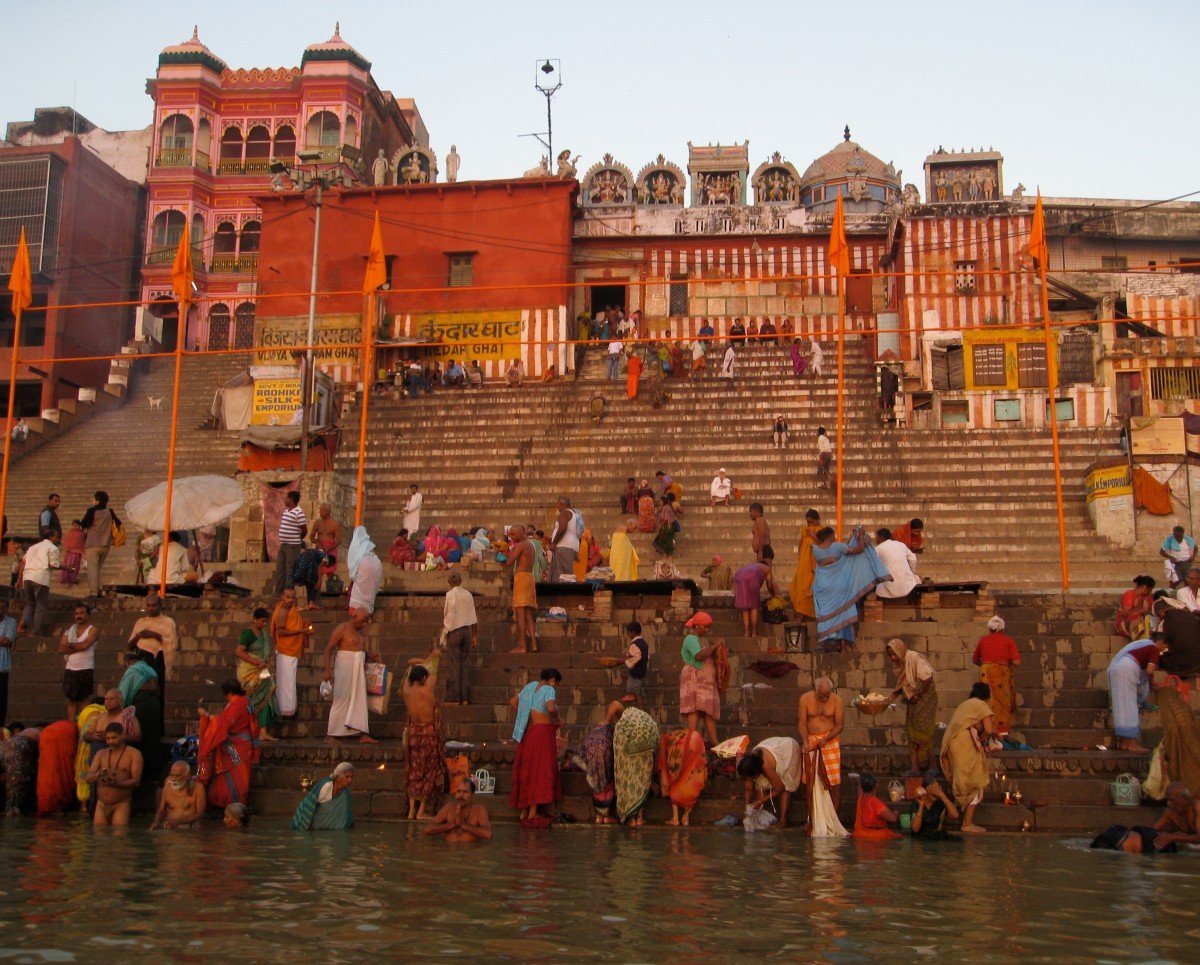
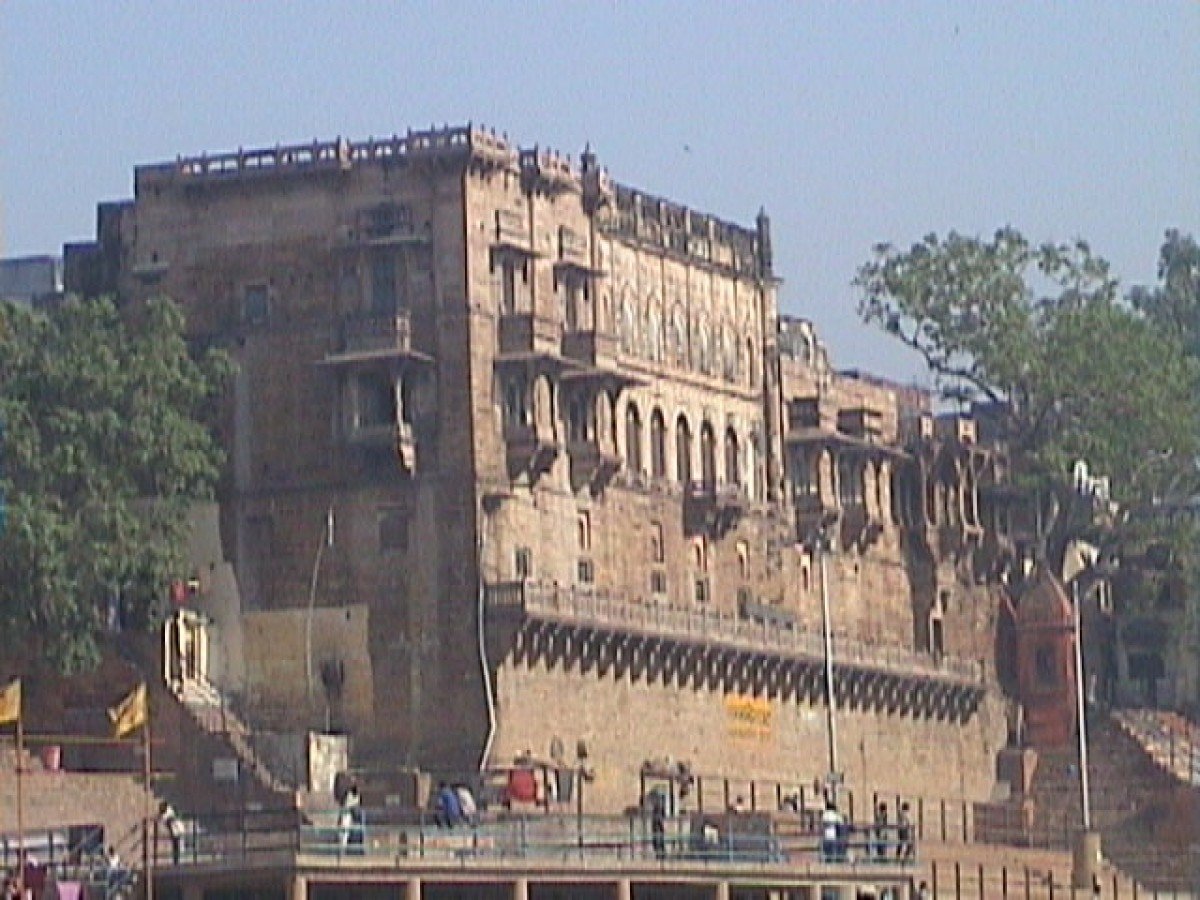
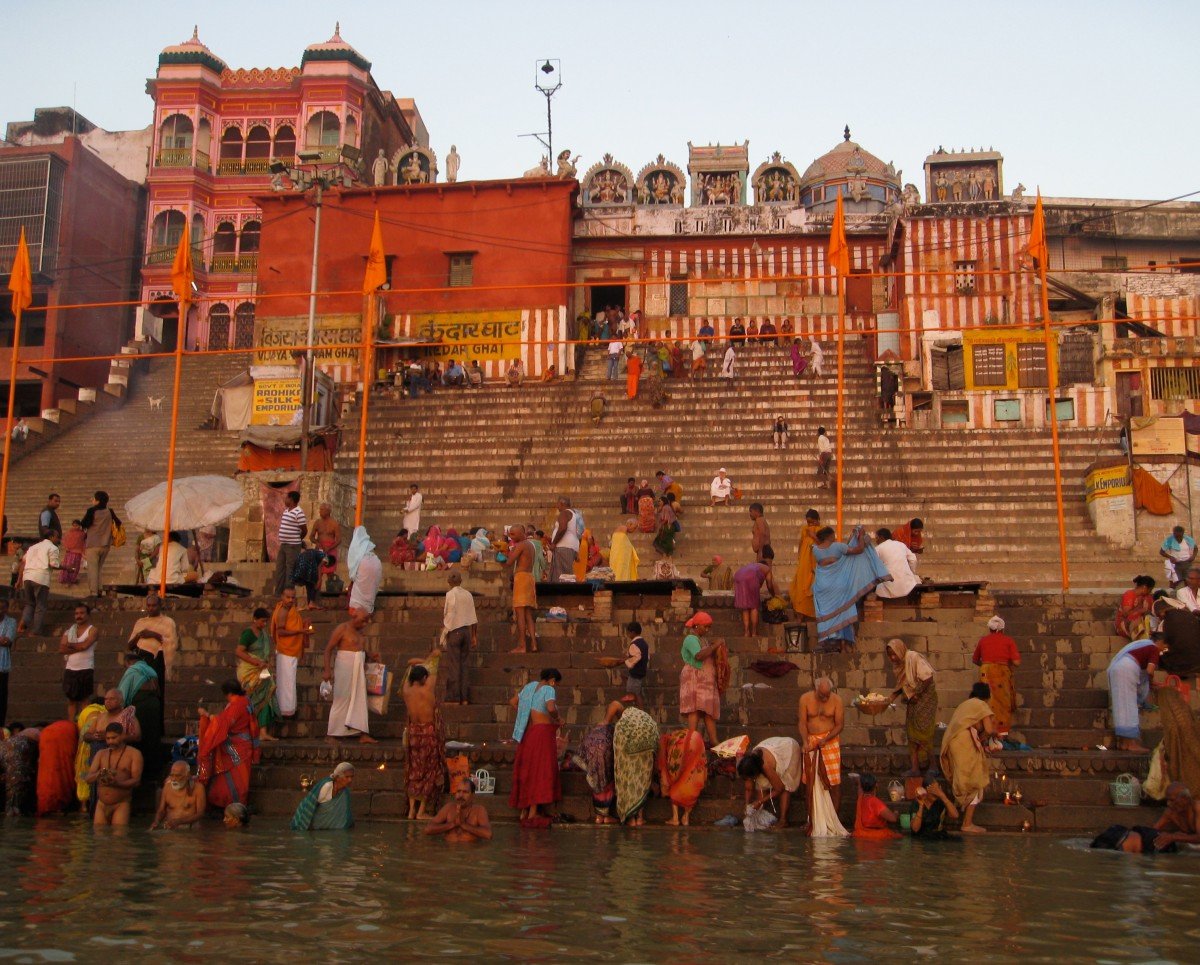
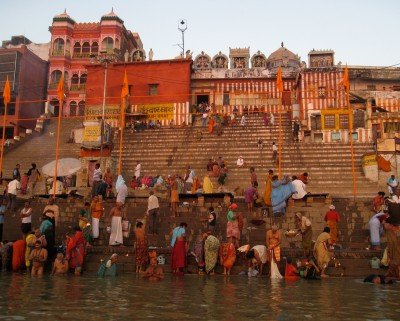 @@Spiritual Essence: Kedar Ghat is named after the famous Kedarnath Temple in the Himalayas and is home to the ancient Kedareshwara Temple, which contains a replica of the Kedarnath Jyotirlinga. This makes it an important pilgrimage site, as devotees unable to travel to the high-altitude Kedarnath can offer their prayers here, fulfilling a similar spiritual vow.: @@Architectural Beauty: The ghat is known for its distinctive red sandstone steps and structures, which contrast beautifully with the water of the Ganga. The upper levels feature well-preserved buildings and smaller shrines, giving it a peaceful, traditional feel compared to the bustle of the central ghats.: @@Cultural Heritage: It is one of the ghats traditionally associated with South Indian pilgrims (Bengali Tola is nearby), resulting in a vibrant blend of cultures, visible in the styles of worship and the presence of various regional temples and Dharamshalas.
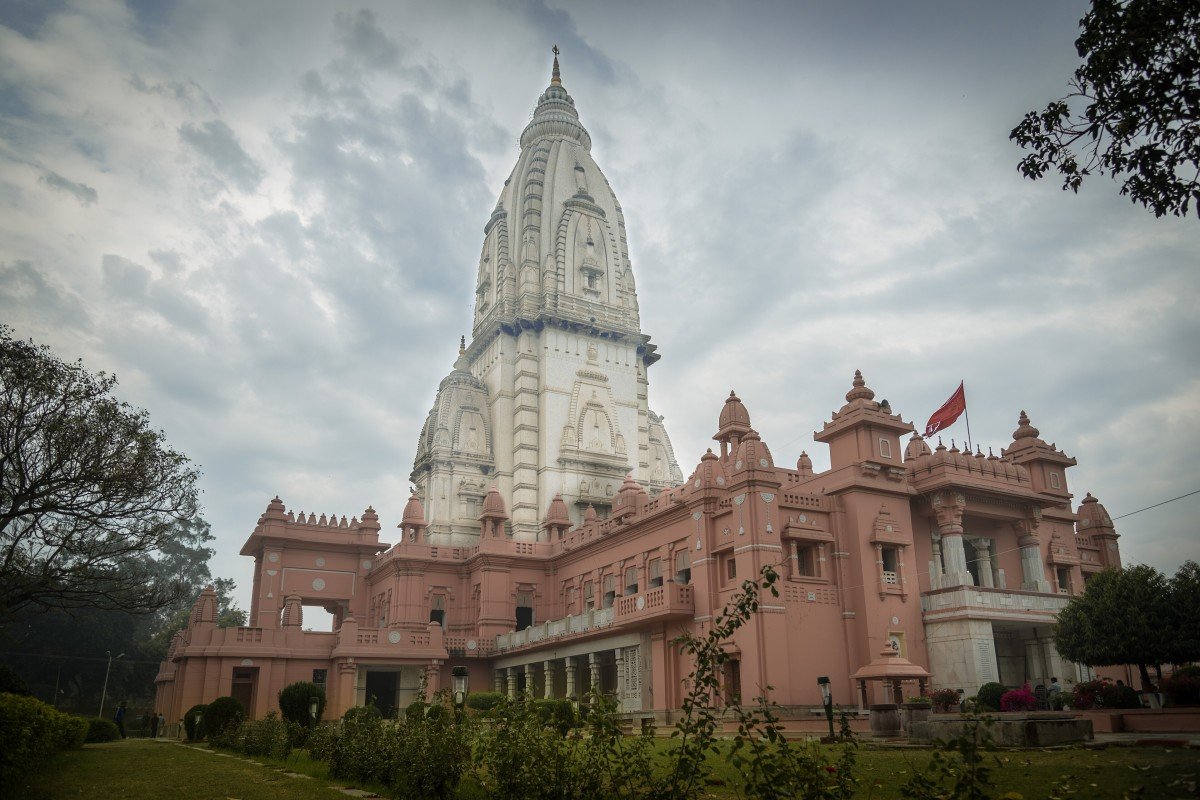
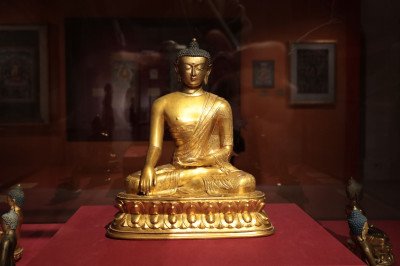 @@Collection Overview: The Bharat Kala Bhavan Museum, located within the sprawling campus of Banaras Hindu University (BHU), is one of India’s most significant university museums. Established in 1920 by Rai Krishnadasa with the support of Pandit Madan Mohan Malaviya, the founder of BHU, the museum's core mission is the preservation and dissemination of Indian art and culture. It boasts a collection of over 100,000 artifacts. @@Historical Journey: The collection was initially established as the Bharatiya Lalit Kala Parishad and moved through several locations in Varanasi before finding its permanent home in BHU in 1962. The foundation stone for the current building was laid by Jawaharlal Nehru in 1950. Rabindranath Tagore served as its first honorary chairman. @@Key Galleries: The museum is organized into various galleries, including the Mahamana Malaviya Gallery, Painting Gallery, Sculpture Gallery, Decorative Art Gallery, and Textile & Costume Gallery. These galleries showcase a vast timeline of Indian history and artistic expression. @@Artifact Highlights: Its impressive holdings include Buddhist and Hindu sculptures from the 1st to 15th centuries, a superb collection of Mughal and Rajasthani miniature paintings, a rare collection of Banaras silk and brocades, ancient coins, stamps, and literary and archival materials, making it a crucial stop for art lovers and scholars. :
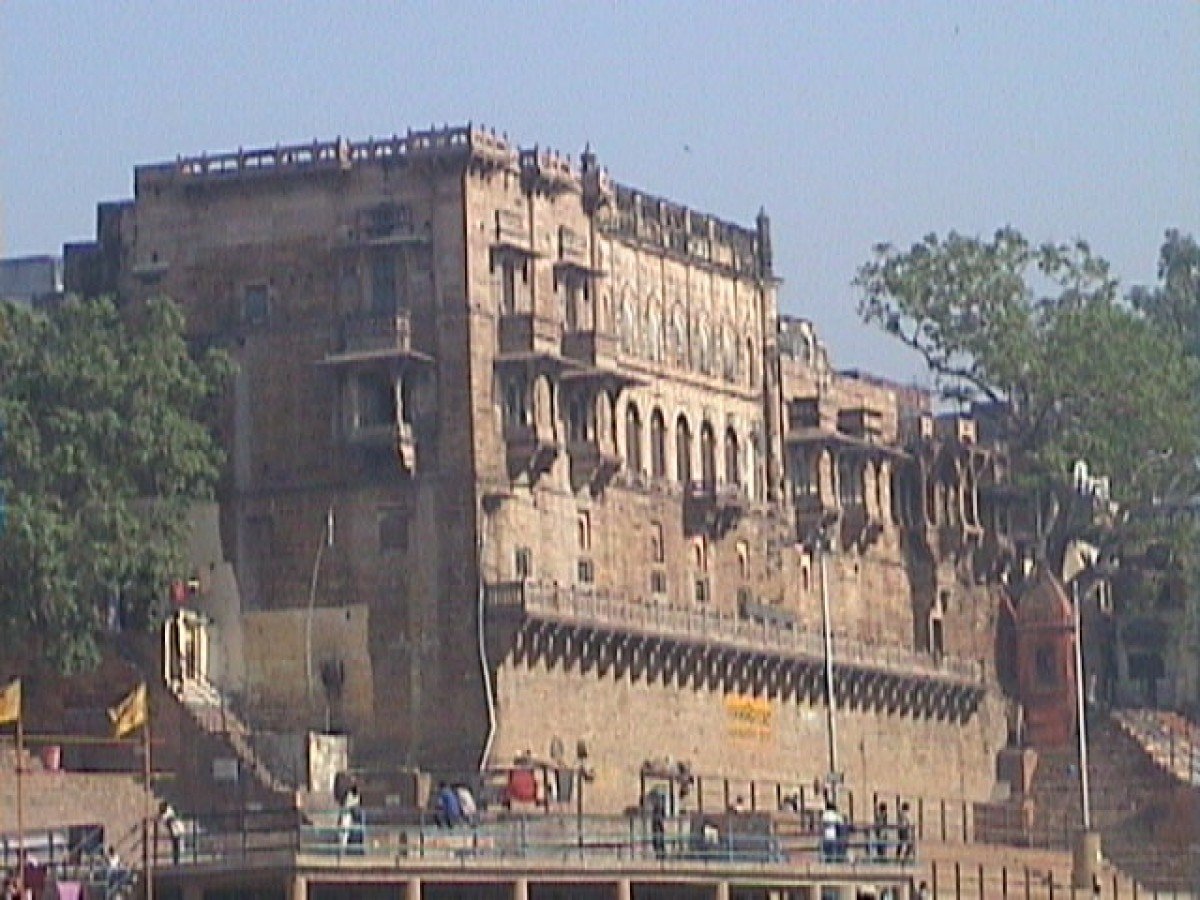
 @@The Scindia Legacy: Scindia Ghat, also known as Shinde Ghat, was built in 1830 AD by the Scindias of Gwalior, a prominent Maratha dynasty, whose architectural contributions are evident in the northern part of the ghats, signifying the vast Maratha influence on the city's infrastructure.: @@The Leaning Temple: The ghat is famously distinguished by the visually striking and partially submerged Ratneshwar Mahadev Temple (or the Leaning Temple of Varanasi), which perpetually leans into the Ganga. This temple's unique state makes the ghat one of the most photographed and picturesque spots on the riverfront.: @@Mythological Birthplace: According to Hindu mythology, the area known as Siddha Kshetra (Field of Fulfillment) atop the ghat is considered the birthplace of Agni, the Hindu God of Fire, giving it profound religious significance related to fire and cremation.
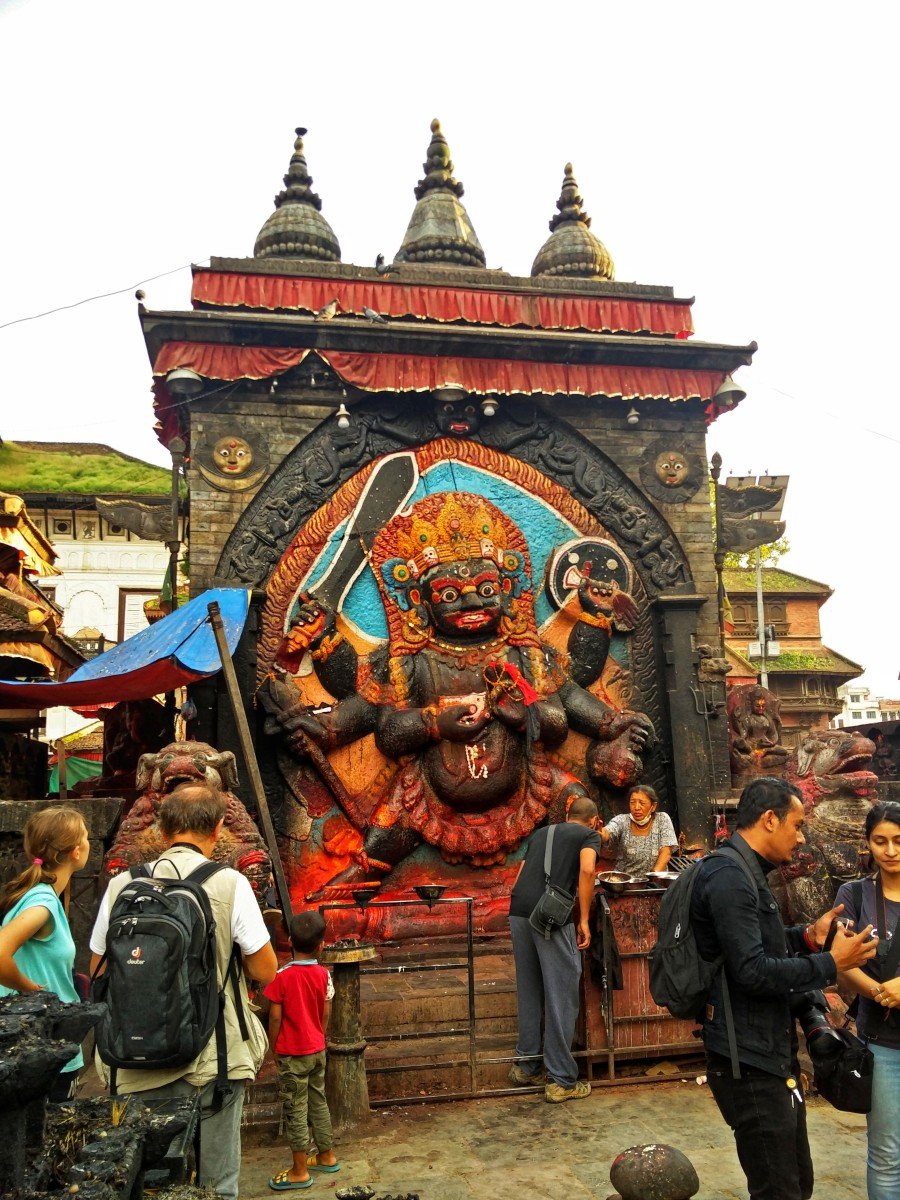
 @@A Replica of Pashupatinath: The Nepali Temple, officially known as Shri Samrajeswar Pashupatinath Mahadev Mandir, is a unique site in Varanasi as it is a miniature, near-replica of the famous Pashupatinath Temple in Kathmandu, Nepal.: @@Royal Origin: The temple was conceptualized by the Nepali King Rana Bahadur Shah, who lived in exile in Varanasi from 1800 to 1804. Though he was murdered before its completion, his son finished the construction, which took nearly three decades, using timber imported from Nepal.: @@Architectural Novelty: It stands out dramatically from the local architecture because it is built in the traditional Nepali Pagoda style, making it a unique sight on the riverbanks of the Ganga and a testimony to the close religious and political ties between the two nations.Show All
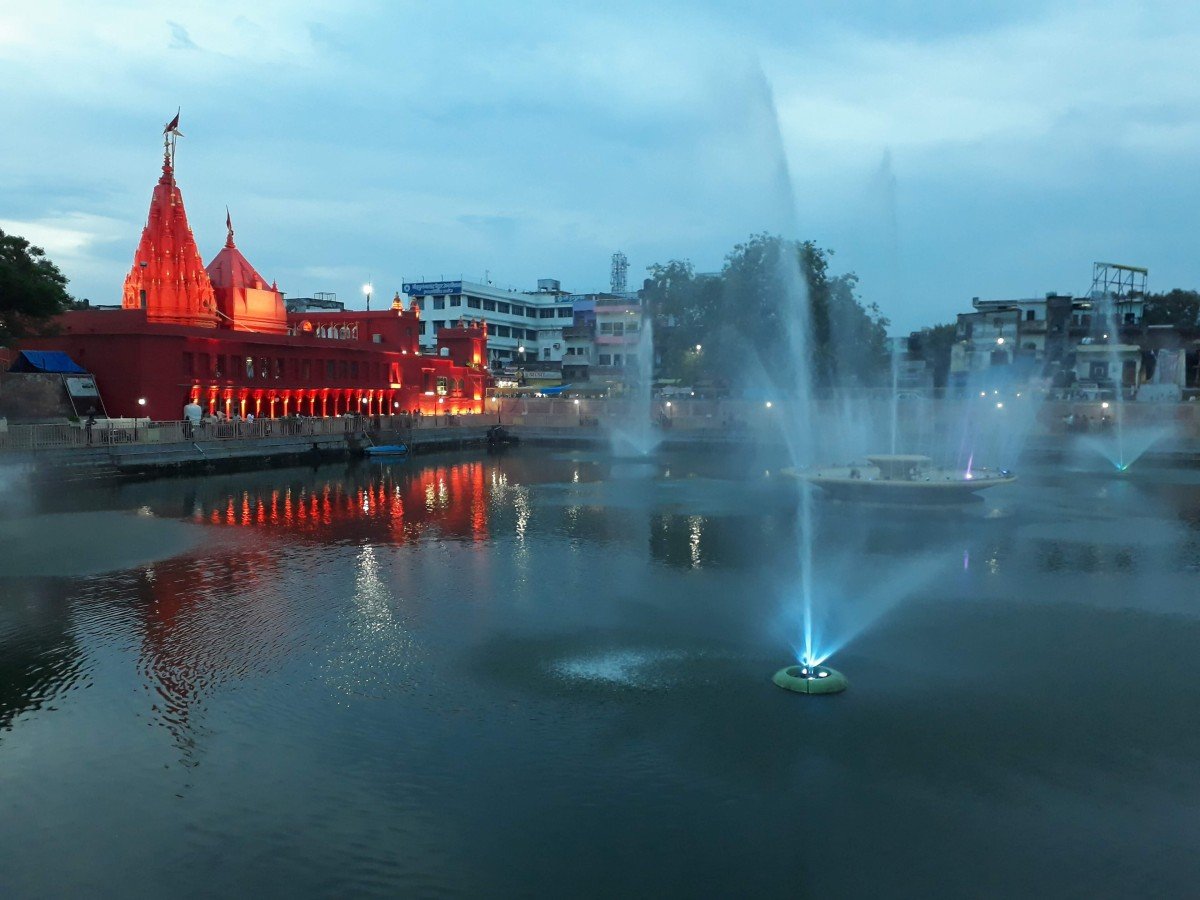
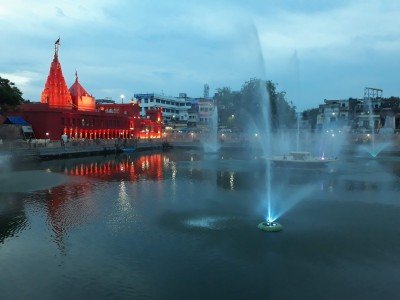 @@Deity and Colour: The Durga Kund Temple, also known as the Durga Temple or the Monkey Temple (due to the large number of monkeys in the area), is a highly revered Hindu temple dedicated to Goddess Durga, the Mother Goddess of Power (Shakti). Its most striking feature is its vibrant red colour, which symbolises the fierce energy of the goddess, and it is built in the Nagara style of architecture. @@Historical Context: The present temple was constructed in the 18th century (around 1760 AD) by a Bengali Queen of the royal house of Natore (now in Bangladesh). This historical link shows the strong cultural and religious connections between Bengal and Varanasi. @@The Sacred Tank (Kund): Adjacent to the temple is a large, rectangular sacred water tank (Kund) from which the place gets its name. This Durga Kund was historically connected to the Ganges and is now filled during the monsoon. It is believed to have been built to represent the water body where Goddess Durga rested. @@Mythology: The temple houses a naturally formed idol (Swayambhu Murti) of Goddess Durga. It is believed that the idol was not sculpted by human hands but appeared miraculously. The Goddess is considered the protector of the city of Kashi from all evils. :
Information
-
Why Famous:
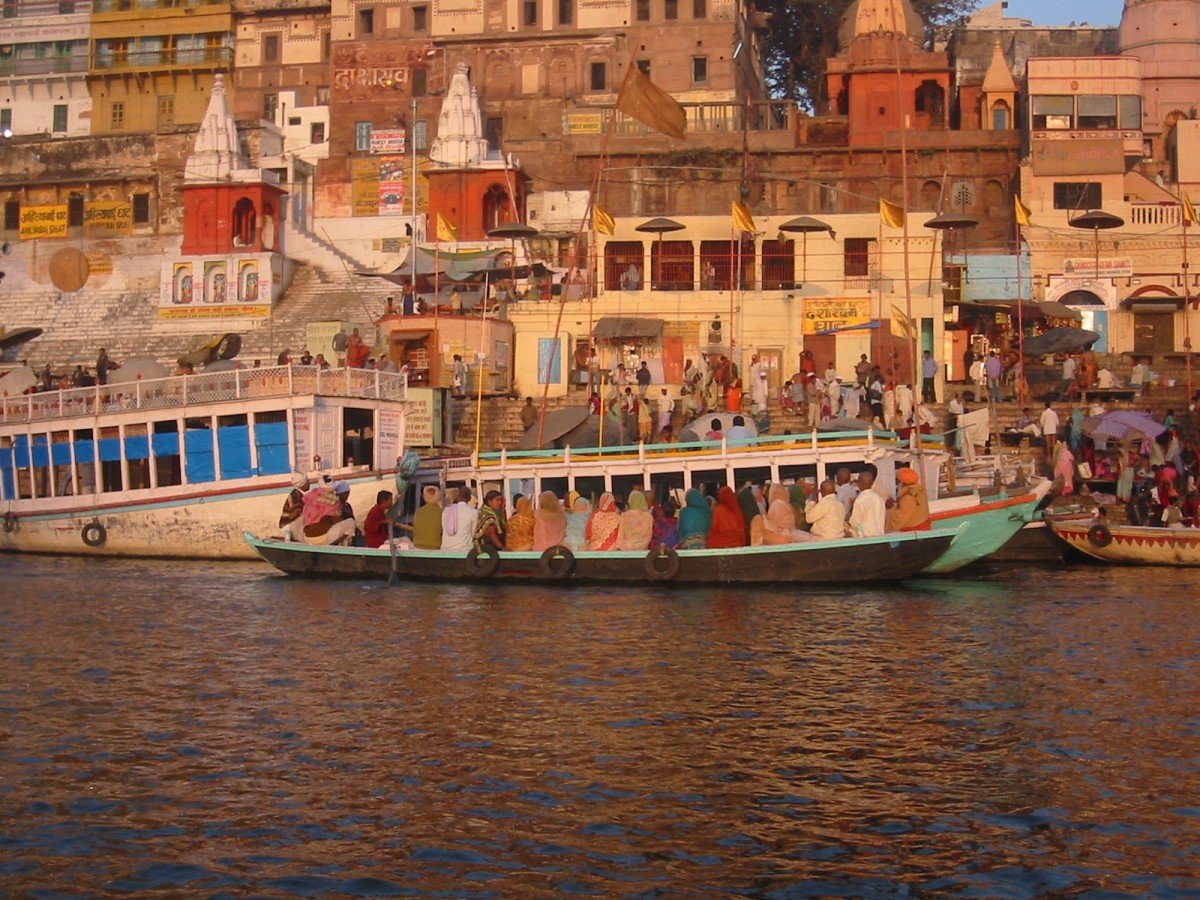
River Ganges: The holy Ganges is the lifeline of the city, and the daily evening Ganga Aarti at Dashashwamedh Ghat is world-famous. Thousands gather to witness priests performing rhythmic rituals with giant brass lamps.
Silk Weaving: Varana...River Ganges: The holy Ganges is the lifeline of the city, and the daily evening Ganga Aarti at Dashashwamedh Ghat is world-famous. Thousands gather to witness priests performing rhythmic rituals with giant brass lamps.
Silk Weaving: Varanasi is globally renowned for its Banarasi Silk Sarees, featuring intricate gold and silver brocade work. This traditional craft has been preserved by local weaver communities for generations.
Ancient Learning: The city is a historic hub for Sanskrit scholars, Ayurveda, and Yoga, maintaining a traditional Guru-Shishya learning system. It remains a premiere destination for those seeking deep spiritual and philosophical knowledge. -
Architecture:
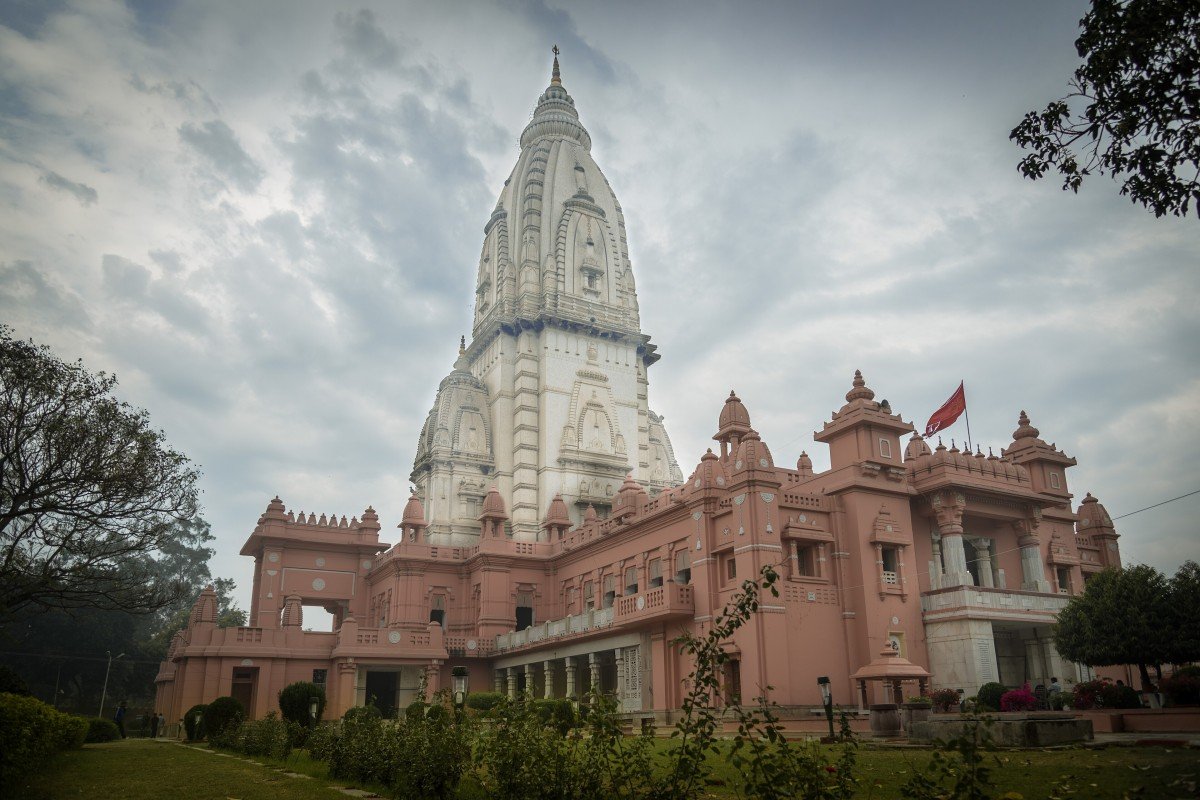
Temple Grandeur: The Kashi Vishwanath Temple features a stunning Gold plated spire, using over 800 kg of pure gold. The temple layout reflects the traditional Nagara style with intricate stone carvings and a central sanctum.
Ghat Construction:<...Temple Grandeur: The Kashi Vishwanath Temple features a stunning Gold plated spire, using over 800 kg of pure gold. The temple layout reflects the traditional Nagara style with intricate stone carvings and a central sanctum.
Ghat Construction: The 84 ghats are massive stone stairways built primarily in the 18th and 19th centuries by Maratha and Rajput rulers. Each ghat showcases unique structural engineering to withstand the seasonal flow of the Ganges.
University Design: Banaras Hindu University (BHU) is a masterpiece of Indo-Saracenic architecture spread across 1,300 acres in a semi-circular layout. The New Vishwanath Temple inside BHU is one of the tallest temple towers in India. -
How To Reach:
By Air: Lal Bahadur Shastri International Airport is 25 KMS from the city, well-connected to major Indian cities like Delhi and Mumbai.
By Train: Varanasi Junction (BSB) and Deen Dayal Upadhyaya Junction (DDU) are major rail heads receiving ...By Air: Lal Bahadur Shastri International Airport is 25 KMS from the city, well-connected to major Indian cities like Delhi and Mumbai.
By Train: Varanasi Junction (BSB) and Deen Dayal Upadhyaya Junction (DDU) are major rail heads receiving trains from across the country.
By Road: The city is connected via National Highway 19, with regular bus services from Lucknow, Prayagraj, and other neighboring states.
By Local: Auto-rickshaws, e-rickshaws, and cycle rickshaws are the primary modes of transport within the congested city lanes. -
Weather and Best Time to Visit:
Winter Season: October to March is the best time as the weather is pleasant for exploring the ghats and temples comfortably.
Time of Day: Early morning at sunrise is magical for boat rides, while the late evening is perfect for witnessing th...Winter Season: October to March is the best time as the weather is pleasant for exploring the ghats and temples comfortably.
Time of Day: Early morning at sunrise is magical for boat rides, while the late evening is perfect for witnessing the grand aartis. -
Near Tourist Places:
Sarnath (10 KMS), Chunar Fort (40 KMS), Vindhyachal (75 KMS), Ramnagar Fort (5 KMS), Prayagraj (120 KMS), Jaunpur (65 KMS), Chandraprabha Sanctuary (70 KMS), Lakhaniya Dari (50 KMS), Kaithi (30 KMS), Bodh Gaya (250 KMS)
Tourism Tips
-
Health & Safety: Drink only bottled water and be cautious of the crowded alleys to avoid pickpockets during major festival gatherings.
Packing: Carry modest clothing that covers shoulders and knees for temple visits, along with comfortable w...Health & Safety: Drink only bottled water and be cautious of the crowded alleys to avoid pickpockets during major festival gatherings.
Packing: Carry modest clothing that covers shoulders and knees for temple visits, along with comfortable walking shoes for the stony ghats.
Accommodation: Stay in heritage guesthouses near the ghats for an authentic experience, or in the Cantonment area for modern luxury hotels.
General Advice: Respect local customs regarding photography at cremation ghats like Manikarnika, where taking photos is strictly prohibited by tradition.
Reviews
FAQs
Varanasi Itineray And Cost:-
Other Places In Uttar Pradesh :-
Other States In India :-
Information about New and Updated Locations() of Uttar Pradesh Has Been Added :-
Card subtitle
Note:-
Information provided here in good Faith and for reference only.
Near Places
Agra
Some quick example text to build on the card title and make up the bulk of the card's content.
Go somewhere
Aligarh
Some quick example text to build on the card title and make up the bulk of the card's content.
Go somewhere
Ayodhya
Some quick example text to build on the card title and make up the bulk of the card's content.
Go somewhere
Azamgarh
Some quick example text to build on the card title and make up the bulk of the card's content.
Go somewhere
Bahraich
Some quick example text to build on the card title and make up the bulk of the card's content.
Go somewhere
Bareilly
Some quick example text to build on the card title and make up the bulk of the card's content.
Go somewhere
Chitrakoot
Some quick example text to build on the card title and make up the bulk of the card's content.
Go somewhere
Fatehpur Sikri
Some quick example text to build on the card title and make up the bulk of the card's content.
Go somewhere
Ghaziabad
Some quick example text to build on the card title and make up the bulk of the card's content.
Go somewhere
Gorakhpur
Some quick example text to build on the card title and make up the bulk of the card's content.
Go somewhere
Hastinapur
Some quick example text to build on the card title and make up the bulk of the card's content.
Go somewhere
Jhansi
Some quick example text to build on the card title and make up the bulk of the card's content.
Go somewhere
Kanpur
Some quick example text to build on the card title and make up the bulk of the card's content.
Go somewhere
Kushinagar
Some quick example text to build on the card title and make up the bulk of the card's content.
Go somewhere
Lucknow
Some quick example text to build on the card title and make up the bulk of the card's content.
Go somewhere
Mathura
Some quick example text to build on the card title and make up the bulk of the card's content.
Go somewherein Other Cities