Sultanpur
General information
-
Ideal Duration:
1 DayPlace Type:
Heritage & PilgrimageEntry Fees:
Public Heritage Sites: Most historical sites in Sultanpur, including the Sitakund ghats and the Victoria Manzil, are free for public entry and do not require any formal ticketing.
Religious Donations: While entry is free to the temples and c...Public Heritage Sites: Most historical sites in Sultanpur, including the Sitakund ghats and the Victoria Manzil, are free for public entry and do not require any formal ticketing.
Religious Donations: While entry is free to the temples and churches, it is common for visitors to make small voluntary contributions for the maintenance of these ancient spiritual landmarks.
Photography Charges: There are generally no fees for amateur photography in public areas, but permission might be needed for professional video recording inside government-occupied heritage buildings.Timing:
Regular Visiting Hours: Most temples and public monuments are open from 6:00 AM to 8:00 PM, while the ghats are accessible throughout the day for pilgrims and casual visitors.
Best Time for Rituals: To witness the most authentic religious ac...Regular Visiting Hours: Most temples and public monuments are open from 6:00 AM to 8:00 PM, while the ghats are accessible throughout the day for pilgrims and casual visitors.
Best Time for Rituals: To witness the most authentic religious activities, visit Sitakund between 5:00 AM and 7:00 AM when the morning prayers and baths are in full swing.
Evening Stroll: The period between 5:30 PM and 7:30 PM is the most pleasant for visiting the riverfront and the city center as the markets become vibrant and the weather cools down.Special Events:
Chaitra Ram Navami: Celebrated with great fervor in April, this event marks the birth of Lord Rama and involves large processions and special prayers at the Sitakund ghats.
Kartika Bathing Fair: Held in November, this massive fair attracts d...Chaitra Ram Navami: Celebrated with great fervor in April, this event marks the birth of Lord Rama and involves large processions and special prayers at the Sitakund ghats.
Kartika Bathing Fair: Held in November, this massive fair attracts devotees from neighboring districts who come for a ritual dip and to participate in the local rural trade fair.
Independence Day Mela: The city celebrates national days with cultural programs at the Pant Stadium, featuring local school performances and patriotic displays by the district administration.Best Photo Spots:
Sitakund Aarti: The evening light at the ghats during the ritual lamps ceremony provides a beautiful spiritual scene, perfect for capturing the essence of Indian religious life and culture.
Victoria Manzil Frontage: The grand facade of this ...Sitakund Aarti: The evening light at the ghats during the ritual lamps ceremony provides a beautiful spiritual scene, perfect for capturing the essence of Indian religious life and culture.
Victoria Manzil Frontage: The grand facade of this colonial building is best photographed during the late afternoon when the sun highlights the architectural details and the brickwork.
Gomti River Sunset: The reflection of the setting sun in the calm waters of the Gomti provides a serene landscape backdrop, ideal for photographers looking for natural beauty in an urban setting.Photo Gallery

Things To Do
 Vijai Thanda Memorial Park is a prominent, well-maintained public park and green space in Sultanpur, dedicated to the memory of a local personality or historical event (specific details often vary locally): It serves as a vital green lung for the city, providing a much-needed open space for recreation, relaxation, and physical activities for the local community and visitors: The park features beautifully landscaped gardens, shaded walkways, open lawns, and often a central memorial structure or statue, making it a peaceful and visually pleasant place: Due to its proximity to the Sultanpur Railway Station and the main highway, it is a highly accessible and popular meeting point: Families often visit for picnics, children use the play areas, and fitness enthusiasts use the paths for morning and evening walks: The park is a testament to the local administration's effort to create and preserve community spaces, enhancing the quality of urban life in Sultanpur: The overall environment is calm and serene, offering a welcome break from the noise and dust of the nearby busy highway.
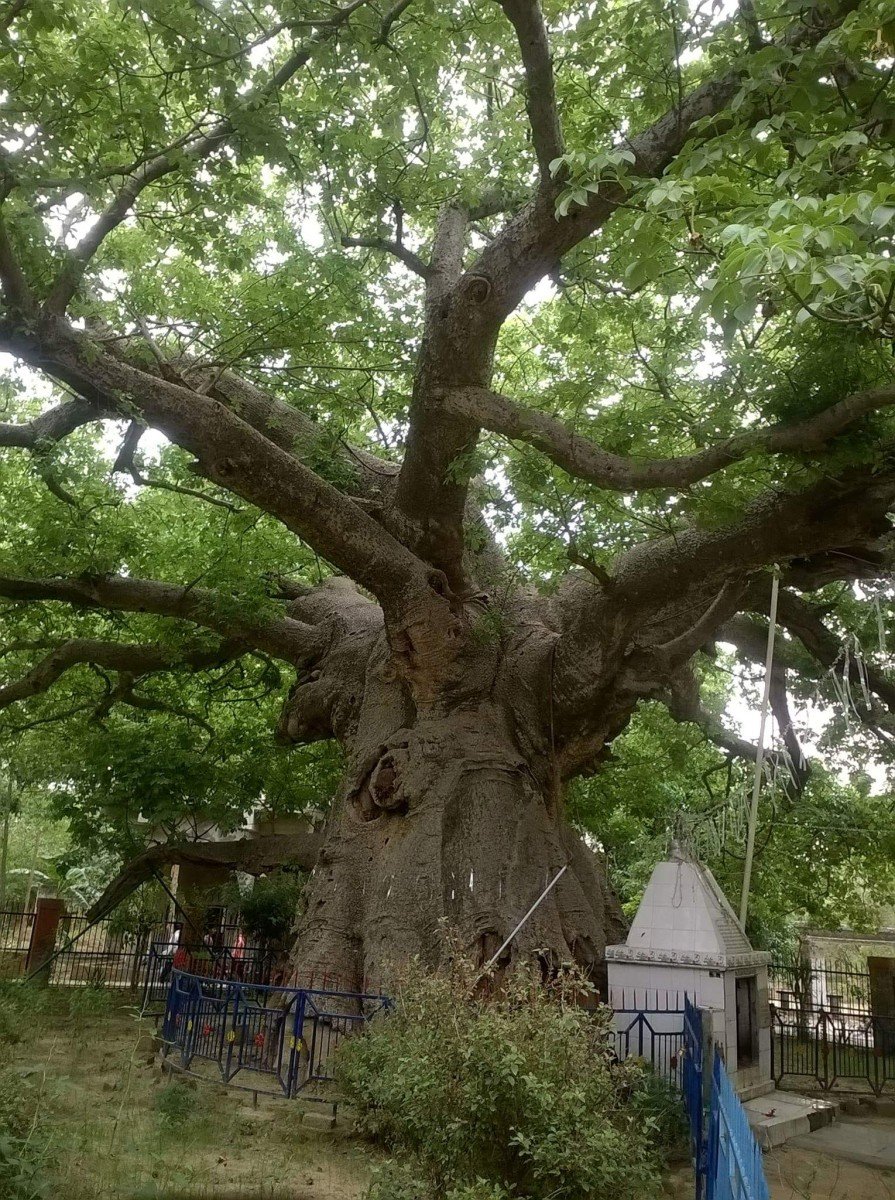
 @@Mythological Legend: The Paarijaat Divine Tree is a singular, extraordinary attraction whose fame is rooted in deep Hindu mythology, particularly the legend of the Kalpavriksha (wish-fulfilling tree). One prominent legend states that this tree emerged during the Samudra Manthan (cosmic churning of the ocean) and was brought to earth from heaven (Indralok) by Lord Krishna for his wife, Satyabhama, or by Arjuna for his mother, Kunti, to offer its unique flowers to Lord Shiva. @@Botanical Mystery: The tree is an exceptional botanical marvel. It is scientifically identified as a Baobab tree (Adansonia digitata), a species native to Sub-Saharan Africa. Its isolated presence in Northern India, especially in the fertile Gangetic plain, makes it a biological anomaly. Adding to the mystery, the tree is often described as non-propagating, neither bearing fruit nor growing from cuttings, which reinforces the local belief in its divine, celestial origin. @@Pilgrimage and Cultural Significance: The tree is a highly sacred pilgrimage site, drawing devotees, scholars, and nature lovers. People believe that offering prayers or making a wish under the tree can lead to its fulfillment. The surrounding area is serene, with a small temple dedicated to Lord Shiva often nearby, adding to the spiritual atmosphere. It is a symbol of faith, a link to the mythological past, and a unique natural treasure:
@@The Park's Essence: Amhat Park is renowned as the largest and most beautifully maintained green space in Sultanpur city, offering a serene escape from the urban hustle. It serves as a vital recreational and social hub for the local community. The park is characterized by its sprawling lawns, meticulously manicured gardens, and a dense canopy of mature trees, providing abundant shade and a fresh, calm atmosphere. @@Features and Activities: Within its boundaries, the park features a variety of amenities including dedicated walking and jogging tracks that weave through the landscape, making it a favorite spot for fitness enthusiasts in the early mornings and late afternoons. Children are drawn to its well-equipped play areas, while families enjoy picnics and casual gatherings on the open grounds. The central features often include a decorative fountain or a small water body, enhancing the park's tranquil aesthetic. The park often hosts small cultural events or community gatherings, solidifying its role as a key public space. The sheer size of the park allows for a feeling of openness and peace, which is a significant draw for people seeking quiet contemplation. It represents the city's commitment to maintaining ecological balance amidst development, acting as the lungs of the central area. The diverse flora and seasonal flower beds add splashes of color throughout the year, making every visit visually engaging. It is an ideal spot for nature photography, particularly during the blooming season. The park's management ensures cleanliness and security, making it safe and enjoyable for visitors of all ages, from children to senior citizens. Amhat Park symbolizes community well-being and is a cherished landmark in Sultanpur:
@@Mythological Legend: The Paarijaat Divine Tree is a singular, extraordinary attraction whose fame is rooted in deep Hindu mythology, particularly the legend of the Kalpavriksha (wish-fulfilling tree). One prominent legend states that this tree emerged during the Samudra Manthan (cosmic churning of the ocean) and was brought to earth from heaven (Indralok) by Lord Krishna for his wife, Satyabhama, or by Arjuna for his mother, Kunti, to offer its unique flowers to Lord Shiva. @@Botanical Mystery: The tree is an exceptional botanical marvel. It is scientifically identified as a Baobab tree (Adansonia digitata), a species native to Sub-Saharan Africa. Its isolated presence in Northern India, especially in the fertile Gangetic plain, makes it a biological anomaly. Adding to the mystery, the tree is often described as non-propagating, neither bearing fruit nor growing from cuttings, which reinforces the local belief in its divine, celestial origin. @@Pilgrimage and Cultural Significance: The tree is a highly sacred pilgrimage site, drawing devotees, scholars, and nature lovers. People believe that offering prayers or making a wish under the tree can lead to its fulfillment. The surrounding area is serene, with a small temple dedicated to Lord Shiva often nearby, adding to the spiritual atmosphere. It is a symbol of faith, a link to the mythological past, and a unique natural treasure:
@@The Park's Essence: Amhat Park is renowned as the largest and most beautifully maintained green space in Sultanpur city, offering a serene escape from the urban hustle. It serves as a vital recreational and social hub for the local community. The park is characterized by its sprawling lawns, meticulously manicured gardens, and a dense canopy of mature trees, providing abundant shade and a fresh, calm atmosphere. @@Features and Activities: Within its boundaries, the park features a variety of amenities including dedicated walking and jogging tracks that weave through the landscape, making it a favorite spot for fitness enthusiasts in the early mornings and late afternoons. Children are drawn to its well-equipped play areas, while families enjoy picnics and casual gatherings on the open grounds. The central features often include a decorative fountain or a small water body, enhancing the park's tranquil aesthetic. The park often hosts small cultural events or community gatherings, solidifying its role as a key public space. The sheer size of the park allows for a feeling of openness and peace, which is a significant draw for people seeking quiet contemplation. It represents the city's commitment to maintaining ecological balance amidst development, acting as the lungs of the central area. The diverse flora and seasonal flower beds add splashes of color throughout the year, making every visit visually engaging. It is an ideal spot for nature photography, particularly during the blooming season. The park's management ensures cleanliness and security, making it safe and enjoyable for visitors of all ages, from children to senior citizens. Amhat Park symbolizes community well-being and is a cherished landmark in Sultanpur: Lohramau Devi Temple is one of the most revered and ancient Hindu temples in the Sultanpur district, dedicated to Goddess Durga (a form of Shakti): The temple holds immense spiritual significance for the local population and devotees from surrounding regions, with a strong belief in the wish-fulfilling power of the presiding deity: The shrine is a center of vibrant religious activity, especially during the Navratri festival, when a large fair is held, and devotees throng the premises in massive numbers for 'darshan' and to offer prayers: It is situated in the village of Lohramau, strategically located on the National Highway, making it easily accessible: The atmosphere within the temple complex is deeply spiritual and devotional, characterized by the sounds of hymns and the sight of devotees offering prasad and chunari to the Goddess: The temple's history is intertwined with local folklore and mythological accounts, though clear historical records of its founding are often scarce due to its ancient nature: It serves not only as a place of worship but also as a cultural nucleus, fostering community bonding and preserving traditional religious practices: Many travelers pause here for a quick prayer and blessings before continuing their journey along the busy highway.
 @@Historical Milestone: Christ Church is a historically significant religious landmark in Sultanpur, inaugurated and consecrated on November 16, 1869. It stands as a profound testament to the British military and administrative presence in the region during the colonial era, specifically serving the European community in the cantonment and Civil Lines area. Its establishment coincided with the reorganization of the modern town of Sultanpur on the right bank of the Gomti after the town's destruction during the 1857 Uprising. @@Spiritual and Social Role: The church was initially reserved for the British officials and European residents. Over time, it opened its doors to the local Christian community and has since served as a key center for worship, community gathering, and charitable activities. It represents a unique cultural and religious layer in the city's diverse tapestry. @@Architectural Beauty: It is celebrated for its distinctive Gothic Revival architecture, which stands out prominently against the local architectural styles. The building’s design, often featuring pointed arches, a robust bell tower, and simple yet elegant interiors, draws admirers of historical architecture. The atmosphere inside the church is one of quiet sanctity and historical depth, offering a peaceful and cool retreat from the Civil Lines area's heat and activity. Its sustained existence and maintenance over more than 150 years make it a cherished piece of local heritage. The grounds are often well-maintained, adding to the dignified setting of the place of worship. It remains a beautiful, active house of prayer:
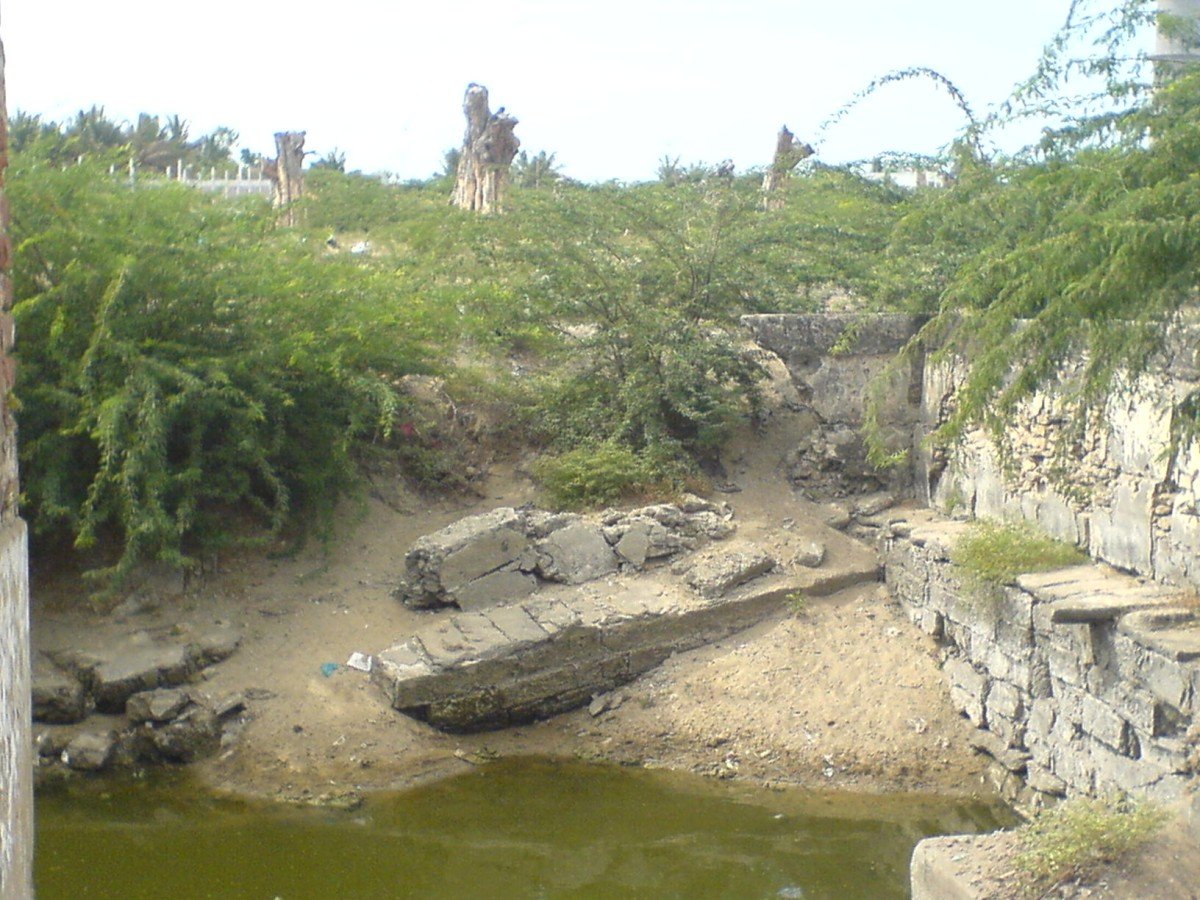
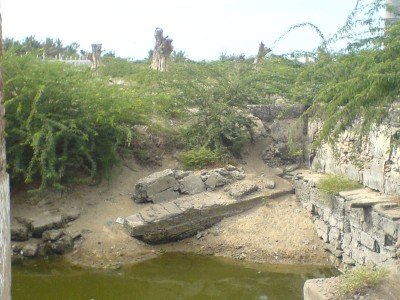 Sita Kund is a profoundly sacred and historical bathing ghat located on the banks of the holy River Gomti in Sultanpur, named after Goddess Sita, the wife of Lord Rama: According to local legend and ancient Hindu texts, Goddess Sita is believed to have taken a holy dip in this kund (pond/ghat) while she was in exile with Lord Rama and Lakshmana, making the waters highly sanctified: The site is one of the most important pilgrimage spots in Sultanpur, drawing a large number of devotees, particularly on auspicious Hindu bathing days and festivals: The atmosphere is deeply spiritual and often bustling with ritualistic activity, with the gentle flow of the Gomti adding to the serenity: Devotees perform pujas, offer prayers, and take a symbolic dip in the river to cleanse their sins and seek blessings: The ghat is a focal point for several major religious fairs and melas, linking the city's spiritual life directly to the river: It is a place where history, mythology, and present-day devotion converge, representing the deep cultural roots of Sultanpur as part of the ancient Kosala kingdom.
@@Urban and Spiritual Fusion: Golaghaat is a primary river Ghat in Sultanpur, strategically located close to the city center and the historical Civil Lines area. It is a bustling, vibrant spot where the city's spiritual life seamlessly merges with its daily social and commercial activities. As one of the main accessible points on the holy Gomti River, it is utilized by locals for everything from ritual baths and offerings to washing clothes and simply sitting by the river. @@Religious Importance: While Dhopap holds the mythological significance of Lord Rama, Golaghaat is the center for the city's everyday spiritual practices. It hosts small shrines and platforms where devotees offer prayers to the river and the Sun God. The atmosphere is less formal than a temple, allowing for a genuine, unvarnished view of local religious life and river culture. @@Social and Commercial Hub: Unlike the remote Dhopap Ghat, Golaghaat is surrounded by markets and residential areas. The steps are a popular meeting point in the evenings. The sight of small boats (if available) on the water, the sounds of prayers, and the general human activity make it a living, breathing part of Sultanpur's identity. The Ghat is particularly active during the Hindu lunar calendar months of Chaitra and Kartik, when special bathing fairs are held. It is a critical node in the city's relationship with its main river:Show All
@@Historical and Civic Role: Sunder Lal Memorial Hall, originally known as Victoria Manzil, is a historical building of immense civic importance. It was constructed to commemorate the first jubilee of Queen Victoria in the late 19th century. Its original purpose was likely a hall for civic functions, meetings, and possibly a reading room for the British and local elites. It stands as a physical marker of the peak of the British Raj's administrative presence in Sultanpur. @@Current Use: Today, the hall houses the office of the Municipal Board, making it the seat of the city's local government and administration. This transition from a colonial commemorative building to a key functional part of modern civic life reflects the evolution of Sultanpur as a city. The building’s historical facade and its modern administrative function make it a fascinating architectural and historical blend. @@Context and Location: Its location in the Civil Lines area, right next to the Christ Church and opposite the Collectorate, places it at the absolute heart of the historical administrative hub. The building is a quiet monument to the city's structured past, now serving the daily needs of the community as the municipal headquarters. The building is a cherished piece of local heritage, frequently seen in official documents and local records:
Sita Kund is a profoundly sacred and historical bathing ghat located on the banks of the holy River Gomti in Sultanpur, named after Goddess Sita, the wife of Lord Rama: According to local legend and ancient Hindu texts, Goddess Sita is believed to have taken a holy dip in this kund (pond/ghat) while she was in exile with Lord Rama and Lakshmana, making the waters highly sanctified: The site is one of the most important pilgrimage spots in Sultanpur, drawing a large number of devotees, particularly on auspicious Hindu bathing days and festivals: The atmosphere is deeply spiritual and often bustling with ritualistic activity, with the gentle flow of the Gomti adding to the serenity: Devotees perform pujas, offer prayers, and take a symbolic dip in the river to cleanse their sins and seek blessings: The ghat is a focal point for several major religious fairs and melas, linking the city's spiritual life directly to the river: It is a place where history, mythology, and present-day devotion converge, representing the deep cultural roots of Sultanpur as part of the ancient Kosala kingdom.
@@Urban and Spiritual Fusion: Golaghaat is a primary river Ghat in Sultanpur, strategically located close to the city center and the historical Civil Lines area. It is a bustling, vibrant spot where the city's spiritual life seamlessly merges with its daily social and commercial activities. As one of the main accessible points on the holy Gomti River, it is utilized by locals for everything from ritual baths and offerings to washing clothes and simply sitting by the river. @@Religious Importance: While Dhopap holds the mythological significance of Lord Rama, Golaghaat is the center for the city's everyday spiritual practices. It hosts small shrines and platforms where devotees offer prayers to the river and the Sun God. The atmosphere is less formal than a temple, allowing for a genuine, unvarnished view of local religious life and river culture. @@Social and Commercial Hub: Unlike the remote Dhopap Ghat, Golaghaat is surrounded by markets and residential areas. The steps are a popular meeting point in the evenings. The sight of small boats (if available) on the water, the sounds of prayers, and the general human activity make it a living, breathing part of Sultanpur's identity. The Ghat is particularly active during the Hindu lunar calendar months of Chaitra and Kartik, when special bathing fairs are held. It is a critical node in the city's relationship with its main river:Show All
@@Historical and Civic Role: Sunder Lal Memorial Hall, originally known as Victoria Manzil, is a historical building of immense civic importance. It was constructed to commemorate the first jubilee of Queen Victoria in the late 19th century. Its original purpose was likely a hall for civic functions, meetings, and possibly a reading room for the British and local elites. It stands as a physical marker of the peak of the British Raj's administrative presence in Sultanpur. @@Current Use: Today, the hall houses the office of the Municipal Board, making it the seat of the city's local government and administration. This transition from a colonial commemorative building to a key functional part of modern civic life reflects the evolution of Sultanpur as a city. The building’s historical facade and its modern administrative function make it a fascinating architectural and historical blend. @@Context and Location: Its location in the Civil Lines area, right next to the Christ Church and opposite the Collectorate, places it at the absolute heart of the historical administrative hub. The building is a quiet monument to the city's structured past, now serving the daily needs of the community as the municipal headquarters. The building is a cherished piece of local heritage, frequently seen in official documents and local records:Information
-
Why Famous:
Legend of Kusha: The city is famous as the legendary capital established by Rama's son, making it a key destination for those interested in the Ramayana circuit and ancient lore.
Religious Fairs: It is renowned for the Sitakund fairs held tw...Legend of Kusha: The city is famous as the legendary capital established by Rama's son, making it a key destination for those interested in the Ramayana circuit and ancient lore.
Religious Fairs: It is renowned for the Sitakund fairs held twice a year, which are among the largest local gatherings in the Sultanpur district, showcasing deep-rooted folk traditions.
Parijaat Tree: The district is home to a sacred Parijaat tree, which is believed to be of divine origin and is visited by thousands of devotees seeking blessings and spiritual peace. -
Architecture:
Victoria Manzil Design: The building features classical Victorian architecture with high ceilings, large arched windows, and a distinctive clock tower that stands as a landmark in the city center.
Christ Church: Built in 1869, this church di...Victoria Manzil Design: The building features classical Victorian architecture with high ceilings, large arched windows, and a distinctive clock tower that stands as a landmark in the city center.
Christ Church: Built in 1869, this church displays the Gothic revival style with pointed arches and stained-glass elements, measuring roughly 20 meters in length and 12 meters in width.
Ghat Architecture: The steps at Sitakund are built with local sandstone and follow the traditional Indian riverfront design, providing a functional space for rituals and large community gatherings. -
How To Reach:
By Air: The nearest airport is Chaudhary Charan Singh International Airport in Lucknow, situated about 140 KM away, which is well-connected to all major cities in India.
By Train: Sultanpur Junction (SLN) is a major railway station on the Lu...By Air: The nearest airport is Chaudhary Charan Singh International Airport in Lucknow, situated about 140 KM away, which is well-connected to all major cities in India.
By Train: Sultanpur Junction (SLN) is a major railway station on the Lucknow-Varanasi line, with direct trains like the Shramjeevi Express connecting it to Delhi and Patna.
By Road: The city is a major road junction connected by National Highway 731 and 128, with frequent bus services from Lucknow, Varanasi, and Ayodhya taking about 3 hours.
By Local Transport: The city is best navigated using auto-rickshaws and e-rickshaws, which are plentiful and offer a cheap way to travel between the railway station and local attractions. -
Weather and Best Time to Visit:
Winter Season (Oct-Mar): This is the ideal time to visit as the weather is cool and pleasant, making it comfortable for outdoor temple visits and exploring the historic riverfront.
Monsoon Months (Jul-Sep): The Gomti river looks magnificent ...Winter Season (Oct-Mar): This is the ideal time to visit as the weather is cool and pleasant, making it comfortable for outdoor temple visits and exploring the historic riverfront.
Monsoon Months (Jul-Sep): The Gomti river looks magnificent during the rains, though humidity is high and there can be occasional flooding in the low-lying areas near the ghats.
Summer Peak (May-Jun): Summers are extremely hot with temperatures reaching 44°C, so travel is only recommended if you can stick to early morning or late evening schedules. -
Near Tourist Places:
Ayodhya (45 KM), Lucknow (140 KM), Varanasi (160 KM), Prayagraj (100 KM), Amethi (35 KM), Raebareli (95 KM), Jaunpur (95 KM), Pratapgarh (45 KM), Faizabad (45 KM), Akbarpur (60 KM)
Tourism Tips
-
Health & Safety: Ensure you drink only purified or bottled water and carry basic sun protection like an umbrella; be cautious while walking near the river during the monsoon season.
Packing for Sultanpur: Carry light cotton clothes for most...Health & Safety: Ensure you drink only purified or bottled water and carry basic sun protection like an umbrella; be cautious while walking near the river during the monsoon season.
Packing for Sultanpur: Carry light cotton clothes for most of the year and a medium-weight jacket if visiting in January; always have a pair of comfortable sandals for easy temple entry.
Accommodation Advice: There are several mid-range and budget hotels located near the Sultanpur bus stand and railway station that provide decent amenities and local Awadhi food.
Cultural Interaction: Engage politely with the local priests and shopkeepers; it is often helpful to learn a few basic Hindi phrases to make your navigation through the local bazaars easier.
Reviews
FAQs
Sultanpur Itineray And Cost:-
Other Places In Uttar Pradesh :-
Other States In India :-
Information about New and Updated Locations() of Uttar Pradesh Has Been Added :-
Card subtitle
Note:-
Information provided here in good Faith and for reference only.
Near Places
Agra
Some quick example text to build on the card title and make up the bulk of the card's content.
Go somewhere
Aligarh
Some quick example text to build on the card title and make up the bulk of the card's content.
Go somewhere
Ayodhya
Some quick example text to build on the card title and make up the bulk of the card's content.
Go somewhere
Azamgarh
Some quick example text to build on the card title and make up the bulk of the card's content.
Go somewhere
Bahraich
Some quick example text to build on the card title and make up the bulk of the card's content.
Go somewhere
Bareilly
Some quick example text to build on the card title and make up the bulk of the card's content.
Go somewhere
Chitrakoot
Some quick example text to build on the card title and make up the bulk of the card's content.
Go somewhere
Fatehpur Sikri
Some quick example text to build on the card title and make up the bulk of the card's content.
Go somewhere
Ghaziabad
Some quick example text to build on the card title and make up the bulk of the card's content.
Go somewhere
Gorakhpur
Some quick example text to build on the card title and make up the bulk of the card's content.
Go somewhere
Hastinapur
Some quick example text to build on the card title and make up the bulk of the card's content.
Go somewhere
Jhansi
Some quick example text to build on the card title and make up the bulk of the card's content.
Go somewhere
Kanpur
Some quick example text to build on the card title and make up the bulk of the card's content.
Go somewhere
Kushinagar
Some quick example text to build on the card title and make up the bulk of the card's content.
Go somewhere
Lucknow
Some quick example text to build on the card title and make up the bulk of the card's content.
Go somewhere
Mathura
Some quick example text to build on the card title and make up the bulk of the card's content.
Go somewherein Other Cities