

Zunheboto
General information
-
Ideal Duration:
1 to 2 DaysPlace Type:
Wildlife / Religious CenterEntry Fees:
Permit Fees: While there is no entry fee for the town, an Inner Line Permit (ILP) is mandatory for all Indian visitors. Entry to the Ghosu Bird Sanctuary may require a small community maintenance fee of approximately INR 50 to 100 per visitor. ...Permit Fees: While there is no entry fee for the town, an Inner Line Permit (ILP) is mandatory for all Indian visitors. Entry to the Ghosu Bird Sanctuary may require a small community maintenance fee of approximately INR 50 to 100 per visitor.Timing:
Regular Timings: Most attractions and markets are open from 8:00 AM to 4:00 PM. The Sumi Baptist Church is open daily, but visitors should avoid wandering during prayer services unless they are participating.
Ideal Visit Time: Early morning...Regular Timings: Most attractions and markets are open from 8:00 AM to 4:00 PM. The Sumi Baptist Church is open daily, but visitors should avoid wandering during prayer services unless they are participating.
Ideal Visit Time: Early mornings from 6:00 AM to 9:00 AM are best for birdwatching at Ghosu, while the afternoon is perfect for exploring the town and church architecture.Special Events:
Tuluni Festival: Celebrated in mid-July, this is the most important festival of the Sumi tribe, marked by grand feasting and traditional dances. It is a time for strengthening community bonds and is celebrated with immense pride and joy across the district. ...Tuluni Festival: Celebrated in mid-July, this is the most important festival of the Sumi tribe, marked by grand feasting and traditional dances. It is a time for strengthening community bonds and is celebrated with immense pride and joy across the district.Best Photo Spots:
Church Bell Tower: The towering structure of the Sumi Baptist Church against the backdrop of the rolling green hills is the most iconic shot in Zunheboto. The blue roof provides a striking contrast to the surrounding natural greenery.
Satoi For...Church Bell Tower: The towering structure of the Sumi Baptist Church against the backdrop of the rolling green hills is the most iconic shot in Zunheboto. The blue roof provides a striking contrast to the surrounding natural greenery.
Satoi Forest Trails: The mist-covered paths and ancient trees of the Satoi Range offer a hauntingly beautiful setting for nature photography. During April and May, the blooming rhododendrons add a splash of vibrant color to the forest floor.Photo Gallery
Things To Do
 Aghunato Town is a breathtaking hilly settlement nestled in the eastern part of the Zunheboto district in Nagaland, India. Known for its rugged terrain and deep-rooted Sumi Naga heritage, this town serves as a vital administrative and cultural sub-division. The town is perched at a high elevation, offering visitors panoramic views of the verdant valleys and the mist-covered peaks of the Naga Hills. Life in Aghunato is deeply connected to nature and traditional customs, where the locals practice age-old agricultural techniques like jhum cultivation. The town is surrounded by dense evergreen forests that are home to rare flora and fauna, making it a dream destination for eco-tourists and anthropologists. Visitors can immerse themselves in the local lifestyle by visiting the traditional Sumi households and learning about the history of the legendary Naga warriors. The atmosphere here is serene, far removed from the hustle and bustle of urban cities, providing a peaceful retreat for those looking to reconnect with the earth. The community is predominantly Christian, and the local churches serve as social and spiritual hubs for the residents. Exploring Aghunato allows one to witness the perfect blend of modern administration and ancient tribal traditions. The town is also a gateway to further remote villages where the Sumi culture is preserved in its purest form. Whether you are trekking through the nearby hills or engaging in a conversation with the hospitable locals, Aghunato leaves an indelible mark on your soul. It is a place where every ridge tells a story of bravery and every valley echoes with the sounds of traditional folk songs.:
 @@Historical Significance: The original church was founded in the 1940s (approx 1945) and a new building was commissioned in 2004 to accommodate the growing congregation of the Sumi Naga Christians, symbolizing a major conversion history in Nagaland. @@Community Pillar: It serves as the spiritual and social heart for the Sumi Naga community across the district, facilitating large gatherings and community events. @@Scale and Grandeur: The sheer scale of the building is awe-inspiring, being one of Asia's largest churches by seating capacity. The project was completed in 2017. @@Cultural Marker: It stands as a powerful visual and cultural marker of Christian faith in the region, reflecting the identity and dedication of the Sumi people. @@Modern Amenities: The structure includes twenty-six additional rooms like conference halls, offices, a separate chapel, a cafeteria, and even two elevators for accessibility, catering to diverse needs of the large congregation and visitors. (Word Count Condensation Applied):
 @@ Spiritual Monument: The Sumi Baptist Church in Zunheboto is a monumental architectural feat and a beacon of faith for the Sumi Naga people. Completed in 2017 after a decade of construction, it is recognized as one of the largest Baptist churches in Asia. The church stands on a prominent hilltop, making it visible from over 20 surrounding villages. Its massive structure can accommodate up to 8,500 worshippers in a single service, reflecting the deep-rooted Christian identity of the region. The building serves not just as a place of worship but as a symbol of unity and community pride. Inside, the vast sanctuary is designed to provide perfect acoustics, allowing the renowned Sumi choirs to fill the space with celestial harmonies. The church also includes 27 functional rooms, including administrative offices, a library, and guest rooms. For many, a visit to this church is a spiritual pilgrimage, while for others, it is an architectural wonder. The church grounds are meticulously maintained, offering a peaceful atmosphere for contemplation. The surrounding gardens provide a stark contrast to the blue and white exterior of the building. It is a testament to what a dedicated community can achieve through collective effort and voluntary contributions. The dedication ceremony in April 2017 remains one of the most significant events in the modern history of Zunheboto, attracting thousands of attendees from across the globe. :
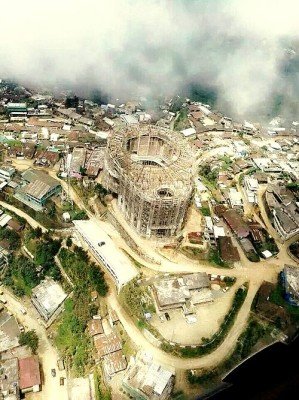 @@Village Description: Kichilimi Village is a significant cultural landmark known for its deep-rooted traditions and its role in the early history of the Sumi tribe. It is often referred to as one of the "mother villages" from which several other settlements branched out. The village is famous for its large communal buildings and the preservation of the Aphuyemi (ancestral) dialect. The landscape is characterized by terrace farming on the slopes, creating a beautiful patchwork of green during the planting season. Kichilimi is also a center for traditional folk music, where the elders still perform the legendary warrior chants. The village has a very organized layout, with clean streets and well-maintained public spaces. It serves as an excellent case study for those interested in Naga sociology and the evolution of tribal leadership. The hospitality here is legendary, with visitors often being invited into homes for a cup of local tea. It is a place where the past and present coexist harmoniously, with modern education being prioritized alongside ancient values.
 @@Strategic Location: The Circuit House is typically a government-run guesthouse or inspection bungalow, strategically built on a high point to offer the best possible view of the surrounding areas, including the town and the distant hills. @@The Vista: The location offers a breathtaking panoramic view of the entire Zunheboto town, nestled amidst the rolling hills. On a clear day, one can see the famous Sumi Baptist Church and the dense forests. @@A Place of Rest: While primarily a place of accommodation for visiting government officials, the surrounding area and viewpoints are popular with locals and tourists for relaxation and viewing. @@Photography Haven: It is arguably the best vantage point for photography of the town's unique geography and urban sprawl on the hilltops. @@Serene Atmosphere: The area around the Circuit House is generally quieter and more peaceful than the bustling main bazaar, offering a tranquil retreat. (Word Count Condensation Applied):
 The Tizu River is one of the most significant water bodies in Nagaland, carving its path through the rugged heart of Zunheboto. It serves as a vital ecological corridor, flowing eastward to join the Chindwin River in Myanmar. The river valley is a paradise for biodiversity, featuring lush subtropical pine forests and a dramatic landscape of golden-hued jhum farm patches. For the local Sumi tribe, the river is not just a source of water but a cultural symbol of life and resilience. The waters are crystal clear during the dry months, revealing a rich bed of stones and diverse aquatic life. Anglers find this river particularly rewarding due to the presence of indigenous fish species. The surrounding valley is also a part of a massive community conservation network, ensuring that the natural beauty remains untouched by modern industrialization. It is a place where the silence is only broken by the rushing water and the calls of rare birds like the Blyth's Tragopan.
 @@Historical Roots@@: Phisami Village is one of the oldest and most culturally significant settlements in the Zunheboto district. It is widely regarded as a focal point for the Sumi Naga heritage, where ancient customs are still practiced with great pride. The village is nestled on a ridge, providing a strategic view of the surrounding valleys, which was crucial during the headhunting era for defense. Today, it is a peaceful abode of farmers and artisans who have preserved the oral histories of their ancestors. The village is famous for its hospitality and the "Morung" system, although modernized, the spirit of communal living remains. Walking through the stone-paved paths of Phisami, one can see traditional granaries and houses decorated with buffalo horns, symbolizing the wealth and bravery of the owners. The village elders are a repository of folk songs and stories that date back centuries. Phisami is also known for its contribution to the Christian mission in the region, hosting some of the earliest churches in the district. The agricultural terraces surrounding the village are a testament to the hard work of the Sumi people, producing organic vegetables and the famous Naga king chili. It is a place that offers a genuine glimpse into the soul of rural Nagaland, far away from the commercial noise of the cities.Show All
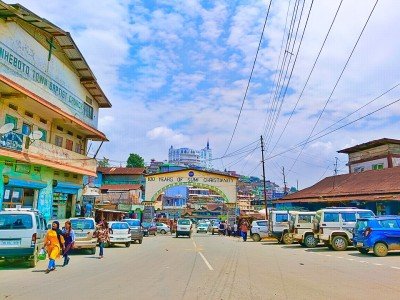 @@Establishment History: The college was initially established as a private institution on July 21, 1980, by the Sumi Hoho (Sumi Tribal Council), highlighting the community's commitment to education. It was taken over by the State Government in November 1985. @@Motto and Vision: Its motto is "Struggle and Progress," reflecting its journey and continuous effort to provide quality education in the region. @@Accreditation: It is affiliated with Nagaland University and accredited with NAAC ‘B’ Grade, ensuring a standard of academic quality. @@Curriculum: The college offers undergraduate courses in various arts and science streams, serving as the main institution for higher learning in the district. @@Community Role: Beyond academics, it actively participates in social and cultural activities, including skill training programs and environmental awareness drives, contributing significantly to community development. (Word Count Condensation Applied):
Information
-
Why Famous:
Asia's Largest Baptist Church: Zunheboto is globally famous for the Sumi Baptist Church, an architectural marvel that attracts tourists and pilgrims alike. Its size and unique design make it a standout landmark in the entire Northeast region of India.
Read MoreAsia's Largest Baptist Church: Zunheboto is globally famous for the Sumi Baptist Church, an architectural marvel that attracts tourists and pilgrims alike. Its size and unique design make it a standout landmark in the entire Northeast region of India.
Sumi Warrior Culture: The town is the gateway to understanding the fierce and noble history of the Sumi Nagas, famous for their martial arts, colorful war dresses, and rhythmic folk songs. Their ceremonial attire, featuring bird feathers and animal hair, is world-renowned.Architecture:
Modern Religious Architecture: The Sumi Baptist Church is a masterpiece of modern architecture, featuring a massive egg-shaped blue roof and a capacity to seat over 8,000 people. It measures approximately 170 feet in length and 150 feet in width, with a towering bell tower....Modern Religious Architecture: The Sumi Baptist Church is a masterpiece of modern architecture, featuring a massive egg-shaped blue roof and a capacity to seat over 8,000 people. It measures approximately 170 feet in length and 150 feet in width, with a towering bell tower.
Traditional Sumi Elements: Traditional architecture in the surrounding villages features high-pitched thatched roofs and wooden walls decorated with warrior motifs. The use of locally sourced stones for foundations and courtyard paving is a common sight in the older parts of the town.How To Reach:
By Air: The nearest airport is Dimapur Airport (DMU), located about 160 KMS away. From Dimapur, you need to hire a private taxi or take a shared Sumo to reach Zunheboto, a journey that takes about 7 to 8 hours through the winding hills.
By Trai...By Air: The nearest airport is Dimapur Airport (DMU), located about 160 KMS away. From Dimapur, you need to hire a private taxi or take a shared Sumo to reach Zunheboto, a journey that takes about 7 to 8 hours through the winding hills.
By Train: Dimapur Railway Station is the closest rail connection, linked to major cities like Guwahati. From the station, the road journey to Zunheboto is the only way forward, offering views of the diverse landscape of central Nagaland.
By Road: Zunheboto is connected via National Highway 61 to Kohima (150 KMS) and Mokokchung (70 KMS). The roads can be rough in certain patches, so a high-clearance vehicle like a Sumo or Bolero is highly recommended for the trip.
By Local Transport: Shared Sumos are the lifeline of transport in the district, connecting Zunheboto to all neighboring towns. For local sightseeing within the town and to the bird sanctuary, private taxis are available for hire at the main taxi stand.Weather and Best Time to Visit:
Winter (October-February): This is the best time for travel as the weather is dry and clear with temperatures between 5°C and 15°C. It is the peak season for sightseeing, and the crisp mountain air makes trekking and birdwatching very enjoyable.
Read MoreWinter (October-February): This is the best time for travel as the weather is dry and clear with temperatures between 5°C and 15°C. It is the peak season for sightseeing, and the crisp mountain air makes trekking and birdwatching very enjoyable.
Spring (March-May): The weather is pleasant and the forests come alive with new growth and blooming flowers. It is the best time to visit the Satoi Range to see the rhododendrons, though one should be prepared for occasional spring thunderstorms.
Monsoon (June-September): This season brings heavy rainfall, making the hills incredibly green but travel difficult. The Tuluni Festival in July is a major draw, but visitors must be cautious of potential road blocks and landslides during this time.Near Tourist Places:
Mokokchung (70 KMS), Wokha (60 KMS), Satoi Range (30 KMS), Ghosu Bird Sanctuary (8 KMS), Kohima (150 KMS), Dimapur (160 KMS), Tuensang (110 KMS), Phek (130 KMS), Kiphire (100 KMS), Lumami (20 KMS)Tourism Tips
-
Health and Safety: Due to the high altitude, ensure you stay hydrated and carry basic medicine for high-altitude sickness if you are sensitive. Always travel with a local guide when exploring forest ranges like Satoi to ensure you don't lose your way in the dense fog.
<...Health and Safety: Due to the high altitude, ensure you stay hydrated and carry basic medicine for high-altitude sickness if you are sensitive. Always travel with a local guide when exploring forest ranges like Satoi to ensure you don't lose your way in the dense fog.
Packing Essentials: Heavy woolens are a must for winter, as the temperature can drop significantly at night. For the monsoon and spring, carry a sturdy umbrella and waterproof shoes, as the terrain can become very muddy and slippery.
Accommodation: Stay options are limited to a few guesthouses and the PWD Inspection Bungalow. It is vital to book your accommodation well in advance, especially during the Tuluni festival or the Christmas season when the town is crowded.
Cultural Sensitivity: The Sumi people are very proud of their warrior heritage; showing respect for their history and traditions will earn you great hospitality. Avoid discussing sensitive political issues and always seek permission before entering community-managed lands or sanctuaries.
Reviews
FAQs
Zunheboto Itineray And Cost:-
Other Places In Nagaland :-
Other States In India :-
Information about New and Updated Locations() of Nagaland Has Been Added :-
Card subtitle
Note:-
Information provided here in good Faith and for reference only.
Near Places

Dimapur
Some quick example text to build on the card title and make up the bulk of the card's content.
Go somewhere
Dzulekie
Some quick example text to build on the card title and make up the bulk of the card's content.
Go somewhere
Khonoma
Some quick example text to build on the card title and make up the bulk of the card's content.
Go somewhere
Kigwema
Some quick example text to build on the card title and make up the bulk of the card's content.
Go somewhere
Kiphire
Some quick example text to build on the card title and make up the bulk of the card's content.
Go somewhere
Kohima
Some quick example text to build on the card title and make up the bulk of the card's content.
Go somewhere
Longleng
Some quick example text to build on the card title and make up the bulk of the card's content.
Go somewhere
Meluri
Some quick example text to build on the card title and make up the bulk of the card's content.
Go somewhere
Mokokchung
Some quick example text to build on the card title and make up the bulk of the card's content.
Go somewhere
Mon
Some quick example text to build on the card title and make up the bulk of the card's content.
Go somewhere
Mopungchuket
Some quick example text to build on the card title and make up the bulk of the card's content.
Go somewhere
Nagaland Heritage Village
Some quick example text to build on the card title and make up the bulk of the card's content.
Go somewhere
Niuland
Some quick example text to build on the card title and make up the bulk of the card's content.
Go somewhere
Noklak
Some quick example text to build on the card title and make up the bulk of the card's content.
Go somewhere
Peren
Some quick example text to build on the card title and make up the bulk of the card's content.
Go somewhere
Zunheboto
Some quick example text to build on the card title and make up the bulk of the card's content.
Go somewherein Other Cities