Tuophema
General information
-
Ideal Duration:
1 to 2 DaysPlace Type:
Heritage / Cultural VillageEntry Fees:
General Entry: The entry fee for day visitors is approximately INR 50 to 100 per person, which goes toward village maintenance. Overnight stays in the heritage cottages are priced separately and usually include meals and cultural performances for the guests. ...General Entry: The entry fee for day visitors is approximately INR 50 to 100 per person, which goes toward village maintenance. Overnight stays in the heritage cottages are priced separately and usually include meals and cultural performances for the guests.Timing:
Regular Timings: The village is open for visitors from 8:00 AM to 5:00 PM for day tours. For those staying overnight, the village operates 24 hours with scheduled cultural activities in the evenings.
Ideal Visit Time: The best time to exper...Regular Timings: The village is open for visitors from 8:00 AM to 5:00 PM for day tours. For those staying overnight, the village operates 24 hours with scheduled cultural activities in the evenings.
Ideal Visit Time: The best time to experience the village is during the early morning hours for birdwatching or the late evening for community bonfires.Special Events:
Sekrenyi Festival: Celebrated in February, this is the purification festival of the Angami tribe involving rituals to ensure health and productivity. The entire village comes alive with traditional games, elaborate feasts, and grand processions of men and women in full trib...Sekrenyi Festival: Celebrated in February, this is the purification festival of the Angami tribe involving rituals to ensure health and productivity. The entire village comes alive with traditional games, elaborate feasts, and grand processions of men and women in full tribal regalia.Best Photo Spots:
The Clan Cottages: The 12 uniquely themed huts with their ornate wood carvings and traditional gates provide a perfect backdrop for cultural photography. The early morning light hitting the thatched roofs creates a golden glow that is highly photogenic for travel bloggers. ...The Clan Cottages: The 12 uniquely themed huts with their ornate wood carvings and traditional gates provide a perfect backdrop for cultural photography. The early morning light hitting the thatched roofs creates a golden glow that is highly photogenic for travel bloggers.
Village Viewpoint: The highest point of the hillock offers a 360-degree view of the green valleys and the winding roads below. This spot is ideal for landscape photography, especially during the sunset when the sky turns into shades of orange and purple.Photo Gallery
Things To Do
 @@The Micro Museum Thekrunoma is a hidden gem located within the Tuophema Tourist Village. This community-run museum is a labor of love dedicated to preserving the local history of the Thekrunoma clan and the broader Angami tribe. Unlike large state museums, this micro museum offers an intimate and personal look at Naga life. It houses a rare collection of ancestral heirlooms, including ancient spears, shields made of elephant hide, and ceremonial headgear adorned with hornbill feathers. The artifacts are not just "objects" but are considered sacred links to the village's warrior past. Visitors staying in Tuophema can walk to this museum to understand the specific lineage and traditions of the people hosting them. The museum also displays traditional weaving looms and a variety of agricultural tools used in jhum cultivation. One of the highlights is the collection of "Feast of Merit" ornaments, which could only be worn by those who had achieved a certain social standing through generosity. The museum is housed in a structure that replicates an old Naga home, providing context to how these items were used in daily life. It serves as a vital resource for scholars and tourists alike who want to go beyond the surface of Naga culture. The quiet, respectful atmosphere inside allows visitors to hear the "echoes" of history through the silent displays of craftsmanship and valor. It is a testament to the village's commitment to self-preservation and sustainable tourism.:
 @@Midway Viewpoint is a spectacular roadside stop located on the highway that connects Kohima to the Wokha district. As the name suggests, it serves as a "midway" resting point for travelers, but it has evolved into a destination of its own due to the stunning panoramic views it offers. From this vantage point, one can see the layers of the Barail mountain range stretching into the distance, with deep valleys and silver threads of rivers visible on clear days. For those traveling from Tuophema, it is a short and rewarding drive. The viewpoint is perched on a ridge, providing a feeling of standing on the edge of the world. The air here is noticeably cooler and fresher, often filled with the mist that rolls up from the valleys. The site is equipped with small resting sheds and local stalls selling organic fruits, wild berries, and hot Naga tea. It is a favorite spot for long-distance drivers and tourists to stretch their legs and soak in the silence of the highlands. The shifting patterns of light and shadow on the hills make it a dynamic landscape that changes every hour. During the monsoon, the view is often obstructed by clouds, creating a "heavenly" atmosphere where you feel like you are walking among the stars. In the dry season, the visibility extends for miles, showcasing the rugged beauty of Northern Nagaland. It is a place that reminds every traveler of the scale and majesty of the Himalayan foothills.:
 Mt. Japfu Peak is the second highest peak in Nagaland, standing tall at an altitude of 3,048 meters. The trekking route is renowned for its rugged beauty and the dense subtropical vegetation that blankets the slopes. For travelers coming from Tuophema, this journey represents a transition from heritage immersion to high-altitude adventure. The trek usually begins at Vishwema Village, winding through ancient forests where the silence is only broken by the calls of rare birds. The trail is quite demanding, involving steep ascents through rocky paths and moss-covered stones. Reaching the summit rewards trekkers with a breathtaking 360-degree view of the Dzukou Valley and even parts of Arunachal Pradesh on clear days. The air at the top is thin and crisp, providing a sense of achievement that few other places in the region can match. The mountain is also home to the world's tallest rhododendron tree, a natural monument standing over 100 feet tall. This trek is not just a physical challenge but a spiritual journey through the heart of the Angami tribal lands. Many local legends are associated with the peak, adding a layer of mystical charm to every step taken. Explorers often camp at the base before making the final push to the summit in the early hours of the morning. The entire experience is a masterclass in the raw, unbridled beauty of Northeast India. Visitors are advised to hire a local guide as the trails can be confusing during fog. The richness of the flora, from rare orchids to giant ferns, makes it a botanical paradise. It remains a cornerstone of adventure tourism in the state. :
 Puliebadze Peak is a majestic mountain overlooking the capital city of Kohima. It is the center of the Puliebadze Wildlife Sanctuary, which covers about 9.23 square kilometers. The peak is named after a legendary Naga hunter, Pulie, whose spirit is said to still guard the mountain. The trek to the top is relatively easier compared to Japfu, making it a popular choice for families and casual hikers. The trail begins from Jotsoma Village and winds through a dense canopy of tropical and temperate forests. As you ascend, the noise of the city fades away, replaced by the rustling of leaves and the calls of exotic birds. The sanctuary is a biodiversity hotspot, home to the rare Blyth's Tragopan and various species of orchids. The peak itself offers a breathtaking view of Kohima town, sprawling like a miniature model at its feet. On the other side, the deep, untouched valleys of the sanctuary stretch out towards the horizon. The area is also a vital catchment area for the water supply of Kohima. For visitors from Tuophema, a trip to Puliebadze offers a perfect blend of wildlife exploration and light trekking. The summit has a small resting area where one can sit and absorb the spiritual energy of the mountain. Local Angami legends describe the peak as a place of great power, and many visitors report a sense of profound peace while at the top. The sanctuary's conservation efforts are managed by the local community in partnership with the forest department, ensuring that the flora and fauna remain protected. It is a place where one can truly witness the "green" heart of Nagaland. :
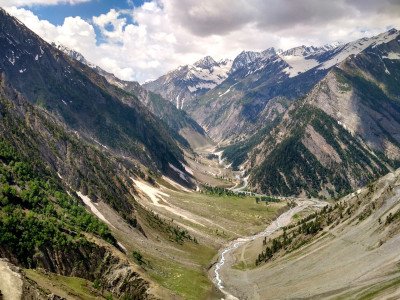 @@The Dzukou Valley Trek starting point at Viswema is widely considered the most accessible and popular route to reach the mesmerizing Dzukou Valley. Known as the "Valley of Flowers of the East," this location serves as the threshold for adventurers seeking to witness the rolling emerald hills and unique floral species found at an altitude of approximately 2,438 meters. The trek from Viswema begins with a relatively easy motorable road that leads to the actual hiking trail. Once the road ends, trekkers face a steep ascent through a dense forest of rhododendrons and oaks. The path is well-marked with stone steps, making it manageable for beginners. After the initial climb, the terrain opens up into a breathtaking landscape of dwarf bamboo and winding streams. The valley itself is a geological marvel, formed by volcanic activity, featuring deep ravines and vast meadows. Travelers from Tuophema often choose this starting point for its gradual incline compared to the Jakhama route. The entire region is steeped in folklore, with local tribes believing the valley is the abode of spirits. During the monsoon, the valley transforms into a vibrant carpet of lilies and wildflowers. The trek provides a profound sense of isolation and tranquility, away from the bustling city life. It is not just a physical journey but a soul-stirring experience that highlights the raw beauty of Nagaland's natural heritage. Visitors often spend the night in basic trekkers' huts or tents to fully absorb the ethereal atmosphere of the valley during sunrise and sunset. The Viswema trail ensures that even casual hikers can reach the rest house within 4 to 5 hours of steady walking.:
@@A Forest for the People: This sanctuary is a groundbreaking community-led conservation project covering approximately 18 sq km of pristine forest. Established in 2001 by the villagers of Sendenyu, it represents a shift from traditional hunting to active wildlife protection. The sanctuary is home to rare species such as the Great Hornbill, Hoolock Gibbon, and various endemic orchids. It serves as a vital corridor for migratory birds and local fauna. The initiative was born out of a realization that local wildlife was rapidly disappearing, leading the community to ban hunting and logging. Today, it stands as a model for "Community Conserved Areas" in India. The landscape is a mix of tropical and sub-tropical evergreen forests, with crystal clear streams flowing through the valleys. Visitors can explore the core area through well-marked trails that offer a deep immersion into the Naga wilderness. The silence of the forest is only broken by the calls of birds and the rustle of leaves. It is a place of intense natural beauty and scientific importance.
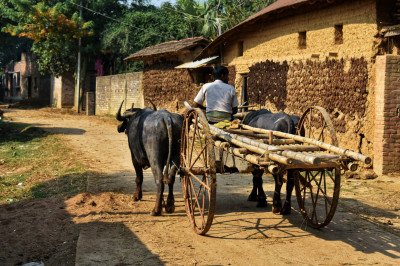 The Naga Heritage Village Replica in Tuophema is an extraordinary community-led initiative designed to showcase the diverse cultures of the 16 major tribes of Nagaland. Unlike a static museum, this village is a living, breathing space where tourists can actually stay in traditionally styled huts. Each hut is meticulously constructed to represent a specific tribe, featuring unique motifs, structural designs, and interior arrangements that reflect the identity of that tribe. The village was established with the support of the Nagaland Tourism Department and the local Angami clans of Tuophema. Walking through the village feels like a journey across the entire state. The replica includes "Morungs" or youth dormitories, which were historically the centers of education and social life in Naga society. Visitors can witness traditional weaving, woodcarving, and even participate in local festivities. The village is perched on a hillock, offering panoramic views of the surrounding valleys and rice terraces. It serves as an educational hub for those interested in the socio-political structures of the Naga people. The hospitality here is legendary, with locals serving traditional dishes like smoked pork with bamboo shoots and locally brewed rice beer. The museum within the complex houses an extensive collection of ethnographic artifacts, including ancient spears, musical instruments, and traditional jewelry. This replica is a testament to the Naga people's commitment to preserving their heritage in a rapidly modernizing world. It provides a bridge between the past and the present, allowing visitors to experience a lifestyle that has remained largely unchanged for centuries. The peaceful atmosphere and the rustic charm make it a favorite for those seeking an authentic cultural immersion. :Show All
Sakhabama Community Reserve is a shining example of indigenous conservation efforts in Nagaland. This protected area is managed entirely by the local community of Sakhabama and surrounding villages. It was established to protect the dwindling forest cover and the wildlife that depends on it. The reserve is characterized by primary forests that have been preserved for generations, offering a glimpse into what the Naga hills looked like before the advent of modern agriculture. For visitors from Tuophema, the reserve provides a quiet, off-the-beaten-path experience. The terrain is a mix of rolling hills and deep valleys, with several small streams crisscrossing the landscape. The community has strictly prohibited hunting and logging within the reserve boundaries, leading to a visible increase in the population of local birds and small mammals. Walking through the reserve, one can see a vast array of indigenous trees, including various species of oak and rhododendron. The air is remarkably fresh, and the environment is one of total tranquility. The local villagers act as the primary stakeholders and protectors of this land, often serving as guides for visitors. They share knowledge about traditional medicinal plants and the history of the forest. The reserve is also a site for various community rituals that honor nature. It is a place that proves that conservation and traditional lifestyles can go hand in hand. Visiting Sakhabama is not just about seeing the trees; it's about understanding the deep spiritual and practical bond that the Naga people share with their environment. It is a must-visit for eco-conscious travelers looking for an authentic connection with nature. :
Information
-
Why Famous:
Model Tourist Village: Tuophema is widely famous for being one of the first successful community-run tourist villages in India. It serves as a benchmark for how local tribes can preserve their ancient heritage while benefiting from modern sustainable tourism.Model Tourist Village: Tuophema is widely famous for being one of the first successful community-run tourist villages in India. It serves as a benchmark for how local tribes can preserve their ancient heritage while benefiting from modern sustainable tourism.
Angami Traditions: The village is a hub for Angami cultural preservation, known for its traditional songs, rhythmic folk dances, and oral history. Visitors come from across the globe to witness the authentic preservation of Naga lifestyles that have remained unchanged for centuries. -
Architecture:
Traditional Angami Design: The architecture features 12 traditional cottages built with bamboo, wood, and thatched roofs, reflecting indigenous Naga craftsmanship. These huts are arranged in a semicircular fashion to mimic a traditional village layout with central gathering...Traditional Angami Design: The architecture features 12 traditional cottages built with bamboo, wood, and thatched roofs, reflecting indigenous Naga craftsmanship. These huts are arranged in a semicircular fashion to mimic a traditional village layout with central gathering spaces.
Structural Dimensions: Each hut typically measures approximately 20x15 feet, featuring a raised platform for sleeping and a central hearth for cooking and warmth. The eaves are decorated with wood carvings of buffalo heads and hornbills, symbolizing wealth and bravery in the Angami culture. -
How To Reach:
By Air: The nearest airport is Dimapur Airport (DMU), located about 115 KMS away. From the airport, travelers must take a taxi to Kohima and then a local Sumo or private taxi to reach Tuophema.
By Train: Dimapur Railway Station is the close...By Air: The nearest airport is Dimapur Airport (DMU), located about 115 KMS away. From the airport, travelers must take a taxi to Kohima and then a local Sumo or private taxi to reach Tuophema.
By Train: Dimapur Railway Station is the closest rail link, well-connected to major Indian cities like Guwahati and Kolkata. From Dimapur, the journey continues by road through scenic mountain passes for about 4 to 5 hours.
By Road: Tuophema is well-connected by National Highway 61 to Kohima. State transport buses and private taxis ply regularly between Kohima and the village, offering a bumpy but beautiful ride through the Naga hills.
By Local Transport: Within the village, walking is the primary mode of transport to explore the cottages and museum. For nearby excursions, local Sumo services are the most reliable way to navigate the steep and winding mountainous terrain. -
Weather and Best Time to Visit:
Winter Season (October-February): This is the peak tourist season with temperatures ranging from 4°C to 20°C. The air is crisp, the skies are clear, and the Sekrenyi Festival in February makes it the most vibrant time to visit.
Spring and Sum...Winter Season (October-February): This is the peak tourist season with temperatures ranging from 4°C to 20°C. The air is crisp, the skies are clear, and the Sekrenyi Festival in February makes it the most vibrant time to visit.
Spring and Summer (March-May): The weather is pleasant with temperatures between 16°C and 28°C. The hills are lush green, and the wild flowers are in full bloom, making it ideal for trekking and outdoor nature walks.
Monsoon Season (June-September): While the landscape becomes incredibly green and the waterfalls are full, travel can be difficult due to heavy rains. Landslides are common, so travelers should check local road conditions before planning a visit during these months. -
Near Tourist Places:
Kohima (41 KMS), Khonoma (60 KMS), Dzukou Valley (65 KMS), Kisama Heritage Village (52 KMS), Dzuleke (75 KMS), Wokha (40 KMS), Mokokchung (105 KMS), Dimapur (115 KMS), Phek (130 KMS), Zunheboto (110 KMS)
Tourism Tips
-
Health and Safety: Carry basic medicines for motion sickness as the roads are winding and steep. Ensure you have warm clothing even in summer, as nights can get quite chilly in the higher altitudes of the Naga hills.
Packing Essentials: Pac...Health and Safety: Carry basic medicines for motion sickness as the roads are winding and steep. Ensure you have warm clothing even in summer, as nights can get quite chilly in the higher altitudes of the Naga hills.
Packing Essentials: Pack sturdy walking shoes for the village trails and a high-quality rain jacket for unexpected mountain showers. Don't forget to carry a power bank, as electricity can be intermittent in rural areas during heavy rain or storms.
Cultural Etiquette: Always ask for permission before taking photos of the local villagers or their homes. Respect the local customs, avoid loud music, and follow the village council's guidelines regarding waste management and environmental protection.
Travel Permits: Ensure you have a valid Inner Line Permit (ILP) for Indian citizens or the necessary registration for foreigners. These permits are mandatory for entering Nagaland and are checked at various entry points along the highway.
Reviews
FAQs
Tuophema Itineray And Cost:-
Other Places In Nagaland :-
Other States In India :-
Information about New and Updated Locations() of Nagaland Has Been Added :-
Card subtitle
Note:-
Information provided here in good Faith and for reference only.
Near Places
Dimapur
Some quick example text to build on the card title and make up the bulk of the card's content.
Go somewhere
Dzulekie
Some quick example text to build on the card title and make up the bulk of the card's content.
Go somewhere
Khonoma
Some quick example text to build on the card title and make up the bulk of the card's content.
Go somewhere
Kigwema
Some quick example text to build on the card title and make up the bulk of the card's content.
Go somewhere
Kiphire
Some quick example text to build on the card title and make up the bulk of the card's content.
Go somewhere
Kohima
Some quick example text to build on the card title and make up the bulk of the card's content.
Go somewhere
Longleng
Some quick example text to build on the card title and make up the bulk of the card's content.
Go somewhere
Meluri
Some quick example text to build on the card title and make up the bulk of the card's content.
Go somewhere
Mokokchung
Some quick example text to build on the card title and make up the bulk of the card's content.
Go somewhere
Mon
Some quick example text to build on the card title and make up the bulk of the card's content.
Go somewhere
Mopungchuket
Some quick example text to build on the card title and make up the bulk of the card's content.
Go somewhere
Nagaland Heritage Village
Some quick example text to build on the card title and make up the bulk of the card's content.
Go somewhere
Niuland
Some quick example text to build on the card title and make up the bulk of the card's content.
Go somewhere
Noklak
Some quick example text to build on the card title and make up the bulk of the card's content.
Go somewhere
Peren
Some quick example text to build on the card title and make up the bulk of the card's content.
Go somewhere
Zunheboto
Some quick example text to build on the card title and make up the bulk of the card's content.
Go somewherein Other Cities