Phek
General information
-
Ideal Duration:
3 to 4 DaysPlace Type:
Cultural & Nature DestinationEntry Fees:
Natural Attractions: Most natural sites like Shilloi Lake and Phek Waterfall have no formal entry fees for individuals. However, some village communities may charge a nominal "Environmental Fee" of INR 50 for maintenance and waste management. This contribution goes directl...Natural Attractions: Most natural sites like Shilloi Lake and Phek Waterfall have no formal entry fees for individuals. However, some village communities may charge a nominal "Environmental Fee" of INR 50 for maintenance and waste management. This contribution goes directly to the local village council for conservation efforts.
Cultural Sites: Visiting heritage villages is free, but it is polite to seek permission from the village headman (Gaon Burra). If you hire a local guide, a fee of INR 500-1000 per day is standard and highly recommended for a better experience. Large groups may need to pay a community entry fee at certain heritage spots.
:Timing:
Operating Hours: Life in Phek begins early, with markets opening by 07:00 AM. Most commercial activities wrap up by 04:00 PM or 05:00 PM, especially during the winter months when it gets dark early. It is important to plan your travel and outdoor visits within these daylig...Operating Hours: Life in Phek begins early, with markets opening by 07:00 AM. Most commercial activities wrap up by 04:00 PM or 05:00 PM, especially during the winter months when it gets dark early. It is important to plan your travel and outdoor visits within these daylight hours.
Ideal Visit Time: For sightseeing, the hours between 08:00 AM and 02:00 PM offer the best light and weather. Early mornings are perfect for birdwatching near the lakes. Most government offices and banks operate from 10:00 AM to 04:00 PM, but they are closed on weekends and public holidays.
:Special Events:
Sukrunye Festival: The premier festival of the Chakhesang Nagas, celebrated in January. It involves the ritual of sanctification and is a time for feasting and community bonding. Traditional games and colorful dances are the highlights of this week-long event.Sukrunye Festival: The premier festival of the Chakhesang Nagas, celebrated in January. It involves the ritual of sanctification and is a time for feasting and community bonding. Traditional games and colorful dances are the highlights of this week-long event.
Yemshe Festival: Celebrated by the Pochury tribe in October, this harvest festival marks the end of the agricultural cycle. It is a time of joy and gratitude, featuring grand feasts and traditional rituals. The youth participate in various competitions to showcase their skills and strength.
:Best Photo Spots:
Shilloi Lake Shore: The panoramic view of the lake with the surrounding mountains reflected in its water is a top photo spot. The heart-shaped outline of the lake is best captured from a higher vantage point on the nearby hills. It is especially beautiful during the early ...Shilloi Lake Shore: The panoramic view of the lake with the surrounding mountains reflected in its water is a top photo spot. The heart-shaped outline of the lake is best captured from a higher vantage point on the nearby hills. It is especially beautiful during the early morning mist.
Khezhakeno Magic Stone: This historical site is not just culturally significant but also provides a unique subject for photography. The ancient stone and the surrounding traditional structures offer a glimpse into the mythical past of the Naga people. It's a great spot for storytelling through images.
Phek Waterfall: The cascading water set against the backdrop of a dense green forest is a classic nature photography spot. Long exposure shots of the waterfall create a beautiful silky effect. The surrounding area is also rich in wild flowers and butterflies, adding more color to your frames.
:Photo Gallery
Things To Do
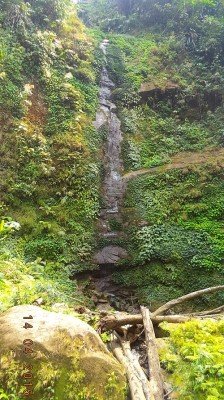 @@Wawade Waterfall is one of the most spectacular and powerful cascades in the Phek district. Tucked away in a deep, lush jungle, the waterfall plunges from a height of approximately 200 feet into a crystal-clear pool below. The sound of the falling water can be heard from a distance, growing into a thunderous roar as you approach. The area surrounding the waterfall is a dense tapestry of tropical and subtropical vegetation, with ferns, orchids, and massive trees creating a prehistoric feel. The mist generated by the falling water keeps the surrounding area cool and damp, even during the peak of summer. Reaching the waterfall involves a moderate trek through the forest, which adds to the sense of adventure and discovery. The pool at the base is safe for a refreshing dip, though the rocks can be quite slippery. For nature lovers, Wawade offers a perfect escape from the heat and noise of the town. The site is largely undeveloped, maintaining its raw and wild character. It is a favorite spot for local picnickers and photography enthusiasts who come to capture the play of light on the falling water. The waterfall is at its most majestic during the tail end of the monsoon and the beginning of autumn, when the water volume is high and the surrounding greenery is at its most vibrant. It is a true hidden gem of the Phek district, representing the untamed natural beauty of Nagaland.
 @@Overview of Kapamodzü Peak: Kapamodzü Peak stands as one of the most majestic natural wonders in the Phek district. Standing at an elevation of approximately 2,620 meters, it is recognized as the fourth highest peak in Nagaland and the highest tabletop mountain in the state. The peak offers a 360-degree panoramic view that is simply unparalleled, allowing visitors to see the Saramati range, Japfü Peak, and even distant parts of Manipur on a clear day. The landscape is a lush tapestry of exotic flora, including various species of Rhododendrons, wild orchids, and colorful trumpet flowers that bloom in seasonal cycles. For the local Chakhesang community, the mountain is not just a geographical feature but a sacred site deeply embedded in their folklore and traditional history. The trekking experience here is both challenging and spiritually rewarding, taking you through thick forests and misty trails. Many travelers describe reaching the summit as standing on the "edge of the world" due to the dramatic cloud formations that often sit below the peak level. It is a haven for botanists and nature lovers who wish to study rare Himalayan plant species in their natural habitat. The summit serves as a massive natural platform, perfect for camping under the stars or witnessing the first rays of the sun hitting the eastern horizon.
 @@Preserving Tribal History::The Phek District Museum serves as a vital repository for the rich and diverse cultural heritage of the Phek district, primarily focusing on the traditions of the Chakhesang, Pochury, and other local Naga tribes. It is a key institution for documenting, preserving, and showcasing the history, art, and ethnography of this largely agrarian and warrior-based society. The museum’s collection includes a variety of traditional artifacts, tools, textiles, and ornaments that illustrate the daily life, rituals, and craftsmanship of the people over generations. This includes agricultural implements, weaponry used during the head-hunting era, and intricate hand-woven shawls, each bearing specific, coded designs that denote the wearer’s status, lineage, and achievements. Beyond physical objects, the museum often engages in the important work of documenting local folklore, customary laws, and traditional construction rituals, helping to ensure that the oral histories of the community are recorded for posterity. For any visitor, it offers an essential cultural context to the stunning natural landscapes of Phek by revealing the stories of the people who inhabit them, serving as a powerful link between the past and the present of the Naga Hills. The museum plays a key educational role for local students and researchers from across India and the world.
 @@Phek Village is the original settlement from which the modern Phek town derives its name and significance. Historically known as "Phekrekedze," which translates to "watchtower," the village occupies a strategic position on a ridge, offering commanding views of the surrounding valleys. This village is the cultural heart of the Pochuri and Chakhesang tribes in this region. Unlike the modern town, the traditional village retains its ancient layout, with narrow alleys winding between closely-packed houses. The village is famous for its preservation of traditional Naga governance systems, where the Village Council holds significant authority in maintaining law and order and preserving customs. Visitors to Phek Village can see the traditional salt-making process, which has been a staple of the local economy for generations. The village is also a center for exquisite Naga handicrafts, including wood carvings and woven textiles that feature intricate tribal patterns. Walking through the village, one can see the daily life of the Naga people, from women weaving on back-strap looms to men returning from the fields with baskets of produce. The village is particularly beautiful during the festival seasons when the streets come alive with traditional music and dance. The community is deeply hospitable, and a visit here often includes an invitation to sit by a hearth and share a cup of local tea. It is a place where history is not found in books, but in the living traditions of the people.
 @@The Legendary Origin: Khezhakeno Village is revered as the historical and ancestral home of many Naga tribes, including the Angami, Chakhesang, Lotha, and Sema. According to powerful local legends, all these tribes originated from this very spot before migrating to different parts of the region. The village is a living museum of Naga heritage, where ancient customs are still practiced with great pride. One of the most famous sites here is the Tso Tawo, a flat stone slab believed to possess mystical powers that could multiply paddy placed upon it. The village sits atop a scenic hill, offering panoramic views of the surrounding valleys and terraced fields. Visitors are often struck by the deep sense of history that permeates the air, as elders recount tales of their forefathers' migrations. The village architecture is a blend of tradition and necessity, featuring houses that have stood the test of time. Agriculture remains the backbone of the community, with terraced rice cultivation providing a stunning visual backdrop of green steps carved into the mountainside. Exploring Khezhakeno is like stepping back into a time when the roots of the Naga people were being formed. The community is exceptionally hospitable, welcoming guests with local delicacies and stories of their glorious past. It is a must-visit for anyone looking to understand the complex tribal tapestry of Nagaland.
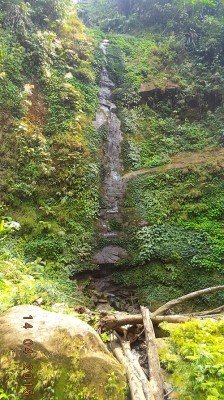 @@A Pristine Natural Delight::Phek Waterfall is one of the district's most enchanting natural sights, located amidst dense, untouched forests just a short drive from the main Phek Town. It is a majestic cascade that plunges down a rocky cliff face into a pool below, surrounded by rich, vibrant greenery. The height of the fall and the sheer volume of water are most impressive during and immediately after the monsoon season, when the roar of the water echoes through the valley, creating a refreshing and powerful spectacle. The surrounding ecosystem is a haven for biodiversity, featuring numerous species of local flora, including wild orchids, and making it an excellent spot for nature enthusiasts and bird watchers. The clean, cool mountain air and the tranquil atmosphere offer a perfect escape from the hustle of town life. It is not just a visual attraction but a place where one can connect deeply with the raw, untamed nature of Nagaland. The approach to the waterfall often involves a short, easy hike through the forest, which adds to the adventure. Due to its relatively lesser-known status compared to other major regional sites, the fall maintains its pristine and unspoiled beauty, making it a peaceful and rejuvenating destination for a half-day trip out of Phek Town. The area's serenity also lends itself to quiet contemplation and photography, capturing nature at its most powerful and beautiful.
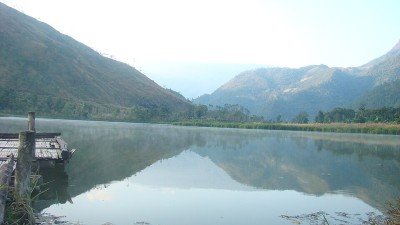 @@Shilloi Lake is undoubtedly the most famous natural landmark in the Phek district and the largest natural lake in Nagaland. Located at the foot of the Patkai range along the Myanmar border, the lake is uniquely shaped like a giant human footprint. To the local people, Shilloi is a sacred site, often referred to as the "Lake of Spirits." Legend has it that the spirit of a holy child resides in the depths of the lake, and for this reason, fishing or swimming in the lake was traditionally forbidden. The water is remarkably still and reflects the surrounding pine-covered hills like a mirror. The area is a haven for biodiversity, attracting various migratory birds, including the majestic Siberian Cranes, during the winter months. The drive to the lake is an adventure in itself, passing through some of the most remote and beautiful parts of the Indo-Myanmar borderland. The environment around the lake is incredibly peaceful, offering a level of tranquility that is rare in the modern world. Small wooden cottages have been built near the shore to accommodate travelers who wish to spend the night and experience the lake's mystical atmosphere under the moonlight. The surrounding forests are perfect for short treks and bird-watching expeditions. Despite its distance from the main towns, Shilloi Lake remains a top priority for any traveler visiting Phek, offering a perfect blend of natural beauty, folklore, and serenity. It is a place where nature and legend are inextricably linked, creating a truly magical experience.Show All
 Ghosu Bird Sanctuary is a dedicated wildlife area located near the border of Phek and Zunheboto districts. Spanning across a lush landscape of tropical and subtropical forests, it is home to over 20 species of endangered birds. The sanctuary was established through the initiative of the local village community to protect the nesting grounds of migratory birds. It is particularly famous for the Blyth’s Tragopan, which is a rare sight in most other parts of the world. The sanctuary also hosts a variety of small mammals and rare butterflies, making it a hotspot for biodiversity. The environment is serene, with the only sounds being the chirping of birds and the rustle of leaves. The local community has banned hunting in this area for decades, leading to a visible increase in the bird population. For nature lovers, it offers a rare chance to see wild creatures in an undisturbed habitat. The sanctuary is also a vital study area for ornithologists who visit from across India. The terrain is a mix of gentle slopes and deep ravines, providing diverse nesting sites for different bird types. It is a symbol of how traditional Naga society is evolving to become a guardian of nature.
Information
-
Why Famous:
Lakes and Waterfalls: Phek is famous for the legendary Shilloi Lake, which is shaped like a human footprint and is surrounded by pine forests. The Phek Waterfall and Dzudu Lake are other natural attractions that draw tourists for their pristine beauty.
Read MoreLakes and Waterfalls: Phek is famous for the legendary Shilloi Lake, which is shaped like a human footprint and is surrounded by pine forests. The Phek Waterfall and Dzudu Lake are other natural attractions that draw tourists for their pristine beauty.
Tribal Culture: The district is a cultural epicenter for the Chakhesang Nagas, famous for their traditional wrestling and folk music. The Tsükhenyie and Sukrunye festivals are grand celebrations that showcase the tribe's rich heritage.
:Architecture:
Indigenous Construction: Traditional architecture in Phek is best seen in the older parts of villages where houses are built using bamboo, wood, and thatched roofs. The "Morung" or bachelor's dormitory is a significant structure, featuring elaborate wood carvings of animals...Indigenous Construction: Traditional architecture in Phek is best seen in the older parts of villages where houses are built using bamboo, wood, and thatched roofs. The "Morung" or bachelor's dormitory is a significant structure, featuring elaborate wood carvings of animals and warriors. These buildings are designed to be communal spaces, with large central hearths for warmth and social gatherings. The use of large horizontal beams and crossed gables is a signature style of the Chakhesang architecture. A standard traditional house measures about 35x20 feet.
Public Landmarks: Modern architecture in Phek town includes government offices and churches that utilize brick and mortar. The Phek Baptist Church is a prominent structure with a tall steeple that dominates the town's skyline. Most modern houses are built on concrete pillars to adapt to the hilly terrain, often featuring balconies that overlook the valley. Public halls are designed with high ceilings for better ventilation and acoustic properties. The main district hall has dimensions of approximately 100x60 feet, reflecting modern engineering.
:How To Reach:
By Air: The nearest airport is in Dimapur (219 KMS). From there, travelers can take a taxi to Kohima and then a subsequent taxi to Phek. The journey is long and can take an entire day, so it is best to start early in the morning. Private chartered taxis are the fastest bu...By Air: The nearest airport is in Dimapur (219 KMS). From there, travelers can take a taxi to Kohima and then a subsequent taxi to Phek. The journey is long and can take an entire day, so it is best to start early in the morning. Private chartered taxis are the fastest but most expensive option.
By Train: Dimapur Railway Station serves as the main rail link. After reaching Dimapur, travelers usually stay overnight in Kohima before proceeding to Phek. The road journey from Dimapur to Phek takes about 8 to 10 hours depending on the weather and road conditions.
By Road: Phek is connected to Kohima by a winding mountain road that offers scenic views but can be challenging. Shared taxis (Sumos) run daily from Kohima and Dimapur to Phek town. It is essential to book your seat a day in advance as these taxis fill up very quickly.
Local Transport: Within Phek district, shared taxis are the main mode of transport between different towns and villages. For more flexibility, you can hire a dedicated taxi for the day to visit remote spots like Shilloi Lake. Walking is common for exploring the town area and nearby local villages.
:Weather and Best Time to Visit:
Winter Season: October to February is the most popular time to visit due to the clear weather and numerous festivals. The air is crisp, and the mountain views are at their best. It is the perfect time for photography and cultural immersion in the villages.Winter Season: October to February is the most popular time to visit due to the clear weather and numerous festivals. The air is crisp, and the mountain views are at their best. It is the perfect time for photography and cultural immersion in the villages.
Summer Season: March to May is pleasant with blooming wild flowers and orchids. The weather is not too hot, making it suitable for trekking and hiking. The greenery is lush, and the rivers are full of life during this transition period.
Time of Day: Mornings are best for outdoor activities like trekking and visiting lakes. The afternoon is ideal for exploring the local markets and interacting with craftsmen. Evenings should be spent by a fireplace, as the temperatures drop rapidly after the sun goes down.
:Near Tourist Places:
1. Shilloi Lake (35 KMS), 2. Pfutsero (70 KMS), 3. Khezhakeno Village (45 KMS), 4. Dzudu Lake (25 KMS), 5. Meluri (50 KMS), 6. Phek Waterfall (10 KMS), 7. Lanye River (20 KMS), 8. Mount Zanibu (30 KMS), 9. Kohima (145 KMS), 10. Tizu River (15 KMS).Tourism Tips
-
Health & Safety: Phek is a remote region, so carry a well-stocked first-aid kit and all essential personal medications. Hospitals and pharmacies are available in the town but may be far from rural villages. Always travel with a local contact or guide when heading into remo...Health & Safety: Phek is a remote region, so carry a well-stocked first-aid kit and all essential personal medications. Hospitals and pharmacies are available in the town but may be far from rural villages. Always travel with a local contact or guide when heading into remote forest areas.
Packing Advice: Pack in layers to adjust to the changing temperatures throughout the day. Sturdy walking shoes are a must for the uneven village paths and trekking trails. A portable power bank is useful as electricity can be intermittent in some of the more remote guest houses.
Accommodation: Stay in local homestays whenever possible to support the community and get an authentic experience. Government tourist lodges are available in some areas but require prior booking through the tourism department. Facilities are generally basic but clean and comfortable, reflecting the rural lifestyle.
Communication: Mobile connectivity can be patchy in remote areas, with BSNL and Jio having the best coverage. It is a good idea to download offline maps before heading out. Inform your family or friends about your itinerary as you might be out of reach for short periods during your travels.
:
Reviews
FAQs
Phek Itineray And Cost:-
Other Places In Nagaland :-
Other States In India :-
Information about New and Updated Locations() of Nagaland Has Been Added :-
Card subtitle
Note:-
Information provided here in good Faith and for reference only.
Near Places
Dimapur
Some quick example text to build on the card title and make up the bulk of the card's content.
Go somewhere
Dzulekie
Some quick example text to build on the card title and make up the bulk of the card's content.
Go somewhere
Khonoma
Some quick example text to build on the card title and make up the bulk of the card's content.
Go somewhere
Kigwema
Some quick example text to build on the card title and make up the bulk of the card's content.
Go somewhere
Kiphire
Some quick example text to build on the card title and make up the bulk of the card's content.
Go somewhere
Kohima
Some quick example text to build on the card title and make up the bulk of the card's content.
Go somewhere
Longleng
Some quick example text to build on the card title and make up the bulk of the card's content.
Go somewhere
Meluri
Some quick example text to build on the card title and make up the bulk of the card's content.
Go somewhere
Mokokchung
Some quick example text to build on the card title and make up the bulk of the card's content.
Go somewhere
Mon
Some quick example text to build on the card title and make up the bulk of the card's content.
Go somewhere
Mopungchuket
Some quick example text to build on the card title and make up the bulk of the card's content.
Go somewhere
Nagaland Heritage Village
Some quick example text to build on the card title and make up the bulk of the card's content.
Go somewhere
Niuland
Some quick example text to build on the card title and make up the bulk of the card's content.
Go somewhere
Noklak
Some quick example text to build on the card title and make up the bulk of the card's content.
Go somewhere
Peren
Some quick example text to build on the card title and make up the bulk of the card's content.
Go somewhere
Zunheboto
Some quick example text to build on the card title and make up the bulk of the card's content.
Go somewherein Other Cities