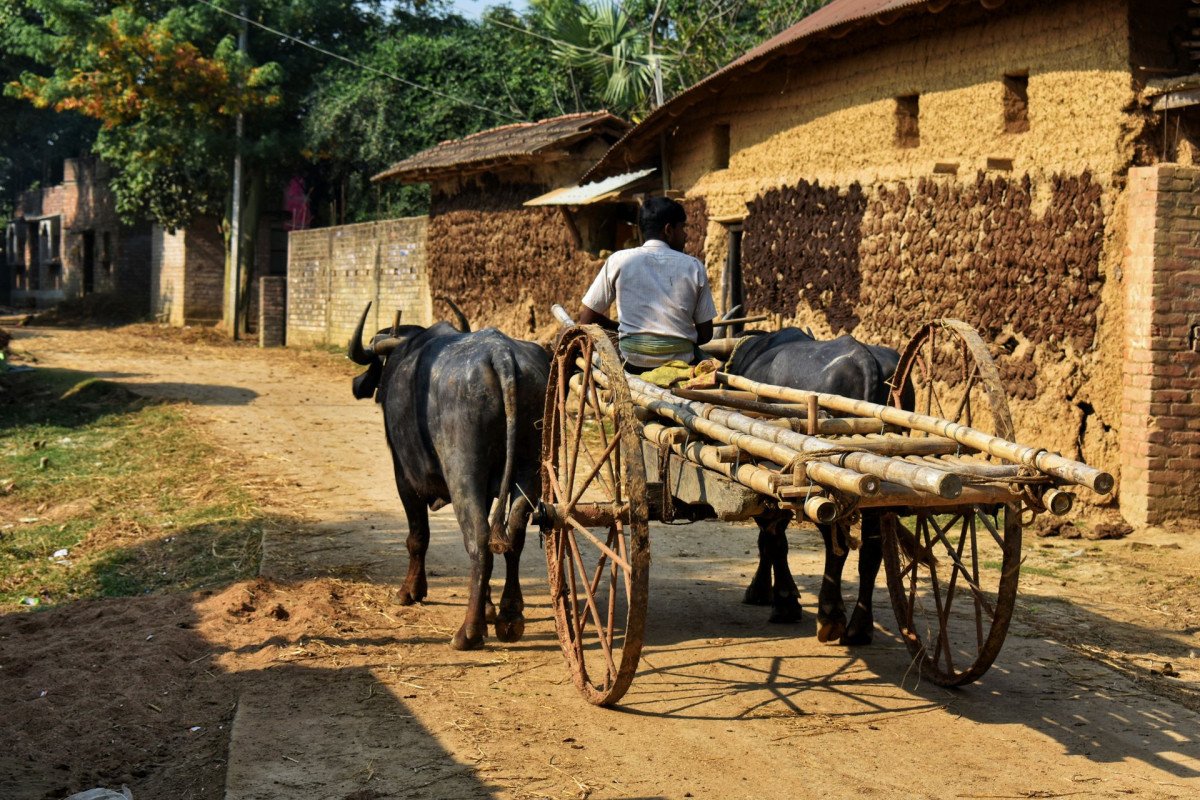
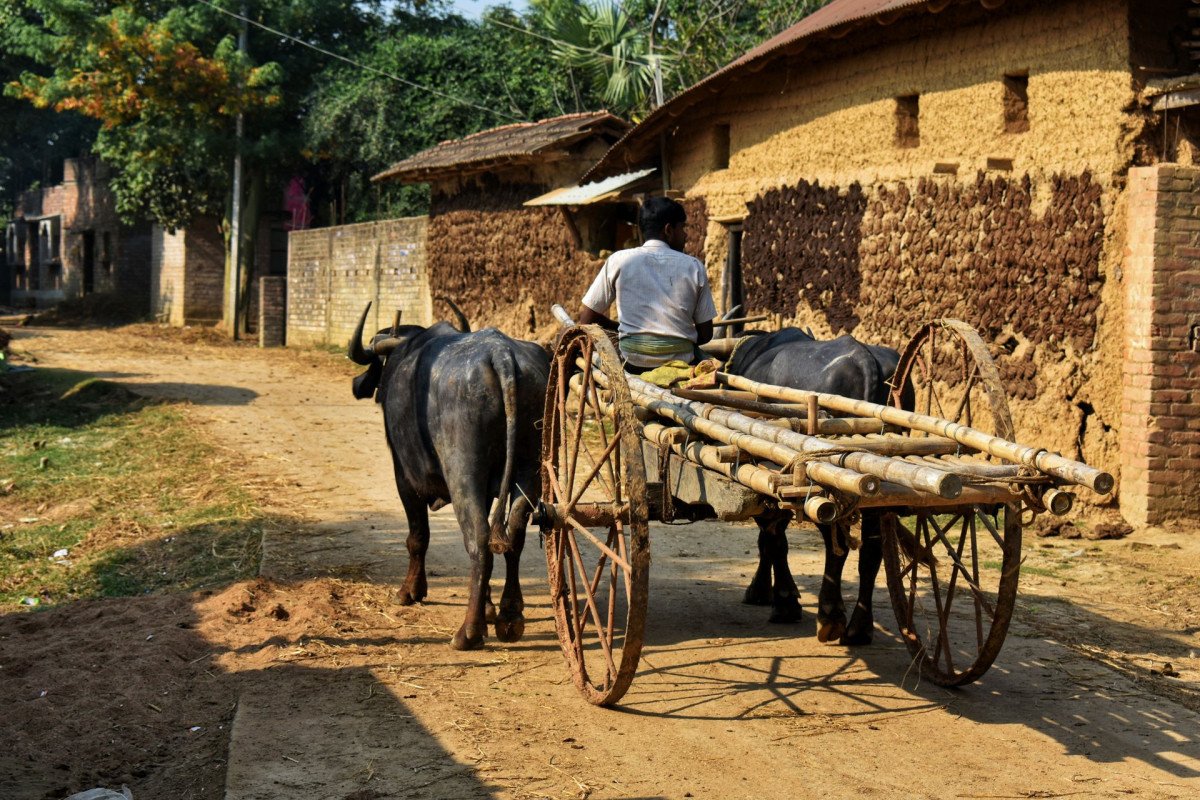
Nagaland Heritage Village
General information
-
Ideal Duration:
3 to 4 HoursPlace Type:
Cultural Heritage / Event VenueEntry Fees:
General Entry: During non-festival days, a small entry fee of around 20-30 INR is charged for maintenance and museum access.
Festival Entry: During the Hornbill Festival, the entry fee is usually 50-100 INR per day for domestic tourists and ...General Entry: During non-festival days, a small entry fee of around 20-30 INR is charged for maintenance and museum access.
Festival Entry: During the Hornbill Festival, the entry fee is usually 50-100 INR per day for domestic tourists and slightly more for international visitors.Timing:
Regular Timings: The village is open from 9:00 AM to 5:00 PM daily, though it stays open late into the night during the festival for concerts.
Ideal Visit Time: Visit during the first week of December for the full festival experience, or in ...Regular Timings: The village is open from 9:00 AM to 5:00 PM daily, though it stays open late into the night during the festival for concerts.
Ideal Visit Time: Visit during the first week of December for the full festival experience, or in October for a quiet, scenic walkthrough.Special Events:
The Hornbill Festival: Held from December 1st to 10th every year, it is a grand celebration of Naga heritage and inter-tribal unity.
Nagaland Statehood Day: Celebrated on December 1st, featuring official ceremonies and cultural parades that ...The Hornbill Festival: Held from December 1st to 10th every year, it is a grand celebration of Naga heritage and inter-tribal unity.
Nagaland Statehood Day: Celebrated on December 1st, featuring official ceremonies and cultural parades that mark the birth of the state.Best Photo Spots:
The Main Entrance: The grand gate with the "Nagaland Heritage Village" sign and traditional motifs is the most iconic spot for a welcome photo.
Front of Ao Morung: Known for its beautiful and complex carvings, it provides a textured and cult...The Main Entrance: The grand gate with the "Nagaland Heritage Village" sign and traditional motifs is the most iconic spot for a welcome photo.
Front of Ao Morung: Known for its beautiful and complex carvings, it provides a textured and culturally rich backdrop for portraits.
Amphitheater Viewpoint: From the top tiers, you can capture wide shots of the entire valley and the colorful crowd during the festival.Photo Gallery
Things To Do
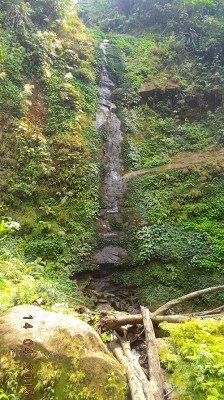 Triple Falls is one of the most stunning natural landmarks in Nagaland, located in Seithekima Village under the Chümoukedima district. As the name suggests, the attraction features three distinct streams of water that cascade down from a height of approximately 280 feet into a natural pool at the base. This geological marvel is nestled within a dense forest, providing a secluded and tranquil environment away from the commercial bustle of Dimapur. The falls are not only a sight for the eyes but also a popular destination for trekking and adventure enthusiasts. The journey to the falls involves a moderate trek through the jungle, where visitors can encounter diverse flora and the sound of indigenous birds. The pool at the bottom is relatively shallow and clear during the non-monsoon months, making it an ideal spot for a refreshing dip or a relaxing picnic. The Department of Tourism has developed the area with basic amenities like resting sheds and viewpoints to enhance the visitor experience. The sheer force of the water against the dark rocks creates a misty atmosphere that is incredibly cooling during the summer. For the local people of Seithekima, the falls are a source of pride and a favorite weekend getaway. The site represents the raw, unadulterated beauty of Nagaland’s topography, where water, rock, and forest meet in perfect synergy. It is a must-visit for anyone traveling between Dimapur and Kohima, offering a perfect blend of adventure and relaxation. The surrounding area is also being developed for off-roading and adventure sports, adding another layer of excitement for tourists.:
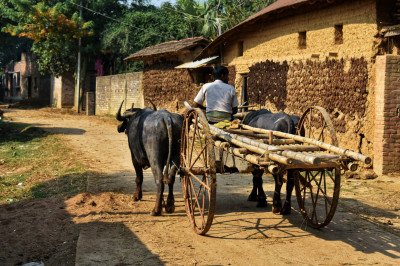 @@Diezephe Craft Village Details: Diezephe Craft Village is a significant cultural landmark located in the Dimapur district of Nagaland. This village is famous for its concentration of skilled artisans who specialize in traditional Naga handicrafts and handloom products. It was established with the vision of preserving the rich artisanal heritage of the various Naga tribes. Visitors can witness the intricate process of wood carving, bamboo work, and textile weaving. The village serves as a living museum where the younger generation learns these ancient skills. It is managed by the Nagaland Handloom and Handicrafts Development Corporation. The peaceful environment of the village allows for a deep dive into the rural lifestyle of the people. You can find unique souvenirs that are not available in commercial markets. The artisans use locally sourced materials like cane, bamboo, and natural dyes. Every house in the village often doubles as a small workshop. The village has gained international recognition for its commitment to sustainable craft practices. It is a must-visit for anyone interested in indigenous art and culture. The hospitality of the local Tenyimei community adds a warm touch to the visit. You can see the transformation of raw wood into beautiful decorative pieces. The village is also a center for eco-tourism and cultural exchange.
@@Nagaland Zoological Park Details: Nagaland Zoological Park, located in Rangapahar near Dimapur, is the largest zoo in the state, covering an area of 176 hectares. Established in 2008, it serves as a center for the conservation and breeding of wildlife endemic to the Northeast region. The park is famous for its "Butterfly Pass," a scenic route where over 200 species of butterflies can be seen. The zoo's topography is gently rolling, with low-lying areas that are ideal for aquatic birds. It houses over 360 animals comprising mammals, birds, and reptiles. Major attractions include the Bengal Tiger, Himalayan Black Bear, and various species of deer. The park is also a haven for birdwatchers, with 100 species of free-ranging birds recorded within its forested boundaries. It focuses on creating large, naturalistic enclosures rather than traditional cages. The Dhansiri River flows along the western side of the park, enhancing its natural beauty. The park is a popular spot for school excursions and family outings. It also features a rich diversity of plants, including many medicinal and fruit-bearing species. The zoo plays a vital role in educating the public about wildlife protection. Visitors can enjoy long walks along the well-maintained trails surrounded by lush greenery. The park is constantly expanding, with plans for safari zones in the future. It is easily accessible from the commercial hub of Dimapur.
@@Intanki National Park Details: Intanki National Park, also known as Ntangki National Park, is a massive wildlife reserve located in the Peren district of Nagaland. Spanning over 200 square kilometers, it was declared a national park in 1993. The park is famous for being the home of the rare Hoolock Gibbon, the only ape species found in India. It features a diverse landscape of equatorial forests, rolling hills, and deep valleys. The Dhansiri River flows through the park, providing a vital water source for the inhabitants. Wildlife enthusiasts can spot elephants, wild buffalos, leopards, and tigers. The park is a paradise for birdwatchers, with over 200 species recorded, including the Hornbill and Black Stork. The vegetation is a mix of semi-tropical and evergreen forests with a high density of mahogany and palms. It is one of the last remaining virgin forests in the region. The name "Ntangki" is derived from the Zeme dialect of the Zeliangrong tribe. Tourism here is controlled to preserve the delicate ecosystem. Visitors often stay in nearby Jalukie or Peren town. The park offers a true wilderness experience far from the hustle of city life. It plays a crucial role in the conservation of endangered species in Northeast India. Trekking through the park requires a guide and prior permission from the forest department. The park is also known for its incredible variety of orchids and medicinal plants.
The Pulie Badze Wildlife Sanctuary is a breathtaking ecological haven situated near the capital city of Kohima. Spanning over 9.23 square kilometers, this sanctuary is integral to the Mt. Japfu range and serves as a vital catchment area for the region's water supply. It is named after a legendary figure, Pulie, who, according to local Angami folklore, was a farmer who transformed into a spirit. The sanctuary is most famous for being a primary habitat of the Blyth’s Tragopan, the state bird of Nagaland. Visitors are often captivated by the dense canopy of primary broadleaved forests and the rugged mountain terrain that reaches an elevation of 2,296 meters. The sanctuary offers a serene escape from urban life, providing a lush backdrop of rhododendrons and rare orchids. It is a recognized Important Bird Area (IBA) where avian enthusiasts can spot the Dark-rumped Swift and the White-naped Yuhina. The trek to the Pulie Badze peak is a highlight for many, offering a panoramic view of the Kohima skyline and the surrounding emerald hills. The area remains largely untouched, preserving the mystical aura associated with Naga legends. Efforts by the local community and the Forest Department have ensured that the biodiversity remains protected from excessive human interference. For nature lovers, it is a place where one can hear the symphony of the wild while walking through mist-covered trails. The sanctuary is not just a tourist spot but a spiritual landmark for the Angami tribe, who hold the mountain in high regard. It represents the perfect harmony between nature and mythology that defines the spirit of Nagaland.:
@@Japfü Peak Details: Japfü Peak is the second-highest peak in Nagaland, standing at an elevation of 3,048 meters. It is located in the Kohima district and is a prime destination for trekkers and nature lovers. The peak is globally famous for hosting the World’s Tallest Rhododendron Tree, which stands at over 130 feet and is recorded in the Guinness World Records. The trek to the summit is moderately challenging and takes about 5 to 8 hours depending on fitness levels. From the top, one can witness breathtaking panoramic views of the Dzüko Valley and the surrounding mountain ranges of Nagaland and Manipur. During clear winters, even the snow-capped Himalayas can be spotted in the distance. The peak is part of the Barail Range and is ecologically rich with various species of orchids and medicinal plants. It holds spiritual significance for the Angami Naga tribe, who believe it to be a sacred site. The trek starts from Viswema or Jakhama village, which are near the Nagaland Heritage Village. The terrain changes from dense sub-tropical forests to temperate bamboo groves as you ascend. It is a popular spot for camping under the stars. The cool, crisp air at the summit is a refreshing escape from the plains. The peak is often shrouded in mist, creating a mystical atmosphere. It is a vital water source for the region, with rivers like the Doyang originating from its slopes.Show All
Touphema Tourist Village is a pioneering community-based tourism initiative located approximately 41 km north of Kohima. Established in 2001 by the local Angami community in collaboration with the state tourism department, it is designed to give visitors a deep immersion into the Naga way of life. The village is unique because it consists of 12 traditional cottages, each representing one of the 12 "khels" (clans) of the village. This model allows tourists to experience the social system, governance, and traditions of the Angami tribe in a curated yet authentic setting. The village is perched on a hillock, offering a 360-degree view of the surrounding mountain ranges and deep valleys. Unlike a typical museum, Touphema is a living village where guests can stay in huts built with traditional Naga architecture but equipped with basic modern amenities like western toilets and warm bedding. The village museum houses an impressive collection of wood carvings, traditional jewelry, and ceremonial spears. Visitors are often treated to local delicacies such as smoked pork with bamboo shoots and local rice beer known as "Zutho." The atmosphere is incredibly peaceful, characterized by the smell of woodsmoke and the sound of traditional folk songs. It serves as a great base for those interested in rural heritage and social history. The community takes great pride in their hospitality, ensuring that every guest feels like a part of the village family. During the Sekrenyi festival, the village transforms into a hub of cultural performance and ritualistic cleansing. It is a perfect destination for those looking to escape the commercial noise of modern cities and reconnect with ancestral traditions.:
Information
-
Why Famous:
Hornbill Festival: It is the global stage for Nagaland's most famous annual festival, drawing visitors from across the world every December.
World War II Museum: Famous for housing authentic relics, maps, and photographs from the historic Ba...Hornbill Festival: It is the global stage for Nagaland's most famous annual festival, drawing visitors from across the world every December.
World War II Museum: Famous for housing authentic relics, maps, and photographs from the historic Battle of Kohima during the 1944 campaign.
Traditional Naga Huts: Renowned for having the most authentic replicas of all 17 Naga tribal Morungs in one accessible location. -
Architecture:
Tribal Hut Specifications: Each Morung is approximately 15 meters in length and 8 meters in height, featuring a distinct frontal design unique to the specific tribe. The Angami huts, for instance, are known for their massive crossbeams and intricate hornbill motifs carved i...Tribal Hut Specifications: Each Morung is approximately 15 meters in length and 8 meters in height, featuring a distinct frontal design unique to the specific tribe. The Angami huts, for instance, are known for their massive crossbeams and intricate hornbill motifs carved into the wood.
Main Arena Design: The central amphitheater is a semi-circular structure with stone-tiered seating that can accommodate thousands of spectators during cultural performances. It is designed to mimic the natural slope of the Kisama hills, ensuring great acoustics and visibility for all.
Material and Craftsmanship: The entire village is built using locally sourced sustainable materials such as treated bamboo, hand-cut stone, and dry thatch. The pillars are often carved with motifs of tigers, elephants, and human figures, representing the bravery and social status of the tribes. -
How To Reach:
By Air: Dimapur Airport is the nearest air link (74 KM), with daily flights from Kolkata and Guwahati, followed by a 3-hour drive to Kohima.
By Train: Dimapur Railway Station is the closest railhead, from where you can take a shared taxi or ...By Air: Dimapur Airport is the nearest air link (74 KM), with daily flights from Kolkata and Guwahati, followed by a 3-hour drive to Kohima.
By Train: Dimapur Railway Station is the closest railhead, from where you can take a shared taxi or a private car to reach the village.
By Road: It is located right on the NH-39, making it easily accessible via bus or taxi from Kohima city or Dimapur.
By Local Transport: Yellow taxis from Kohima city center are the most convenient way to reach Kisama, taking about 30-40 minutes depending on traffic. -
Weather and Best Time to Visit:
Winter Peak: December is the busiest and best time due to the Hornbill Festival, offering the most vibrant and complete cultural experience.
Summer Season: From March to May, the weather is pleasant and the village is peaceful, ideal for pho...Winter Peak: December is the busiest and best time due to the Hornbill Festival, offering the most vibrant and complete cultural experience.
Summer Season: From March to May, the weather is pleasant and the village is peaceful, ideal for photography and architectural study. -
Near Tourist Places:
1. Kohima War Cemetery (12 KM), 2. Japfu Peak (15 KM), 3. Dzukou Valley (25 KM), 4. Khonoma Village (30 KM), 5. Jakhama (5 KM), 6. Kigwema (3 KM), 7. Pulebadze (15 KM), 8. State Museum (14 KM), 9. Cathedral of Kohima (11 KM), 10. Dimapur (74 KM)
Tourism Tips
-
Booking in Advance: If visiting in December, book your hotels or homestays in Kohima at least 4-5 months in advance as they fill up quickly.
Dress Comfortably: Wear comfortable shoes as the village is spread over a slope and involves a lot o...Booking in Advance: If visiting in December, book your hotels or homestays in Kohima at least 4-5 months in advance as they fill up quickly.
Dress Comfortably: Wear comfortable shoes as the village is spread over a slope and involves a lot of walking on stone paths.
Cash and Connectivity: Carry sufficient cash as mobile networks can be patchy and ATMs are limited near the village site; most stalls prefer cash.
Respect Local Norms: Avoid touching the artifacts in the museum and follow the designated paths within the Morungs to respect the cultural setups.
Reviews
FAQs
Nagaland Heritage Village Itineray And Cost:-
Nagaland Heritage Village Tourism:-
Other Places In Nagaland :-
Other States In India :-
Information about New and Updated Locations() of Nagaland Has Been Added :-
Card subtitle
Note:-
Information provided here in good Faith and for reference only.
Near Places

Dimapur
Some quick example text to build on the card title and make up the bulk of the card's content.
Go somewhere
Dzulekie
Some quick example text to build on the card title and make up the bulk of the card's content.
Go somewhere
Khonoma
Some quick example text to build on the card title and make up the bulk of the card's content.
Go somewhere
Kigwema
Some quick example text to build on the card title and make up the bulk of the card's content.
Go somewhere
Kiphire
Some quick example text to build on the card title and make up the bulk of the card's content.
Go somewhere
Kohima
Some quick example text to build on the card title and make up the bulk of the card's content.
Go somewhere
Longleng
Some quick example text to build on the card title and make up the bulk of the card's content.
Go somewhere
Meluri
Some quick example text to build on the card title and make up the bulk of the card's content.
Go somewhere
Mokokchung
Some quick example text to build on the card title and make up the bulk of the card's content.
Go somewhere
Mon
Some quick example text to build on the card title and make up the bulk of the card's content.
Go somewhere
Mopungchuket
Some quick example text to build on the card title and make up the bulk of the card's content.
Go somewhere
Nagaland Heritage Village
Some quick example text to build on the card title and make up the bulk of the card's content.
Go somewhere
Niuland
Some quick example text to build on the card title and make up the bulk of the card's content.
Go somewhere
Noklak
Some quick example text to build on the card title and make up the bulk of the card's content.
Go somewhere
Peren
Some quick example text to build on the card title and make up the bulk of the card's content.
Go somewhere
Zunheboto
Some quick example text to build on the card title and make up the bulk of the card's content.
Go somewherein Other Cities