Ungma
General information
-
Ideal Duration:
3 to 5 HoursPlace Type:
Historical / Ethnic VillageEntry Fees:
Entry Charges: There is usually no formal entry fee for visiting Ungma village as it is a public residential area. However, donations for the village development fund or small fees for visiting specific museums or heritage huts may be requested by the locals. ...Entry Charges: There is usually no formal entry fee for visiting Ungma village as it is a public residential area. However, donations for the village development fund or small fees for visiting specific museums or heritage huts may be requested by the locals.Timing:
Regular Timings: The village can be visited anytime during daylight hours, typically from 6:00 AM to 5:00 PM. Visitors are advised to arrive before sunset to see the architectural details and interact with the residents before they settle for the evening.
Read MoreRegular Timings: The village can be visited anytime during daylight hours, typically from 6:00 AM to 5:00 PM. Visitors are advised to arrive before sunset to see the architectural details and interact with the residents before they settle for the evening.
Ideal Visit Time: Sunday mornings are special for witnessing the locals dressed in their best attire for church services, creating a very formal and cultural atmosphere.Special Events:
Moatsu Festival: Celebrated in the first week of May, this festival marks the end of the sowing season. The village erupts in festivities with men and women performing the famous Ao warrior dance and sharing community feasts of rice and meat. ...Moatsu Festival: Celebrated in the first week of May, this festival marks the end of the sowing season. The village erupts in festivities with men and women performing the famous Ao warrior dance and sharing community feasts of rice and meat.Best Photo Spots:
Village Gates: The ornate traditional gates at the entrance of the village are iconic symbols of Naga identity and provide excellent photo opportunities. These gates are beautifully carved and represent the protection of the village spirit.
The...Village Gates: The ornate traditional gates at the entrance of the village are iconic symbols of Naga identity and provide excellent photo opportunities. These gates are beautifully carved and represent the protection of the village spirit.
The Amphitheatre: Located near the village council office, this open-air space offers a dramatic setting with the church in the background. It is a great spot for group photos and capturing the scale of the village's community infrastructure.Photo Gallery
Things To Do
 @@Overview of the Roosting Site: The Amur Falcon Roosting Site near the Doyang Hydro Project is a spectacular natural phenomenon where millions of migratory raptors arrive every year. These small birds, known as Amur Falcons, travel a staggering distance from Siberia and Northern China to reach Nagaland. The site is located in the Wokha district, primarily around the village of Pangti. This location serves as a crucial stopover point for the birds before they cross the Indian Ocean to reach South Africa. The sight of millions of birds darkening the sky as they descend to roost in the trees along the reservoir is a bucket-list experience for nature lovers. Historically, these birds were hunted for food, but a massive conservation effort by the local Lotha Naga community has transformed the area into a protected sanctuary. Today, Nagaland is proudly known as the Amur Falcon Capital of the World. The reservoir created by the dam provides a perfect ecosystem for these birds to rest and feed on insects, especially termites that emerge during the post-monsoon season. The area is managed by local eco-clubs and the forest department to ensure the safety of the visitors and the avian guests. It is an inspiring example of how community-led conservation can revive a species from the brink of extinction.
 @@Geography of Dikhu: The Dikhu River is one of the most prominent and mighty rivers in Nagaland, flowing through the heart of the Mokokchung and Longleng districts. It serves as a natural boundary between several villages, including the historic Ungma village. The river is a tributary of the Brahmaputra and is deeply woven into the folklore and history of the Ao Naga people. Its crystal-clear waters during the winter and its roaring currents during the monsoon define the landscape of northern Nagaland. For the people of Ungma, the river is not just a water source but a place of ancestral significance. The banks of the Dikhu are often characterized by large, smooth boulders and sandy patches that create perfect spots for picnics and relaxation. The river valley is fertile, supporting the agriculture of the surrounding tribes. It is a peaceful retreat away from the urban bustle of Mokokchung town. Visitors often find the serenity of the river therapeutic, as the only sounds are the gurgling water and distant bird calls. During the dry season, the water level recedes, revealing beautiful rock formations that have been carved by the flow over centuries.
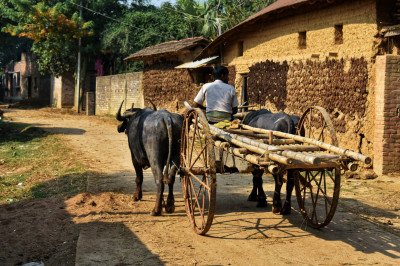 @@Culture of Longwa: Longwa Village is one of the most intriguing and culturally significant places in the world. It is situated on the international border between India and Myanmar. The village is inhabited by the Konyak Naga tribe, famously known as the "last headhunters" because of their history of warfare and taking the heads of enemies as trophies. The most unique aspect of Longwa is that the international boundary line passes right through the house of the Angh (the hereditary king). It is often joked that the Angh eats in India and sleeps in Myanmar. The villagers hold dual citizenship and move freely across the border. The elders of the village can still be seen with traditional facial tattoos, which were earned through acts of bravery in battle. The village is perched on a high ridge, offering views of the mountains in both countries. Despite the modernization in other parts of Nagaland, Longwa retains a very raw and traditional atmosphere. The houses are mostly made of wood and bamboo with thatched roofs, and the walls are often decorated with buffalo skulls. Visiting Longwa is like stepping back in time, providing a deep insight into a culture that remained untouched by the outside world for centuries.
@@The Legacy of Ungma: Ungma Village is legendary as the oldest and largest village of the Ao Naga tribe. According to folklore, it is the place where the ancestors of the Ao people first settled after their epic migration from Chungliyimti. Today, it stands as a majestic sentinel of history, perched on a high ridge overlooking the surrounding valleys. The village is divided into two main sectors, Yimpang (North) and Yimlang (South), each with its own rich tapestry of stories and traditions. Despite the encroachment of modernization, Ungma has managed to preserve its cultural soul with remarkable tenacity. The grand Baptist Church at the center of the village serves as a modern landmark, while the surrounding traditional structures remind visitors of the ancient roots. The village is a hub of cultural activity, where festivals are celebrated with a fervor that is contagious. Walking through Ungma is like stepping back in time, yet the presence of educated and forward-thinking residents ensures a vibrant and evolving community. It is a place of pilgrimage for those who wish to understand the origins of the Naga identity and witness a society that values its heritage as much as its future. @@Strategic Location: Situated just a few kilometers from the district headquarters, it serves as a gateway for tourists entering the Mokokchung region. @@Social Structure: The village is governed by a highly organized council that ensures the welfare of its thousands of residents, maintaining a discipline that is admired across the state. @@Cultural Hub: It is the primary venue for major tribal gatherings and inter-village meetings, reinforcing its status as the "Mother Village."
@@Overview of Mokokchung Village: Mokokchung Village is a historic and significant settlement located on a scenic hilltop in Nagaland. This village is often considered a spiritual and cultural heart for the local community, preserving the ancient ways of life that have defined the Ao Naga people for centuries. Visitors are greeted by a serene atmosphere where the air is fresh and the landscape is painted in deep shades of green. The village serves as a living museum where the past and present coexist beautifully. Walking through its narrow lanes, one can see traditional houses that still stand as a testament to the community's resilience and artistry. The village is not just a place of residence but a symbol of the identity of the Ao tribe, offering a profound sense of belonging and history. The hospitality of the locals is legendary, making every visitor feel like an honored guest in their ancestral home. It is a place where oral traditions are still passed down through generations, and the rhythms of nature dictate the pace of life. Travelers seeking an authentic tribal experience will find this village to be an unparalleled destination for cultural immersion and peaceful reflection. @@Historical Importance: Historically, Mokokchung Village played a pivotal role in the administration and social structure of the region during the colonial era and remains a cornerstone of tribal heritage today. @@Community Lifestyle: The lifestyle here is deeply rooted in communal values, where every major decision is made with the involvement of the village council. @@Natural Scenery: Surrounded by rolling hills and dense forests, the village offers breathtaking panoramic views that change with every season, providing a perfect backdrop for a quiet retreat.
 @@Introduction to the Dam: The Doyang Hydro Project is a massive engineering feat located on the Doyang River in the Wokha district. Commissioned in the year 2000, it is the largest hydroelectric project in Nagaland, managed by NEEPCO. The project has created a gargantuan reservoir that has completely changed the local micro-climate and geography. The reservoir is surrounded by rolling hills and lush green forests, making it one of the most scenic spots in the state. Beyond its industrial utility in generating electricity, the dam has become a major eco-tourism hub. The vast expanse of water is used for various water sports and fishing activities. The dam structure itself is an impressive sight, standing tall against the force of the Doyang river. The area around the project is well-maintained with gardens and viewpoints that offer a panoramic view of the catchment area. It is especially famous for being the primary site where Amur Falcons congregate, as the water attracts billions of insects for them to feed on. For travelers coming from Ungma, it offers a different perspective of Nagaland—one of modern development harmoniously co-existing with wild nature. The drive to the project involves passing through several traditional Lotha villages, adding a cultural layer to the trip.Show All
@@Introduction to Settsu: Settsu Picnic Spot is a hidden paradise tucked away in the lush greenery of the Mokokchung district. It is a favored destination for locals and tourists who wish to spend a day in the lap of nature, away from the noise of urban life. The spot is characterized by its proximity to a gentle mountain stream that flows over smooth river stones, creating a rhythmic and calming sound. The area is surrounded by towering trees and diverse flora, making it an ideal place for relaxation and rejuvenation. Whether you are looking to host a lively family gathering or seeking a quiet corner to read a book, Settsu provides the perfect environment. The air here is exceptionally crisp, and the natural shade provided by the canopy keeps the area cool even during the warmer months. It is a place where one can truly disconnect from technology and reconnect with the natural world. The scenic beauty of the spot is enhanced by the colorful butterflies and birds that frequent the riverside, adding to the enchanting atmosphere of the location. @@Landscape Features: The topography of Settsu consists of flat grassy patches perfect for laying down mats, interspersed with rocky areas near the water's edge. @@Environmental Preservation: The local community takes great pride in keeping the area clean and pristine, ensuring that the natural ecosystem remains undisturbed for future visitors. @@Atmospheric Quality: The spot is known for its "micro-climate" which is often several degrees cooler than the nearby town, providing a natural escape from the heat.
Information
-
Why Famous:
Cradle of Ao Culture: Ungma is famous for being the source from which all other Ao Naga villages were established. It is considered the spiritual and cultural capital of the tribe, where ancient traditions are kept alive through oral storytelling and annual festivals.
<...Cradle of Ao Culture: Ungma is famous for being the source from which all other Ao Naga villages were established. It is considered the spiritual and cultural capital of the tribe, where ancient traditions are kept alive through oral storytelling and annual festivals.
Traditional Log Drums: The village is home to some of the largest and most ancient log drums in Nagaland, carved out of single massive tree trunks. These drums were traditionally used to signal war, fire, or the arrival of distinguished guests in the ancient days. -
Architecture:
Ao Naga Traditional Style: The architecture is a mix of modern RCC structures and traditional bamboo huts with high-pitched roofs. The Morung (bachelors' dormitory) is a significant architectural feature, showcasing massive timber pillars and intricate carvings of Naga moti...Ao Naga Traditional Style: The architecture is a mix of modern RCC structures and traditional bamboo huts with high-pitched roofs. The Morung (bachelors' dormitory) is a significant architectural feature, showcasing massive timber pillars and intricate carvings of Naga motifs.
Baptist Church Grandeur: The village church is a massive structure measuring roughly 150x80 feet, featuring a blend of Gothic and modern Naga design elements. It serves as a central landmark, visible from miles away, and can accommodate thousands of worshippers during Sunday services. -
How To Reach:
By Air: The nearest airport is Jorhat Airport (AJL) in Assam, which is approximately 110 KMS from Ungma. From Jorhat, one can hire a taxi or take a bus to Mokokchung, which takes about 4 to 5 hours through the hills.
By Train: Mariani Junct...By Air: The nearest airport is Jorhat Airport (AJL) in Assam, which is approximately 110 KMS from Ungma. From Jorhat, one can hire a taxi or take a bus to Mokokchung, which takes about 4 to 5 hours through the hills.
By Train: Mariani Junction in Assam is the closest railway station, located about 85 KMS away. It is a major railhead connected to the rest of India; from there, shared taxis and private vehicles are available for the climb up to Mokokchung.
By Road: Ungma is just 3 KMS away from Mokokchung town, which is well-connected by road to Kohima and Dimapur. Regular bus services and shared Sumos operate on these routes, making it easily accessible for travelers.
By Local Transport: From Mokokchung town center, one can easily reach Ungma by taking a local taxi or even a brisk uphill walk. The short distance makes it a convenient half-day excursion for those staying in the main town. -
Weather and Best Time to Visit:
Autumn (October-November): The weather is perfect for sightseeing with clear blue skies and pleasant day temperatures around 22°C. This is the best time for photography as the visibility of the distant mountain ranges is at its peak.
Spring (M...Autumn (October-November): The weather is perfect for sightseeing with clear blue skies and pleasant day temperatures around 22°C. This is the best time for photography as the visibility of the distant mountain ranges is at its peak.
Spring (March-May): This period sees the blooming of rhododendrons and other wild flowers, adding color to the village landscape. The Moatsu Festival in May makes this a high-value time for cultural enthusiasts despite the occasional pre-monsoon showers.
Winter (December-January): Winters are cold but dry, with morning temperatures dropping to 5°C. The festive atmosphere of Christmas and New Year makes the village look beautiful with lights and decorations, although the days are shorter. -
Near Tourist Places:
Mokokchung (3 KMS), Longkhum (17 KMS), Mopungchuket (15 KMS), Chuchuyimlang (30 KMS), Langpangkong Caves (45 KMS), Wokha (70 KMS), Zunheboto (75 KMS), Jorhat (110 KMS), Tuensang (115 KMS), Mariani (85 KMS)
Tourism Tips
-
Health and Safety: The village is very safe for tourists, but it is advisable to return to Mokokchung town before dark if you don't have a pre-booked stay. Carry a basic first-aid kit and hand sanitizer, as facilities in the village are basic.
...Health and Safety: The village is very safe for tourists, but it is advisable to return to Mokokchung town before dark if you don't have a pre-booked stay. Carry a basic first-aid kit and hand sanitizer, as facilities in the village are basic.
Packing Tips: Wear modest clothing that covers the shoulders and knees when visiting the church or traditional areas. Carry a warm jacket and comfortable walking shoes, as the village has many slopes and steps that require good grip.
Accommodation: While most travelers stay in Mokokchung town, a few homestays in Ungma offer a more immersive experience. Booking in advance is recommended during festival seasons like Moatsu or Tsungremmong in August.
Local Respect: Always greet the village elders and seek permission before entering private courtyards or clicking photos of people. Being polite and showing interest in their history will often lead to a more personal and rewarding cultural exchange.
Reviews
FAQs
Ungma Itineray And Cost:-
Other Places In Nagaland :-
Other States In India :-
Information about New and Updated Locations() of Nagaland Has Been Added :-
Card subtitle
Note:-
Information provided here in good Faith and for reference only.
Near Places
Dimapur
Some quick example text to build on the card title and make up the bulk of the card's content.
Go somewhere
Dzulekie
Some quick example text to build on the card title and make up the bulk of the card's content.
Go somewhere
Khonoma
Some quick example text to build on the card title and make up the bulk of the card's content.
Go somewhere
Kigwema
Some quick example text to build on the card title and make up the bulk of the card's content.
Go somewhere
Kiphire
Some quick example text to build on the card title and make up the bulk of the card's content.
Go somewhere
Kohima
Some quick example text to build on the card title and make up the bulk of the card's content.
Go somewhere
Longleng
Some quick example text to build on the card title and make up the bulk of the card's content.
Go somewhere
Meluri
Some quick example text to build on the card title and make up the bulk of the card's content.
Go somewhere
Mokokchung
Some quick example text to build on the card title and make up the bulk of the card's content.
Go somewhere
Mon
Some quick example text to build on the card title and make up the bulk of the card's content.
Go somewhere
Mopungchuket
Some quick example text to build on the card title and make up the bulk of the card's content.
Go somewhere
Nagaland Heritage Village
Some quick example text to build on the card title and make up the bulk of the card's content.
Go somewhere
Niuland
Some quick example text to build on the card title and make up the bulk of the card's content.
Go somewhere
Noklak
Some quick example text to build on the card title and make up the bulk of the card's content.
Go somewhere
Peren
Some quick example text to build on the card title and make up the bulk of the card's content.
Go somewhere
Zunheboto
Some quick example text to build on the card title and make up the bulk of the card's content.
Go somewherein Other Cities