

Niuland
General information
-
Ideal Duration:
1 DayPlace Type:
Eco-Tourism / Agricultural HubEntry Fees:
General Entry: There is usually no entry fee to visit the Niuland district or its public villages, making it a budget-friendly destination.
Estate Access: Some private tea estates may charge a nominal fee of 50-100 INR for guided tours or ph...General Entry: There is usually no entry fee to visit the Niuland district or its public villages, making it a budget-friendly destination.
Estate Access: Some private tea estates may charge a nominal fee of 50-100 INR for guided tours or photography within their premises.Timing:
Regular Timings: The district is best explored between 6:00 AM and 5:00 PM when the sunlight is optimal for viewing the landscapes and tea gardens.
Ideal Visit Time: Early morning (6:30 AM) is the best time for photography in the tea gardens...Regular Timings: The district is best explored between 6:00 AM and 5:00 PM when the sunlight is optimal for viewing the landscapes and tea gardens.
Ideal Visit Time: Early morning (6:30 AM) is the best time for photography in the tea gardens to capture the morning dew and soft light.Special Events:
Tuluni Festival: Celebrated in July, it is the most important festival of the Sumi Nagas, marking a time of abundance and communal feast.
Ahuna Festival: A post-harvest festival celebrated in November to thank the gods for a bountiful harves...Tuluni Festival: Celebrated in July, it is the most important festival of the Sumi Nagas, marking a time of abundance and communal feast.
Ahuna Festival: A post-harvest festival celebrated in November to thank the gods for a bountiful harvest, featuring traditional dances and songs.Best Photo Spots:
Tea Garden Vistas: The symmetrical rows of tea bushes with the misty hills in the background create a classic "post-card" image of the region.
Paddy Field Sunsets: The reflection of the setting sun on the water-filled rice paddies during the...Tea Garden Vistas: The symmetrical rows of tea bushes with the misty hills in the background create a classic "post-card" image of the region.
Paddy Field Sunsets: The reflection of the setting sun on the water-filled rice paddies during the sowing season offers a golden, magical photo opportunity.
Traditional Sumi Attire: Capturing locals in their vibrant red and black traditional dress during festival days provides a splash of color against the green.Photo Gallery
Things To Do
 @@Detailed Information: The Niuland Rubber Plantation View offers a mesmerizing look at one of the primary agricultural industries of the region. These plantations cover vast tracts of land where the hills of Nagaland meet the plains of Assam. The sight of thousands of rubber trees planted in neat, symmetrical rows creates a unique visual geometry that is rare in other parts of the state. These plantations are not just a scenic beauty but also a lifeline for many local families who depend on rubber tapping for their livelihood. Walking through the plantation, one can see the small cups attached to the trees to collect the white latex. The air inside the plantation is notably cooler and carries a fresh, earthy scent. During the migratory season, these rubber farms become a roosting ground for thousands of Amur Falcons, adding a spectacular wildlife dimension to the visit. It is a peaceful escape from the town area, offering a quiet environment for nature walks and contemplation. The plantation represents the successful integration of commercial farming with the natural landscape of the "Land of Diversity." Visitors can learn about the process of rubber production from the local workers who are often happy to demonstrate their tapping skills. The play of light through the canopy creates a surreal atmosphere that is a dream for photographers and nature enthusiasts alike.
 @@Detailed Information: The Niuland Town Park is the primary recreational space for the residents of the newly formed district. It serves as the "green lung" of the town, providing a necessary break from the urban development taking place around it. The park is a favorite spot for families, children, and fitness enthusiasts who come here to enjoy the fresh air and the natural beauty of the region. It features well-laid walking paths, colorful flower beds with seasonal blooms, and seating areas for people to relax and socialize. The park is especially vibrant in the evenings when the local youth gather for small community activities or just to hang out. For a visitor, the park offers a peaceful environment to observe the local lifestyle of the people in the "Land of Diversity." The park is often the venue for local events, flower shows, and small markets during the festive season. It is a well-maintained space that reflects the community's pride in their town's development. The surrounding trees provide a habitat for local birds, making it a mini-sanctuary within the town. Whether you are looking for a place for a morning jog or a quiet spot to watch the world go by, Niuland Town Park is the perfect location. Its central position makes it easily accessible to everyone staying in the town. The park symbolizes the balance between progress and nature that the Niuland district strives to maintain.
 @@Detailed Information: The Niuland Tourist Rest House is the primary accommodation and hospitality center for visitors exploring this new district. Situated on a slight elevation, it offers a commanding view of the town and the surrounding greenery. This government-run facility serves as a crucial infrastructure point for both administrative officials and tourists. The rest house is known for its quiet ambiance and traditional hospitality, providing a comfortable base for those who want to experience the local Naga culture without venturing too far into the wilderness. The rooms are basic but clean, reflecting the simple and honest lifestyle of the region. Staying here allows tourists to interact with local staff who are knowledgeable about the nearby attractions and hidden trails. The rest house garden is a well-maintained space with local flowers, making it a pleasant spot for evening strolls. It often serves as the meeting point for district-level planning and cultural gatherings. For a traveler, it offers the essential comfort of a "home away from home" in a region that is still developing its tourism potential. The building itself carries an air of importance, often hosting high-ranking officials and dignitaries visiting the district headquarters. It is a symbol of the growing hospitality sector in Niuland, ensuring that the "Land of Diversity" is accessible and welcoming to all.
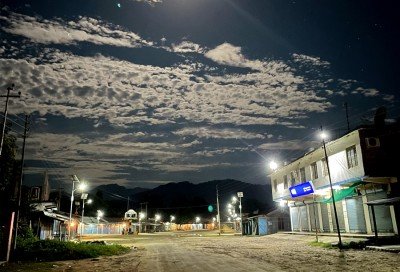
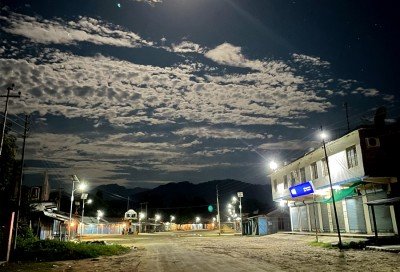 @@Detailed Information: The Niuland Road Junction View serves as the primary gateway and the heartbeat of the newly formed Niuland district. It is a bustling intersection that connects various rural roads to the main town center, offering a panoramic view of the transition from the plains of Assam to the foothills of Nagaland. This spot is essential for understanding the local geography and the administrative importance of the area. Visitors often stop here to observe the daily life of the diverse Naga tribes that inhabit the district, making it a social hub for the community. The junction is surrounded by local eateries and small shops that sell indigenous products, providing a glimpse into the local economy. It represents the "Land of Diversity," where different ethnic groups meet and interact. The view from the junction is particularly beautiful during sunset when the sky changes colors over the distant hills. It is a place of constant movement, reflecting the growth and development of the 14th district of Nagaland. For many, it is the starting point for exploring the hidden treasures of the district. The atmosphere is vibrant, filled with the sounds of local dialects and the hum of transport vehicles.
 @@Detailed Information: The Niuland Town Baptist Church stands as a magnificent spiritual beacon atop one of the highest points in the town. In Nagaland, the church is not just a place of worship but the center of social and community life, and this church is a prime example. Its towering structure can be seen from almost anywhere in the district, symbolizing the deep-seated faith of the Naga people. The church belongs to the Sumi Baptist Akukho association and plays a vital role in the moral and social fabric of the "Land of Diversity." Every Sunday, the town comes alive as people dressed in their finest traditional and modern attire flock to the church for service. The interior of the church is designed to accommodate hundreds of worshippers, featuring a peaceful atmosphere that invites contemplation. The hymns sung in the local dialect are a soul-stirring experience even for non-locals. The church complex also includes administrative offices and a community hall where important local decisions and weddings take place. The architecture is a point of pride for the residents, having been built through community contributions and labor. Visiting the church provides an insight into the Christian heritage of the state and the discipline and unity of the local community. The view from the church courtyard is spectacular, offering a 360-degree vista of the green hills and the sprawling Niuland town.
 The Niuland Circuit House is the most prominent government accommodation and administrative landmark in the district. It serves as the official residence for visiting high-ranking government officials, ministers, and dignitaries. For tourists, it represents a safe and comfortable place to stay, offering panoramic views of the surrounding hills and the sprawling plains that meet the mountains. The building is situated in a high-security zone, ensuring a peaceful and quiet atmosphere away from the town's market noise. The gardens of the Circuit House are meticulously maintained, featuring a variety of seasonal blooms and evergreen trees. Historically, this facility has been the nerve center for administrative planning during the formation of Niuland as a separate district. Staying here or visiting the grounds provides a sense of the colonial-style hospitality that is still prevalent in government establishments in Nagaland. The staff is known for their courteous service and can often provide valuable information about local travel and safety. The dining hall serves traditional Naga meals upon request, giving visitors a taste of authentic local flavors in a formal setting. Its elevated position makes it one of the best vantage points in the town to witness the sunrise over the eastern horizon.
Akito Wellness Centre is a premier rejuvenation destination in the Niuland district, designed to offer a holistic escape from the chaotic urban life. This facility is nestled within an idyllic village setting, surrounded by lush greenery and the gentle whispers of the Zubza River. It serves as a sanctuary for those seeking physical, mental, and spiritual healing through traditional and modern wellness practices. The center provides a range of services including spa treatments, therapeutic massages, and guided meditation sessions in a tranquil environment. It has quickly become a popular spot for visitors from Chümoukedima and Dimapur who want to experience the quietude of rural Nagaland. The facility also functions as a host for various spiritual and community retreat camps, fostering a sense of communal bonding among locals and tourists alike. The lush medicinal gardens surrounding the area add to the therapeutic atmosphere, making every breath feel fresh and invigorating. Visitors can enjoy the serene views of the eastern mountains while undergoing wellness programs designed to detoxify the body. The center is a testament to the growing eco-tourism potential of the region, combining natural beauty with high-quality hospitality. Whether you are looking for a weekend getaway or a deep healing experience, this center offers a perfect blend of comfort and nature. The staff are known for their warm Naga hospitality, ensuring that every guest feels like part of the family. Its location in Hozukhe makes it a central node for exploring other nearby attractions like Lavi Lake and the Atoqa Tea Factory.Show All
The Niuland Circuit House is the most prominent government accommodation and administrative landmark in the district. It serves as the official residence for visiting high-ranking government officials, ministers, and dignitaries. For tourists, it represents a safe and comfortable place to stay, offering panoramic views of the surrounding hills and the sprawling plains that meet the mountains. The building is situated in a high-security zone, ensuring a peaceful and quiet atmosphere away from the town's market noise. The gardens of the Circuit House are meticulously maintained, featuring a variety of seasonal blooms and evergreen trees. Historically, this facility has been the nerve center for administrative planning during the formation of Niuland as a separate district. Staying here or visiting the grounds provides a sense of the colonial-style hospitality that is still prevalent in government establishments in Nagaland. The staff is known for their courteous service and can often provide valuable information about local travel and safety. The dining hall serves traditional Naga meals upon request, giving visitors a taste of authentic local flavors in a formal setting. Its elevated position makes it one of the best vantage points in the town to witness the sunrise over the eastern horizon.
Akito Wellness Centre is a premier rejuvenation destination in the Niuland district, designed to offer a holistic escape from the chaotic urban life. This facility is nestled within an idyllic village setting, surrounded by lush greenery and the gentle whispers of the Zubza River. It serves as a sanctuary for those seeking physical, mental, and spiritual healing through traditional and modern wellness practices. The center provides a range of services including spa treatments, therapeutic massages, and guided meditation sessions in a tranquil environment. It has quickly become a popular spot for visitors from Chümoukedima and Dimapur who want to experience the quietude of rural Nagaland. The facility also functions as a host for various spiritual and community retreat camps, fostering a sense of communal bonding among locals and tourists alike. The lush medicinal gardens surrounding the area add to the therapeutic atmosphere, making every breath feel fresh and invigorating. Visitors can enjoy the serene views of the eastern mountains while undergoing wellness programs designed to detoxify the body. The center is a testament to the growing eco-tourism potential of the region, combining natural beauty with high-quality hospitality. Whether you are looking for a weekend getaway or a deep healing experience, this center offers a perfect blend of comfort and nature. The staff are known for their warm Naga hospitality, ensuring that every guest feels like part of the family. Its location in Hozukhe makes it a central node for exploring other nearby attractions like Lavi Lake and the Atoqa Tea Factory.Show All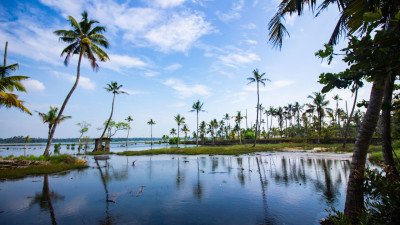 Zuheshe Lake is a pristine natural water body that serves as a tranquil sanctuary for both locals and travelers seeking a quiet escape. Surrounded by low-lying hills and dense sub-tropical vegetation, the lake is a mirror to the sky, reflecting the ever-changing colors of the Naga horizon. It is a vital part of the local ecosystem and plays a significant role in the community life of Zuheshe Village. The lake is famous for its abundance of local fish species, making it a popular destination for traditional angling. Unlike more commercialized lakes, Zuheshe maintains a raw, untouched beauty where one can hear the calls of various migratory birds that visit during the winter months. The banks of the lake are often used by local families for weekend picnics, providing a wholesome environment for children to play. The water is clear and calm, perfect for reflecting on the natural splendor of the Niuland district. The lake is also steeped in local folklore, with stories passed down through generations about the spirits of the water and the land. For the eco-conscious traveler, it offers a perfect example of community-led conservation, as the villagers take great pride in keeping the lake and its surroundings clean and undisturbed.
Information
-
Why Famous:
Tea Gardens: Famous for its sprawling and beautifully maintained tea estates that offer a unique landscape compared to the rest of mountainous Nagaland.
Sumi Naga Culture: Renowned as a center for Sumi culture, where traditional festivals li...Tea Gardens: Famous for its sprawling and beautifully maintained tea estates that offer a unique landscape compared to the rest of mountainous Nagaland.
Sumi Naga Culture: Renowned as a center for Sumi culture, where traditional festivals like Tuluni are celebrated with great pomp and traditional rituals.
Paddy Fields: Known for its vast, emerald-green rice terraces that look like a sea of green during the monsoon and harvest seasons. -
Architecture:
Rural Settlement Layout: The architecture in Niuland is characterized by spacious farmhouses and traditional Sumi huts that are often surrounded by fruit orchards and kitchen gardens. These homes are typically built with a combination of wood and modern materials, reflectin...Rural Settlement Layout: The architecture in Niuland is characterized by spacious farmhouses and traditional Sumi huts that are often surrounded by fruit orchards and kitchen gardens. These homes are typically built with a combination of wood and modern materials, reflecting the district's proximity to urban centers.
Agricultural Structures: You will find many traditional granaries (bu) built on stilts to protect the harvest from dampness and pests. These structures are roughly 3 meters high and 4 meters wide, representing the agricultural wealth of the family.
The Tea Factory Designs: The tea processing units in the district feature colonial-style industrial architecture with large open halls and high ceilings to facilitate air circulation for tea drying. -
How To Reach:
By Air: Dimapur Airport is the closest (30 KM), with regular connections to major Indian cities like Delhi and Kolkata.
By Train: Dimapur Railway Station is very close, from where private taxis and shared autos can be hired to reach Niuland....By Air: Dimapur Airport is the closest (30 KM), with regular connections to major Indian cities like Delhi and Kolkata.
By Train: Dimapur Railway Station is very close, from where private taxis and shared autos can be hired to reach Niuland.
By Road: Well-connected by a network of all-weather roads from Dimapur; the drive takes about 45-60 minutes through scenic countryside.
By Local Transport: Shared taxis and local buses run frequently between Dimapur's main market area and Niuland town throughout the day. -
Weather and Best Time to Visit:
Post-Monsoon: October to November is ideal as the landscape is incredibly green and the weather is cool and pleasant for outdoor activities.
Winter Season: December to February offers clear skies and the perfect temperature for exploring the...Post-Monsoon: October to November is ideal as the landscape is incredibly green and the weather is cool and pleasant for outdoor activities.
Winter Season: December to February offers clear skies and the perfect temperature for exploring the tea gardens and riverside picnics. -
Near Tourist Places:
1. Dimapur (30 KM), 2. Chumoukedima (35 KM), 3. Kachari Ruins (32 KM), 4. Diezephe Craft Village (40 KM), 5. Triple Falls (38 KM), 6. Rangapahar Reserve Forest (34 KM), 7. Nagaland Science Centre (31 KM), 8. Zoological Park (33 KM), 9. Ghaspani (45 KM), 10. Medziphema (50 KM)
Tourism Tips
-
Clothing Advice: Wear light cotton clothes during the day and carry a light sweater for the evenings, especially if visiting in the winter.
Insect Protection: Since the area has many tea gardens and water bodies, carry mosquito repellent and...Clothing Advice: Wear light cotton clothes during the day and carry a light sweater for the evenings, especially if visiting in the winter.
Insect Protection: Since the area has many tea gardens and water bodies, carry mosquito repellent and wear long sleeves for evening walks.
Respecting Private Property: Always ask for permission before entering deep into private tea estates or taking photos of people's homes and granaries.
Local Guides: Hiring a local Sumi guide can enhance your experience by providing deeper insights into the tribal customs and the history of the land.
Reviews
FAQs
Niuland Itineray And Cost:-
Other Places In Nagaland :-
Other States In India :-
Information about New and Updated Locations() of Nagaland Has Been Added :-
Card subtitle
Note:-
Information provided here in good Faith and for reference only.
Near Places
Dimapur
Some quick example text to build on the card title and make up the bulk of the card's content.
Go somewhere
Dzulekie
Some quick example text to build on the card title and make up the bulk of the card's content.
Go somewhere
Khonoma
Some quick example text to build on the card title and make up the bulk of the card's content.
Go somewhere
Kigwema
Some quick example text to build on the card title and make up the bulk of the card's content.
Go somewhere
Kiphire
Some quick example text to build on the card title and make up the bulk of the card's content.
Go somewhere
Kohima
Some quick example text to build on the card title and make up the bulk of the card's content.
Go somewhere
Longleng
Some quick example text to build on the card title and make up the bulk of the card's content.
Go somewhere
Meluri
Some quick example text to build on the card title and make up the bulk of the card's content.
Go somewhere
Mokokchung
Some quick example text to build on the card title and make up the bulk of the card's content.
Go somewhere
Mon
Some quick example text to build on the card title and make up the bulk of the card's content.
Go somewhere
Mopungchuket
Some quick example text to build on the card title and make up the bulk of the card's content.
Go somewhere
Nagaland Heritage Village
Some quick example text to build on the card title and make up the bulk of the card's content.
Go somewhere
Niuland
Some quick example text to build on the card title and make up the bulk of the card's content.
Go somewhere
Noklak
Some quick example text to build on the card title and make up the bulk of the card's content.
Go somewhere
Peren
Some quick example text to build on the card title and make up the bulk of the card's content.
Go somewhere
Zunheboto
Some quick example text to build on the card title and make up the bulk of the card's content.
Go somewherein Other Cities