


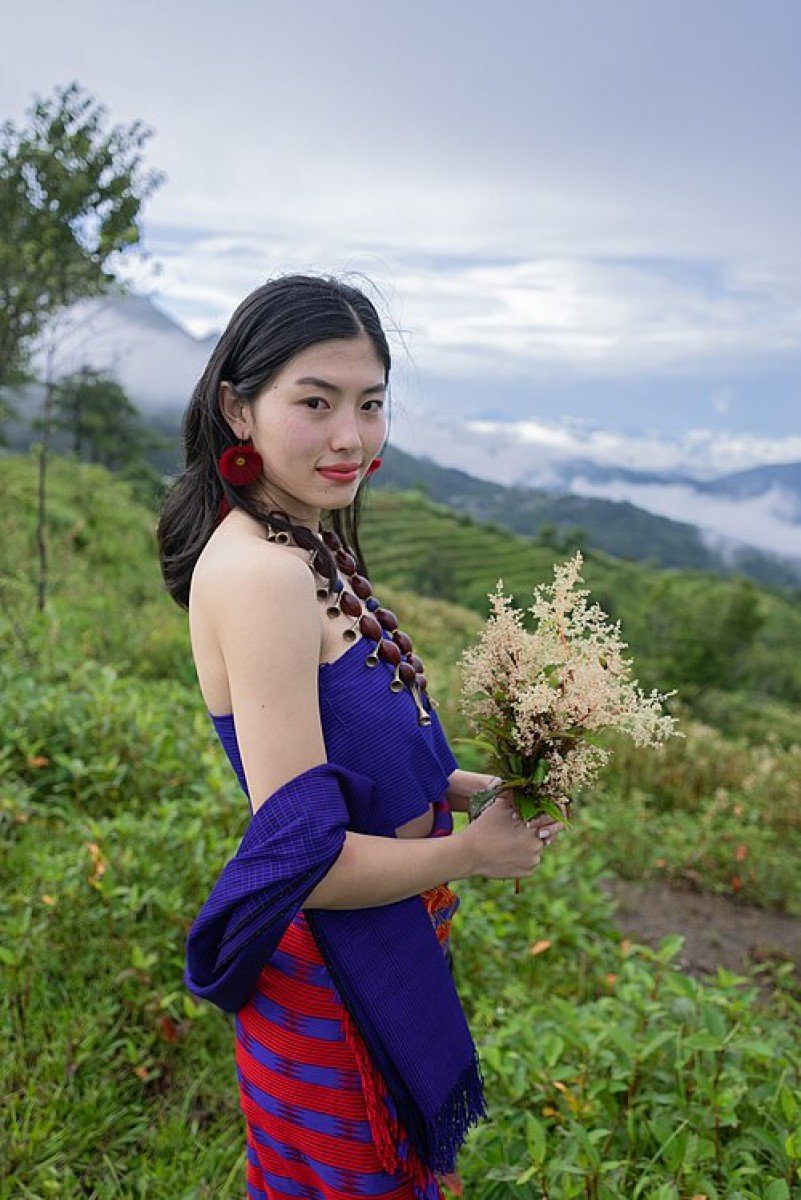
Mokokchung
General information
-
Ideal Duration:
Duration: 2 to 3 DaysPlace Type:
Category: Cultural, Heritage, and Intellectual HEntry Fees:
District Museum Fees: A small entry fee of around INR 10 to 20 is usually required for adults to support the maintenance of the museum's collections.
Village Park Entry: Some developed tourism villages like Mopungchuket may charge a nominal ...District Museum Fees: A small entry fee of around INR 10 to 20 is usually required for adults to support the maintenance of the museum's collections.
Village Park Entry: Some developed tourism villages like Mopungchuket may charge a nominal fee of INR 30 for entry to their parks and museums.Timing:
Museum and Parks: Most tourist sites are open from 10:00 AM to 4:00 PM, with museums typically closed on Sundays and public holidays.
Best Visiting Time: Early morning walks are best for enjoying the fresh mountain air, while afternoons are ...Museum and Parks: Most tourist sites are open from 10:00 AM to 4:00 PM, with museums typically closed on Sundays and public holidays.
Best Visiting Time: Early morning walks are best for enjoying the fresh mountain air, while afternoons are perfect for visiting the indoor museum and markets.Special Events:
Moatsu Festival: Held in the first week of May, this festival marks the end of the sowing season and is filled with traditional songs, dances, and merrymaking.
Tsungremong Festival: Celebrated in August, it is the biggest harvest festival wh...Moatsu Festival: Held in the first week of May, this festival marks the end of the sowing season and is filled with traditional songs, dances, and merrymaking.
Tsungremong Festival: Celebrated in August, it is the biggest harvest festival where the community offers prayers for a fruitful crop and celebrates with feasts.Best Photo Spots:
Longkhum Hilltop: The panoramic views of the hills at sunset provide a dramatic backdrop for landscape photography that captures the "soul" of the region.
Mopungchuket Sculptures: The intricate wood carvings and the peaceful lake in the vill...Longkhum Hilltop: The panoramic views of the hills at sunset provide a dramatic backdrop for landscape photography that captures the "soul" of the region.
Mopungchuket Sculptures: The intricate wood carvings and the peaceful lake in the village are perfect for artistic and detailed cultural photography shots.
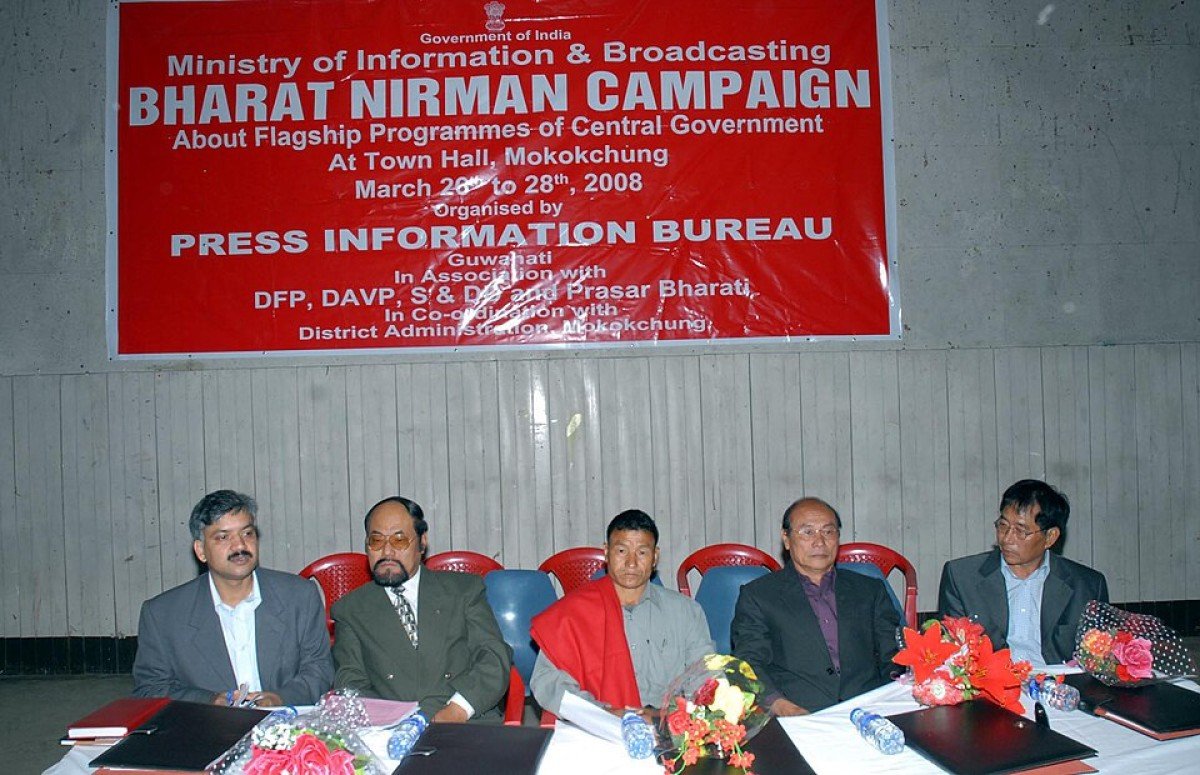
Ungma Log Drum: The scale and detail of the traditional log drum make it a must-photograph subject for anyone interested in Naga tribal artifacts.Photo Gallery

Things To Do
 The Langpangkong Caves are a series of natural rock shelters located in the Langpangkong mountain range, situated between the valleys of the Dikhu and Tzula rivers. These caves hold a legendary status in the history of the region, most notably as the refuge for an Ahom King from Assam who fled his kingdom due to internal strife and political rivalries. The king is said to have stayed in these caves for a considerable period, protected by the dense forests and the hospitality of the local Naga tribes. The caves are naturally formed and offer a glimpse into the geological wonders of the limestone formations in the district. Unlike many commercialized caves, Langpangkong remains relatively raw and rugged, providing an authentic adventurous experience for those willing to trek through the wilderness. The surrounding area is rich in biodiversity, with thick foliage and a variety of bird species, making the journey as interesting as the destination. The main cave where the king took shelter is the primary attraction, but there are several smaller caverns nearby that can be explored with the help of a local guide. The atmosphere inside the caves is cool and damp, with interesting patterns on the walls formed by centuries of water erosion. For the locals, these caves are not just geological sites but symbols of the historical ties between the Ahom kingdom and the Naga people. Visiting these caves requires a bit of physical effort, as the path involves moderate hiking through forest trails. It is a must-visit for history enthusiasts and nature lovers who want to explore the "off-the-beaten-path" attractions of Mokokchung. The site offers a unique narrative of survival and cross-cultural protection that is rarely documented in standard history books.
 @@Historical Significance: Molungkimong Village is a living museum of Naga history, established around 1303 AD. It holds the prestigious title of being the first village in Nagaland to embrace Christianity on December 22, 1872. This transformation was led by American missionary Dr. E. W. Clark, who was escorted into the village by sixty brave warriors. The village served as the gateway for the Gospel, fundamentally altering the socio-cultural fabric of the region. Today, it remains a serene pilgrimage site for those tracing the roots of faith in the North East. @@Cultural Evolution: The village transitioned from the era of headhunting to becoming a center for education and spiritual growth. Residents are mostly from the Ao tribe, known for their hospitality and rich oral traditions. The village layout reflects ancient Naga defense strategies, perched on a ridge to oversee surrounding valleys. Visitors can witness the "Tree of Life," a litchi tree planted by Dr. Clark himself, which still stands as a symbol of growth. The village preserves its heritage through handicrafts like bamboo basketry and traditional weaving. It is not just a destination but a lesson in positive societal change and resilience.
 @@Conservation Ethos: The Waromung Community Reserve is a shining example of indigenous-led conservation in Nagaland. Spanning hundreds of acres of pristine primary forest, it was established by the villagers of Waromung to protect their rich biodiversity from hunting and deforestation. The reserve is home to several rare species, including the Great Indian Hornbill and the elusive Blyth’s Tragopan. The community has implemented strict traditional laws to ensure the forest remains untouched, showcasing a harmonious relationship between man and nature. @@Tourism Experience: For travelers, the reserve offers an immersive experience into the Naga wilderness. The air is exceptionally pure, and the canopy is so thick in places that sunlight barely touches the forest floor. Walking through the reserve, one can see ancient trees draped in moss and orchids. The village itself is culturally rich, providing a backdrop of Ao Naga lifestyle that complements the natural tour. It is a destination for those seeking silence, bird songs, and a deep connection with the earth's natural rhythms.
 Longkhum Village is a legendary destination perched at an altitude of 1846 meters, making it the highest village in the Ao region. Known as the "Vegetable Capital of Nagaland," it is famous for its massive production of tomatoes and other organic produce. The village carries a mystical reputation; a popular local saying goes, "Your soul stays back on your first visit, and you must return to retrieve it." Historically, it was a "Vanguard Village" (Ao-Funemro) during the headhunting era, strategically positioned to guard the Ao territory. The village offers unparalleled views of the surrounding hills, and on clear days, one can even see the snow-capped peaks of the Himalayas. Longkhum is deeply rooted in Ao mythology, believed to be the resting place for spirits of the dead on their journey to paradise. The landscape is characterized by ancient pine groves, rhododendrons, and unique rock formations. The village layout is traditional yet evolving, with stone-paved paths and wooden houses decorated with trophies. It is a place where nature and culture are inextricably linked, offering visitors a chance to experience the authentic Naga way of life. The people are known for their hospitality and their expertise in traditional handicrafts. Exploring Longkhum involves walking through its narrow alleys, visiting the stone monuments, and soaking in the cool, misty air that often blankets the village. It serves as a perfect retreat for those looking to escape the hustle of city life and immerse themselves in a world of folklore and natural beauty. The village also has several trekking trails that lead to hidden caves and waterfalls, making it a hub for adventure tourism in the district.
 @@Exhibition Focus and Collection: The Mokokchung District Museum is a crucial institution for preserving and showcasing the unique cultural heritage of the Ao Naga tribe, the dominant community in the district. Housed within the Arts and Cultural Complex, the museum serves as a vital repository of the Ao way of life, traditions, and history. Its collection is centered around ethnological artifacts that illuminate the material culture of the Ao people and their distinct customs compared to other Naga tribes. Key exhibits include a diverse array of traditional weapons, such as ornate spears and swords, shields, and tools used for agriculture and domestic life. The museum beautifully displays the rich textile traditions of the Aos, featuring various traditional shawls, each telling a story of the wearer's status, accomplishments, and village affiliation. Traditional jewelry, accessories, and headgear worn during festivals and rituals are also on display, providing deep insight into the aesthetic and symbolic importance of adornment. The museum actively participates in cultural activities, organizing tribal festivals and promoting traditional folk songs and dances, ensuring that the living traditions are not just archived but also celebrated. Furthermore, the museum supports the documentation of local folklore, legendary stories, and unique Ao cultural practices, such as the architecture of the Morung (bachelor's dormitory), ensuring comprehensive preservation. The institution plays a pivotal role in the district's rural library activities, distributing books and promoting literacy, which ties back to Mokokchung's reputation as the intellectual hub of Nagaland. A visit here is essential for any traveler seeking to understand the socio-cultural fabric of the Ao people, offering a detailed narrative through its well-curated exhibits and educational initiatives. 400 words:
 @@Town Overview: Tuli is the second-largest town in Mokokchung district, serving as a vital gateway between Nagaland and Assam. It is strategically located on the banks of the Milak River, where the rolling hills meet the plains. The town is a melting pot of cultures, primarily inhabited by the Ao tribe but influenced by neighboring communities. Tuli is known for its pleasant weather compared to the higher altitudes of Mokokchung. @@The Paper Mill Legacy: The Tuli Paper Mill (Nagaland Pulp & Paper Company Ltd.) is the town's most iconic landmark. Established in the 1970s, it was once the pride of the state's industrial sector. Though the mill currently faces operational challenges, the township of Tzüdikong remains a testament to modern industrial planning in a rural setting. The vast campus, old machinery, and planned housing colonies offer a nostalgic journey into India's post-independence industrial dreams. The surrounding landscape is dominated by bamboo plantations, which were the primary raw material for the mill. Visitors can explore the interplay between industrial decay and nature's reclamation in this unique setting.
 Longsa Village is a unique Ao Naga settlement located on the eastern side of the Dikhu River, which traditionally serves as a boundary between different tribal territories. It is one of the few Ao villages situated on the "other side" of the river, giving it a distinct geographical and cultural identity. Historically, Longsa was known for its fierce independence and resilience during the headhunting era, often standing as a lone Ao outpost in a challenging landscape. The village is exceptionally prosperous and well-maintained, with a high emphasis on education and community development. It offers some of the most breathtaking views of the Dikhu valley and the distant mountains of Tuensang and Longleng districts. The drive to Longsa involves descending towards the river and ascending again, providing a scenic journey through lush tropical forests and bamboo groves. The village itself is characterized by wide, clean streets and a mix of traditional and modern architecture. One of the unique features of Longsa is its "Morung" system, which is still highly respected and serves as a center for passing down oral traditions and folk songs. The residents are deeply involved in agriculture, growing various crops and maintaining beautiful terrace gardens. A visit to Longsa offers a different perspective on the Ao culture, showcasing their adaptability and strength. The village is less crowded than Ungma or Mopungchuket, making it an ideal destination for those seeking a quiet, authentic experience. The local church is a masterpiece of community effort, and the village square often serves as a venue for cultural performances. Longsa is also a great starting point for those wishing to explore the border areas of the Mokokchung district.Show All
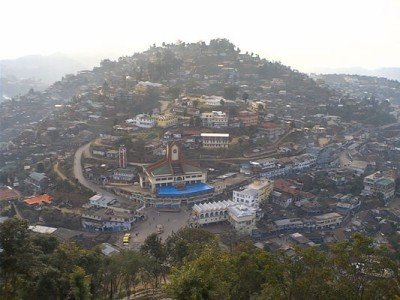 @@Natural Beauty and Recreational Value: Mokokchung Park is a popular public park located strategically on a hilltop, offering a much-needed green retreat and recreational space for the town's residents and visitors. Known for its scenic beauty and peaceful ambiance, the park is considered an ideal spot for relaxation, leisurely walks, and family picnics. The location provides breathtaking panoramic views of the entire Mokokchung town nestled within the surrounding forested hills, making it a key vantage point for photography and sightseeing. The park features beautifully landscaped gardens that are particularly vibrant during the spring and pre-winter months when local flora, including various species of orchids and rhododendrons, are in full bloom, adding a splash of color to the already verdant landscape. It often includes well-maintained walking paths that allow visitors to enjoy the fresh mountain air and the serene atmosphere. The park's amenities typically cater to recreational activities, sometimes featuring a soccer ground or open spaces for community gatherings and sports. It acts as a community focal point, often hosting small cultural events or serving as a meeting spot. Being situated slightly above the town center, it provides a quiet escape from the urban hustle while remaining easily accessible. Its status as a beloved spot is due to this perfect balance of accessibility and natural tranquility. The park is a simple yet vital part of the town's social life, providing a safe and picturesque environment for all age groups to gather, play, and unwind. It embodies the essence of the "Land of Pioneers" by offering a space for reflection amidst natural splendor, reinforcing the region's commitment to preserving its natural beauty alongside development. 400 words:
Information
-
Why Famous:
Ao Naga Culture: It is the ultimate destination to experience the authentic lifestyle, language, and traditions of the Ao tribe in a vibrant, living setting.
Moatsu Festival: The town and surrounding villages come alive in May during the Moa...Ao Naga Culture: It is the ultimate destination to experience the authentic lifestyle, language, and traditions of the Ao tribe in a vibrant, living setting.
Moatsu Festival: The town and surrounding villages come alive in May during the Moatsu festival, a time of community bonding, feasting, and traditional dancing.
Longkhum’s Mystique: The village of Longkhum is famous for the local belief that visitors leave their souls behind, requiring a second visit to retrieve them.
Historical Significance: As a center of early missionary work and education, it holds a special place in the modern history and development of the Naga people. -
Architecture:
Ao Tribal Architecture: Traditional Ao houses are built on stilts with bamboo walls and thatched roofs, often featuring a distinctive "horn" on the roof ridge for elites.
The Log Drums: Every major village features a massive log drum carved ...Ao Tribal Architecture: Traditional Ao houses are built on stilts with bamboo walls and thatched roofs, often featuring a distinctive "horn" on the roof ridge for elites.
The Log Drums: Every major village features a massive log drum carved from a single tree trunk, housed in a specially designed architectural structure that serves as a communal heart.
Baptist Church Design: The Mokokchung Baptist Mother Church is a significant architectural landmark, showcasing modern religious design that can accommodate thousands of worshippers.
Mopungchuket Parks: This village features beautifully landscaped parks and wooden sculptures that blend natural beauty with artistic Naga craftsmanship and architectural flair. -
How To Reach:
By Air: The nearest airport is Jorhat in Assam, about 105 KM away, which is connected to Guwahati and Kolkata by regular flights.
By Train: Mariani Railway Station in Assam is the closest major railhead, located about 85 KM from Mokokchung t...By Air: The nearest airport is Jorhat in Assam, about 105 KM away, which is connected to Guwahati and Kolkata by regular flights.
By Train: Mariani Railway Station in Assam is the closest major railhead, located about 85 KM from Mokokchung town via a scenic road.
By Road: It is well-connected by road to Kohima (145 KM) and Dimapur; shared taxis and private cars are the most convenient way to travel these routes.
By Local Transport: Within the town, shared taxis are widely available, and most major villages are easily accessible by short drives in local "sumos. " -
Weather and Best Time to Visit:
Autumn and Winter: October to February is the peak season, offering the best weather for sightseeing, trekking, and enjoying the clear mountain views.
Spring Season: March to May is also a great time, especially in May for the Moatsu festiva...Autumn and Winter: October to February is the peak season, offering the best weather for sightseeing, trekking, and enjoying the clear mountain views.
Spring Season: March to May is also a great time, especially in May for the Moatsu festival when the cultural vibrancy is at its highest point.
Summer and Monsoon: June to September can be very rainy, which makes the landscape lush but can lead to travel delays due to occasional landslides on hill roads. -
Near Tourist Places:
1. Ungma Village (10 KM), 2. Longkhum (20 KM), 3. Mopungchuket (15 KM), 4. Chuchuyimlang (30 KM), 5. Langpangkong (35 KM), 6. Jorhat (105 KM), 7. Tuensang (115 KM), 8. Wokha (70 KM), 9. Kohima (145 KM), 10. Amguri (65 KM).
Tourism Tips
-
Health and Safety: The town has good medical facilities compared to other districts; however, always carry your basic personal medications during your travels.
Packing Essentials: Comfortable walking shoes are vital for village tours; ligh...Health and Safety: The town has good medical facilities compared to other districts; however, always carry your basic personal medications during your travels.
Packing Essentials: Comfortable walking shoes are vital for village tours; light woolens for summer nights and heavy clothing for winter visits are recommended.
Cultural Respect: When visiting villages like Longkhum or Ungma, it is polite to greet the residents and follow any specific village rules regarding photography.
Travel Planning: Since Mokokchung is a popular hub, it is advisable to book your accommodation in advance, especially during the festival months of May and August.
Reviews
FAQs
Mokokchung Itineray And Cost:-
Other Places In Nagaland :-
Other States In India :-
Information about New and Updated Locations() of Nagaland Has Been Added :-
Card subtitle
Note:-
Information provided here in good Faith and for reference only.
Near Places

Dimapur
Some quick example text to build on the card title and make up the bulk of the card's content.
Go somewhere
Dzulekie
Some quick example text to build on the card title and make up the bulk of the card's content.
Go somewhere
Khonoma
Some quick example text to build on the card title and make up the bulk of the card's content.
Go somewhere
Kigwema
Some quick example text to build on the card title and make up the bulk of the card's content.
Go somewhere
Kiphire
Some quick example text to build on the card title and make up the bulk of the card's content.
Go somewhere
Kohima
Some quick example text to build on the card title and make up the bulk of the card's content.
Go somewhere
Longleng
Some quick example text to build on the card title and make up the bulk of the card's content.
Go somewhere
Meluri
Some quick example text to build on the card title and make up the bulk of the card's content.
Go somewhere
Mokokchung
Some quick example text to build on the card title and make up the bulk of the card's content.
Go somewhere
Mon
Some quick example text to build on the card title and make up the bulk of the card's content.
Go somewhere
Mopungchuket
Some quick example text to build on the card title and make up the bulk of the card's content.
Go somewhere
Nagaland Heritage Village
Some quick example text to build on the card title and make up the bulk of the card's content.
Go somewhere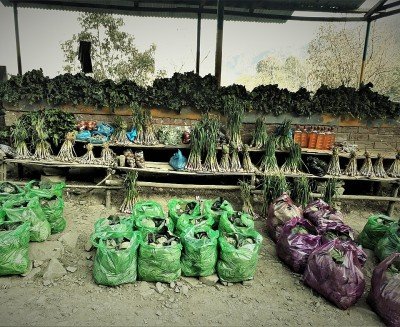
Niuland
Some quick example text to build on the card title and make up the bulk of the card's content.
Go somewhere
Noklak
Some quick example text to build on the card title and make up the bulk of the card's content.
Go somewhere
Peren
Some quick example text to build on the card title and make up the bulk of the card's content.
Go somewhere
Zunheboto
Some quick example text to build on the card title and make up the bulk of the card's content.
Go somewherein Other Cities