...

Place To Visit And Things To Do In Kiphire

Nagaland, India
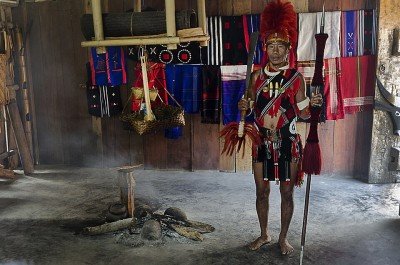
Eastern Frontier: Kiphire is a remote and beautiful district in the eastern part of Nagaland. It shares an international border with Myanmar and is home to several tribes. The town is surrounded by some of the highest mountains in the state. It is a destination for the truly adventurous traveler. Mo unt Saramati: The district is dominated by the presence of Mount Saramati, the highest peak in Nagaland. The mountain is often snow-clad during the winter months. It is a sacred and majestic landmark for the local people. Climbing the peak is a dream for many trekkers. Tribal Diversity: The area is inhabited by the Sangtam, Yimkhiung, and Sumi tribes. Each tribe has its own unique traditions, languages, and colorful festivals. This cultural diversity makes Kiphire a fascinating place to explore. You can witness traditional life that has remained unchanged for centuries. Natural Wonders: Apart from mountains, the district has beautiful caves, waterfalls, and wildlife sanctuaries. The landscape is rugged and dramatic with deep gorges and lush forests. It is an untouched paradise for nature lovers. The air is pure and the surroundings are incredibly peaceful.

Things To Do

Card image cap
Akhegwo Village

Akhegwo Village is a serene and culturally rich settlement located in the heart of the Kiphire district. This village serves as a vital cultural hub ...

Akhegwo Village is a serene and culturally rich settlement located in the heart of the Kiphire district. This village serves as a vital cultural hub for the Sangtam and Yimkhiung tribes. The village is known for its traditional lifestyle that remains largely untouched by modern urbanization. Visitors can witness the daily routines of the locals which revolve around terraced farming and community weaving. The natural surroundings consist of rolling hills and dense evergreen forests. It offers a peaceful atmosphere for those looking to escape the hustle of city life. The village residents are known for their warm hospitality and deep-rooted traditions. Every corner of the village tells a story of the Naga warriors and their ancestral heritage. It is a place where oral history is still passed down through folk songs. The village serves as a base for many local treks in the region. Tourists can explore the traditional granaries and community halls. The landscape is dotted with colorful flowers during the spring season. It provides a unique glimpse into the sustainable living practices of the Naga people. Exploring Akhegwo Village is like stepping back in time to a simpler era.
Card image cap
Amahator Town

Amahator Town is a picturesque urban settlement that serves as a secondary administrative hub in the Kiphire district. It is situated on a high plate...

Amahator Town is a picturesque urban settlement that serves as a secondary administrative hub in the Kiphire district. It is situated on a high plateau, providing a naturally cooler climate compared to the lower valleys. The town is predominantly inhabited by the Sangtam Naga tribe, who are known for their vibrant festivals. Amahator is famous for its clean surroundings and well-organized streets. The town acts as a bridge between the traditional rural life and the developing urban infrastructure of the region. Visitors can enjoy the local markets which are filled with fresh organic produce from the surrounding hills. The town offers spectacular views of the Zungki River winding through the mountains below. It is an excellent place for travelers to stop and rest while journeying towards the higher peaks. The local church in the center of the town is a prominent landmark and a place of social gathering. Amahator has a rich history related to the early settlement of tribes in the district. The residents are deeply religious and maintain a strong sense of community. The town is also a center for education for the nearby smaller villages. During the winter, the town is often shrouded in a mystical mist. It is a perfect destination for those looking for a blend of comfort and natural beauty.
Card image cap
Caves of Mimi

The Caves of Mimi are a spectacular natural wonder located in the remote Mimi Village. These are ancient limestone caves that have been formed over t...

The Caves of Mimi are a spectacular natural wonder located in the remote Mimi Village. These are ancient limestone caves that have been formed over thousands of years through water erosion. The caves are famous for being home to thousands of bats, creating a unique ecosystem within. The cave complex consists of four distinct chambers, each with its own unique rock formations. Some of the caves are quite high, reaching altitudes of 300 to 400 feet above the valley floor. The journey to the caves involves a scenic trek through dense subtropical forests. The local Yimkhiung tribe considers these caves to be mystical and full of ancestral spirits. Inside the caves, one can see impressive stalactites and stalagmites that glitter under torchlight. The air inside is cool and carries the earthy scent of minerals and ancient stone. These caves were used as shelters by hunters and warriors in the past. Today, they serve as a major attraction for adventure enthusiasts and geologists. The caves are still being explored, and many chambers remain undocumented. The surrounding Mimi village provides a glimpse into the life of the border tribes. The area is rich in biodiversity, with rare orchids growing near the cave entrances. It is a place of absolute silence, broken only by the fluttering of bat wings.
Card image cap
Caves of Salomi

The Caves of Salomi are widely considered one of the most intriguing natural wonders in Nagaland. Unlike many other caves, these are famous for their...
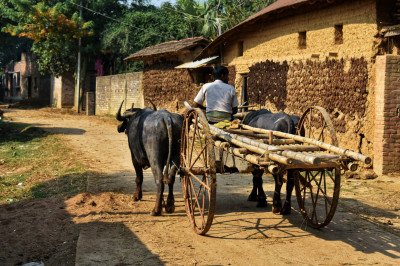
The Caves of Salomi are widely considered one of the most intriguing natural wonders in Nagaland. Unlike many other caves, these are famous for their multiple entry and exit points, creating a natural ventilation system. The caves are deeply connected to the local folklore of the Salomi Village. One of the most fascinating features is a natural hole in the cave floor, about 4 feet in diameter, which acts as a drainage system. Villagers believe that anything dropped into this hole eventually finds its way to the Likimro River several days later. This phenomenon highlights the complex underground water system of the region. The caves are set amidst a lush green landscape that is rich in limestone deposits. The architecture of the cave is entirely natural, yet it looks as if it were designed by a master builder. The interior is spacious and can accommodate large groups of people. It has historically served as a place of refuge during times of conflict. The path to the caves is surrounded by traditional Naga farms and orchards. Visitors often remark on the cool, refreshing breeze that flows through the cave passages. The caves are a testament to the raw power and beauty of geological processes. The nearby village offers a chance to see traditional Naga life up close. It is an essential stop for anyone visiting the Kiphire district.
Card image cap
Chomi Village

Chomi Village is an ancient and culturally significant settlement located in the rugged terrains of Kiphire. It is primarily inhabited by the Yimkhiu...
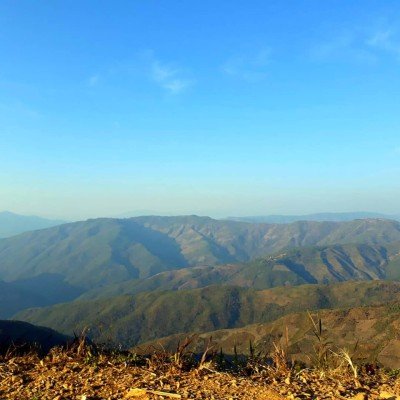
Chomi Village is an ancient and culturally significant settlement located in the rugged terrains of Kiphire. It is primarily inhabited by the Yimkhiung Naga tribe, who are famous for their warrior history and colorful attire. The village is perched on a ridge, offering views of both the Indian and Myanmar mountain ranges. Chomi is known for its well-preserved traditional customs and folk traditions. The village structure follows the ancient Naga pattern with houses built close together for community security. Visitors can observe the traditional method of salt making and weaving which are still practiced here. The village is surrounded by vast stretches of jhum cultivation fields that change color with the seasons. It is a place where community bonding is extremely strong, and every festival is a village-wide event. Chomi serves as an important cultural repository for the district, housing many old artifacts in its community Morungs. The local people are expert craftsmen, known for making durable bamboo products and intricate bead jewelry. The village atmosphere is one of profound peace and rhythmic traditional life. It is often used as a starting point for deeper expeditions into the border forests. For a traveler, Chomi offers an authentic experience of the "unfiltered" Nagaland. The hospitality of the village chief and the locals makes every visitor feel at home.
Card image cap
Fakim Wildlife Sanctuary

The Fakim Wildlife Sanctuary is a magnificent protected area situated in the Kiphire district of Nagaland, very close to the India-Myanmar border. Es...

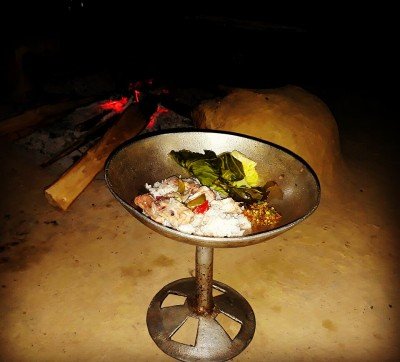
The Fakim Wildlife Sanctuary is a magnificent protected area situated in the Kiphire district of Nagaland, very close to the India-Myanmar border. Established in the year 1983, it covers an area of about 642 hectares and is part of the Indo-Burma biodiversity hotspot. The sanctuary is renowned for its incredibly rugged terrain, featuring high ridges, deep gorges, and narrow valleys that range in altitude from 1700m to 3000m. The vegetation is a lush mix of tropical to sub-alpine forests, housing rare flora like Bonsum, Bogipoma, and various species of orchids and ferns. It serves as a vital habitat for the Blyth's Tragopan, which is the state bird of Nagaland, along with other fauna like Hoolock Gibbons, Clouded Leopards, and Himalayan Black Bears. The sanctuary receives heavy rainfall, keeping the environment perpetually green and misty, providing a true wilderness experience. Local communities, especially from Fakim Village, are deeply involved in conservation, making it a model for community-based wildlife protection. For nature lovers and researchers, this sanctuary offers an unparalleled opportunity to study rare species in their natural habitat. The trek to the sanctuary itself is an adventure, passing through virgin forests and traditional Naga settlements.
Card image cap
Kemephu

Kemephu is a site of immense historical and spiritual significance, regarded as the legendary parental village where the Yimkhiung (formerly Yimchung...

Kemephu is a site of immense historical and spiritual significance, regarded as the legendary parental village where the Yimkhiung (formerly Yimchunger) Naga tribe first settled in large numbers. According to oral tradition, this village once housed 999 households, a testament to its ancient size and influence. The name Kemephu is associated with the misty and dewy conditions of the area; legends say the inhabitants were often covered in dew upon returning from the jungle. Historically, the Yimkhiung people migrated from Southeast Asia through Myanmar, eventually finding this "place of choice." The site serves as a bridge between the tribe's nomadic past and their settled present, holding the collective memory of their ancestors like Shihtomung. Today, it is a place of pilgrimage for those seeking to connect with Naga roots and understand the migration patterns of the Tibeto-Burman tribes. The area is surrounded by lush hills and the Zungki River, providing a serene backdrop to the ancient stone markers and site ruins. Visitors can feel a deep sense of history and mystery while walking through the grounds that once echoed with the sounds of a massive, thriving community. It is a vital spot for cultural researchers and those interested in the ethnographic history of Northeast India.
Card image cap
Khongsa Village

Khongsa Village is a picturesque and strategically located settlement in the Kiphire district, serving as a hub for the Yimkhiung and Sangtam communi...
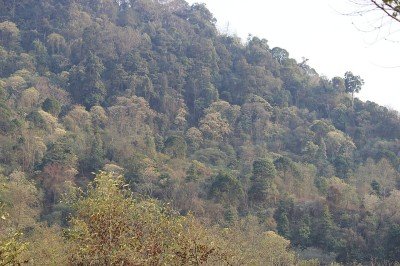
Khongsa Village is a picturesque and strategically located settlement in the Kiphire district, serving as a hub for the Yimkhiung and Sangtam communities. Perched on a high ridge, it offers some of the most stunning panoramic views of the Eastern Himalayas and the mountains bordering Myanmar. The village is known for its traditional Naga lifestyle, where the rhythms of agriculture and community festivals still dictate daily life. It is an ideal destination for travelers looking to experience the "real" Nagaland, away from any commercial tourist tracks. The houses are often built in the traditional style with sloping roofs, and the village layout follows the natural contours of the hill. Khongsa is also a significant point for those heading towards the higher reaches of the Saramati range, providing a base for various trekking expeditions. The hospitality of the villagers is legendary; guests are often welcomed into homes to share local tea and stories of warrior ancestors. The area surrounding the village is rich in medicinal plants and unique Himalayan flora. Visiting Khongsa allows one to witness the intricate tribal social structures and the communal land management systems that have sustained these people for centuries. It is a place where time seems to slow down, and the majesty of nature takes center stage.
Card image cap
Kiphire Baptist Church

The Kiphire Baptist Church stands as a prominent landmark and the central religious institution in the district headquarters. Christianity plays a pi...
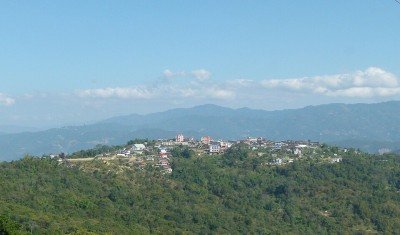
The Kiphire Baptist Church stands as a prominent landmark and the central religious institution in the district headquarters. Christianity plays a pivotal role in the lives of the people of Kiphire, and this church serves as a gathering point for the Sangtam, Yimkhiung, and Sumi tribes who reside in the town. The church is not just a place of worship but a center for social cohesion, education, and community development. Its architecture is modern yet reflects the local aesthetic, often featuring large halls to accommodate the massive Sunday congregations. The history of the church is tied to the missionary efforts in the early 20th century that transformed the socio-cultural landscape of the region. On Sundays, the town of Kiphire transforms as people in their finest traditional and modern attire flock to the church, creating a vibrant atmosphere of faith and fellowship. The choir performances here are particularly famous, featuring four-part harmonies that resonate through the surrounding hills. For a visitor, the church offers a window into the modern Naga identity—one that balances deep-rooted tribal traditions with a strong Christian faith. The peaceful interior provides a quiet space for reflection amidst the busy life of the district capital. The church also leads various youth programs and social initiatives, making it a cornerstone of the local community's progress and unity.
Card image cap
Kiphire Circuit House View

@@Serene Heights of Kiphire: The Kiphire Circuit House View is a premier vantage point located at the highest residential elevation of the town. This ...
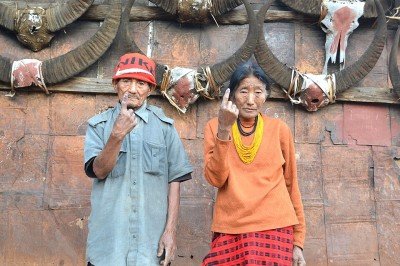
@@Serene Heights of Kiphire: The Kiphire Circuit House View is a premier vantage point located at the highest residential elevation of the town. This spot offers a sweeping 360-degree panorama of the rugged Saramati mountain range and the rolling green valleys of the Sangtam Naga heartland. It serves as the primary accommodation for visiting dignitaries and government officials, ensuring the grounds are exceptionally well-maintained. The atmosphere here is one of profound peace, where the only sounds are the whistling mountain winds and distant bird calls. Visitors often find themselves lost in the visual majesty of the clouds drifting below the ridge level. The facility is surrounded by lush gardens that bloom with seasonal Himalayan flowers, adding a touch of color to the misty landscape. It is widely considered the best place in the district to witness the shifting moods of the sky, from the fiery oranges of dawn to the deep purples of twilight. Many travelers use this as their first stop to orient themselves with the geography of the district before embarking on treks. The viewpoint provides a unique perspective on the town's urban layout, showing how the bamboo and concrete houses cling to the steep ridges. It is a place where nature and administrative history meet in a quiet, respectful embrace.
Card image cap
Kiphire District Museum

@@Ancestral Echoes: The Kiphire District Museum, managed by the Department of Art and Culture, is the definitive repository of the region's tribal her...
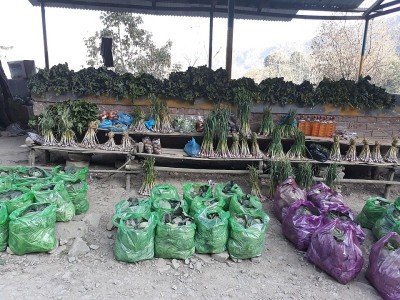
@@Ancestral Echoes: The Kiphire District Museum, managed by the Department of Art and Culture, is the definitive repository of the region's tribal heritage. It serves as a bridge between the ancient traditions of the Sangtam, Yimchungrü, and Sümi tribes and the modern generation. The museum houses a fascinating collection of traditional attire, including the distinctive red and black shawls that signify different social statuses. Visitors can see ancient weaponry such as spears decorated with goat hair, Dao knives, and ceremonial shields made of buffalo hide. One of the most impressive sections is dedicated to the Mongmong Festival, displaying the ritualistic items used during the harvest celebrations. The museum also features a collection of musical instruments, notably the bamboo flutes and log drum replicas that once played a central role in village communication. Detailed dioramas illustrate the traditional architecture of Naga huts, showing how they were constructed without a single metal nail. For history buffs, there are photographs of the early colonial expeditions into these hills and the subsequent administrative changes. The museum is not just a building; it is a quiet sanctuary where the soul of the frontier tribes is preserved. It provides context to the lifestyle seen in the surrounding villages, making it an essential first stop for any cultural tourist.
Card image cap
Kiphire Government College

@@The Pinnacle of Learning: Known officially as Zisaji Presidency College, this institution is the premier seat of higher education in the district. E...
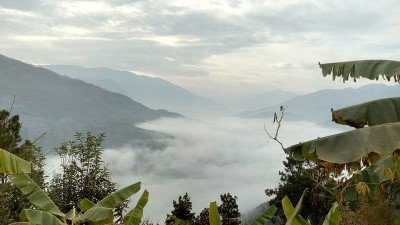
@@The Pinnacle of Learning: Known officially as Zisaji Presidency College, this institution is the premier seat of higher education in the district. Established in 1997, it sits on a sprawling campus in Alikhong, overlooking the lush valleys that stretch toward the Myanmar border. The college serves as a melting pot for students from various remote villages, creating a vibrant atmosphere of youthful energy and intellectual pursuit. Walking through the campus, one can see the dedication of the local community to education, as many of the facilities were built through collective effort. The college offers a unique perspective on the modernizing face of Nagaland, where traditional values meet academic rigor. The library is a quiet haven for students, housing a significant collection of books on regional history and literature. The campus is also a site of social change, as it empowers young men and women from the border districts to compete on a national level. For a visitor, the college provides an opportunity to interact with the local youth and understand their aspirations. The surrounding hills provide a serene backdrop, making the campus feel like a tranquil mountain retreat rather than just an educational building. It is a place of hope and progress, standing as a testament to the resilience of the people in one of India's most remote corners.
Card image cap
Kiphire Town Viewpoint

@@The Rooftop of Nagaland: The Kiphire Town Viewpoint is an iconic spot situated along the road leading toward the Saramati base camp. It offers a dra...
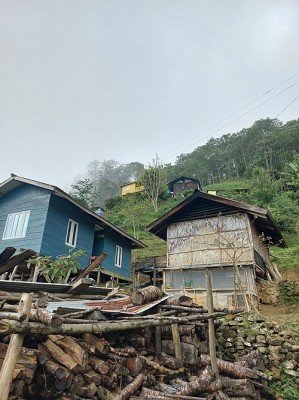
@@The Rooftop of Nagaland: The Kiphire Town Viewpoint is an iconic spot situated along the road leading toward the Saramati base camp. It offers a dramatic perspective of the town as it sprawls across the mountain ridges, resembling a scattered arrangement of blocks amidst the vast green wilderness. From this elevation, one can clearly see the winding Likhimro river glinting in the distance like a silver thread. The viewpoint is a popular gathering place for locals in the evenings, who come to enjoy the cool breeze and the changing colors of the sky. It provides a sense of the sheer scale of the Nagaland highlands, where the horizon is a jagged line of blue mountains. Looking toward the east, on a clear day, the snow-capped peak of Saramati stands guard over the district. The area around the viewpoint is dotted with pine trees, the scent of which fills the air, creating a truly alpine experience. For those planning to trek the higher peaks, this spot serves as a perfect acclimatization point. It is also a place of reflection, where one can contemplate the isolation and beauty of life in the frontier. The town below looks peaceful, its smoke rising slowly from kitchen fires, contrasting with the wild, untamed nature of the surrounding forests. This is where the road ends and the true adventure of the eastern mountains begins.
Card image cap
Kisatong Village

Kisatong Village is a significant cultural hub located near the district headquarters of Kiphire. It is primarily inhabited by the Sangtam Naga tribe...
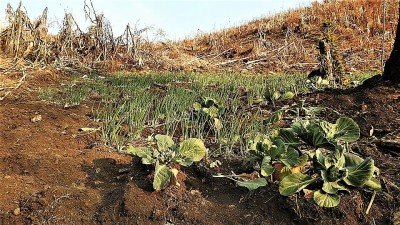
Kisatong Village is a significant cultural hub located near the district headquarters of Kiphire. It is primarily inhabited by the Sangtam Naga tribe and serves as a living museum of their ancient traditions and lifestyle. The village is perched on a ridge, offering panoramic views of the surrounding mountains and the Zungki River valley. Visitors can witness the traditional methods of farming and weaving that have been passed down through generations. The village is known for its hospitality and the preservation of its ancestral heritage, making it a must-visit for those interested in anthropology and cultural tourism. The social structure of the village is tightly knit, with community elders playing a crucial role in maintaining order and tradition. Recent efforts by the local government have introduced eco-tourism initiatives, encouraging homestays where visitors can experience authentic Naga life. The village also acts as a gateway to several trekking trails that lead into the deeper wilderness of the Kiphire hills. The atmosphere is serene, away from the hustle of urban life, providing a peaceful retreat for nature lovers. The lush greenery and the rhythmic sound of traditional activities create a unique ambiance. It is a place where history meets the present, and every stone and path has a story to tell about the resilience and spirit of the Naga people.
Card image cap
Kiusam Range

Kiusam Range is one of the most breathtaking elevated regions in the Kiphire district, offering an unparalleled vantage point of the Indo-Myanmar bor...
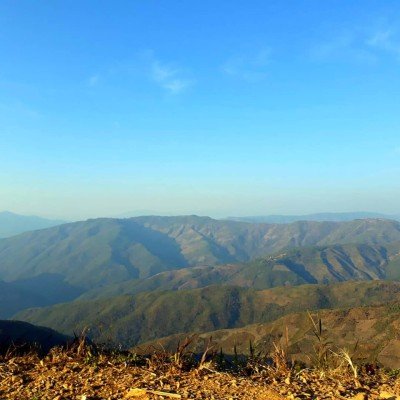
Kiusam Range is one of the most breathtaking elevated regions in the Kiphire district, offering an unparalleled vantage point of the Indo-Myanmar border. The range is characterized by its rugged peaks, deep valleys, and a climate that remains cool throughout the year. The viewpoint at Kiusam is specifically famous for its clear views of Mount Saramati, the highest peak in Nagaland. The area is inhabited by the Yimkhiung Naga community, known for their warrior history and rich cultural lore. Exploring Kiusam feels like stepping back in time, as the region remains largely untouched by commercial tourism. The biodiversity here is immense, with rhododendrons blooming in the spring and rare orchids found in the crevices of the cliffs. The viewpoint serves as a strategic location for observing the trans-boundary movements of clouds and birds. It is a place of quiet contemplation, where the only sound is the wind whistling through the pines. For adventure seekers, the range offers numerous unexplored trails that lead to hidden waterfalls and tribal outposts. The local community is deeply connected to the land, and their stories are intertwined with the peaks and rivers of the Kiusam Range.
Card image cap
Likimro Hydroelectric Project

The Likimro Hydroelectric Project is a significant infrastructure site located on the Likimro River in the Kiphire district. Commissioned to harness ...
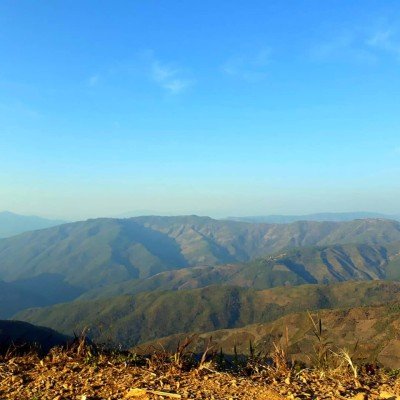
The Likimro Hydroelectric Project is a significant infrastructure site located on the Likimro River in the Kiphire district. Commissioned to harness the power of the fast-flowing river, it is one of the major power sources for the state of Nagaland. The project site is nestled in a deep gorge, surrounded by towering cliffs and dense tropical forests. Visiting the project provides an interesting contrast between modern engineering and the raw power of nature. The reservoir created by the dam offers a serene water body that attracts various migratory birds. The area around the project is also rich in biodiversity, with the river banks being home to numerous species of ferns and mosses. For visitors, the site offers an educational experience regarding renewable energy production in mountainous regions. The approach road to the project is incredibly scenic, winding through tribal villages and offering glimpses of the river far below. Security is maintained at the site, but visitors can obtain permission to view the dam structure and the powerhouse. It is a testament to the development efforts in this remote corner of India, providing electricity to villages that were once in darkness. The roar of the water rushing through the spillways is a powerful reminder of the force contained within the Likimro River.
Card image cap
Likimro River

The Likimro River system in the Kiphire district is not just a source of power but also a landscape of incredible natural beauty, featuring hidden wa...

The Likimro River system in the Kiphire district is not just a source of power but also a landscape of incredible natural beauty, featuring hidden waterfalls and limestone caves. Specifically, the area near Salomi village is famous for its extensive cave networks that are believed to be some of the longest in the region. These caves are natural formations, carved over millennia by the action of water on limestone. One of the unique features of the Salomi caves is a specific hole that connects the cave interior directly to the Likimro River. The waterfalls in this region, such as the Wawade waterfall, are spectacular, especially after the rains, with drops exceeding 200 feet. The caves are home to large colonies of bats and various unique insects. Exploring these sites requires a bit of physical effort as the trails can be slippery and steep. The local tribes consider many of these caves to be sacred or inhabited by spirits, adding a layer of mystery to the exploration. The surrounding forest is dense and rich in wildlife, providing a true jungle experience. For those who love spelunking and adventure, this is one of the most exciting locations in Nagaland. The combination of the roaring river, the thundering waterfalls, and the silent, dark caves creates a sensory experience that is both thrilling and humbling.
Card image cap
Longmatra Town

Longmatra is a charming town and administrative subdivision located strategically between Kiphire and the border regions. It serves as a vital link f...
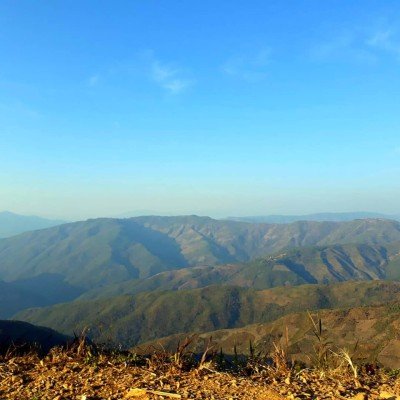
Longmatra is a charming town and administrative subdivision located strategically between Kiphire and the border regions. It serves as a vital link for travelers heading towards the more remote areas of the district. The town is situated on a gentle slope and is known for its peaceful atmosphere and clean surroundings. It offers a more relaxed pace of life compared to the district headquarters. Longmatra is predominantly inhabited by the Sangtam and Yimkhiung tribes, making it a place of cultural convergence. The town is surrounded by terraced rice fields and orange orchards, which look particularly beautiful during the harvest season. For many tourists, Longmatra is a perfect base for exploring the nearby Zungki River and the surrounding hills. The local market in Longmatra is a great place to find organic produce, traditional Naga beans (Kholar), and unique forest products. The town also has a few guest houses that offer basic but comfortable accommodation. Its proximity to the main road makes it easily accessible while still feeling like a remote getaway. The community in Longmatra is active in local governance and takes pride in their town's cleanliness and hospitality. It is an ideal spot for those who want to experience Naga town life without the congestion of larger urban centers.
Card image cap
Mimi River

The Mimi River is a breathtaking natural wonder situated in the remote southeastern part of Kiphire. This river is renowned for its crystal-clear tur...

The Mimi River is a breathtaking natural wonder situated in the remote southeastern part of Kiphire. This river is renowned for its crystal-clear turquoise waters and the dramatic limestone cliffs that flank its banks. As a scenic spot, it offers an unparalleled sense of tranquility, far removed from the modern world's noise. The river flows through a region rich in biodiversity, where rare orchids and dense tropical foliage create a lush emerald canopy. Historically, the river has been a lifeline for the Yimkhiung Naga community, who have inhabited this rugged terrain for centuries. The area surrounding the river is also famous for its extensive cave systems, which are inhabited by thousands of bats, adding a touch of mystery to the landscape. Visitors are often captivated by the way the sunlight filters through the deep gorges, reflecting off the water's surface to create a shimmering dance of light. The river's path is punctuated by small, secluded beaches and natural pools that are perfect for quiet reflection or a refreshing dip. For those interested in geology, the limestone formations along the Mimi River tell a story of millions of years of natural erosion and tectonic shifts. The cultural significance of the river is also profound, as many local legends and folk songs are centered around its perennial flow and the life it sustains. Exploring the Mimi River is not just a sightseeing trip; it is an immersion into one of the last remaining untouched wilderness areas of Nagaland. The sheer scale of the surrounding hills and the depth of the river valleys make it a favorite for landscape photographers and nature enthusiasts alike. The river eventually winds its way towards the international border, symbolizing the seamless connection between nature and the ancient tribal lands of the Kiphire district.
Card image cap
Old Kiphire Village

Old Kiphire Village is the historical heart of the district and serves as the ancestral home of the Sangtam Nagas. Unlike the modern township, this v...

Old Kiphire Village is the historical heart of the district and serves as the ancestral home of the Sangtam Nagas. Unlike the modern township, this village retains much of its traditional charm and provides a window into the ancient Naga way of life. The village is strategically located on a high ridge, offering panoramic views of the surrounding mountains and the Zungki River valley below. Historically, it was a fortified village designed to protect the inhabitants from inter-tribal conflicts. Today, it is a peaceful settlement where the community continues to practice age-old traditions alongside modern Christian influences. Walking through the narrow lanes of the village, one can see the evolution of Naga housing, from traditional thatched roofs to more modern structures. The villagers are known for their warm hospitality and their deep-rooted connection to the land. The village is also a center for traditional crafts, particularly weaving and wood carving. The social structure remains strong, with the village council playing a vital role in governance and the preservation of cultural heritage. For visitors, Old Kiphire Village offers a chance to experience the authentic daily rhythms of a Naga village, from the early morning chores to the evening community gatherings. The air here is thin and crisp, and the sunsets are particularly spectacular as they cast a golden glow over the terraced fields that surround the settlement. It is a place where history is not found in museums but is lived every day by the people who call it home. The village serves as a vital cultural link, ensuring that the stories, songs, and customs of the Sangtam people are passed down to future generations. Exploring this village is essential for anyone wishing to understand the soul of the Kiphire district.
Card image cap
Pungro Town

Pungro Town is a vibrant and essential hub within the Kiphire district, serving as the primary jumping-off point for adventurers heading towards Moun...

Pungro Town is a vibrant and essential hub within the Kiphire district, serving as the primary jumping-off point for adventurers heading towards Mount Saramati, the highest peak in Nagaland. Perched at a significant altitude, the town is often shrouded in clouds, giving it a mystical and serene atmosphere. It is the administrative headquarters of the Pungro circle and is predominantly inhabited by the Yimkhiung and Sangtam tribes. The town itself is a fascinating blend of traditional tribal life and emerging modernization. Its market is a bustling center where one can find local produce, traditional Naga spices, and hand-woven textiles. Pungro is famous for its strategic importance and its proximity to the international border with Myanmar. The surrounding landscape is a dramatic mix of steep ridges, deep valleys, and dense forests that are part of the Fakim Wildlife Sanctuary's buffer zone. For many travelers, Pungro is where the real adventure begins, as it offers the last bit of urban comfort before heading into the rugged wilderness. The town's residents are known for their resilience and hospitality, often welcoming trekkers and researchers with open arms. Culturally, Pungro is a melting pot where tribal festivals are celebrated with great fervor, showcasing the vibrant songs and dances of the eastern Naga tribes. The town also plays a crucial role in the local economy, acting as a trade center for the various surrounding villages. Visiting Pungro provides a unique opportunity to witness the logistical challenges and triumphs of life in one of India's most remote frontier towns. Whether you are there to prepare for a grueling mountain trek or simply to soak in the mountain air and local culture, Pungro leaves a lasting impression of strength and natural beauty. It is a place that feels like it exists on the very edge of the world, where the mountains dictate the pace of life and the clouds are your constant companions.
Card image cap
Sanchure Village

Sanchure Village is a hidden gem in the Kiphire district, known for its dramatic ridge-top location and its commitment to preserving Sangtam culture....

Sanchure Village is a hidden gem in the Kiphire district, known for its dramatic ridge-top location and its commitment to preserving Sangtam culture. The village offers some of the most spectacular views of the Jingkhu mountain range and the winding Zungki River far below. Life in Sanchure is deeply traditional, centered around agriculture and community bonding. The village is often covered in a blanket of mist, giving it a dreamlike quality that attracts those seeking solitude and a break from the modern world. The houses are neatly arranged along the mountain's spine, and the community is known for its cleanliness and well-maintained public spaces. Historically, Sanchure has been a bastion of Sangtam heritage, where folk stories are still told by the fireplace and traditional songs are sung during the harvest season. The surrounding forests are home to a variety of bird species and rare plants, making it a quiet paradise for nature lovers. Visitors to the village are often struck by the profound silence, interrupted only by the sounds of nature and the rhythmic pounding of grain. The villagers practice jhum cultivation on the surrounding slopes, creating a patchwork of different shades of green that changes with the seasons. Sanchure is also known for its local ginger and chili, which are highly prized in the markets of Kiphire. The village provides an authentic experience of Naga rural life, where the pace is slow and the connection to the earth is tangible. For those willing to travel the winding mountain roads to reach it, Sanchure offers a reward of breathtaking beauty and genuine human connection that is rare in the more accessible parts of the state. It is a place that reminds you of the simple joys of life and the enduring power of community spirit in the face of a rugged and challenging environment.
Card image cap
Sangtam Tribal Area

The Sangtam Tribal Area in Kiphire is a region defined by its rich cultural tapestry and vibrant traditions. As one of the major tribes of Nagaland, ...

The Sangtam Tribal Area in Kiphire is a region defined by its rich cultural tapestry and vibrant traditions. As one of the major tribes of Nagaland, the Sangtams have a history that is deeply intertwined with the rugged terrain of the eastern Himalayas. The area is a collection of villages where ancient customs are still a part of everyday life. The social structure is centered around the clan and the village council, ensuring a high degree of community cohesion. Historically, the Sangtams were known for their bravery and their intricate knowledge of the forest. Today, this translates into a deep respect for nature and a sustainable way of life. The area is famous for its unique festivals, particularly the Mongmong, which celebrates togetherness and the harvest. The cultural identity of the region is expressed through its textiles, which feature bold colors and symbolic patterns, and its oral traditions, which include epic stories of ancestors and nature spirits. The landscape of the Sangtam Tribal Area is one of rolling hills, terraced fields, and dense forests, providing a stunning backdrop to the tribal settlements. Visitors to this area can experience the authentic hospitality of the Sangtam people, who are always eager to share their tea and their stories. The region is also a center for traditional music, where the sounds of the log drum and folk songs resonate through the valleys during times of celebration. Exploring the Sangtam Tribal Area is a journey into a world where the past and the present coexist harmoniously. It is a place where every mountain peak and every river bend has a story to tell. For the traveler, it offers a rare opportunity to witness a culture that has remained resilient and proud in the face of change, offering lessons in community, sustainability, and the enduring power of heritage. The area serves as a vital cultural repository, preserving the unique identity of the Sangtam people for future generations while welcoming those who come with an open heart and a curious mind.
Card image cap
Saramati Peak

@@Natural Grandeur of the Highest Peak: Saramati Peak stands as the highest point in Nagaland with an elevation of 3,841 meters above sea level. This ...

@@Natural Grandeur of the Highest Peak: Saramati Peak stands as the highest point in Nagaland with an elevation of 3,841 meters above sea level. This majestic mountain is part of the Patkai range and serves as a natural border between India and Myanmar. The trek to the summit is a journey through dense, virgin forests filled with ancient trees and vibrant flora. During winter, the peak is draped in a thick blanket of snow, offering a stark contrast to the lush green valleys below. It is a place where one can witness the raw, untouched beauty of nature in its most powerful form. The peak is also significant for its biodiversity, housing many rare species of animals and birds like the Blyth’s Tragopan. For the local tribes, Saramati is not just a mountain but a symbol of pride and strength. The journey starts from Thanamir village, known for its apple orchards, adding a sweet start to a rugged adventure. Reaching the top provides a sense of accomplishment that few other places in Northeast India can match. The atmosphere at the summit is thin and cold, but the spiritual and visual rewards are immense.
Card image cap
Seyochung Town

@@Administrative and Cultural Hub: Seyochung is one of the most prominent towns in the Kiphire district, serving as an important administrative center...


@@Administrative and Cultural Hub: Seyochung is one of the most prominent towns in the Kiphire district, serving as an important administrative center. It is inhabited primarily by the Sangtam and Sumi Naga tribes, making it a melting pot of indigenous traditions. The town is situated on a ridge, offering spectacular views of the surrounding hills and the valleys below. Life in Seyochung revolves around agriculture and community gatherings, reflecting the simple yet rich lifestyle of the Naga people. The town is known for its cleanliness and the hospitality of its residents, who are always eager to share their stories with travelers. It serves as a base for exploring the northern parts of the district, including the Jingkhu mountains. The local markets are a highlight, where one can find organic produce and traditional hand-woven textiles. The town's location at a high altitude ensures a cool and pleasant climate throughout the year. It is a place where modernity meets tradition, as concrete buildings stand alongside traditional wooden structures. For those looking to understand the administrative and social fabric of eastern Nagaland, Seyochung is an essential stop. The town is also a center for education and health services for the nearby villages, making it a bustling hub during the day.
Card image cap
Sukhayap

@@A Breathtaking Natural Lookout: Sukhayap, popularly known as Lover's Paradise, is one of the most romantic and thrilling spots in the Kiphire distri...

@@A Breathtaking Natural Lookout: Sukhayap, popularly known as Lover's Paradise, is one of the most romantic and thrilling spots in the Kiphire district. It is a massive, steep cliff that towers over the surrounding lowlands, offering a bird's eye view of the landscape. The name "Lover's Paradise" comes from the local folklore and the sheer beauty of the place which makes it a favorite for couples and nature enthusiasts. Reaching the top of the cliff is an adventure in itself, as it involves climbing a sturdy wooden or iron ladder attached to the rock face. Once at the summit, the world seems to open up, with the winding rivers and distant mountains of Myanmar visible on a clear day. The air here is incredibly fresh, and the silence is only broken by the whistling wind. The cliff is surrounded by dense forests that are home to a variety of wild birds and rare plants. It is a place of quiet reflection and immense natural power. The trek from Mimi village to the base of the cliff takes you through beautiful terraced fields and thickets of bamboo. Sukhayap is not just a viewpoint; it is a symbol of the rugged and beautiful terrain that defines eastern Nagaland. For those seeking an offbeat destination away from the usual tourist trails, this cliff offers a perfect blend of thrill and tranquility.
Card image cap
Thanamir Village

@@Introduction to Thanamir: Thanamir Village is a breathtaking frontier settlement located at the foothills of Mount Saramati in the Kiphire district....

@@Introduction to Thanamir: Thanamir Village is a breathtaking frontier settlement located at the foothills of Mount Saramati in the Kiphire district. It is widely celebrated as the Apple Village because of its thriving organic apple orchards, which were first established in the 1970s from a few gifted saplings. The village is inhabited by the Yimkhiung tribe, who are known for their deep-rooted traditions and warm hospitality toward visitors. Life here is simple and deeply connected to the land, offering a glimpse into the sustainable tribal lifestyle of Eastern Nagaland. Being a border village, it holds significant strategic and cultural importance, serving as the primary base camp for adventurers aiming to summit the highest peak in the state. The lush landscape is dotted with apple trees, rhododendrons, and diverse flora that create a serene atmosphere for nature lovers. Residents here speak the unique Chirr dialect, and the community-led conservation efforts have preserved the surrounding forests for generations. Visitors can explore the vast orchards, learn about local grafting techniques, and enjoy the pristine mountain air that defines this high-altitude haven.
Card image cap
Waphur Village

@@Historical Significance of Waphur: Waphur Village holds a sacred place in the history of the Yimkhiung tribe, as it is located near Kemephu, the leg...

@@Historical Significance of Waphur: Waphur Village holds a sacred place in the history of the Yimkhiung tribe, as it is located near Kemephu, the legendary site where the tribe is said to have originated. The village is a repository of ancient stories and myths that have been passed down through generations, making it a vital cultural landmark in the Kiphire district. Surrounded by rolling hills and dense greenery, the village provides a peaceful retreat for those looking to understand the roots of Naga tribal identity. The inhabitants maintain a lifestyle that revolves around agriculture and community bonding, with traditional rituals still playing a major part in daily life. Visitors to Waphur can explore the nearby historical sites associated with tribal migration and origin, which are marked by ancient stones and natural landmarks. The village is also known for its participation in regional festivals, where traditional songs and dances are performed with great fervor. Its proximity to Kiphire town makes it an accessible yet authentic destination for cultural tourism. The air is filled with the scent of woodsmoke and fresh pine, offering a sensory journey into the heart of the Naga hills.
Card image cap
Yimchunger Heritage Village

@@Introduction to the Heritage Village: The Yimchunger Heritage Village is a specially curated site designed to preserve and showcase the rich cultura...

@@Introduction to the Heritage Village: The Yimchunger Heritage Village is a specially curated site designed to preserve and showcase the rich cultural tapestry of the Yimkhiung tribe. It serves as a living museum where traditional Naga architecture, art, and lifestyle are meticulously maintained for both the younger generation and tourists. The village features authentic replicas of various tribal structures, including the Morungs, granaries, and chieftain houses, all built using ancient techniques. It is a hub for cultural exchange, where visitors can witness live demonstrations of traditional crafts, folk music, and indigenous cooking methods. Located on a scenic plateau, the heritage village offers stunning views of the surrounding mountains and the Saramati range in the distance. The site is particularly vibrant during tribal festivals, when members from across the district gather to celebrate their shared heritage. It provides an educational experience that goes beyond mere sightseeing, offering deep insights into the social hierarchy, belief systems, and artistic expressions of the Yimkhiung people. The peaceful environment and the smell of ancient wood and thatch create an immersive atmosphere that transports visitors back in time.
Show All

Kiphire Itineray And Cost:-

Information about New and Updated Locations() of Nagaland Has Been Added :-
Card subtitle

Note:-

Information provided here in good Faith and for reference only.

Near Places
...
Dimapur

Some quick example text to build on the card title and make up the bulk of the card's content.

Go somewhere
...
Dzulekie

Some quick example text to build on the card title and make up the bulk of the card's content.

Go somewhere
...
Khonoma

Some quick example text to build on the card title and make up the bulk of the card's content.

Go somewhere
...
Kigwema

Some quick example text to build on the card title and make up the bulk of the card's content.

Go somewhere
...
Kiphire

Some quick example text to build on the card title and make up the bulk of the card's content.

Go somewhere
...
Kohima

Some quick example text to build on the card title and make up the bulk of the card's content.

Go somewhere
...
Longleng

Some quick example text to build on the card title and make up the bulk of the card's content.

Go somewhere
...
Meluri

Some quick example text to build on the card title and make up the bulk of the card's content.

Go somewhere
...
Mokokchung

Some quick example text to build on the card title and make up the bulk of the card's content.

Go somewhere
...
Mon

Some quick example text to build on the card title and make up the bulk of the card's content.

Go somewhere
...
Mon
...
Mopungchuket

Some quick example text to build on the card title and make up the bulk of the card's content.

Go somewhere
...
Nagaland Heritage Village

Some quick example text to build on the card title and make up the bulk of the card's content.

Go somewhere
...
Niuland

Some quick example text to build on the card title and make up the bulk of the card's content.

Go somewhere
...
Noklak

Some quick example text to build on the card title and make up the bulk of the card's content.

Go somewhere
...
Peren

Some quick example text to build on the card title and make up the bulk of the card's content.

Go somewhere
...
Zunheboto

Some quick example text to build on the card title and make up the bulk of the card's content.

Go somewhere
in Other Cities