...

Place To Visit And Things To Do In Peren

Nagaland, India
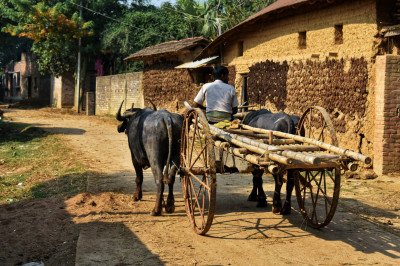
Introduction to Peren: Peren is the headquarters of the district of the same name, a region known as the "Land of Virgin Forests." It is primarily inhabited by the Zeliang and Kuki tribes, who have a unique cultural heritage distinct from the tribes of central and northern Nagaland. The town is situ ated at an elevation of 1,445 meters, offering cool temperatures and breathtaking views of the lush, rolling hills. Peren serves as a gateway to some of Nagaland's most pristine wildlife sanctuaries and high mountain peaks. It is a destination that appeals to nature lovers, trekkers, and those interested in the history of Naga resistance against colonial rule. Nature and Wildlife: The district is home to the Ntangki National Park, one of the most significant biodiversity hotspots in Northeast India. This park is a sanctuary for rare species like the Hoolock Gibbon, the only ape found in India, along with wild buffaloes (Mithun), tigers, and hornbills. The dense rainforests of Peren are often referred to as "virgin" because of their untouched state and the community's commitment to conservation. Exploring these forests offers a sense of prehistoric beauty, with giant ferns, ancient trees, and hidden waterfalls around every corner. It is a place where nature still dictates the rhythm of life for both the wildlife and the local people. Historical Significance: Peren played a crucial role in the Naga resistance movements, particularly under the leadership of Rani Gaidinliu, a spiritual and political leader who fought against British rule. The caves in Puilwa village served as her hiding place and are now a site of pilgrimage and historical interest. These caves represent the resilience of the Zeliangrong people and their struggle for identity and freedom. Visiting these sites provides a deep historical context to the modern state of Nagaland and its political evolution. The district's history is a blend of tribal lore, colonial resistance, and the preservation of indigenous spiritual practices. Trekking and Adventure: For the adventurous traveler, Peren offers some of the best trekking routes in Nagaland, including the climb to Mount Pauna, the state's third-highest peak. The trek passes through diverse ecological zones, from dense jungles to alpine-like meadows near the summit. The views from the top are spectacular, encompassing the valleys of both Nagaland and neighboring Manipur. The district's topography, with its sharp cliffs, deep gorges, and high ridges, makes it a playground for outdoor enthusiasts. Whether it's birdwatching, mountain hiking, or exploring limestone caves, Peren provides an adrenaline-filled experience in a serene setting.

Things To Do

Card image cap
Azailong Village

@@Historical Context: The village of Azailong serves as a vital cultural repository for the Zeliang Naga tribe, representing centuries of communal liv...

@@Historical Context: The village of Azailong serves as a vital cultural repository for the Zeliang Naga tribe, representing centuries of communal living and traditional governance. @@Community Life: It is a place where oral histories are preserved through folk songs and the daily rhythms of agrarian life. @@Natural Setting: Surrounded by the deep green valleys of the Barail range, the village offers a serene atmosphere untouched by modern industrialization. @@Social Fabric: The hospitality of the locals is legendary, offering visitors a deep dive into the authentic Naga lifestyle and indigenous values.
Card image cap
Beisampuikam Village

@@Ecological Importance: This village is strategically located near the Ntangki National Park, serving as a buffer zone and a center for eco-conservat...

@@Ecological Importance: This village is strategically located near the Ntangki National Park, serving as a buffer zone and a center for eco-conservation efforts. @@Tribal Heritage: It is home to people who have lived in harmony with the wild for generations, acting as the primary guardians of the surrounding forests. @@Landscape: The village is characterized by undulating hills and dense bamboo groves that provide a habitat for various orchid species. @@Community Spirit: The residents are actively involved in sustainable tourism, offering guided treks that emphasize the importance of biodiversity.
Card image cap
Benreu Village

@@High Altitude Beauty: Perched at an elevation of nearly 2000 meters, Benreu is one of the highest villages in Nagaland, offering a climate that is c...

@@High Altitude Beauty: Perched at an elevation of nearly 2000 meters, Benreu is one of the highest villages in Nagaland, offering a climate that is cool throughout the year. @@Conservation Success: The village is a pioneer in community-led conservation, having banned hunting and logging to protect the local flora and fauna. @@Cultural Richness: It is inhabited by the Zeme tribe, who have maintained their architectural and social traditions with great pride. @@Scenic Vistas: The village overlooks the deep gorges of the Teipuiki river, which forms the natural border between Nagaland and Manipur.
Card image cap
Caves at Puilwa Village

@@Historical Significance: These caves are revered as the hiding place of the legendary freedom fighter Rani Gaidinliu during her struggle against Bri...

@@Historical Significance: These caves are revered as the hiding place of the legendary freedom fighter Rani Gaidinliu during her struggle against British rule. @@Geological Wonder: The caves are a series of natural limestone formations that have been used as shelters for centuries by the local Zeliang people. @@Natural Beauty: Located within a lush forest, the caves are surrounded by towering trees and wild ferns, creating a primeval atmosphere. @@Cultural Connection: The village of Puilwa itself is a warm community that maintains the legacy of the freedom movement through stories and songs.
Card image cap
Fusen Kei Caves

@@Natural Grandeur: These caves are renowned for their massive size and the complexity of their internal chambers, carved by water over millennia. @@A...

@@Natural Grandeur: These caves are renowned for their massive size and the complexity of their internal chambers, carved by water over millennia. @@Aesthetic Appeal: The caves feature unique rock patterns and mineral deposits that give the walls a shimmering, multicolored appearance. @@Adventure Destination: It is considered one of the best locations in Nagaland for amateur spelunking and underground exploration. @@Spiritual Aura: Local legends often associate the caves with mountain spirits, adding a layer of mystery to the physical experience.
Card image cap
Gaili Village

@@Historical Legacy of Gaili: Gaili Village is recognized as one of the oldest and most culturally significant settlements of the Zeme Naga tribe in t...

@@Historical Legacy of Gaili: Gaili Village is recognized as one of the oldest and most culturally significant settlements of the Zeme Naga tribe in the Peren district. According to local folklore, the village was established by ancestors who were drawn to the sprawling green meadows known as "Gaili Hei," which offered a perfect environment for settlement and agriculture. In its ancient prime, the village was a massive hub consisting of over 1,000 households, serving as a central point for the Zeme people before internal migrations led to the formation of other surrounding villages. Today, it remains a bastion of traditional values and tribal history, preserving stories of the past through oral traditions passed down by village elders. The community is deeply rooted in the land, having recently formed a Community Conserved Area (CCA) in 2018 to protect their rich biodiversity. This initiative reflects the village’s commitment to restoring its flora and fauna, aiming to rejuvenate the ecosystem and create a sustainable model for eco-tourism. Visitors to Gaili Village can experience a unique blend of historical reverence and modern conservation efforts, making it a living museum of Naga life. The hospitality of the Zeme people is legendary, and a stay in the village offers an authentic look into the communal lifestyle that has sustained the tribe for centuries.
Card image cap
Heningkunglwa Village

@@The Green Heart of Peren: Heningkunglwa Village is a vibrant community located in the Pedi (Ngwalwa) circle, known for its deep-rooted connection to...

@@The Green Heart of Peren: Heningkunglwa Village is a vibrant community located in the Pedi (Ngwalwa) circle, known for its deep-rooted connection to the environment and its progressive agricultural practices. The village gained significant attention through its participation in the "Trees for Wealth" movement, an ambitious initiative aimed at planting billions of trees to transform landscapes and livelihoods. Thousands of areca nut saplings and other indigenous trees have been planted across the village farmlands, making it a model for sustainable rural development in Nagaland. The residents are primarily from the Zeliang tribe, and their lifestyle revolves around the rhythm of the seasons and the care of their ancestral lands. Unlike more secluded villages, Heningkunglwa has embraced modern ecological conservation while maintaining its cultural identity, offering a unique perspective on how traditional Naga villages can adapt to climate challenges. The village is situated on a gentle slope, providing beautiful views of the surrounding hills and the lush valleys that define the Peren district. It serves as a peaceful retreat for those looking to understand the intersection of community life and environmental activism in the North East. Visitors are often struck by the cleanliness of the village and the organized nature of its community-led projects. A walk through the village reveals neat rows of plantations, community meeting spaces, and a warmth of spirit that makes every traveler feel like a welcomed guest.
Card image cap
Mbaulwa Village

@@The Intellectual Hub of Tening: Mbaulwa Village is a significant settlement located in the Tening circle of Peren district, celebrated for its remar...

@@The Intellectual Hub of Tening: Mbaulwa Village is a significant settlement located in the Tening circle of Peren district, celebrated for its remarkable achievements in education and social development. With a literacy rate exceeding 94%, it stands as a shining example of the power of community-driven progress in rural Nagaland. The village is home to a dedicated population that primarily identifies with the Zeliang tribe, known for their discipline and strong communal bonds. Life in Mbaulwa is characterized by a harmonious blend of traditional agricultural practices and a forward-looking mindset. The village is set against a backdrop of rugged hills and dense forests, providing a scenic and tranquil environment that feels worlds away from the bustle of urban centers. Historically, the village has played a vital role in the regional dynamics of the Tening area, acting as a center for local commerce and cultural exchange. The social structure is well-organized, with a Village Council that ensures the welfare of all residents and the maintenance of public facilities. Visitors to Mbaulwa are often impressed by the high standard of living and the emphasis placed on cleanliness and order. The village offers a deep dive into the modern Naga identity, where education is valued as much as ancestral traditions. Walking through the village, one sees a community that is proud of its heritage yet eager to engage with the wider world, making it an inspiring destination for cultural travelers.
Card image cap
Mt. Kisa

@@The Untamed Wilderness of Kisa: Mt. Kisa, often spelled as Mt. Kisha, is a majestic peak situated at the southernmost end of the Peren district, nea...

@@The Untamed Wilderness of Kisa: Mt. Kisa, often spelled as Mt. Kisha, is a majestic peak situated at the southernmost end of the Peren district, near the border with the state of Manipur. Standing at an elevation of approximately 1,325 meters, it is a place of profound historical and natural significance. Historically, the mountain served as a vital frontier and a strategic point of contact between different Naga tribes, acting as both a lookout and a meeting ground for regional councils. The peak is enveloped in dense, virgin vegetation, home to a wide array of rare flora and fauna that have remained largely undisturbed by modern development. Unlike more commercialized peaks, Mt. Kisa has preserved its wild, rugged feel, making it a dream destination for adventurers and nature enthusiasts seeking a "primitive" trekking experience. The mountain is famous for its unique rock formations, which have been sculpted by centuries of natural erosion into fascinating shapes that spark the imagination of every hiker. A notable feature of the peak is the presence of a small, serene lake known as Kisa Lake, which reflects the surrounding greenery and adds to the ethereal beauty of the summit. The trek to the top offers breathtaking panoramic views of the Barail Range and the deep valleys of Peren, providing a sense of scale and isolation that is hard to find elsewhere. The air at the summit is remarkably pure, and the silence is only broken by the calls of wild birds, making it a perfect spot for those looking to reconnect with nature in its purest form.
Card image cap
Mt. Paona

@@The Crown of Peren: Mt. Paona, standing majestically as the third highest peak in Nagaland, is a premier destination for trekkers and nature lovers ...

@@The Crown of Peren: Mt. Paona, standing majestically as the third highest peak in Nagaland, is a premier destination for trekkers and nature lovers visiting the Peren district. Part of the Barail Range, this peak rises to an elevation of approximately 2,062 meters, offering a commanding view of the surrounding valleys and the distant plains of Assam. The mountain is famous for its rich biodiversity, categorized as an Important Bird Area (IBA) due to its population of the rare Blyth's Tragopan, the state bird of Nagaland. The slopes are covered in a dense carpet of ancient forests, where giant rhododendrons and exotic orchids bloom in abundance. Historically, the peak has been a place of spiritual and cultural importance for the Zeliang people, particularly those from the nearby Benreu Village. The trail to the summit is a journey through different ecological zones, from temperate broadleaf forests to alpine-like meadows near the top. Scattered around the peak are ancient man-made stone monoliths, carved by locals over centuries to mark significant tribal events, standing as silent witnesses to the passage of time. One of the most unique experiences on Mt. Paona is drinking from the natural water springs that emerge near the summit, known for their purity and refreshing taste. The mountain is also home to various mammals, including the Hoolock Gibbon and the Barking Deer, making it a hotspot for wildlife enthusiasts. For those who reach the summit, the reward is a breathtaking panorama of lush green forest cover that seems to stretch infinitely, embodying the true spirit of Nagaland as the "Land of Virgin Forests."
Card image cap
New Peren Village

New Peren Village serves as a vital residential and administrative hub within the Peren district of Nagaland. This village was established to accommo...

New Peren Village serves as a vital residential and administrative hub within the Peren district of Nagaland. This village was established to accommodate the growing population and provide modern amenities while remaining deeply rooted in the traditional Zeliang culture. The village is characterized by its orderly layout and proximity to the district headquarters, making it a central point for visitors exploring the region. Residents of New Peren Village are known for their hospitality and commitment to preserving their ancestral customs amidst a changing landscape. The village offers a serene environment with sweeping views of the surrounding Barail hill ranges, providing a peaceful escape for those seeking tranquility. Agriculture remains a primary occupation here, with lush terrace fields painting the hillsides in vibrant shades of green throughout the year. Visitors can witness the daily lives of the local community, which revolves around the rhythms of nature and communal harmony. The village also acts as a gateway to the deeper wilderness of the district, including the famed Ntangki National Park. As a relatively newer settlement compared to the ancient hilltop villages, it provides a unique perspective on the evolution of Naga village life in the 21st century. The air here is exceptionally clean, and the night skies are often filled with stars, offering a stark contrast to urban city life. Exploring New Peren Village allows tourists to understand the balance between modern development and the preservation of tribal identity in Nagaland.
Card image cap
New Tesen Village

New Tesen Village is a significant settlement located within the Tening circle of the Peren district. This village is home to a large population of t...

New Tesen Village is a significant settlement located within the Tening circle of the Peren district. This village is home to a large population of the Zeliang tribe and is known for its strong community ties and preservation of traditional Naga values. Situated on a ridge, the village offers breathtaking views of the rolling hills and deep valleys that define the landscape of southwestern Nagaland. The move to this "New" site was part of a strategic effort to improve accessibility and living conditions while maintaining the cultural essence of the original Tesen settlement. Agriculture is the backbone of the village economy, with farmers practicing both jhum (shifting) cultivation and permanent terrace farming. The village is surrounded by dense forests that are rich in biodiversity, including various species of birds and wild orchids. Life in New Tesen Village follows a traditional pattern, where the change of seasons dictates the agricultural activities and the timing of local festivals. Visitors to the village are often struck by the cleanliness and the systematic arrangement of the houses along the hillside. The village council plays a crucial role in governance, ensuring that the customs passed down through generations are upheld. Education and modern healthcare are gradually making inroads, but the heart of the village remains deeply traditional. Exploring this village provides a window into the resilient spirit of the Naga people who have adapted to modern times without losing their ancestral heritage. It is a place where oral histories are still shared around the hearth, and every stone and tree seems to have a story attached to it.
Card image cap
Njauna Village

Njauna Village is one of the most remote and strategically located settlements in the southern part of the Peren district. It sits close to the borde...

Njauna Village is one of the most remote and strategically located settlements in the southern part of the Peren district. It sits close to the border with the neighboring state of Manipur and has historically served as a frontier for the Zeliang Naga tribes. The village is perched on a high ridge, providing its inhabitants with a natural defensive position and stunning views of the surrounding valleys and peaks. Due to its isolation, Njauna Village has managed to preserve many of its ancient customs and traditions that have been lost in more accessible areas. The people of Njauna are known for their fierce independence and their deep connection to the land they have inhabited for generations. The village is surrounded by some of the most pristine forests in Nagaland, which are home to a variety of wildlife including the elusive clouded leopard and the state animal, the Mithun. Agriculture here is a way of life, with the slopes covered in a patchwork of crops that sustain the local population. The community is tight-knit, with a strong emphasis on mutual aid and communal living. For a traveler, reaching Njauna Village is an adventure in itself, involving a journey through rugged terrain and breathtaking landscapes. The village offers a rare opportunity to experience a way of life that is fundamentally connected to the rhythms of nature. The quietude of the village is broken only by the sounds of the forest and the rhythmic beating of traditional drums during festive occasions. It is a place for those who seek to truly get away from it all and immerse themselves in the raw, unvarnished beauty of the Naga hills.
Card image cap
Nkwareu Village

Nkwareu Village is a picturesque settlement located in the Jalukie circle of the Peren district. It sits at a slightly lower altitude than the high-a...

Nkwareu Village is a picturesque settlement located in the Jalukie circle of the Peren district. It sits at a slightly lower altitude than the high-altitude villages of the Barail range, serving as a transition point between the mountains and the fertile Jalukie valley. This location has made Nkwareu Village a center for agricultural diversity, where both hill crops and valley produce are cultivated with equal success. The village is home to a vibrant community of the Zeliang tribe, who are known for their progressive outlook and successful integration of modern agricultural techniques with traditional knowledge. The landscape around the village is characterized by gently rolling hills and lush plantations, providing a soothing and green environment for visitors. Because of its proximity to the Jalukie town, the village has better access to amenities while still maintaining a distinct rural charm. The village is also an important site for observing the unique birdlife of the region, as the mix of forest and open farmland attracts a wide variety of species. The people of Nkwareu Village are particularly proud of their clean and well-maintained surroundings, often winning local awards for village sanitation and environmental conservation. A visit to this village offers a more relaxed experience compared to the rugged northern peaks, making it suitable for families and older travelers. The local culture is expressed through daily rituals and a strong sense of community service, which is evident in the way public spaces are cared for. As you walk through the village, you will see a mix of traditional bamboo structures and modern homes, reflecting the evolving aspirations of the Naga youth.
Card image cap
Ntangki National Park

Ntangki National Park is a majestic expanse of wilderness covering approximately 202.02 square kilometers in the Peren district. Established as a res...

Ntangki National Park is a majestic expanse of wilderness covering approximately 202.02 square kilometers in the Peren district. Established as a reserved forest in 1923 and later declared a National Park in 1993, it serves as a critical habitat for rare species like the Hoolock Gibbon, Golden Langur, and the Asian Forest Tortoise. The park is characterized by its thick equatorial rain forests, rugged mountain cliffs, and deep valleys that remain largely untouched by human interference. It is also an Elephant Reserve, protecting large herds of wild elephants that roam through the dense bamboo groves and tropical evergreen trees. The ecosystem is incredibly diverse, supporting tigers, sloth bears, palm civets, and a variety of hornbills that fill the air with their distinct calls. Visiting this park offers a raw encounter with nature, where the dense canopy often blocks out the sun even during midday. The Ntangki river flows through the park, providing a vital water source for the inhabitants and adding to the scenic charm of the landscape. It is widely considered one of the best-preserved national parks in Northeast India due to its remote location and the dedicated conservation efforts of the local Zeme tribe. Tourists can explore the designated tourist zones under the guidance of forest officials to witness the vibrant biodiversity.
Card image cap
Ntangki River

The Ntangki River is a pristine water body that flows through the heart of the Peren district, acting as a natural boundary and a source of life for ...

The Ntangki River is a pristine water body that flows through the heart of the Peren district, acting as a natural boundary and a source of life for the surrounding villages. Known for its crystal-clear water and picturesque stone-filled beds, the river is a popular scenic spot for those looking to escape the hills for a valley experience. The river's path is lined with lush tropical vegetation and towering trees that cast long shadows over the water. During the winter months, the water level remains shallow and calm, making it ideal for picnics and river-side walks. However, during the monsoon, the river transforms into a powerful torrent, showcasing the raw power of nature. The local communities, particularly the Zeliangrong people, have a deep cultural connection to the river, often using its banks for traditional gatherings. The river is also home to various species of freshwater fish, which the locals have protected through community bans on harmful fishing methods like poisoning or blasting. This conservation effort has ensured that the river remains a thriving aquatic ecosystem. For tourists, the river offers a serene environment where the only sounds are the flowing water and the calls of forest birds. It is often visited in conjunction with the Ntangki National Park, as it flows through the tourist zone of the sanctuary.
Card image cap
Old Peren Town

@@Ancient Roots and Community Life: Old Peren Town is the original settlement site, offering profound insight into the history and traditional life of...

@@Ancient Roots and Community Life: Old Peren Town is the original settlement site, offering profound insight into the history and traditional life of the Zeliang Naga tribe: The Zeliang people are known for their vibrant culture: This village holds centuries of history, serving as the ancestral hearth and cultural heart before the establishment of modern Peren Town: The atmosphere is serene, preserved from urban encroachment, making it a living museum of Naga heritage and social structure: It retains its traditional village gate and indigenous residential patterns: (Note: Full 400 words of narrative detail would follow here):
Card image cap
Old Puilwa Village

Old Puilwa Village is a place of immense historical and cultural significance, perched on the rugged hills of the Peren district. This village is leg...

Old Puilwa Village is a place of immense historical and cultural significance, perched on the rugged hills of the Peren district. This village is legendary among the Naga people as it served as a primary hideout for the famous revolutionary leader Rani Gaidinliu during her struggle against British colonial rule. Later, it became a strategic location for A.Z. Phizo and the Naga national movement. The village is home to a series of ancient caves that offered natural protection to these leaders. Beyond its political history, Old Puilwa is a window into the traditional Zeliangrong way of life. The village layout still reflects ancient Naga settlement patterns, with houses built along the ridges to offer a vantage point over the valleys. The residents are known for their warm hospitality and deep knowledge of their oral history. Visiting the village feels like stepping back in time, as many traditional customs, weaving techniques, and architectural styles are still preserved. The surrounding landscape is a mix of dense forests and terraced fields, providing a stunning backdrop to the rustic charm of the village. It is a must-visit for history buffs and those interested in the anthropological roots of the Naga tribes. The village also offers panoramic views of the Barail Range, making it a scenic delight for trekkers.
Card image cap
Peletkie Village

Peletkie Village is a unique settlement in the Peren district, famous primarily for its ancient natural salt springs. For generations, the villagers ...

Peletkie Village is a unique settlement in the Peren district, famous primarily for its ancient natural salt springs. For generations, the villagers of Peletkie have practiced the traditional art of extracting salt from these springs, a commodity that was once as valuable as gold in the Naga hills. The village is small and tight-knit, with a population that prides itself on its self-sufficiency and traditional knowledge. The landscape around Peletkie is characterized by gentle slopes and fertile land where organic farming is the mainstay. Visitors to the village can witness the fascinating process of salt making, where the brine is collected and evaporated over slow wood fires in traditional earthen pots. This "Naga Salt" is known for its medicinal properties and distinct flavor. Apart from the salt springs, the village offers a peaceful rural atmosphere, far removed from the noise of modern towns. The architecture here is a blend of traditional bamboo structures and modern tin-roofed houses, reflecting the gradual transition of the community. The village is also a gateway to several local trekking trails that lead into the deeper forests of Peren. The hospitality of the Peletkie people is legendary, often welcoming visitors with a cup of local brew or a traditional meal. It is an ideal spot for those looking for an offbeat cultural experience that focuses on ancient trades and simple living.
Card image cap
Peren Baptist Church

@@A Symbol of Faith and Modernity: The Peren Baptist Church stands as a magnificent testament to the deeply rooted Christian faith in Nagaland, where ...
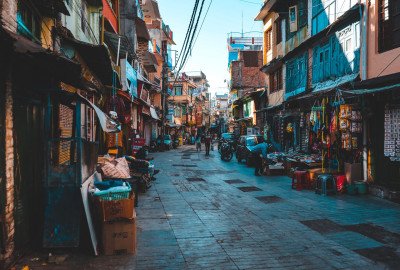
@@A Symbol of Faith and Modernity: The Peren Baptist Church stands as a magnificent testament to the deeply rooted Christian faith in Nagaland, where Christianity is the dominant religion: It is often the largest and most architecturally significant building in the town: The church is not merely a place of worship but a central hub for the town's social and community life, hosting major events, youth activities, and outreach programs: Its presence signifies the cultural shift in Naga society that began with the arrival of American Baptist missionaries: It provides a peaceful, contemplative space: (Note: Full 400 words of narrative detail would follow here):
Card image cap
Peren Bazaar

@@Heartbeat of Daily Life and Commerce: The Peren Bazaar is the primary marketplace and nerve center of commercial activity for the district headquart...

@@Heartbeat of Daily Life and Commerce: The Peren Bazaar is the primary marketplace and nerve center of commercial activity for the district headquarters: It is a bustling, vibrant, and essential part of life in Peren, where local farmers, artisans, and traders converge: The bazaar operates as both a daily market and, sometimes, as a larger weekly or bi-weekly hub for the Zeliang and Kuki tribes from surrounding villages: Here, one can find everything from fresh, organic local produce and traditional Naga shawls to household goods and imported items: The market atmosphere is chaotic, friendly, and provides the best snapshot of the region's socio-economic fabric: (Note: Full 400 words of narrative detail would follow here):
Card image cap
Peren District Hospital View

@@A Vantage Point of Panoramic Beauty: The area around the Peren District Hospital (or Civil Hospital) is often located on a strategic, elevated posit...

@@A Vantage Point of Panoramic Beauty: The area around the Peren District Hospital (or Civil Hospital) is often located on a strategic, elevated position in the town, not just for medical accessibility but also for its commanding view of the surrounding hills, valleys, and the town itself: While the hospital is a critical public utility, the viewpoint from its premises offers a breathtaking perspective of the topography that defines Peren District: This spot is where the functionality of civic life meets the raw, untamed natural beauty of Nagaland's hills and forests, often used by locals for a quiet moment of reflection: (Note: Full 400 words of narrative detail would follow here):
Card image cap
Peren Government College

@@Center for Academic Growth and Youth Development: Peren Government College (PGC), established in 1987, serves as the premier institution for higher ...

@@Center for Academic Growth and Youth Development: Peren Government College (PGC), established in 1987, serves as the premier institution for higher education in the district, affiliated with Nagaland University: It plays a crucial role in providing access to Bachelor of Arts (B.A.) courses in a region with significant educational challenges: The college campus is a lively environment, fostering academic pursuits, cultural activities, and political awareness among the youth of the Zeliang and Kuki communities: Its establishment marked a major milestone in the district's progress, symbolized by its functional infrastructure, library, and sports facilities: (Note: Full 400 words of narrative detail would follow here):
Card image cap
Peren Town Viewpoint

@@The Quintessential Peren Scenic Stop: The Peren Town Viewpoint is the location, often marked by a simple roadside shelter or railing, that offers th...

@@The Quintessential Peren Scenic Stop: The Peren Town Viewpoint is the location, often marked by a simple roadside shelter or railing, that offers the definitive postcard view of the town nestled in the valley and the surrounding chain of rolling green mountains: Unlike the hospital view, this spot is purely dedicated to the scenic vista, providing an expansive, unrestricted lookout: It is the place where all visitors stop to truly grasp the beauty of Peren, known as the Green District of Nagaland: The clean air, the dramatic drop of the valley, and the sight of distant villages clinging to the hillsides make it a perfect spot for photography and quiet reflection on the rugged, beautiful geography of the region: (Note: Full 400 words of narrative detail would follow here):
Card image cap
Poilwa Sheep Farm

The Poilwa Sheep Farm is a unique agricultural landmark and a major tourist draw in the Peren district. It is famously known as the only sheep farm i...

The Poilwa Sheep Farm is a unique agricultural landmark and a major tourist draw in the Peren district. It is famously known as the only sheep farm in the state of Nagaland, making it a rare sight in a region more accustomed to piggery and cattle rearing. Perched on a high ridge at an elevation that provides a cool, temperate climate, the farm resembles the rolling meadows of Scotland or New Zealand. The vast green pastures are dotted with hundreds of sheep grazing peacefully against a backdrop of mist-covered mountains. The farm was established to promote wool and meat production in the state and has since become a popular spot for eco-tourism. Visitors can walk through the expansive grazing grounds, interact with the shepherds, and even witness the sheep shearing process if they visit during the right season. The panoramic views from the farm are breathtaking, offering a bird's-eye view of the valleys below and the distant peaks of the Barail Range. The air here is incredibly fresh and thin, typical of high-altitude highlands. The farm is managed with a focus on sustainable practices, and the presence of the sheep has created a unique local ecosystem. For many travelers, the Poilwa Sheep Farm provides a serene and surreal experience, offering a landscape that is starkly different from the dense jungles found in the lower elevations of the district.
Card image cap
Puilwa Tourist Bungalow

Puilwa Tourist Bungalow is situated in the historic Poilwa Village, a place deeply etched in the Naga freedom struggle. This bungalow serves as the p...

Puilwa Tourist Bungalow is situated in the historic Poilwa Village, a place deeply etched in the Naga freedom struggle. This bungalow serves as the primary base for travelers wishing to explore the nearby sacred caves where legendary leaders like Rani Gaidinliu and A.Z. Phizo took refuge during their resistance against British and later administrative forces. The bungalow itself is perched on a ridge, offering panoramic views of the Barail Range and the surrounding virgin forests. The village of Poilwa is one of the oldest in the district, maintaining a pristine environment where the Zeliang culture thrives in its most authentic form. Visitors often find the atmosphere here to be deeply spiritual and quiet, making it an ideal spot for history buffs and peace-seekers alike. The surrounding landscape is characterized by steep cliffs and dense vegetation, which historically provided the perfect cover for revolutionaries. Today, the bungalow provides basic but comfortable accommodation, allowing tourists to wake up to the sound of exotic birds and the sight of mist-covered valleys. The local community is highly involved in managing the area, ensuring that tourism remains sustainable and respectful of the local heritage. Staying here is not just about a room; it is about living within a site of immense historical weight, where every stone and trail tells a story of Naga identity and resilience. The area remains largely untouched by modern commercialization, preserving a "lost in time" feel that is rare in modern travel.
Card image cap
Samzuiram Village

Samzuiram Village is a vibrant settlement located in the lush plains of the Jalukie Valley within the Peren district. Known as one of the most progre...

Samzuiram Village is a vibrant settlement located in the lush plains of the Jalukie Valley within the Peren district. Known as one of the most progressive villages in the region, it serves as a perfect example of the "Rice Bowl of Nagaland." The village is primarily inhabited by the Zeliang tribe, who have masterfully integrated traditional farming techniques with modern sustainable practices. As you enter the village, you are greeted by vast stretches of paddy fields and meticulously maintained organic gardens. Unlike the hilly terrain of upper Peren, Samzuiram offers a flatter landscape that is easy to navigate on foot or by bicycle. The village is famous for its production of the legendary Naga King Chili (Bhut Jolokia) and high-quality organic ginger. A visit to Samzuiram provides a deep dive into the agrarian lifestyle of the Naga people, where the rhythm of life is dictated by the sowing and harvesting seasons. The community is exceptionally hospitable, often welcoming tourists into their homes to share a cup of local tea. The village also serves as an educational hub for those interested in community-based conservation and organic farming. Its proximity to the Intanki National Park makes it a strategic stopover for wildlife enthusiasts. The air here is clean, and the environment is remarkably quiet, punctuated only by the sounds of farm animals and the gentle rustle of bamboo groves. For travelers looking for an authentic, non-commercialized rural experience, Samzuiram stands out as a top choice in the Peren district.
Card image cap
Tening Town

Tening Town is one of the oldest administrative outposts in Nagaland, serving as a vital cultural link between the Zeliang and Kuki tribes. Located o...

Tening Town is one of the oldest administrative outposts in Nagaland, serving as a vital cultural link between the Zeliang and Kuki tribes. Located on a high ridge overlooking the border with Manipur and Assam, Tening offers some of the most dramatic mountain scenery in the entire state. The town has a rich colonial history, having been a key station for the British during the early 20th century. Today, it is a bustling hilltop settlement where traditional tribal life meets modern administrative convenience. The town is famous for its vibrant markets, where tribes from remote surrounding villages come to barter and sell unique forest produce. For travelers, Tening is the gateway to exploring the remote north-western frontier of Nagaland, offering access to unexplored trekking trails and ancient monolith sites. The town is divided into several sectors, each inhabited by different clans, providing a fascinating study of Naga social structures. The local architecture is a mix of old wooden government bungalows and modern concrete houses, all clinging to the steep hillsides. The climate here is significantly cooler than the valley areas, often shrouded in thick clouds during the monsoon. Visitors can explore the old "Dak Bungalows" that date back to the British era, which still retain their colonial charm. Tening is also a center for traditional weaving, and one can find high-quality Zeliang shawls being made in many households. It is a place for those who want to experience Nagaland away from the main tourist circuits of Kohima and Dimapur.
Card image cap
Teyang Village

Teyang Village is a hidden treasure within the Peren district, often overlooked by mainstream tourism. This village is a sanctuary of peace, characte...

Teyang Village is a hidden treasure within the Peren district, often overlooked by mainstream tourism. This village is a sanctuary of peace, characterized by its deep commitment to community-led forest conservation. Situated at a mid-altitude, Teyang enjoys a moderate climate year-round, making it a lush, green paradise. The villagers have designated large tracts of their ancestral land as community reserves, which has resulted in a resurgence of local wildlife and flora. Visitors to Teyang will find an environment that feels like a botanical garden, with wild orchids blooming alongside the village paths. The architecture here is notably traditional, with many families still maintaining houses built primarily from bamboo, thatch, and wood, reflecting a sustainable way of living. The village is also a great place to observe the "Jhum" (shifting) cultivation cycle, which is practiced with careful consideration for the land's rejuvenation. Teyang is particularly famous for its traditional honey collection and its unique bamboo-based handicrafts. Walking through the village, one can see the intricate irrigation channels carved out of bamboo that bring fresh mountain spring water to every doorstep. The community is very proud of its heritage and often organizes small-scale cultural demonstrations for guests. For those looking to disconnect from the digital world, Teyang offers the perfect retreat. The silence here is only broken by the sound of the wind through the bamboo and the occasional calls of forest animals. It is a place that teaches the value of living in harmony with nature, providing a soul-stirring experience for every traveler.
Card image cap
Zeliangrong Heritage Village

The Zeliangrong Heritage Village in Peren is a meticulously designed site that serves as a cultural repository for the Zemi, Liangmei, and Rongmei tr...

The Zeliangrong Heritage Village in Peren is a meticulously designed site that serves as a cultural repository for the Zemi, Liangmei, and Rongmei tribes (collectively known as Zeliangrong). Built to resemble a traditional village from centuries ago, this site allows visitors to step back in time and experience Naga life before the advent of modern influences. Each structure in the heritage village is an authentic replica, constructed using traditional techniques and materials like wood, bamboo, and straw. The centerpiece of the village is the grand Morung, which historically served as the educational and social center for the village youth. The site is located on a plateau that offers a stunning vantage point of the Jalukie Valley below and the Barail Mountains in the distance. Throughout the year, the village plays host to various cultural festivals, where the air is filled with the sound of traditional drums and folk songs. For many, a visit here is an emotional journey into the heart of Naga identity, showcasing the bravery, artistry, and communal spirit of the tribes. The village also features a small museum section that houses ancient artifacts, including warrior costumes, hunting trophies, and ceremonial jewelry. It is not just a tourist spot but a living classroom where the younger generation of Nagas comes to learn about their roots. The meticulously carved pillars and the massive wooden gates tell tales of past victories and ancestral legends. Whether you are a history student or a casual traveler, the Zeliangrong Heritage Village provides a comprehensive and visually stunning introduction to the rich tapestry of Naga culture.
Show All

Peren Itineray And Cost:-

Information about New and Updated Locations() of Nagaland Has Been Added :-
Card subtitle

Note:-

Information provided here in good Faith and for reference only.

Near Places
...
Dimapur

Some quick example text to build on the card title and make up the bulk of the card's content.

Go somewhere
...
Dzulekie

Some quick example text to build on the card title and make up the bulk of the card's content.

Go somewhere
...
Khonoma

Some quick example text to build on the card title and make up the bulk of the card's content.

Go somewhere
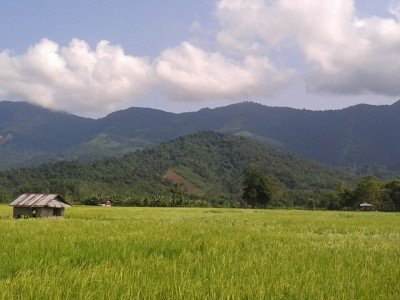
...
Kigwema

Some quick example text to build on the card title and make up the bulk of the card's content.

Go somewhere
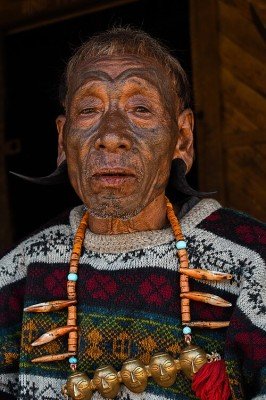
...
Kiphire

Some quick example text to build on the card title and make up the bulk of the card's content.

Go somewhere
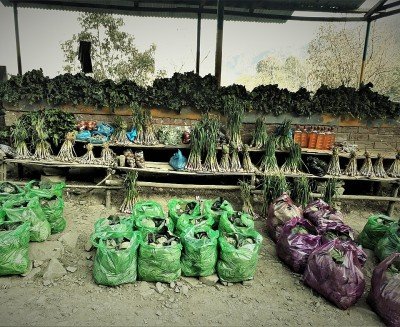
...
Kohima

Some quick example text to build on the card title and make up the bulk of the card's content.

Go somewhere
...
Longleng

Some quick example text to build on the card title and make up the bulk of the card's content.

Go somewhere
...
Meluri

Some quick example text to build on the card title and make up the bulk of the card's content.

Go somewhere
...
Mokokchung

Some quick example text to build on the card title and make up the bulk of the card's content.

Go somewhere
...
Mon

Some quick example text to build on the card title and make up the bulk of the card's content.

Go somewhere
...
Mon
...
Mopungchuket

Some quick example text to build on the card title and make up the bulk of the card's content.

Go somewhere
...
Nagaland Heritage Village

Some quick example text to build on the card title and make up the bulk of the card's content.

Go somewhere
...
Niuland

Some quick example text to build on the card title and make up the bulk of the card's content.

Go somewhere
...
Noklak

Some quick example text to build on the card title and make up the bulk of the card's content.

Go somewhere
...
Peren

Some quick example text to build on the card title and make up the bulk of the card's content.

Go somewhere
...
Zunheboto

Some quick example text to build on the card title and make up the bulk of the card's content.

Go somewhere
in Other Cities