...

Place To Visit And Things To Do In Shamator

Nagaland, India
Overview: Shamator is one of the newest districts in Nagaland, carved out to focus on the development of the Yimkhiung and Tikhir Naga tribes. It is a remote and ruggedly beautiful region that offers a glimpse into a world largely untouched by modern urbanization. The district is known for its rolli ng hills, deep gorges, and the powerful Zungki River. The name Shamator itself carries a message of peace and unity, reflecting the harmonious co-existence of its people. For the adventurous traveler, it is a destination of raw beauty and profound cultural depth. Natural Features: The geography of Shamator is dominated by high mountain ridges and dense forests that are home to diverse wildlife. The Zungki River, a major tributary of the Chindwin, carves through the landscape, creating spectacular valley views. This river is central to the life of the local tribes, providing water for irrigation and a source of fish. The region is also rich in biodiversity, with many species of Himalayan birds and medicinal plants found in the wild. The untouched nature of the forests makes it a prime location for eco-tourism and wildlife exploration. Tribal Life: The Yimkhiung and Tikhir tribes are the primary inhabitants, known for their unique dialects, traditional attire, and warrior history. Their villages are often situated on high ridges for strategic reasons, offering breathtaking views of the surroundings. Tribal life here revolves around the agricultural calendar, with rituals and festivals marking every stage of the farming cycle. The people are famous for their hospitality and their ability to live in harmony with the challenging mountain environment. Their traditional music and dances are rhythmic and deeply symbolic of their connection to nature. History and Peace: Shamator has a significant history of tribal diplomacy and peace-making. The recent elevation of the area to a full district status was a historic moment for the local communities, symbolizing a new era of growth and recognition. The district serves as a bridge between the central and eastern parts of Nagaland, playing a crucial role in the socio-political landscape of the state. The peace initiatives led by local leaders have made the region a model for tribal cooperation. It is a place where tradition meets a forward-looking vision for the future. :

Things To Do

Card image cap
Fakim Wildlife Sanctuary

The Fakim Wildlife Sanctuary is a pristine protected area established in 1983 and spans approximately 642 hectares. It is located at an altitude rang...

The Fakim Wildlife Sanctuary is a pristine protected area established in 1983 and spans approximately 642 hectares. It is located at an altitude ranging from 1,700 to 3,000 meters above sea level, making it a high-altitude ecological haven. The sanctuary is famous for its dense virgin forests, which include wet temperate and sub-alpine vegetation. It is home to rare fauna such as the Blyth’s Tragopan, the state bird of Nagaland, as well as panthers, Himalayan bears, and Hoolock gibbons. The landscape is characterized by high ridges and deep gorges that offer spectacular views of the surrounding mountains. Being part of the Indo-Burma biodiversity hotspot, it attracts researchers and nature lovers from across the globe. Visitors can witness a variety of rare orchids and medicinal plants that thrive in the heavy rainfall zone. The sanctuary also plays a vital role in community-led conservation efforts involving local tribes. :
Card image cap
Kiphire Town

Kiphire Town serves as the gateway to the highest peak in Nagaland and is the administrative heart of the Kiphire district. It is located at an eleva...
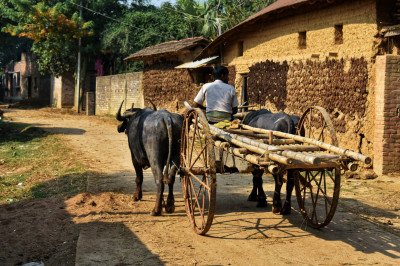
Kiphire Town serves as the gateway to the highest peak in Nagaland and is the administrative heart of the Kiphire district. It is located at an elevation of 896 meters and is the meeting point for the Sangtam, Yimkhiung, and Sema tribes. The town is famous for its vibrant local markets where one can find traditional Naga shawls and organic produce like king chilies. Historically, it was part of the Tuensang district before being carved out as a separate entity. The town is surrounded by lush green hills and offers a base for treks to Mount Saramati. Visitors can explore the Kiphire Village Museum which houses artifacts from the head-hunting era. The town provides a glimpse into the diverse cultural tapestry of Eastern Nagaland, making it a crucial stop for any traveler. :
Card image cap
Longkhum Village

Longkhum Village is a legendary Ao Naga village that sits at an altitude of 1,846 meters. According to local mythology, the spirits of the dead pass ...

Longkhum Village is a legendary Ao Naga village that sits at an altitude of 1,846 meters. According to local mythology, the spirits of the dead pass through this village on their way to paradise. It is famously known as the "Vegetable Capital" of Nagaland because of its massive production of tomatoes and cabbage. The village offers a breathtaking panoramic view of the Doyang River and the surrounding valleys. Visitors are often told that "your soul stays back on your first visit," signifying the enchanting beauty of the place. The village is rich in history, having served as a vanguard village during the head-hunting era. It is home to the Longlangba (Stone Bridge) and the Mongzu-Ki (Eagle's Cave). The culture here is deeply rooted in Ao traditions, and the hospitality of the locals is legendary across the state. :
Card image cap
Muleangkiur Village

Muleangkiur Village is a picturesque settlement that showcases the agricultural ingenuity of the Yimkhiung people. Unlike the traditional Jhum (slash...

Muleangkiur Village is a picturesque settlement that showcases the agricultural ingenuity of the Yimkhiung people. Unlike the traditional Jhum (slash and burn) cultivation seen in many parts of Nagaland, this village is renowned for its extensive Terrace Cultivation. The hillsides are carved into beautiful stepped fields that change color with the seasons—from emerald green in the monsoon to golden yellow during harvest. The village is also known for its traditional salt-making history and community-based living. It is a place where one can observe the traditional "Morung" system still influencing social structures. The locals are skilled artisans, known for their bamboo basketry and wood carvings. Visiting during the harvest season provides a rare look at the community working together in the fields, singing folk songs while they gather the grain. :
Card image cap
Shamator Bamboo Craft Centre

The Shamator Bamboo Craft Centre is the primary hub for preserving the exquisite weaving traditions of the Yimkhiung and Tikhir tribes. This facility...

The Shamator Bamboo Craft Centre is the primary hub for preserving the exquisite weaving traditions of the Yimkhiung and Tikhir tribes. This facility serves as both a workshop and a retail outlet where local artisans transform raw bamboo into intricate household items and art. Visitors can witness the "Live Weaving" process, where split bamboo culms are manually thinned and dyed using organic forest extracts. The center is crucial for the local economy, providing a livelihood for dozens of rural families who bring their traditional knowledge to the urban market. The items produced here, such as the Kholar storage baskets and ceremonial hats, are renowned across Nagaland for their durability and fine finishing. It is a place where time seems to slow down as the rhythmic sound of bamboo splitting fills the air. Every product tells a story of the forest, representing a sustainable way of life that has existed for centuries. The center also hosts training programs for the youth to ensure the "Naga Craft" legacy does not fade away. For a tourist, it offers the most authentic souvenir shopping experience in the district.
Card image cap
Shamator Circuit House

The Shamator Circuit House is the most prestigious government lodging facility in the newly formed district. Perched on a strategic ridge, it offers ...

The Shamator Circuit House is the most prestigious government lodging facility in the newly formed district. Perched on a strategic ridge, it offers a 360-degree panoramic view of the Patkai Range and the winding Zungki River below. Originally built to house visiting dignitaries and government officials, it has now become a landmark for travelers seeking the best views in town. The facility is managed by the District Administration and is known for its impeccably maintained gardens and colonial-style hospitality. Staying here feels like being on top of the world, as clouds often drift into the verandahs during the monsoon. The atmosphere is quiet and serene, far removed from the bustle of the local market. It serves as the unofficial "Base Camp" for many researchers and trekkers heading toward the Myanmar border. The Circuit House is also a site for significant administrative meetings, including the historic "Brotherhood" declarations between tribes. For a visitor, the sunrise from the Eastern lawn is an unforgettable spiritual experience. The staff is local, providing authentic Naga meals like smoked pork and Kholar beans upon prior request. It represents the growing infrastructure of the 16th district of Nagaland.
Card image cap
Shamator Clock Tower

The Shamator Clock Tower is the most iconic landmark and the beating heart of the town's social life. Located at the intersection of the main roads l...

The Shamator Clock Tower is the most iconic landmark and the beating heart of the town's social life. Located at the intersection of the main roads leading to Tuensang, Kiphire, and Chessore, it symbolizes the modernization and official recognition of Shamator as a full-fledged district in 2022. The tower serves as a meeting point for locals, students, and travelers alike. Surrounded by small cafes and shops, it is the busiest part of the town where one can observe the daily rhythm of Naga life. The clock itself is visible from various parts of the hillside town, helping residents keep time in a region where life is traditionally governed by the sun. During local festivals like Metiimnyo, the tower is decorated with vibrant lights and tribal motifs, becoming the center of public celebrations. It is more than just a timekeeper; it is a monument of pride for the Yimkhiung and Tikhir people who campaigned for decades for their own administrative identity. For a tourist, the Clock Tower area is the best place to find local guides, grab a quick bite of Kholar (local beans), and soak in the vibrant street culture. The architecture reflects a mix of modern concrete stability and traditional aesthetic elements, standing tall as a guardian of the town's progress.
Card image cap
Shamator Community Hall

The Shamator Community Hall is the cultural and political nerve center of the district. This massive facility was built to accommodate the large gath...
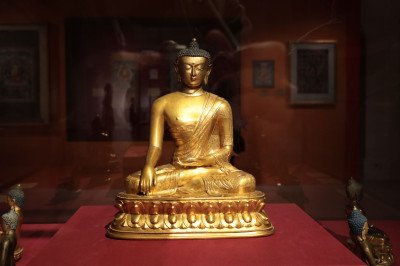
The Shamator Community Hall is the cultural and political nerve center of the district. This massive facility was built to accommodate the large gatherings of the Yimkhiung and Tikhir tribes, who use it for everything from tribal councils to wedding celebrations. The hall is a symbol of the "Brotherhood" spirit that defines the district. It is here that major decisions regarding local governance and peace treaties are discussed. For a visitor, the hall offers a deep dive into the socio-political structure of the Naga tribes. The interior is often decorated with traditional motifs, animal skulls (from historical significance), and vibrant tribal shawls. It overlooks the town's main football ground, making it a prime spot during sporting events. The hall also serves as an indoor venue for the Metiimnyo Festival when it rains. Its importance cannot be overstated; it is the "People's Parliament" of Shamator. Visitors can often see elders dressed in full traditional regalia attending meetings here. The hall provides a rare glimpse into the "Living Culture" of Nagaland, where ancient tribal traditions blend with modern democratic processes. It is a place of stories, where the oral history of the Naga people is passed down to the next generation in loud, rhythmic speeches.
Card image cap
Shamator Cultural Museum

The Shamator Cultural Museum (Proposed) is a visionary project aimed at documenting the rich ethnographic history of the Shamator district. Currently...

The Shamator Cultural Museum (Proposed) is a visionary project aimed at documenting the rich ethnographic history of the Shamator district. Currently in the planning and early construction phase, it is designed to be a state-of-the-art facility that will house ancient artifacts, traditional weaponry, and rare textiles of the Yimkhiung and Tikhir tribes. The project was initiated after Shamator became a district, as there was a pressing need to collect tribal heirlooms from remote villages before they were lost to time. Once completed, it will feature dedicated galleries for "The Warrior's Path," "Agricultural Rituals," and "The Weave of Identity." Even in its current state, the site is a place of pilgrimage for cultural enthusiasts who wish to see where the district's future heritage will be preserved. The location was chosen for its quiet, hilly terrain which provides a dignified setting for a museum. It aims to bridge the gap between the ancient oral traditions and the modern digital world by incorporating interactive displays. For tourists, it represents the "Rising Shamator," a district that is proud of its past and ambitious about its future. It will serve as an educational center for students and a major attraction for international researchers studying the Trans-Patkai tribes.
Card image cap
Shamator District Library

@@Knowledge Repository: The Shamator District Library serves as the primary intellectual hub for the newly formed district. It houses a collection of ...

@@Knowledge Repository: The Shamator District Library serves as the primary intellectual hub for the newly formed district. It houses a collection of books ranging from academic texts to local Naga folklore. The library is a quiet sanctuary for students and researchers looking to delve into the history of the Yimkhiung tribe. It plays a vital role in promoting literacy in the eastern part of Nagaland. The atmosphere is serene, providing a perfect environment for deep study. Visitors can find rare documents regarding the administrative transition of Shamator. It is a symbol of growth for the local community. The library also hosts small educational workshops for children. It acts as a bridge between traditional oral history and modern written records. This place is essential for anyone wanting to understand the local socio-political landscape.
Card image cap
Shamator Forest Check Post

@@The Green Gate: The Shamator Forest Check Post is the symbolic entrance to the pristine biodiversity of the district. It is managed by the Departmen...
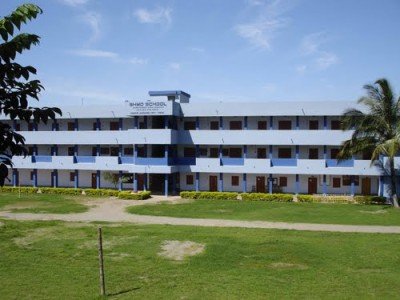
@@The Green Gate: The Shamator Forest Check Post is the symbolic entrance to the pristine biodiversity of the district. It is managed by the Department of Environment, Forests, and Climate Change. This spot marks the transition from urban settlements to the lush subtropical evergreen forests. Travelers must stop here for routine entry checks and permits. The area surrounding the post is covered in dense foliage and tall trees. It is a great place to observe the local flora and fauna of eastern Nagaland. The officers here are knowledgeable about the surrounding trekking trails. It serves as a guardian against illegal logging and poaching. The air here is noticeably cooler and fresher than the town center. It is an essential stop for any nature enthusiast heading deeper into the hills.
Card image cap
Shamator High School Ground

@@Heart of Local Life: The Shamator High School Ground is more than just a playground; it is the heartbeat of the town's social life. It serves as the...

@@Heart of Local Life: The Shamator High School Ground is more than just a playground; it is the heartbeat of the town's social life. It serves as the primary venue for football matches, which are a passion in Nagaland. During the day, students use it for sports and physical training. In the evenings, it becomes a communal space for residents to walk and socialize. The ground is surrounded by hilly slopes that act as natural galleries for spectators. Major district-level events and independence day celebrations are held here. It provides a panoramic view of the school’s traditional buildings. The soil is red and dusty, typical of the Naga hills. It is the best place to witness the vibrant energy of the local youth. The ground often echoes with the sounds of cheering and local folk music during festivities.
Card image cap
Shamator Hill Range View

@@Scenic Grandeur: The Shamator Hill Range View offers a breathtaking 360-degree panorama of the eastern Himalayas. From this vantage point, one can s...
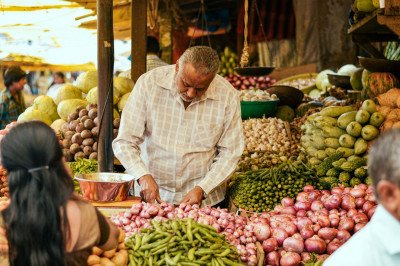
@@Scenic Grandeur: The Shamator Hill Range View offers a breathtaking 360-degree panorama of the eastern Himalayas. From this vantage point, one can see the undulating hills stretching into Myanmar. On a clear day, the snow-capped peak of Mount Saramati is visible in the distance. The view changes with the seasons, from lush emerald green in summer to a golden hue in winter. Clouds often float below the viewpoint, giving visitors a "walking on clouds" experience. The silence here is profound, broken only by the whistling wind. It is a favorite spot for photographers looking to capture the "Grand Canyon" of Nagaland. The ridge provides a clear perspective of how the villages are strategically perched on hilltops. It is the best place for meditation and connecting with nature. The sunset from here is considered one of the most beautiful in the district.
Card image cap
Shamator Local Market

@@Cultural Marketplace: The Shamator Local Market is the vibrant commercial core where the Yimkhiung and Tikhir tribes trade. It is a sensory explosio...

@@Cultural Marketplace: The Shamator Local Market is the vibrant commercial core where the Yimkhiung and Tikhir tribes trade. It is a sensory explosion of colors, smells, and sounds. Here, you can find organic mountain vegetables like bamboo shoots, king chili (Bhut Jolokia), and local herbs. The market is also famous for traditional Naga handlooms and beaded jewelry. Artisans from nearby villages bring their handmade baskets and wooden tools. You can observe the local lifestyle and the friendly bargaining between traders. The food stalls offer authentic Naga snacks and steamed corn. It is the best place to buy a souvenir that truly represents the district. The market is most crowded during the early morning hours. It serves as a vital link between the rural agricultural economy and the urban center.
Card image cap
Shamator Old Village Site

@@ Historical Roots: The Shamator Old Village Site serves as the ancestral heart of the Yimkhiung Naga people, offering a profound glimpse into the mi...

@@ Historical Roots: The Shamator Old Village Site serves as the ancestral heart of the Yimkhiung Naga people, offering a profound glimpse into the migration patterns and settlement history of this warrior tribe. @@ Cultural Significance: Spread across a high ridge, the site is a living museum of indigenous wisdom, featuring ancient stone markers and preserved house foundations that tell the story of a community that balanced agriculture with defensive warfare. @@ Landscape and Layout: The village was strategically positioned for defense, with the old topography still showing signs of traditional fortifications and common gathering areas used for tribal councils. @@ Preservation Efforts: Today, the site is a place of pilgrimage for locals during festivals, where elders recount oral histories to the younger generation, ensuring that the legacy of their forefathers remains vibrant and respected within the modern district. :
Card image cap
Shamator Peak

@@ Geographic Wonder: Shamator Peak stands as the highest elevation in the immediate vicinity, offering a commanding view of the entire district and a...

@@ Geographic Wonder: Shamator Peak stands as the highest elevation in the immediate vicinity, offering a commanding view of the entire district and acting as a natural landmark for travelers and locals alike. @@ Flora and Fauna: The slopes are covered in thick rhododendron forests and alpine vegetation, which burst into color during the spring, attracting a variety of high-altitude birds and butterflies. @@ Climate: Due to its height, the peak experiences a significantly cooler micro-climate, often being shrouded in clouds during the afternoon, creating a surreal and refreshing environment for trekkers. @@ Strategic Importance: Historically, the peak served as a lookout point for tribal warriors to monitor movements in the valley, and today it houses a small telecommunication tower and a viewing deck for tourists. :
Card image cap
Shamator Public Ground

@@ Social Hub: The Shamator Public Ground is the pulse of the town, serving as the primary venue for all major social, political, and cultural gatheri...
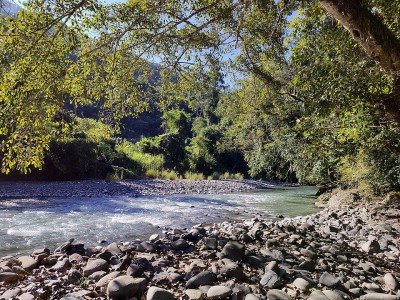
@@ Social Hub: The Shamator Public Ground is the pulse of the town, serving as the primary venue for all major social, political, and cultural gatherings within the newly inaugurated district headquarters. @@ Functionality: It is a large, flat expanse used daily by local youth for football and volleyball, while also being the official site for government functions and the celebration of national holidays. @@ Atmosphere: During the day, the ground is a hive of activity with children playing and vendors selling local snacks; in the evenings, it becomes a peaceful space for locals to take their daily walks. @@ Evolution: Since Shamator became a district in 2022, the ground has seen significant upgrades, including better fencing and the construction of a permanent rostrum for VIPs and community leaders. :
Card image cap
Shamator River Crossing Point

@@ Geographic Significance: This point marks where the main road crosses the Zungki River, the largest tributary in the region, serving as a vital lin...
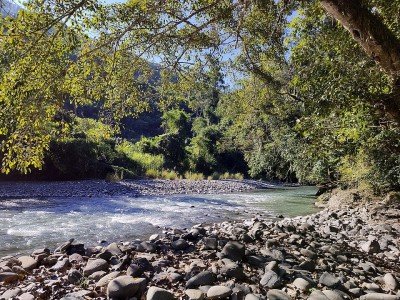
@@ Geographic Significance: This point marks where the main road crosses the Zungki River, the largest tributary in the region, serving as a vital link between Shamator and the neighboring districts. @@ Natural Beauty: The river here is wide and powerful, with clear turquoise water flowing over a bed of smooth river stones, surrounded by towering cliffs and dense subtropical forests that teem with life. @@ Engineering Marvel: The site features a combination of old suspension bridges and modern concrete structures that demonstrate the evolution of connectivity in these challenging mountainous terrains over the decades. @@ Local Life: This is a place where you can see the intersection of modern transport and traditional lifestyles, as villagers often use the river banks for fishing and traditional gold panning activities. :
Card image cap
Shamator River Valley Picnic Spot

@@ Natural Sanctuary: Located a few kilometers downstream from the main crossing, this wide valley basin offers a tranquil setting where the river slo...

@@ Natural Sanctuary: Located a few kilometers downstream from the main crossing, this wide valley basin offers a tranquil setting where the river slows down and creates shallow, sandy beaches. @@ Lush Environment: The spot is surrounded by virgin forests and small agricultural clearings where locals grow millet and beans, creating a picturesque tapestry of green and gold against the blue water. @@ Recreational Focus: This area has been traditionally used by the people of Shamator for community outings and school picnics, offering a flat and safe terrain for children to play and families to relax. @@ Ecological Wealth: The valley is a hotspot for biodiversity, with many species of butterflies and wildflowers lining the banks, making it a peaceful retreat for those looking to connect with nature. :
Card image cap
Shamator Tourist Rest House

The Shamator Tourist Rest House is a vital establishment managed by the Department of Tourism, Nagaland, serving as the primary gateway for travelers...

The Shamator Tourist Rest House is a vital establishment managed by the Department of Tourism, Nagaland, serving as the primary gateway for travelers exploring the eastern frontier. This facility is designed to offer a safe haven for officials, researchers, and intrepid tourists who venture into the Yimkhiung and Tikhir tribal heartlands. Its location provides a serene atmosphere, far removed from the noise of commercial centers, allowing guests to immerse themselves in the local environment. The rest house is not just a place to sleep; it acts as a cultural bridge where visitors can interact with local staff and learn about the intricate social fabric of the Shamator district. The rooms are generally spacious, featuring basic amenities that prioritize comfort over luxury, which is the standard for government lodges in remote Naga regions. Staying here provides a unique perspective on the lifestyle of the eastern Nagas, as the rest house often overlooks the rolling hills and local dwellings. It serves as a base camp for those planning to trek toward the Mt. Saramati range or explore nearby heritage villages like Yakor. The hospitality provided is warm and authentic, reflecting the traditional Naga values of welcoming guests with open arms. During peak seasons, it becomes a hub of activity, filled with travelers sharing stories of their journeys through the rugged terrain of Nagaland. The rest house also facilitates connections with local guides who are essential for navigating the complex landscapes and cultural protocols of the region. For any traveler seeking an authentic, no-frills experience that stays true to the spirit of exploration, this rest house is an indispensable part of the Shamator itinerary. It remains the most reliable accommodation in a town where private hotel infrastructure is still in its nascent stages of development.:
Card image cap
Shamator Town Baptist Church

The Shamator Town Baptist Church stands as the most prominent landmark and the spiritual epicenter of the town. Representing the deep-rooted Christia...

The Shamator Town Baptist Church stands as the most prominent landmark and the spiritual epicenter of the town. Representing the deep-rooted Christian faith that characterizes the Naga tribes, this church is the primary place of worship for the Yimkhiung and Tikhir residents of the area. The church is more than just a religious building; it is a center for social gathering, community welfare, and cultural preservation. On Sundays, the entire town seems to converge here, with locals dressed in their finest traditional attire, creating a vibrant display of red, black, and white patterns unique to the region's tribal heritage. The hymns sung in the local Yimkhiung dialect are soul-stirring and provide a unique auditory experience for visitors. The church plays a pivotal role in the administration of the town's social life, often leading initiatives for education, health, and peace-building between different tribal groups. Historically, the establishment of the Baptist mission in this remote corner of Nagaland marked a significant shift in the socio-cultural landscape, bringing modern education and a unified religious identity. The atmosphere within the church premises is one of profound peace and reverence. Visitors are often welcomed with great warmth, and attending a service is one of the best ways to experience the genuine hospitality of the Naga people. The church also manages various youth programs and choir groups that are famous throughout the district for their musical talent. The architectural presence of the church on a hilltop ensures it is visible from almost every part of Shamator, serving as a beacon of hope and a symbol of the community's collective spirit. For those interested in the sociology of the Naga tribes, the church offers a deep insight into how traditional tribal structures have integrated with modern Christian practices to create a unique cultural identity.:
Card image cap
Shamator Town Vegetable Market

The Shamator Town Vegetable Market is the beating heart of the town’s economy and a sensory delight for any traveler. This bustling marketplace is ...

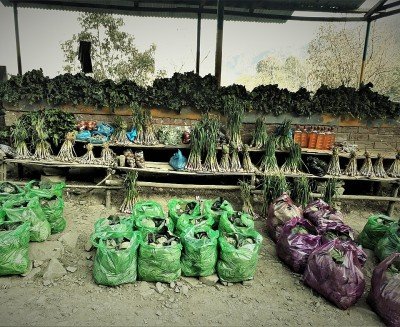
The Shamator Town Vegetable Market is the beating heart of the town’s economy and a sensory delight for any traveler. This bustling marketplace is where the local farmers from surrounding villages like Yakor, Shiponger, and Chessore bring their fresh, organic produce every morning. The market is a testament to the agricultural richness of the Shamator district, which is famous for its diverse range of indigenous crops. Visitors will find an array of items that are rare in urban markets, including various types of forest mushrooms, wild berries, edible ferns, and the famous Naga king chili (Raja Mircha). One of the most unique products found here is the local 'Kholar' (kidney beans), which comes in numerous varieties and is a staple of the Naga diet. The market also showcases the importance of millets in the region, with different grains and millet-based products on display. Walking through the market offers a deep insight into the seasonal cycles of the region; for instance, the appearance of bamboo shoots marks the monsoon, while winter brings a variety of leafy greens and tubers. The market is predominantly run by local women, whose entrepreneurial spirit and hard work are the backbone of the local community. Interactions here are friendly, and even if there is a language barrier, the warmth of the sellers is evident. For a tourist, the market is not just a place to buy food; it is a cultural classroom where one can learn about the medicinal uses of local herbs and the traditional methods of food preservation like smoking and drying meat. The vibrant colors of the vegetables, the distinct aromas of smoked fish and fermented bamboo, and the rhythmic chatter of the traders create an atmosphere that is uniquely Naga. It is the best place to pick up authentic ingredients or simply observe the daily life of the people of Shamator.:
Card image cap
Shamator Town Viewpoint

The Shamator Town Viewpoint is the most scenic spot in the vicinity, offering a breathtaking 360-degree panorama of the eastern Himalayan foothills. ...

The Shamator Town Viewpoint is the most scenic spot in the vicinity, offering a breathtaking 360-degree panorama of the eastern Himalayan foothills. Perched on a high ridge at the edge of the town, this viewpoint provides an unobstructed gaze across the vast valleys and the towering peaks of the Saramati range, which forms the natural border between India and Myanmar. On a clear day, the sight of the snow-capped peak of Mount Saramati, the highest point in Nagaland, is truly awe-inspiring. The viewpoint is a favorite spot for both locals and tourists to witness the spectacular sunrises and sunsets that the region is famous for. The play of light and shadow over the undulating green hills, interspersed with tiny tribal hamlets, creates a living landscape painting. Below the ridge, one can see the Zungki River snaking through the valley like a silver thread. The area around the viewpoint is often covered in a blanket of mist during the early morning hours, giving it an ethereal and mystical quality. It is a place of quiet reflection, where the only sounds are the whistling of the wind and the distant calls of forest birds. The viewpoint is also strategically significant, as it allows one to appreciate the sheer ruggedness of the terrain that the Naga tribes have inhabited for centuries. For many travelers, this spot serves as the first visual introduction to the "frontier" nature of Shamator, emphasizing its isolation and its pristine beauty. The government has developed basic sitting areas here, making it a perfect spot for a picnic or a quiet evening. Whether you are a professional photographer looking for the perfect landscape shot or a weary traveler seeking peace, the Shamator Town Viewpoint delivers an experience that captures the essence of Nagaland's "Wild East".:
Card image cap
Shamator Traditional Weaving Centre

The Shamator Traditional Weaving Centre is a vital cultural hub dedicated to preserving the intricate textile heritage of the Yimkhiung Naga tribe. T...

The Shamator Traditional Weaving Centre is a vital cultural hub dedicated to preserving the intricate textile heritage of the Yimkhiung Naga tribe. This center serves as a living museum where visitors can witness the ancient back-strap loom weaving process. The shawls produced here, such as the Kephidzü and Reh-ü, are famous for their bold red and black stripes, symbolizing bravery and social status. Every thread tells a story of the tribe's ancestry and folklore. The center provides employment to local women, ensuring the survival of this delicate craft. Travelers often find themselves mesmerized by the rhythmic sound of the looms. The vibrance of the dyes, often derived from forest plants, creates colors that do not fade for decades. It is not just a shop but a sanctuary of Naga identity. Visiting this center allows one to understand the deep connection between the people and their environment. The hospitality of the weavers is warm and welcoming to all guests. One can learn the significance of different patterns meant for warriors or priests. The center also stocks traditional bags and ethnic jewelry. It is the best place to buy authentic souvenirs in the district. The weaving techniques have been passed down through countless generations. This place is essential for anyone interested in textile anthropology or indigenous fashion. It represents the resilience and artistic soul of Shamator.:
Card image cap
Shamator-Tuensang Road View

The Shamator-Tuensang Road is more than just a transit route; it is a scenic corridor that offers some of the most breathtaking views in the North-Ea...

The Shamator-Tuensang Road is more than just a transit route; it is a scenic corridor that offers some of the most breathtaking views in the North-East. Winding through the high mountains of Eastern Nagaland, the road provides a panoramic view of the Patkai Range and the Zungki River valley below. Every turn on this highway reveals a new landscape, from dense tropical forests to terraced hillsides. It is a favorite among bikers and road-trip enthusiasts who seek the thrill of high-altitude driving. The road connects the newly formed Shamator district with the historic Tuensang district, passing through several small Yimkhiung and Sangtam hamlets. Along the way, there are multiple "view points" where travelers can stop to breathe the fresh mountain air and see the clouds floating below the road level. It is truly the lifeline of the region, showcasing the rugged beauty of the Naga hills. :
Card image cap
Shamator War Memorial

The Shamator War Memorial stands as a solemn monument dedicated to the brave souls who sacrificed their lives for the protection of their land and pe...
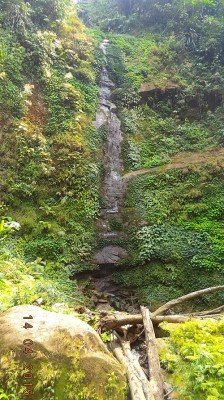
The Shamator War Memorial stands as a solemn monument dedicated to the brave souls who sacrificed their lives for the protection of their land and people. Located on a scenic ridge overlooking the valley, the memorial serves as a focal point for remembrance in the district. It commemorates both local tribal warriors of the past and modern-day soldiers who served in various conflicts. The site is impeccably maintained by the local administration and the community. Visitors often feel a sense of deep peace and patriotism while walking through the landscaped grounds. The memorial features plaques with names of the martyrs inscribed in stone. It is a place where history breathes, telling tales of the "Warrior Tribe" heritage of the Yimkhiung people. The surrounding gardens are filled with seasonal flowers, adding a touch of natural beauty to the somber site. From this vantage point, one can see the sprawling hills that stretch toward the Myanmar border. It is particularly significant during national holidays and local remembrance days. The memorial acts as a bridge between the ancient martial traditions of the Nagas and the contemporary spirit of India. It is a quiet escape from the town's bustle, offering a space for reflection. The sunset views from here are considered the finest in the entire district. For many locals, it is a sacred site of pilgrimage to honor their ancestors. The architecture is simple yet powerful, designed to command respect from every visitor. It is a must-visit for history enthusiasts and those seeking panoramic landscapes. The memorial reinforces the identity of Shamator as a land of the brave.:
Card image cap
Shamator Waterfall

The Shamator Waterfall, also known locally as the Aisayak Waterfall, is a seasonal natural wonder that comes to life during and after the monsoon mon...

The Shamator Waterfall, also known locally as the Aisayak Waterfall, is a seasonal natural wonder that comes to life during and after the monsoon months. This hidden gem is tucked away in a lush green ravine, surrounded by dense virgin forests. The water drops from a height of approximately 80 feet into a clear rocky pool below. During the peak of the rainy season, the roar of the water can be heard from a distance, creating a sense of awe. The trek to the waterfall involves a moderate hike through spice gardens and traditional Jhum fields. This journey offers a glimpse into the agricultural life of the Naga people. The air near the falls is incredibly fresh and misty, providing a natural cooling effect. It is a favorite spot for local youths for weekend excursions and nature photography. The water is pristine, originating from the high mountain springs above. Since it is seasonal, the falls are most impressive from June to October. In the dry winter months, the flow reduces to a gentle trickle, but the rock formations remain a sight to behold. The path to the waterfall is often slippery, requiring careful navigation. Local legends speak of mountain spirits that guard the waters, adding a layer of mysticism to the site. It is an ideal spot for those looking to disconnect from technology and reconnect with nature. The biodiversity around the falls is rich, with various orchids and wild ferns growing in abundance. Visiting this waterfall is a refreshing adventure that highlights the raw beauty of eastern Nagaland.:
Card image cap
Shamatorkhur Village

Shamatorkhur Village is a historic settlement that serves as a living museum for the Yimkhiung Naga people. This village is characterized by its stee...

Shamatorkhur Village is a historic settlement that serves as a living museum for the Yimkhiung Naga people. This village is characterized by its steep terrain and traditional layouts that have remained largely unchanged for generations. Visitors can observe the deep-rooted social structures where the village council still plays a vital role in daily governance and resource management. The people here are known for their hospitality and their ability to sustain a lifestyle that is in perfect harmony with the rugged mountainous environment. Exploring the narrow paths of the village reveals ancient granaries, communal spaces, and houses built with local timber and thatch. The village offers a panoramic view of the surrounding valleys, making it a place of both cultural and visual wonder. The linguistic diversity within the village is also notable, as different clans maintain unique dialects and oral histories that date back centuries.
Card image cap
Tsadang Village

Tsadang Village is a unique cultural melting pot located on a ridge that offers breathtaking views of the surrounding mountains. The village is parti...

Tsadang Village is a unique cultural melting pot located on a ridge that offers breathtaking views of the surrounding mountains. The village is particularly famous for its legendary stones that are said to have protected the inhabitants during ancient tribal wars. Life in Tsadang revolves around agriculture, with beautifully carved terrace fields surrounding the settlement. The architecture of the village is a mix of traditional bamboo structures and modern tin-roofed houses, representing the transition of the Naga people into the modern era. Visitors are often struck by the cleanliness and the organized nature of the village lanes. The local community is highly involved in preserving their oral traditions, and it is common to find elders narrating folk tales to the younger generation in communal gathering spots. The village also serves as a base for many small-scale treks into the deeper jungles of eastern Nagaland.
Card image cap
Yakor Village

Yakor Village is a quintessential Naga settlement located just a short drive from Shamator town, serving as a vital cultural repository for the Yimkh...

Yakor Village is a quintessential Naga settlement located just a short drive from Shamator town, serving as a vital cultural repository for the Yimkhiung tribe. Unlike the modernizing town center, Yakor has meticulously preserved its traditional way of life, making it a "living museum" for visitors. The village is famous for its traditional wooden houses, many of which still feature the 'Mithun' horns on the gables, a sign of the owner's status and generosity in hosting community feasts. The social structure here is deeply rooted in ancestral customs, with the village council playing a central role in governance. Walking through the narrow, stone-paved paths of Yakor, one can see women engaged in traditional back-strap weaving, creating the intricate red and black shawls that are the hallmark of the Yimkhiung identity. The village is also known for its master craftsmen who specialize in bamboo and cane work, producing everything from household baskets to ceremonial headgear. Historically, Yakor was a significant village during the era of tribal warfare, and many of its elders still recount tales of bravery and the significance of the 'Morung' (bachelor’s dormitory) system. Today, it is a peaceful agricultural community, but the spirit of the past is visible in the architecture and the respectful conduct of the residents. A visit to Yakor is incomplete without interacting with the village elders, who are often willing to share stories about their folklore and the meaning behind their traditional tattoos and ornaments. The village also offers stunning views of the surrounding valleys, as it is situated on a prominent spur. It provides a stark yet beautiful contrast to the busier life of Shamator town, offering a glimpse into the soul of Nagaland's tribal heritage.:
Show All

Shamator Itineray And Cost:-

Information about New and Updated Locations() of Nagaland Has Been Added :-
Card subtitle

Note:-

Information provided here in good Faith and for reference only.

Near Places
...
Dimapur

Some quick example text to build on the card title and make up the bulk of the card's content.

Go somewhere
...
Dzulekie

Some quick example text to build on the card title and make up the bulk of the card's content.

Go somewhere
...
Khonoma

Some quick example text to build on the card title and make up the bulk of the card's content.

Go somewhere
...
Kigwema

Some quick example text to build on the card title and make up the bulk of the card's content.

Go somewhere
...
Kiphire

Some quick example text to build on the card title and make up the bulk of the card's content.

Go somewhere
...
Kohima

Some quick example text to build on the card title and make up the bulk of the card's content.

Go somewhere
...
Longleng

Some quick example text to build on the card title and make up the bulk of the card's content.

Go somewhere
...
Meluri

Some quick example text to build on the card title and make up the bulk of the card's content.

Go somewhere
...
Mokokchung

Some quick example text to build on the card title and make up the bulk of the card's content.

Go somewhere
...
Mon

Some quick example text to build on the card title and make up the bulk of the card's content.

Go somewhere
...
Mon
...
Mopungchuket

Some quick example text to build on the card title and make up the bulk of the card's content.

Go somewhere
...
Nagaland Heritage Village

Some quick example text to build on the card title and make up the bulk of the card's content.

Go somewhere
...
Niuland

Some quick example text to build on the card title and make up the bulk of the card's content.

Go somewhere
...
Noklak

Some quick example text to build on the card title and make up the bulk of the card's content.

Go somewhere
...
Peren

Some quick example text to build on the card title and make up the bulk of the card's content.

Go somewhere
...
Zunheboto

Some quick example text to build on the card title and make up the bulk of the card's content.

Go somewhere
in Other Cities